Human stem cells from Adelaide University’s Centre for Cancer Biology have successfully travelled to the edge of space and back as part of a landmark mission for Australian cancer research.
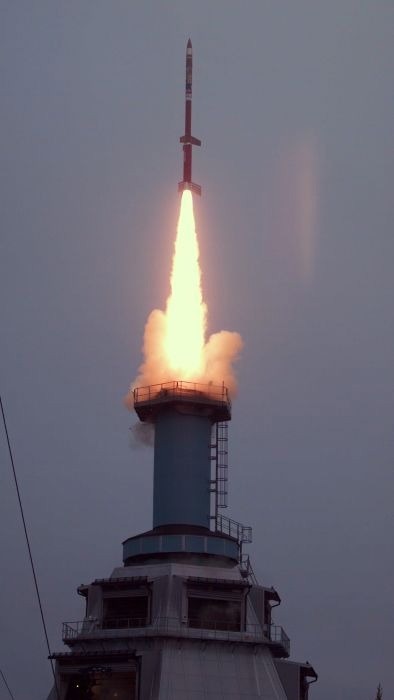
Image Credit: German Aerospace Center (DLR)
The cells launched on 1 October 2026 at 8:51 am local time aboard the German Aerospace Center (DLR) MAPHEUS-17 sounding rocket from the Esrange Space Center in Sweden, owned and operated by SSC Space.
Led by South Australian company Cambrian Defense & Space, the mission was delivered in partnership with the Centre for Cancer Biology, SSC Space and Blue Dwarf Space, with support from the South Australian Government through the South Australian Space Collaboration and Innovation Fund.
The rocket reached approximately 300 kilometers above Earth, giving the cells at least seven minutes of microgravity time before returning safely to Earth for recovery and analysis.
Researchers will now analyze the cells to investigate how they responded to microgravity and whether the changes could provide new insights into cancer progression and early detection.
MAPHEUS 17 Rocket HCD#1
Video Credit: SSC Space
 Sex chromosomes influence immunity, cancer, aging and disease risk