Introduction
What is Perilla?
How Perilla compounds may control allergic inflammation
The immunomodulatory effects of Perilla
From dysbiosis to balance: Perilla’s emerging role in gut health
Future directions
References
Further reading
What happens when compounds from an ancient East Asian herb encounter mast cells, regulatory T cells, intestinal barriers, and the gut microbiome? Emerging research is beginning to map how Perilla may influence these interconnected systems, and the evidence still leaves important questions unanswered.
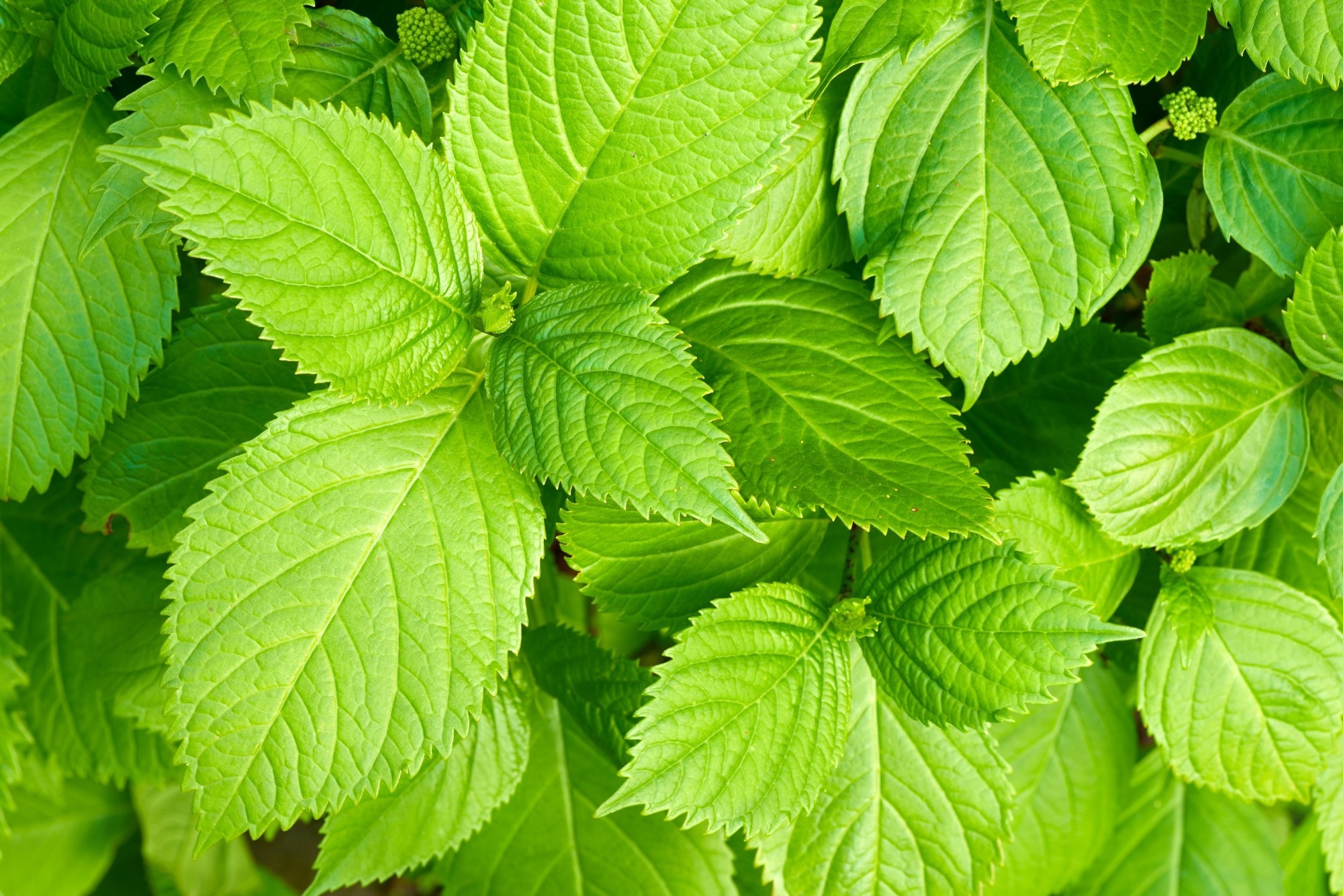 Image Credit: PeopleImages / Shutterstock.com
Introduction
This article discusses the latest clinical and preclinical research on the anti-inflammatory effects of Perilla frutescens and its potential relevance to allergic inflammation, immune regulation, and gastrointestinal health.1-3,5-8
What is Perilla?
Perilla frutescens, an annual herb of the mint family (Lamiaceae), is widely cultivated in East Asia, including China, Japan, and Korea, as well as in other parts of Asia such as Vietnam and India, where it has a long history of culinary and traditional medicinal use.1 Although this plant has traditionally been used as a culinary garnish in East Asian cuisine, growing evidence emphasizes its emerging role in modern pharmacognosy.
More than 270 phytochemical components have been cataloged in P. frutescens, while a more recent review identified approximately 400 bioactive compounds, including phenolic acids, flavonoids, and essential fatty acids. Rosmarinic acid is among the best-studied Perilla phenolic acids and has demonstrated antioxidant and anti-inflammatory effects in experimental systems, including reductions in inflammatory mediators such as iNOS.1,2 Flavonoids including luteolin and apigenin have likewise suppressed production of pro-inflammatory cytokines such as TNF-α, IL-1β, IL-6, and IL-17A in preclinical experiments.2,6
Essential oils extracted from P. frutescens contain perillaldehyde and isoegomaketone. Evidence for Nrf2-dependent antioxidant activity is compound-specific: perillaldehyde has been reported to activate the Nrf2-Keap1 system, while a dimethoxychalcone isolated from green Perilla leaves has been reported to activate the Nrf2-antioxidant response element (ARE) pathway and increase antioxidant enzyme expression.1,2 Perilla seed oil is also particularly rich in alpha-linolenic acid (ALA), an omega-3 fatty acid associated with anti-inflammatory effects in experimental models.2,7
The bioactive profile of P. frutescens varies based on its location within the plant. Perilla seeds, for example, are uniquely enriched in polyunsaturated fatty acids (PUFAs), particularly ALA, which commonly accounts for more than half of total fatty acids; one experimentally analyzed Perilla seed oil contained approximately 59% ALA.1,7
Alternatively, Perilla leaves are rich sources of hydrophilic phenolics such as rosmarinic acid and flavonoids such as luteolin. These compounds have demonstrated antioxidant activity through several mechanisms, including direct reduction of reactive oxidants, while some leaf-derived phytochemicals can also activate Nrf2-dependent cellular antioxidant defenses.1,2
Together, these chemically diverse constituents provide a mechanistic basis for continued investigation of P. frutescens; however, most proposed health effects remain supported primarily by laboratory and animal studies rather than large human trials.1-3
How Perilla compounds may control allergic inflammation
P. frutescens has demonstrated anti-allergic activity in several preclinical models, although human clinical evidence remains limited.2,3 During type I hypersensitivity reactions, mast cell degranulation releases histamine and other pro-inflammatory mediators that induce physiological symptoms like vasodilation, tissue edema, and bronchoconstriction.1,2 Preclinical studies summarized in recent reviews indicate that Perilla extracts and individual constituents can influence the IgE-mast-cell axis, reduce histamine release, and decrease mast-cell and eosinophil infiltration, alongside reductions in inflammatory cytokines.2,3
Among human patients with seasonal allergic rhinoconjunctivitis (SAR), a small 21-day randomized, double-blind, placebo-controlled trial found that oral Perilla extract enriched in rosmarinic acid and standardized to provide 50 or 200 mg of rosmarinic acid per day increased responder rates for itchy nose, watery eyes, and itchy eyes compared with placebo. The treatment also significantly reduced nasal neutrophil and polymorphonuclear leukocyte counts early in the trial, with a significant reduction in eosinophils at the higher rosmarinic acid dose; however, these cellular differences were not statistically significant by day 21. Serum pollen-specific IgE and nasal concentrations of histamine, eotaxin, IL-1β, and IL-8 did not differ significantly between groups, indicating that the observed clinical response cannot be attributed to broad systemic IgE suppression.5
Perilla Oil Health Benefits
The immunomodulatory effects of Perilla
In addition to acute allergy modulation, Perilla-derived extracts exert anti-inflammatory effects by suppressing the release of cytokines such as TNF-α, IL-6, and IL-1β.2,3 Experimental studies attribute part of this activity to modulation of inflammatory signaling pathways, including NF-κB, with consequent reductions in inflammatory mediators such as iNOS.2,6
Direct evidence for regulation of intestinal T-cell responses comes from a mouse study of a hot-water Perilla leaf extract rather than seed extract. In a therapeutic DSS-colitis protocol, Perilla leaf extract increased regulatory T-cell (Treg) abundance and decreased Th17 cells in the colonic lamina propria, while reducing colonic TNF-α and IL-17A expression. Separate in vitro experiments in the same study showed that luteolin and apigenin suppressed IL-17A-related responses, while rosmarinic acid enhanced Foxp3 expression and apigenin and rosmarinic acid promoted anti-inflammatory IL-10-related responses. The authors cautioned that the effects of the isolated compounds were tested mainly in vitro, so their individual contributions in vivo remain uncertain.6
From dysbiosis to balance: Perilla’s emerging role in gut health
In experimental animals, prolonged high-fat feeding can cause gut microbial dysbiosis, impaired intestinal barrier integrity, intestinal inflammation, and metabolic endotoxemia. These models have therefore been used to investigate whether different Perilla preparations can modify the composition of the microbiota and intestinal inflammatory responses.7,8
In obese, insulin-resistant rats, Perilla seed oil at 100 and 500 mg/kg/day attenuated selected features of dysbiosis, particularly by reducing the relative abundance of Enterobacteriaceae; it did not completely normalize all measured bacterial groups, and metformin produced broader microbiota changes. At these doses, Perilla seed oil also increased ileal ZO-1 expression and PAS-positive goblet cells, while lowering circulating LPS and intestinal inflammatory markers. These results indicate improved barrier integrity in this animal model, but do not by themselves establish Perilla seed oil as a human prebiotic.7
Evidence more directly relevant to Perilla leaves comes from DSS-induced colitis in mice. Hot-water Perilla leaf extract improved body weight recovery, reduced histological colitis scores, and was associated with regeneration of goblet cells and mucosal tissue during the therapeutic protocol. The extract also reduced pro-inflammatory TNF-α and IL-17A signaling and shifted the local balance toward more Tregs and fewer Th17 cells, suggesting that both epithelial repair and immune modulation may contribute to its effects in the gut.6
Ethanolic extracts from Perilla seed residues are also highly effective at suppressing local colonic macrophage infiltration, thereby attenuating the progression of aberrant crypt foci (ACF), early histological biomarkers of colorectal carcinogenesis. In the rat DMH/DSS model, the higher seed-residue extract dose reduced the ACF number by approximately 66% and decreased pro-inflammatory signaling. Because this study used seed residue rather than leaves, it provides supportive but indirect evidence for the biological actions of phytochemicals also found in leaf preparations.9
A separate 2025 rat study similarly found that Perilla seed-residue extract increased gut microbial diversity and shifted the microbiome toward the profile of healthy controls while improving inflammatory and metabolic measures in a high-fat-diet/streptozotocin diabetes model. Again, these findings concern seed residue and should not be interpreted as direct clinical evidence for Perilla leaves.8
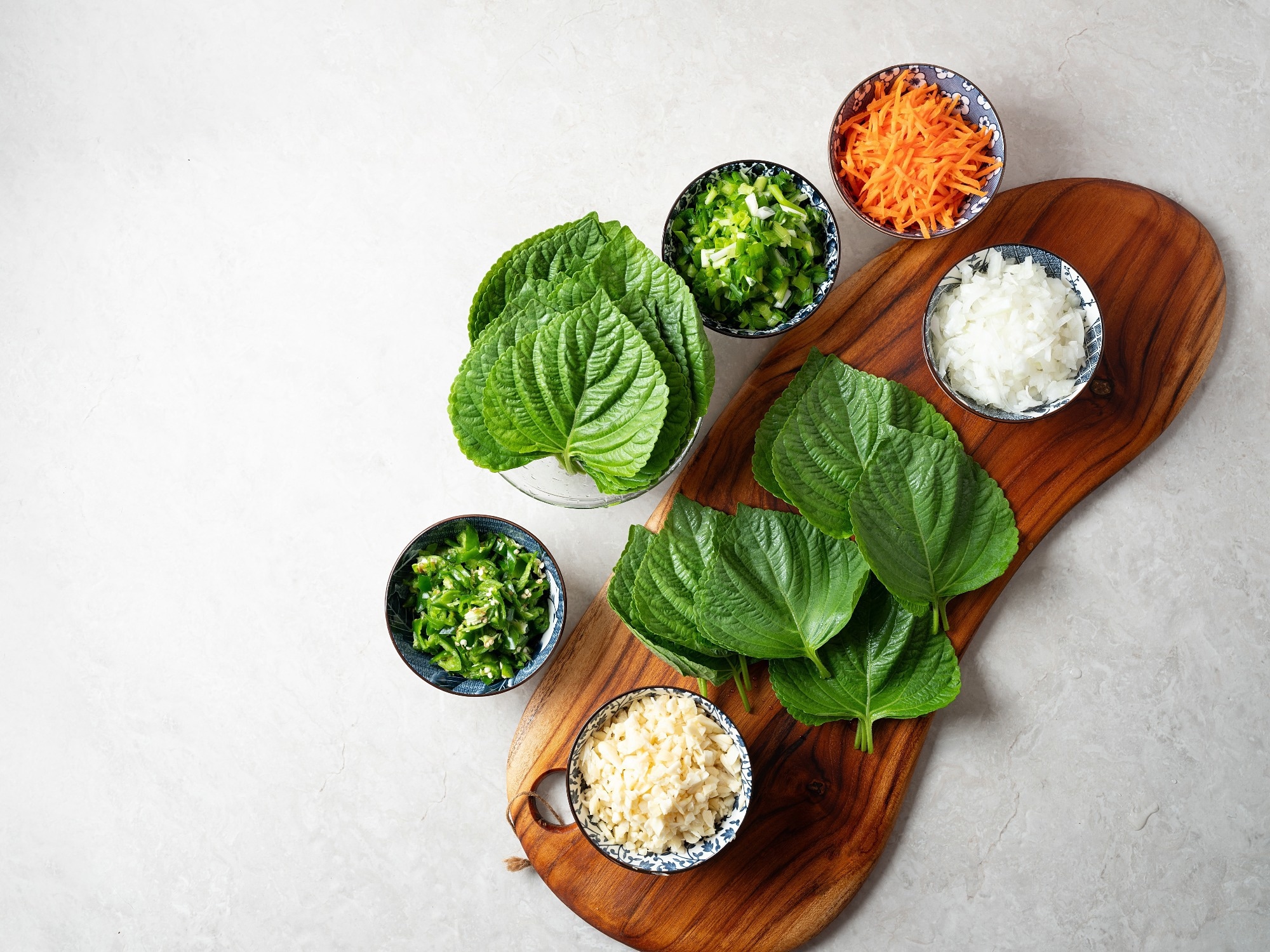 Image Credit: mniage / Shutterstock.com
Future directions
Despite the therapeutic potential of P. frutescens, large-scale, standardized human clinical trials are needed to determine safe and effective dosages. While promising, current data often rely on diverse extraction protocols, emphasizing the importance of standardized posology for functional food development and clinical use.3
Consequently, definitive therapeutic guidelines remain unestablished, necessitating future longitudinal investigations.3 Future studies should standardize the plant part, extraction method, phytochemical composition, dose, and safety monitoring, while determining whether effects observed in cells and animal models translate to clinically meaningful allergy, immune, and gastrointestinal outcomes in humans. They should also account for the possibility that isolated Perilla compounds may produce different effects depending on dose, formulation, disease model, and biological context.6
References
- Ahmed, H. M. (2018). Ethnomedicinal, Phytochemical and Pharmacological Investigations of Perilla frutescens (L.) Britt. Molecules 24(1); 102. DOI: 10.3390/molecules24010102. https://www.mdpi.com/1420-3049/24/1/102
- Hou, T., Netala, V. R., Zhang, H., et al. (2022). Perilla frutescens: A Rich Source of Pharmacological Active Compounds. Molecules 27(11); 3578. DOI: 10.3390/molecules27113578. https://www.mdpi.com/1420-3049/27/11/3578
- Bival Štefan, M. (2024). Astragalus membranaceus, Nigella sativa, and Perilla frutescens as Immunomodulators - Molecular Mechanisms and Clinical Effectiveness in Allergic Diseases. Current Issues in Molecular Biology 46(8); 9016-9032. DOI: 10.3390/cimb46080533. https://www.mdpi.com/1467-3045/46/8/533
- Xue, H., Xu, M., Gong, D., & Zhang, G. (2023). Mechanism of flavonoids inhibiting xanthine oxidase and alleviating hyperuricemia from structure–activity relationship and animal experiments: A review. Food Frontiers 4(4); 1643-1665. DOI: 10.1002/fft2.287. https://iadns.onlinelibrary.wiley.com/doi/10.1002/fft2.287
- Takano, H., Osakabe, N., Sanbongi, C., et al. (2004). Extract of Perilla frutescens Enriched for Rosmarinic Acid, a Polyphenolic Phytochemical, Inhibits Seasonal Allergic Rhinoconjunctivitis in Humans. Experimental Biology and Medicine 229(3); 247-254. DOI: 10.1177/153537020422900305. https://www.kinkiagri.or.jp/CropFFF/vegetables/Pdf/rosmarinic_acid6.pdf
- Urushima, H., Nishimura, J., Mizushima, T., et al. (2015). Perilla frutescens extract ameliorates DSS-induced colitis by suppressing proinflammatory cytokines and inducing anti-inflammatory cytokines. American Journal of Physiology-Gastrointestinal and Liver Physiology 308(1); G32-G41. DOI: 10.1152/ajpgi.00294.2014. https://journals.physiology.org/doi/full/10.1152/ajpgi.00294.2014
- Kangwan, N., Pratchayasakul, W., Kongkaew, A., et al. (2021). Perilla Seed Oil Alleviates Gut Dysbiosis, Intestinal Inflammation and Metabolic Disturbance in Obese-Insulin-Resistant Rats. Nutrients 13(9); 3141. DOI: 10.3390/nu13093141. https://www.mdpi.com/2072-6643/13/9/3141
- Deethai, P., Siriwathanakul, C., Pitchakarn, P., et al. (2025). Perilla frutescens Seed Residue Extract Restores Gut Microbial Balance and Enhances Insulin Function in High-Fat Diet and Streptozotocin-Induced Diabetic Rats. International Journal of Molecular Sciences 26(17); 8176. DOI: 10.3390/ijms26178176. https://www.mdpi.com/1422-0067/26/17/8176
- Chantana, W., Hu, R., Buddhasiri, S., Thiennimitr, P., et al. (2023). The Extract of Perilla frutescens Seed Residue Attenuated the Progression of Aberrant Crypt Foci in Rat Colon by Reducing Inflammatory Processes and Altered Gut Microbiota. Foods 12(5); 988. DOI: 10.3390/foods12050988. https://www.mdpi.com/2304-8158/12/5/988
Further Reading
Last Updated: Sep 8, 2026