Introduction
What is Salicornia?
Micronutrients, minerals, and bioactives
The therapeutic potential of Salicornia
Sodium-related considerations
Culinary, industrial, and sustainable applications
Safety profile, research gaps, and toxicology
References
Further reading
Salicornia is a salt-tolerant halophyte with promising applications in saline agriculture, functional nutrition, and salt substitution, supported by preclinical and early human research. While rich in minerals, bioactive compounds, and industrial potential, its therapeutic and cardiovascular benefits require further large-scale clinical validation.
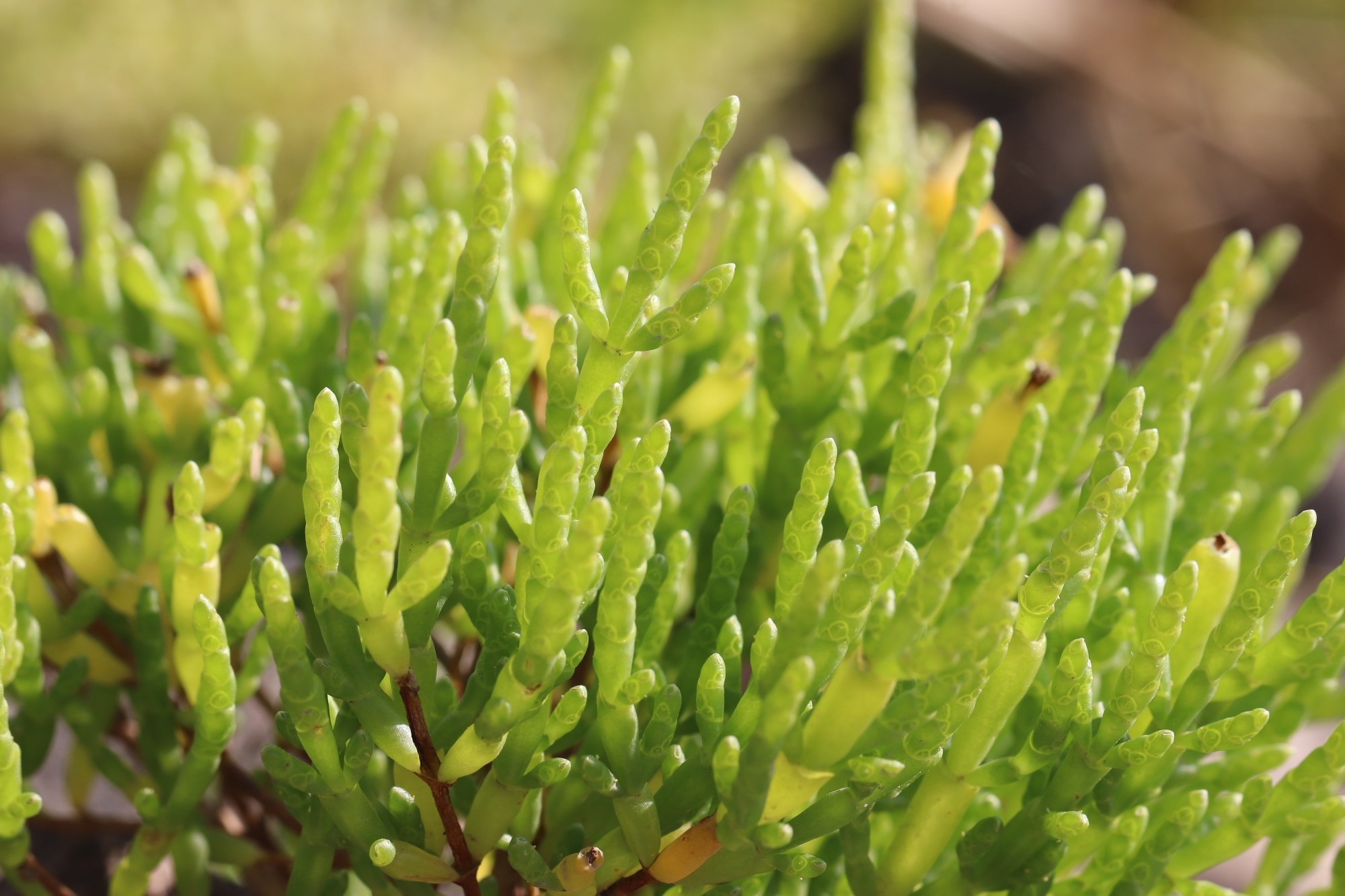 Image Credit: Lewis Pidoux / Shutterstock.com
Introduction
Global agricultural systems are experiencing an unprecedented crisis of soil salinization and freshwater scarcity, prompting researchers to investigate brackish-water-tolerant alternatives. The genus Salicornia, colloquially known as ‘sea asparagus,’ is emerging as a promising candidate for saline agriculture and functional food development.6,8
What is Salicornia?
A member of the Amaranthaceae family, Salicornia is a succulent annual euhalophyte that grows in transitional zones between land and sea, such as marshes and saltpans.1,6 Members of the genus tolerate high salinity through selective ion uptake, vacuolar sequestration of Na+, tissue succulence, and synthesis of compatible osmolytes such as proline and glycine betaine.6
Research has shown that some species (e.g., Salicornia europaea) can tolerate salinity levels approaching 3% NaCl, conditions that are lethal to most glycophytic crops.1
Micronutrients, minerals, and bioactives
Nutriomic analyses characterize Salicornia species as nutrient-dense halophytes containing dietary fiber, minerals, and bioactive phytochemicals.2,6 In Salicornia brachiata, total carbohydrates have been reported at 42.64% (freeze-dried samples), while crude fat reaches 0.88% and dietary fiber 29.72% of dry weight.3
In contrast to earlier generalized claims, protein content in aerial parts is typically moderate, while S. bigelovii seeds may contain approximately 28–33% oil, depending on species and growing conditions, supporting their use as oilseed crops.2,8
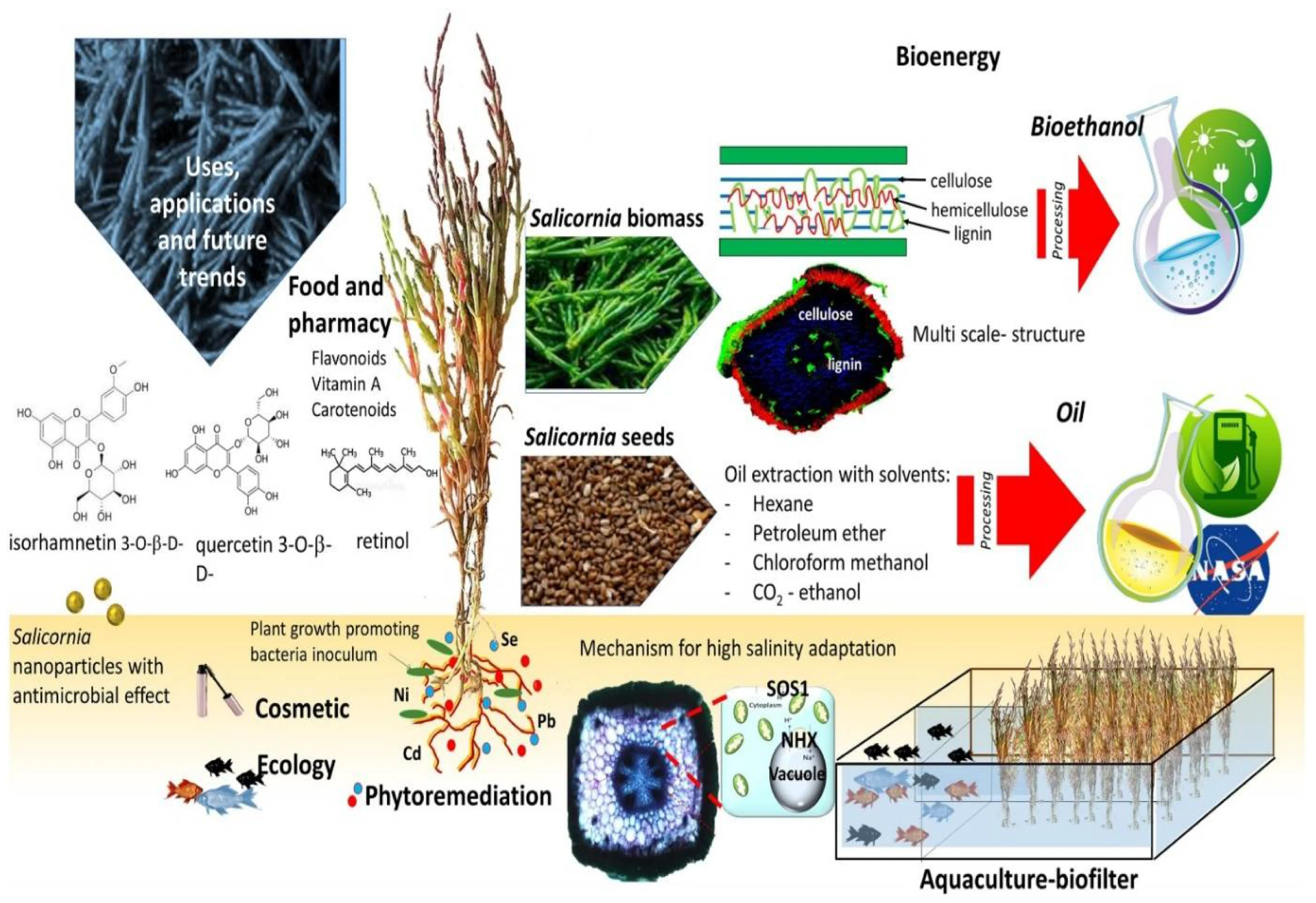
A summary of potential Salicornia applications2
Salicornia is rich in minerals, particularly sodium, potassium, magnesium, and calcium.2,9 In some species, total ash content may approach 39–40% of dry weight, reflecting the exceptionally high mineral load characteristic of halophytes, with sodium typically representing the dominant cation.9 In S. brachiata, iron concentrations have been reported up to 206.23 μg/g depending on drying method.3
The fatty acid profile of Salicornia seed oil is dominated by unsaturated fatty acids, particularly linoleic acid (ω-6), which may constitute a major fraction of total lipids.2 Salicornia also contains phenolic acids (e.g., p-coumaric acid), flavonoids (e.g., quercetin), and caffeoylquinic acid derivatives, which contribute to antioxidant capacity.6,9
UAE Produces Food Locally Using Salicornia
The therapeutic potential of Salicornia
In a diet-induced obesity model using Psammomys obesus, oral administration of S. arabica decocted extract (300 mg/kg/day for 4 weeks) resulted in a 34% reduction in body weight, alongside significant reductions in total cholesterol (−54.92%), LDL (−60%), triglycerides (−48.03%), and blood glucose (−47.85%).4
These findings derive from an animal model and should not be directly extrapolated to human clinical outcomes.
Salicornia-derived (9Z,11E)-13-oxooctadeca-9,11-dienoic acid (13-KODE) has demonstrated anti-inflammatory activity in LPS-stimulated murine macrophages by inhibiting NF-κB and MAPK signaling while activating the Nrf2/HO-1 antioxidant pathway.5 These data are based on in vitro cellular models.
Bioactive compounds and dietary fibers in Salicornia may contribute to the modulation of oxidative stress, inflammation, and metabolic pathways, although human clinical validation remains limited.6
Excess sodium intake is a recognized risk factor for hypertension.2 A randomized pilot study in healthy young adults demonstrated that substituting regular salt with Sarcocornia powder for 30 days significantly reduced urinary sodium excretion and lowered systolic and diastolic blood pressure, as well as pulse wave velocity.7
Importantly, this study involved Sarcocornia (a closely related genus) rather than Salicornia, and was conducted in a small pilot population.7
The mineral matrix of halophyte-based salt substitutes includes potassium and magnesium, which may contribute to improved vascular outcomes compared to pure sodium chloride; however, the relative contribution of mineral balance versus reduced sodium intake itself remains to be fully elucidated in controlled mechanistic studies.2,7
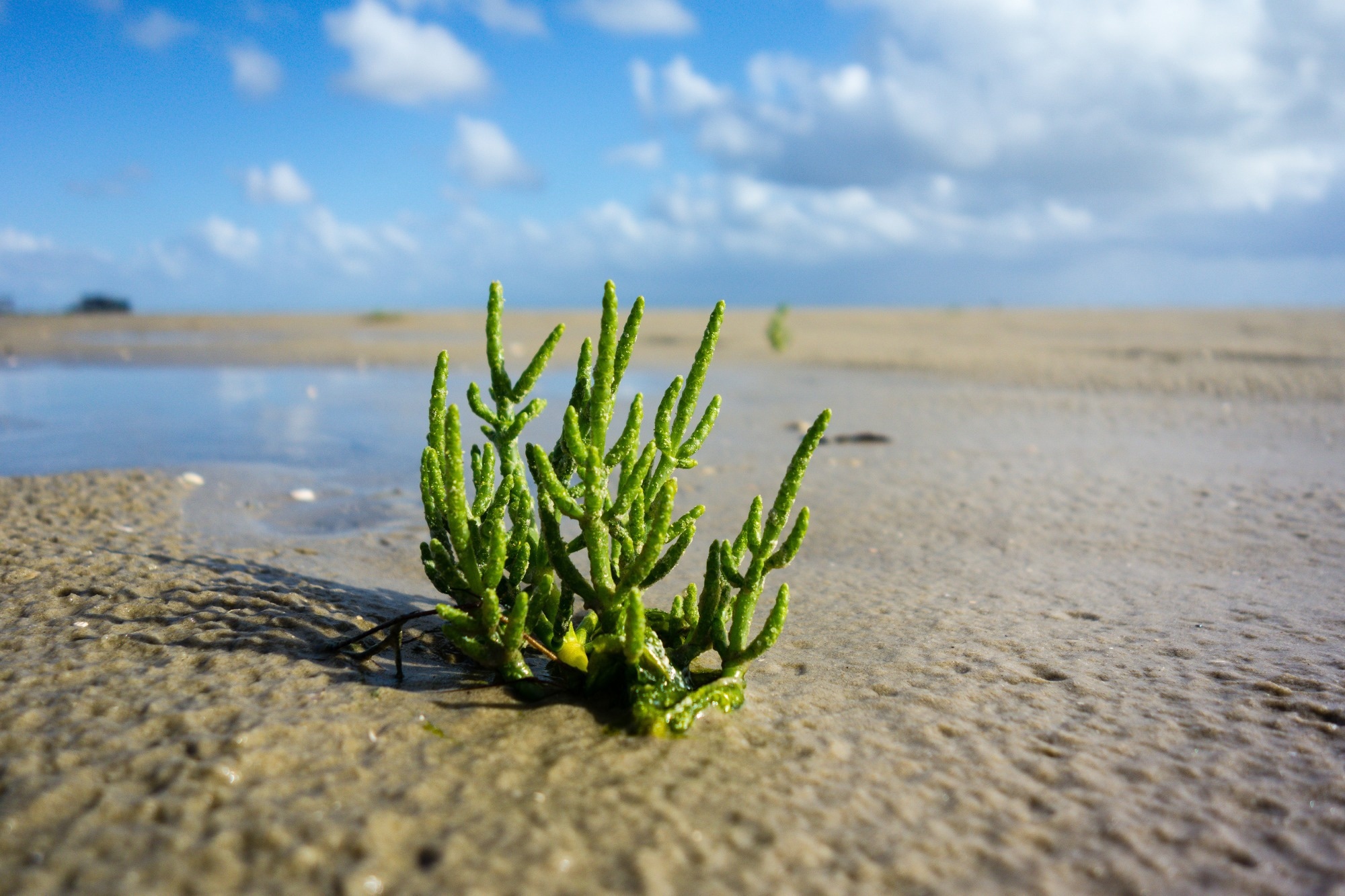 Image Credit: Okie99 / Shutterstock.com
Culinary, industrial, and sustainable applications
Processing methodology significantly affects nutrient retention. Freeze-drying preserves higher phenolic content and antioxidant activity compared to heat pump oven drying or microwave-vacuum drying in S. brachiata.3
Seeds of certain Salicornia species contain approximately 28–33% oil and have been explored for biofuel and sustainable oilseed production in saline agriculture systems.8
Salicornia cultivation using saline or brackish irrigation has been proposed as a strategy for utilizing marginal lands without competing for freshwater resources.6,8
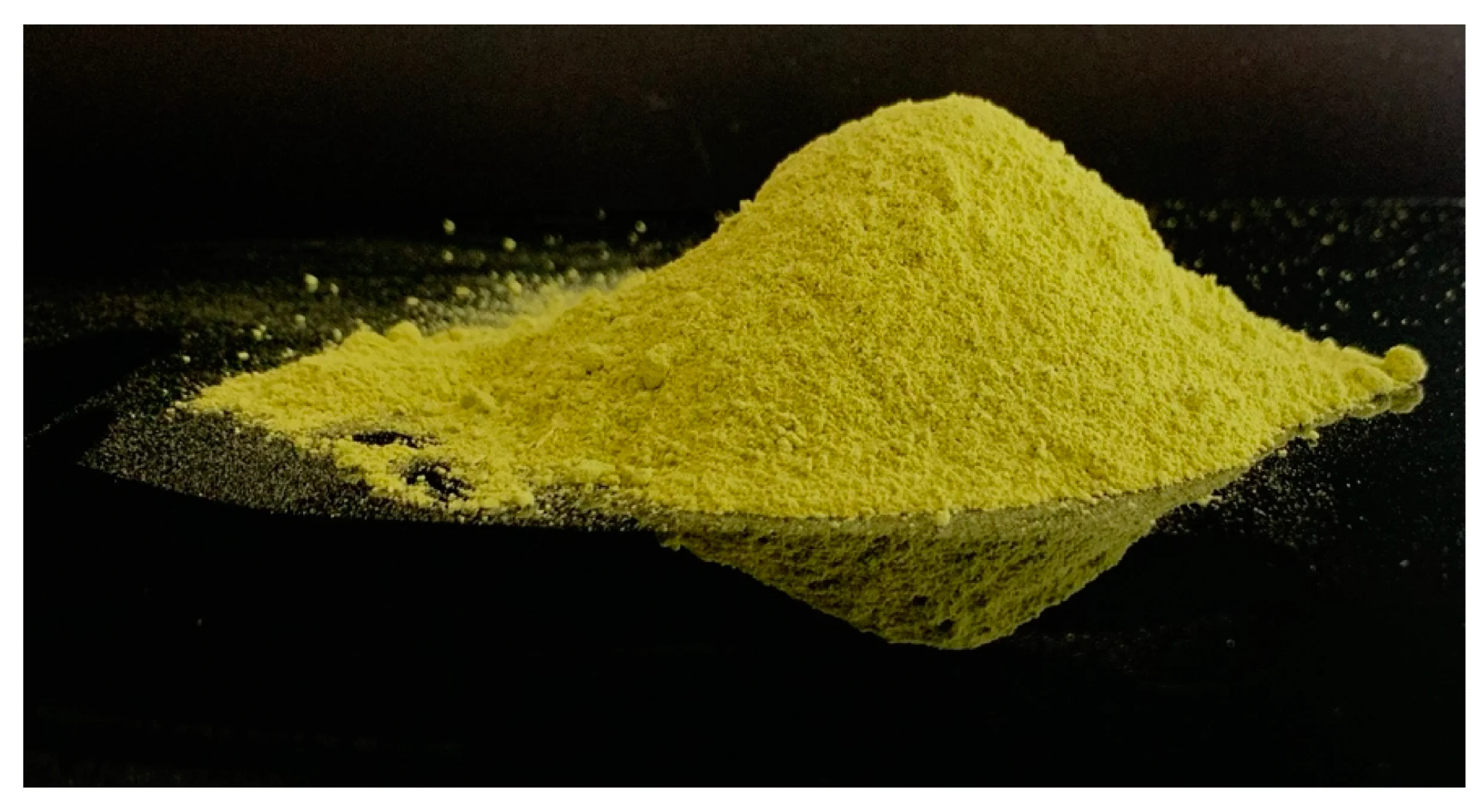
Dried powder of Sarcocornia perennis.7
Safety profile, research gaps, and toxicology
Salicornia species can accumulate heavy metals depending on environmental conditions. In S. ramosissima, cadmium and lead were detected at low levels, while mercury in Sarcocornia perennis alpini reached regulatory threshold values for marine species in one assessment. Aflatoxin B1 contamination (5.21 μg/kg dry weight) was also detected in one sample of S. ramosissima.9
Salicornia also contains anti-nutritional compounds such as oxalates and saponins; proper processing may reduce these levels.1
Although preclinical findings are promising, larger randomized controlled human trials are required to establish standardized dosing, long-term cardiovascular outcomes, and safety parameters.2,7
References
- Patel, S. (2016). Salicornia: evaluating the halophytic extremophile as a food and a pharmaceutical candidate. 3 Biotech 6(1). DOI – 10.1007/s13205-016-0418-6. https://link.springer.com/article/10.1007/s13205-016-0418-6
- Alfheeaid, H. A., Raheem, D., Ahmed, F., et al. (2022). Salicornia bigelovii, S. brachiata and S. herbacea: Their Nutritional Characteristics and an Evaluation of Their Potential as Salt Substitutes. Foods 11(21); 3402. DOI: 10.3390/foods11213402. https://www.mdpi.com/2304-8158/11/21/3402
- Jayasundara, Y., Herath, N., Buddhipala, A., et al. (2025). Nutritional Composition and Bioactive Properties of Salicornia brachiata: A Comparison of Drying Methods. Natural Product Communications 20(1). DOI: 10.1177/1934578x251315822. https://journals.sagepub.com/doi/10.1177/1934578X251315822
- Chrigui, S., Taieb, S. H., Jemai, H., et al. (2023). Anti-Obesity and Anti-Dyslipidemic Effects of Salicornia arabica Decocted Extract in Tunisian Psammomys obesus Fed a High-Calorie Diet. Foods 12(6); 1185. DOI: 10.3390/foods12061185. https://www.mdpi.com/2304-8158/12/6/1185
- Ko, Y., Choi, H. S., Kim, S., et al. (2022). Anti-Inflammatory Effects of (9Z,11E)-13-Oxooctadeca-9,11-dienoic acid (13-KODE) Derived from Salicornia herbacea L. on Lipopolysaccharide-Stimulated Murine Macrophage via NF-kB and MAPK Inhibition and Nrf2/HO-1 Signaling Activation. Antioxidants 11(2); 180. DOI: 10.3390/antiox11020180. http://mdpi.com/2076-3921/11/2/180
- Ekanayake, S., Egodawatta, C., Attanayake, R. N., & Perera, D. (2023). From salt pan to saucepan: Salicornia, a halophytic vegetable with an array of potential health benefits. Food Frontiers 4(2); 641-676. DOI: 10.1002/fft2.214. https://iadns.onlinelibrary.wiley.com/doi/10.1002/fft2.214
- Pereira, T., Caldeira, A. T., Caseiro, A., et al. (2022). Randomized Pilot Study on the Effects of Sarcocornia as a Salt Substitute in Arterial Blood Pressure and Vascular Function in Healthy Young Adults. Foods 11(18); 2888. DOI: 10.3390/foods11182888. https://www.mdpi.com/2304-8158/11/18/2888
- Cárdenas-Pérez, S., Piernik, A., Chanona-Pérez, J. J., et al. (2021). An overview of the emerging trends of the Salicornia L. genus as a sustainable crop. Environmental and Experimental Botany 191. DOI: 10.1016/j.envexpbot.2021.104606. https://www.sciencedirect.com/science/article/pii/S0098847221002367
- Lopes, M., Silva, A. S., Séndon, R., et al. (2023). Towards the Sustainable Exploitation of Salt-Tolerant Plants: Nutritional Characterisation, Phenolics Composition, and Potential Contaminants Analysis of Salicornia ramosissima and Sarcocornia perennis alpini. Molecules 28(6); 2726. DOI: 10.3390/molecules28062726. https://www.mdpi.com/1420-3049/28/6/2726
Further Reading
Last Updated: Mar 1, 2026
 Insect flour could boost gut health and cut environmental impact