Introduction
Mankai and metabolic health
Mankai vs. traditional plant protein
Culinary versatility and consumer acceptance
Sustainability
Where future research is needed
Conclusions
References
Further reading
A tiny aquatic plant with authentic vitamin B12 and high-quality protein, Mankai is emerging as a scientifically studied functional food with promising metabolic and microbiome-linked benefits.
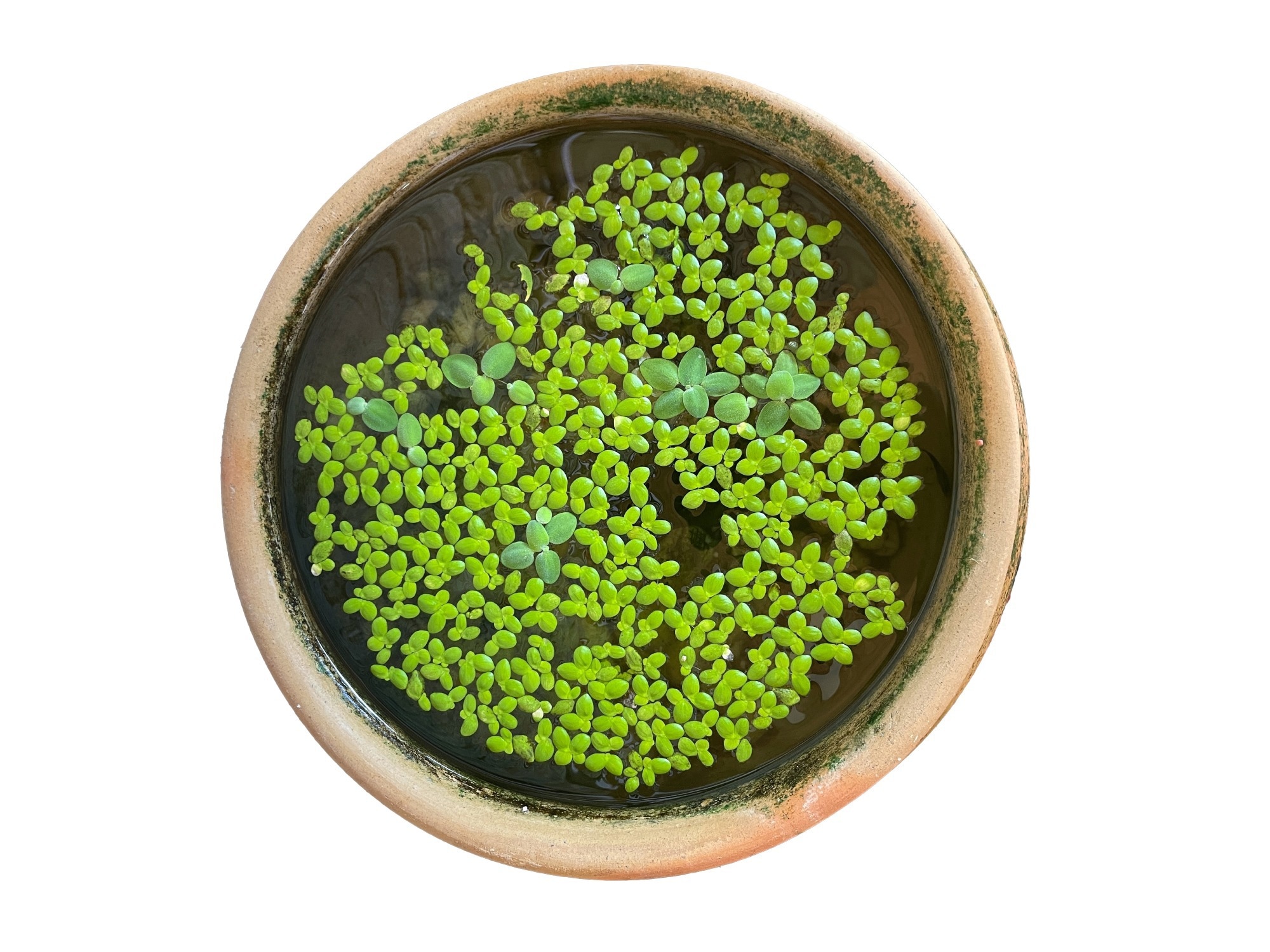 Image Credit: Aoy_Charin / Shutterstock.com
Introduction
Mankai (Wolffia globosa) is a fast-growing aquatic plant of the duckweed family that contains high-quality plant protein, including all the essential amino acids, as well as dietary fiber and a broad spectrum of micronutrients like iron, folate, and authentic (bioactive) vitamin B12 forms identified by LC-MS/MS (including OH-B12, Ado-B12, Me-B12, and CN-B12). In analyses comparing Mankai extracts with spirulina, no pseudo-vitamin B12 (pseudo-CN-B12) was detected in Mankai. In controlled dietary interventions, Mankai has commonly been provided as ~100 g frozen biomass/day blended into a “green shake”. Due to its mild flavor and smooth texture, Mankai is an emerging ingredient in dried powders, frozen shakes and smoothies, and other functional food items.1
Human evidence for metabolic benefits is currently strongest for dietary patterns that incorporate Mankai (e.g., a green Mediterranean/low-meat diet), rather than for long-term trials of Mankai as a single isolated ingredient. In the DIRECT-PLUS 18-month trial setting, a Mankai-containing green Mediterranean/low-meat diet has been associated with improvements in cardiometabolic risk markers as reported in separate publications from the trial investigators (including glycemic control, lipid profile, and weight-loss-related outcomes).1
Mechanistically, one proposed pathway is via interactions with the gut microbiome: in a pH-controlled in vitro proximal-colon fermentation model using human fecal inocula, digested Mankai increased short-chain fatty acid production, with acetate showing the highest concentrations in both Mankai and inulin treatments, while propionate and butyrate increased significantly over time across treatments, and increased multiple low-molecular-weight phenolic metabolites after 24 hours (including protocatechuic acid and hydroxyphenyl-propionic acids), consistent with selective microbiome modulation. These observations support a microbiome-linked hypothesis for metabolic effects, but, by themselves, they do not establish causality in humans.3
Mankai vs. traditional plant protein
Traditional sources of plant-based protein, like soy and pea, undergo extensive processing to enhance the balance of the amino acids and/or their digestibility. Conversely, protein represents more than ~45% of Mankai dry matter, and Mankai protein contains all nine essential amino acids (with an amino-acid profile reported as similar to egg protein).1
Mankai has a higher micronutrient density compared to most plant proteins, including iron, folate, and authentic vitamin B12 forms, nutrients often absent in plant-based proteins like soy or pea.1
Culinary versatility and consumer acceptance
Mankai can be prepared in many ways due to its neutral flavor, soft texture, and fine particle size. In human dietary interventions, Mankai has primarily been evaluated at a dose of 100 g frozen biomass/day (approximately ~20 g dry matter) consumed as a shake, which blends easily into smoothies and other beverages without adversely affecting taste or mouthfeel. Mankai can also be incorporated into soups, purees, fortified drinks, and as a source of plant-based protein.1
The small cellular structure of Mankai provides a smooth consistency for liquid and semi-solid foods. Consumer acceptability is further supported by its use within a Mediterranean-style dietary pattern, where it is a substitute for animal protein without compromising dietary adherence.
Mankai Introduction
Sustainability
Because Mankai is an aquatic plant, it can be cultivated in water-based systems rather than on conventional cropland, potentially reducing competition with land used for terrestrial agriculture (depending on the production system). However, robust, peer-reviewed life-cycle assessments quantifying resource use (e.g., water and energy) and greenhouse gas impacts were not reported in the three cited papers and remain an important evidence gap.1
More broadly, diet–microbiome research increasingly emphasizes that metabolic outcomes depend on overall dietary pattern and host–microbiome interactions, underscoring the importance of evaluating foods like Mankai within realistic dietary contexts.2
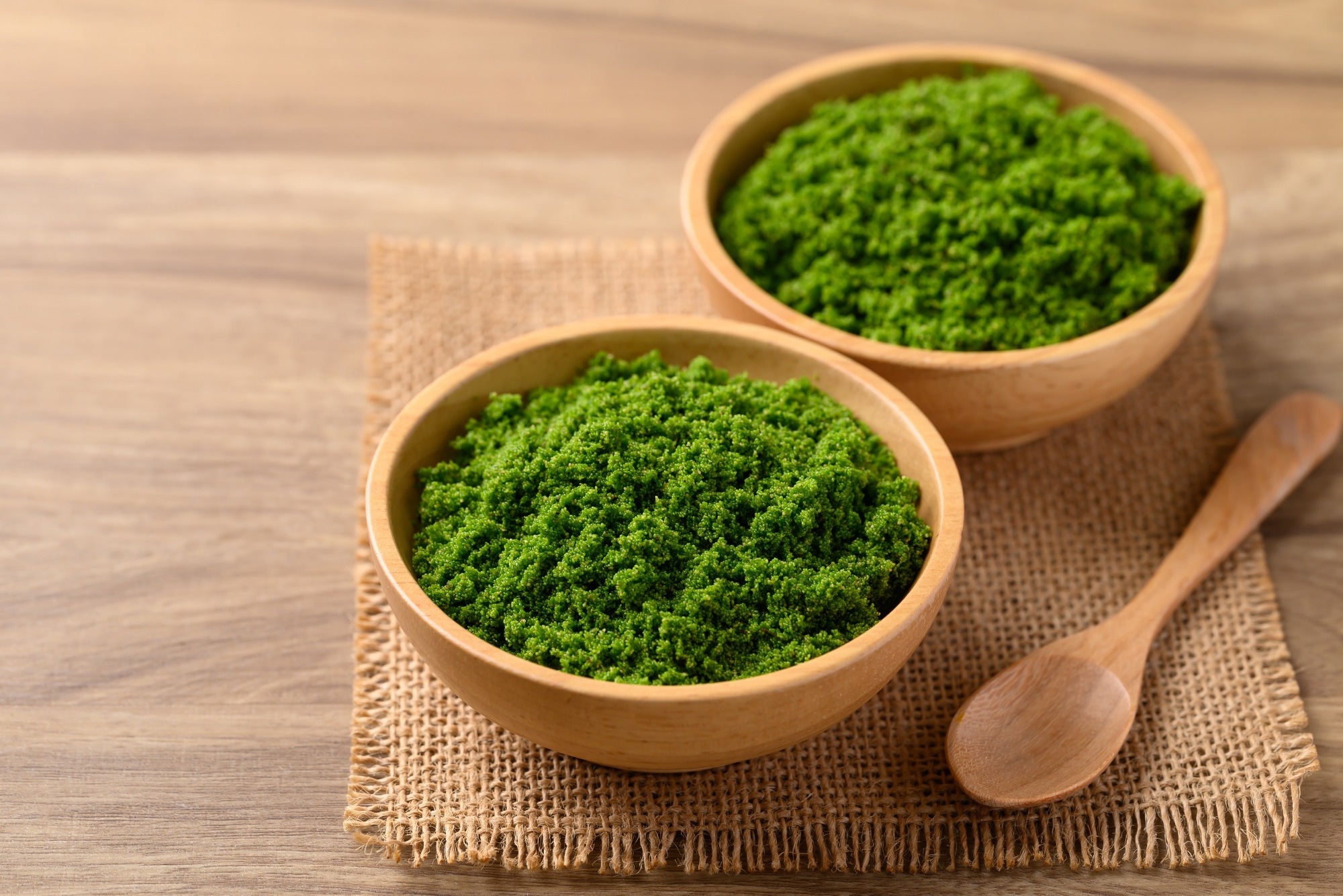 Image Credit: Nungning20 / Shutterstock.com
Where future research is needed
Despite growing evidence supporting the nutritional and metabolic potential of Mankai, most human data have been obtained from medium-term dietary interventions, such as the 18-month Dietary Intervention Randomized Controlled Trial-Polyphenols, Unprocessed (DIRECT-PLUS) trial. Furthermore, much of the clinical evidence to date evaluates Mankai as part of a multi-component dietary pattern (e.g., the green Mediterranean/low-meat diet), making it difficult to attribute effects specifically to Mankai in isolation. Furthermore, few long-term studies have assessed how Mankai affects diabetes, cardiometabolic health, or weight loss as a stand-alone intervention.1
Microbiome-focused research suggests that Mankai may influence glucose and lipid metabolism through host-microbiota interactions. For example, a proof-of-concept in humans found that weight regain after weight loss was more suppressed by autologous fecal microbiota transplantation (aFMT) when donors had been conditioned on a Mediterranean diet that included green tea and Wolffia globosa (Mankai) versus a Mediterranean diet lacking these items; follow-up mouse experiments supported an independent contribution of Mankai to reduced weight regain and improved glucose tolerance during subsequent high-fat feeding. However, causal pathways in humans remain incompletely defined and require longitudinal validation.2
Published studies have used Mankai in different forms, including frozen whole-plant shakes, dried biomass, or in vitro-digested substrates, thus limiting the ability to perform accurate cross-study comparisons. Establishing harmonized intake levels and preparation methods is indicated prior to the translation of Mankai research into reproducible dietary recommendations and clinical applications.
Conclusions
Mankai emerges as a promising aquatic plant food that combines high nutritional quality with potential sustainability advantages. It provides a high proportion of protein on a dry-matter basis and contains authentic vitamin B12 forms without detectable pseudo-B12 in the cited analyses.1 In vitro, human, and animal evidence suggest that Mankai may support glycemic regulation, lipid metabolism, and modulation of gut microbiota when incorporated into broader dietary patterns.2,3
Coupled with its rapid growth and versatility in food applications, Mankai represents a sustainable protein source with meaningful metabolic potential that warrants further long-term clinical investigation, including trials to isolate Mankai’s independent effects and quantify environmental impacts using standardized life-cycle methods.
References
- Sela, I., Meir, A. Y., Brandis, A., et al. (2020). Wolffia globosa–Mankai Plant-Based Protein Contains Bioactive Vitamin B12 and Is Well Absorbed in Humans. Nutrients 12(10). DOI: 10.3390/nu12103067. https://www.mdpi.com/2072-6643/12/10/3067
- Carmody, R. N., Varady, K., & Turnbaugh, P. J. (2024). Digesting the complex metabolic effects of diet on the host and microbiome. Cell 187(15); 3857-3876. DOI: 10.1016/j.cell.2024.06.032. https://www.cell.com/cell/fulltext/S0092-8674(24)00706-2
- Diotallevi, C., Gaudioso, G., Fava, F., et al. (2021). Measuring the effect of Mankai®(Wolffia globosa) on the gut microbiota and its metabolic output using an in vitro colon model. Journal of Functional Foods 84. DOI: 10.1016/j.jff.2021.104597. https://www.sciencedirect.com/science/article/pii/S1756464621002462
Further Reading
Last Updated: Feb 25, 2026
 Scientists explore why black rice deserves a bigger place in modern diets