Introduction
What is duckweed?
Nutritional composition
Functional properties
Health implications
Sustainability and food systems
Research gaps and safety profile
Conclusions
References
Further reading
A fast-growing aquatic plant may offer a high-quality, bioavailable protein alternative, yet its safety profile and mineral variability could determine whether duckweed becomes a future staple or remains a niche innovation.
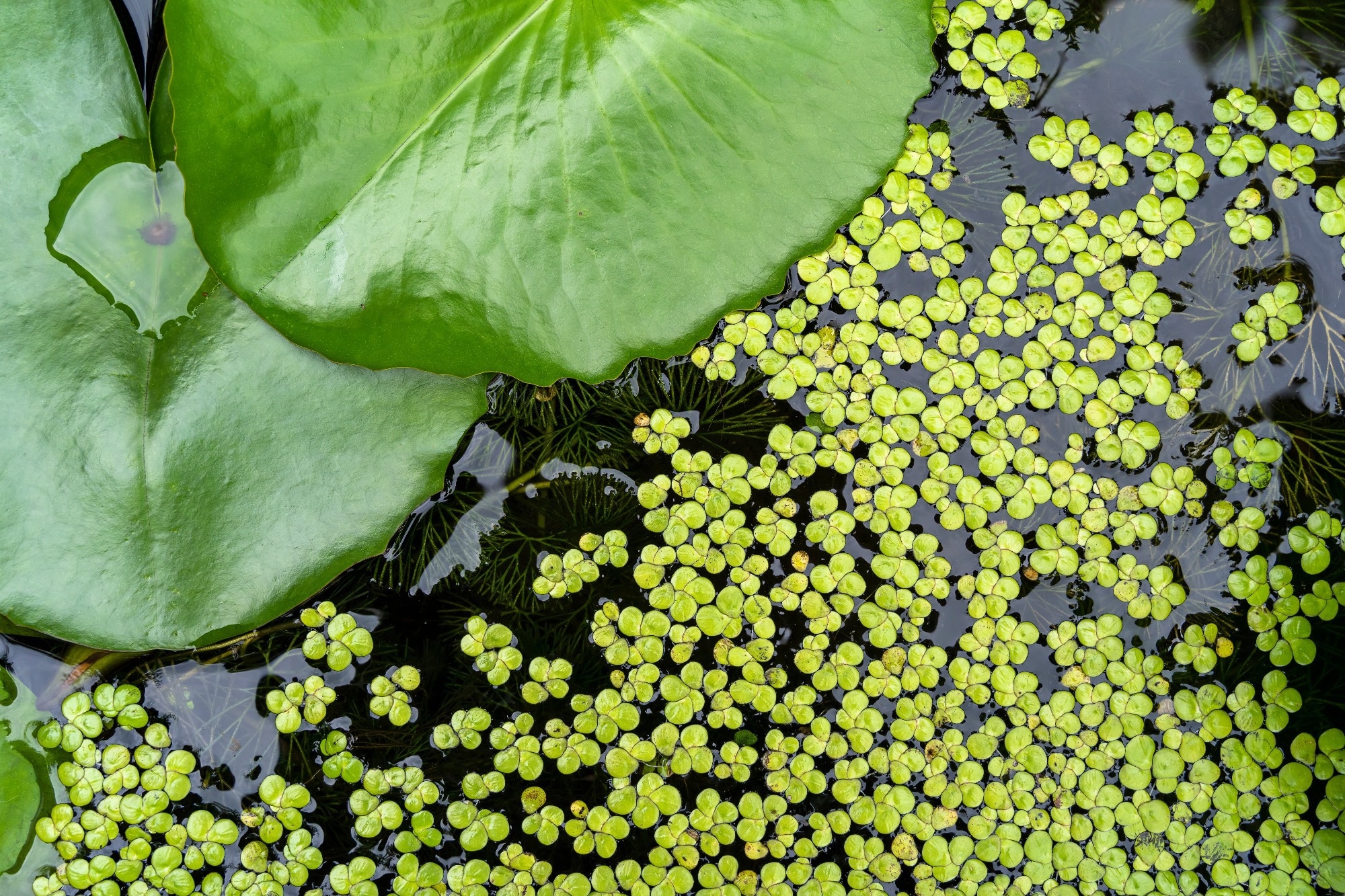 Image Credit: ONGUSHI / Shutterstock.com
Introduction
This article discusses the health potential of duckweed, its biochemical characteristics, clinical evidence, and safety profile. Duckweed (Lemnaceae) is an emerging sustainable plant protein source that provides all essential amino acids, demonstrates short-term human bioavailability, and shows in vitro bioactive potential. However, mineral bioaccumulation risks, regulatory concerns over manganese intake, and limited long-term human data highlight the need for standardized cultivation and further clinical validation.
What is duckweed?
As the global population continues to grow, the demand for sustainable protein has intensified, prompting exploration of aquatic ecosystems as alternative food sources.1
The Lemnaceae family, commonly known as duckweed or water lentils, comprises five genera, Spirodela, Landoltia, Lemna, Wolffiella, and Wolffia, and approximately 36 recognized species worldwide.1
Under optimal conditions, duckweed can double its biomass in approximately 2–3 days.1,4 Reported protein content ranges between approximately 20–45% of dry weight depending on species and cultivation conditions, with lower values also reported under suboptimal nutrient availability1,6,7. Annual dry matter yields of up to approximately 30–40 tons per hectare have been described in intensive pilot and controlled systems; however, standardized large-scale agronomic comparisons remain limited.1,7 Protein productivity per unit land area may exceed soybean under optimized systems; however, comparative estimates depend strongly on cultivation parameters and system design, and direct field-equivalent comparisons are not yet comprehensively validated.1,7
Duckweed can be cultivated in controlled hydroponic systems and wastewater streams, contributing to nutrient recycling and biomass valorization.6,7
What is Duckweed?
Nutritional composition
The dominant protein in duckweed is ribulose-1,5-bisphosphate carboxylase/oxygenase (RuBisCO), accounting for approximately 40–50% of total protein.6 Duckweed provides all essential amino acids and has been reported to meet FAO amino acid reference patterns for human nutrition, based primarily on compositional analyses rather than standardized DIAAS trials.1,2
Protein content varies significantly across species and growth conditions; for example, Lemna minor and Wolffia globosa have been reported within the 30–45% dry weight range under optimized cultivation, though values below 30% have also been documented.1,6,7
In a randomized controlled trial, consumption of 30 g protein from Wolffia globosa (Mankai strain) significantly increased circulating essential amino acids postprandially, with responses comparable to cheese and peas for most EAAs.2 Branched-chain amino acids increased significantly from baseline, although increases were greater following cheese consumption, reflecting differences in amino acid kinetics rather than necessarily overall protein quality superiority.2
The same RCT demonstrated that Mankai significantly increased serum vitamin B12 concentrations compared with cheese and peas, confirming bioavailability; however, the trial duration was short and does not establish long-term B12 status maintenance.2
Duckweed contains iron, zinc, carotenoids, polyphenols, and dietary fiber.1,4,7 However, mineral composition is highly dependent on cultivation medium due to the plant’s strong bioaccumulation capacity, and concentrations of trace elements can vary substantially between production batches.8
Functional properties
Human data indicate protein digestibility of approximately 89%, as reported in review literature synthesizing available experimental data.3 It should be noted that the cited RCT measured postprandial amino acid responses rather than true ileal digestibility coefficients.
Processing methods including ultrasound-assisted alkaline extraction, high-pressure processing, and pulsed electric field treatment enhance protein yield, solubility, emulsification, and foaming properties, though scalability and cost-efficiency at industrial level require further validation.6
Cell wall rupture techniques (boiling, freeze–thawing, mechanical crushing) significantly affect protein retention and antioxidant activity.4 Freeze–thawing preserved higher protein levels in residues, while boiling increased phenolic content and antioxidant activity in filtrates, demonstrating that processing method materially alters nutritional and functional profiles.4
Bioactive peptides derived from duckweed protein extracts demonstrate antioxidant and anti-inflammatory activity in vitro; however, these findings are based on cellular assays and cannot be directly extrapolated to clinical efficacy without human intervention trials.5,6
Protein quality metrics suggest moderate-to-high quality plant protein, but standardized Digestible Indispensable Amino Acid Score (DIAAS) measurements specific to duckweed strains remain limited in the current literature.2,6
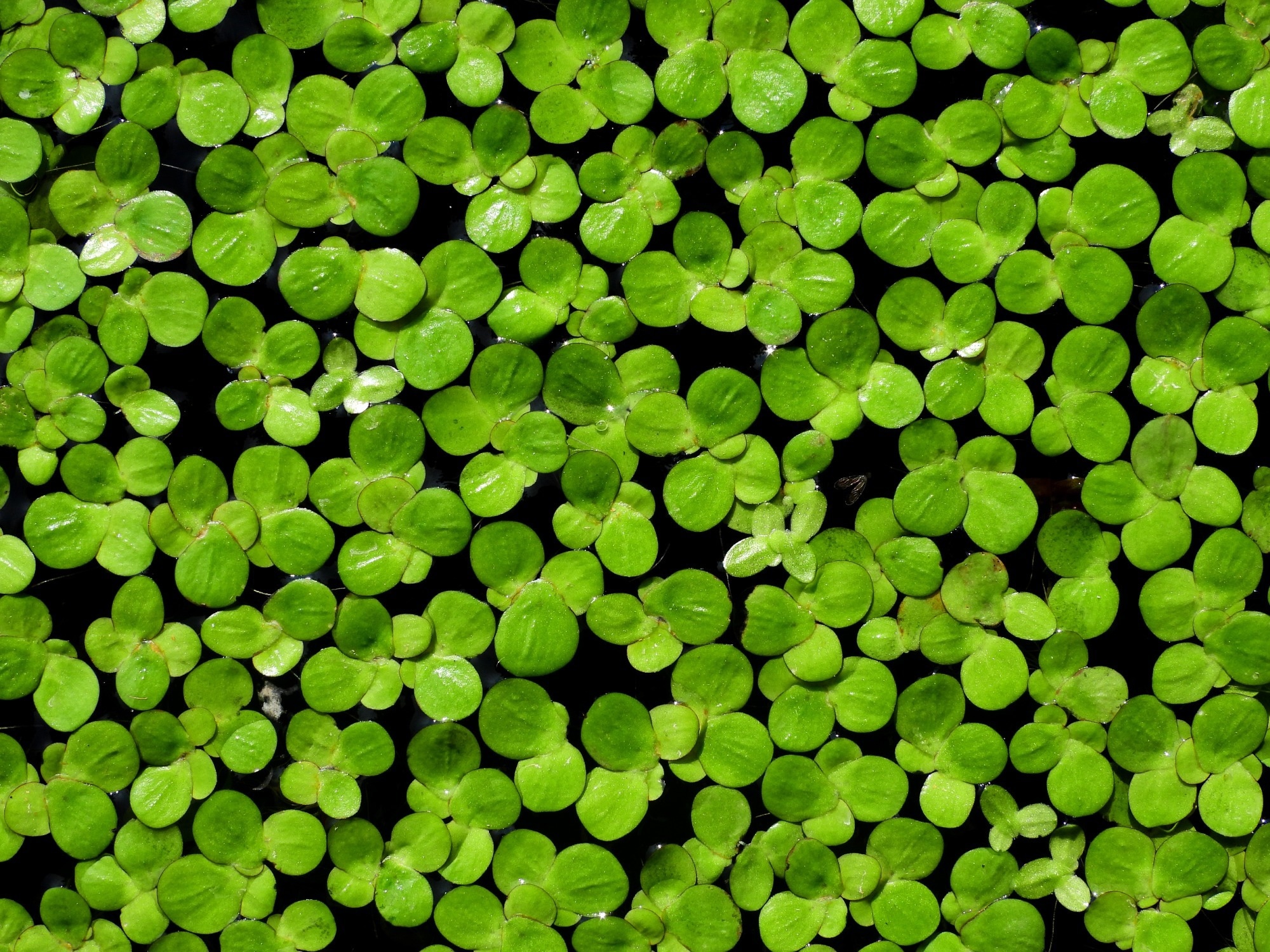 Image Credit: komkrit Preechachanwate / Shutterstock.com
Health implications
Controlled human trials demonstrate that postprandial essential amino acid responses to Mankai are comparable to conventional protein sources over short-term assessment periods.2
In vitro studies show that W. globosa protein extracts reduce IL-1β and IL-6 production and downregulate NF-κB signaling pathways, indicating mechanistic anti-inflammatory potential at the cellular level.5
Antioxidant capacity correlates with phenolic content and is influenced by processing methods, reinforcing the importance of production protocol in determining functional outcomes.4,5
Sustainability and food systems
Duckweed cultivation supports nutrient recycling, wastewater remediation, and reduced land competition.6,7 Integration into circular food systems may improve sustainability relative to livestock-derived protein, although comprehensive life-cycle assessment data directly comparing duckweed to established protein systems remain limited.6,7
Challenges remain in scaling production, sensory optimization, and regulatory compliance, particularly regarding mineral standardization and batch consistency.3,6
Research gaps and safety profile
The EFSA Panel concluded that increased manganese intake from water lentil powder may pose a safety concern under proposed use levels, and therefore the safety of the novel food could not be established.8 The Panel specifically highlighted that manganese exposure from certain proposed uses could substantially increase total dietary intake beyond typical background levels.8
The Panel also noted potential allergenicity due to protein content and emphasized that trace element concentrations depend strongly on cultivation conditions, necessitating strict production controls and monitoring.8
Further long-term human trials are required to assess chronic safety, sustained micronutrient effects, and metabolic outcomes, as current human evidence is limited to short-duration interventions.2,8
Conclusions
Duckweed represents a promising sustainable plant protein with favorable amino acid composition and demonstrated short-term human bioavailability. Nevertheless, mineral accumulation risks, regulatory scrutiny, limited long-term safety data, and variability across species and production systems remain important considerations for broader dietary integration.2,5,8
References
- Xu, J., Shen, Y., Zheng, Y., et al. (2021). Duckweed (Lemnaceae) for potentially nutritious human food: A review. Food Reviews International 39(7); 3620-3634. DOI: 10.1080/87559129.2021.2012800. https://www.grains.k-state.edu/ccl/files/publication_pdf/2022_Food%20Res%20Int._Xu_Duckweed.pdf
- Kaplan, A., Zelicha, H., Tsaban, G., et al. (2019). Protein bioavailability of Wolffia globosa duckweed, a novel aquatic plant – A randomized controlled trial. Clinical Nutrition 38(6); 2576-2582. DOI: 10.1016/j.clnu.2018.12.009. https://www.clinicalnutritionjournal.com/article/S0261-5614(18)32577-9/abstract
- Zięć, G., Michalski, O., Konieczna-Molenda, A., et al. (2025). Nutritional Value, Health Properties, Safety Considerations, and Consumer Acceptance of Lemnoideae as Human Food. Nutrients 17(18); 3026. DOI: 10.3390/nu17183026. https://www.mdpi.com/2072-6643/17/18/3026
- Yadav, N. K., Patel, A. B., Debbarma, S., et al. (2024). Characterization of Bioactive Metabolites and Antioxidant Activities in Solid and Liquid Fractions of Fresh Duckweed (Wolffia globosa) Subjected to Different Cell Wall Rupture Methods. ACS Omega 9(18); 19940-19955. DOI: 10.1021/acsomega.3c09674. https://pubs.acs.org/doi/10.1021/acsomega.3c09674
- Khonkarn, R., Daowtak, K., Kraseasintra, O., et al. (2025). Bioactive Potential of Protein Extracts Derived from Dried Wolffia globosa on In Vitro Antioxidant Activities and Pro-Inflammatory Cytokine Production. Molecules 30(20); 4092. DOI: 10.3390/molecules30204092. https://www.mdpi.com/1420-3049/30/20/4092
- Habeeb, F., Majid, D., Makroo, H. A., et al. (2025). Duckweed as a sustainable protein source: extraction methods, functional properties, and applications in food systems. Food Chemistry 493. DOI: 10.1016/j.foodchem.2025.145854. https://www.sciencedirect.com/science/article/abs/pii/S030881462503105X
- Song, Y., Hu, Z., Liu, S., et al. (2025). Utilization of Microalgae and Duckweed as Sustainable Protein Sources for Food and Feed: Nutritional Potential and Functional Applications. Journal of Agricultural and Food Chemistry 73(8); 4466-4482. DOI: 10.1021/acs.jafc.4c11610. https://pubs.acs.org/doi/10.1021/acs.jafc.4c11610
- EFSA Panel on Nutrition, Novel Foods and Food Allergens (NDA), Turck, D., et al. (2021). Safety of water lentil powder from Lemnaceae as a Novel Food pursuant to Regulation (EU) 2015/2283 [JB]. EFSA Journal 19(11). DOI: 10.2903/j.efsa.2021.6845. https://efsa.onlinelibrary.wiley.com/doi/full/10.2903/j.efsa.2021.6845
Further Reading
Last Updated: Feb 24, 2026
 What makes truffles more than a delicacy? They’re packed with bioactive compounds