Introduction
Metabolic adaptations to weight loss
Hormonal drivers of appetite and energy balance
Neurobiological and central regulation
Adipose tissue biology and memory
Set-point and energy homeostasis theories
Gut hormones and microbiome
Implications for weight management
References
Further reading
After weight loss, the body activates powerful metabolic, hormonal, and neurological defenses that push weight back toward its previous state, revealing why sustainable weight management requires more than willpower alone.
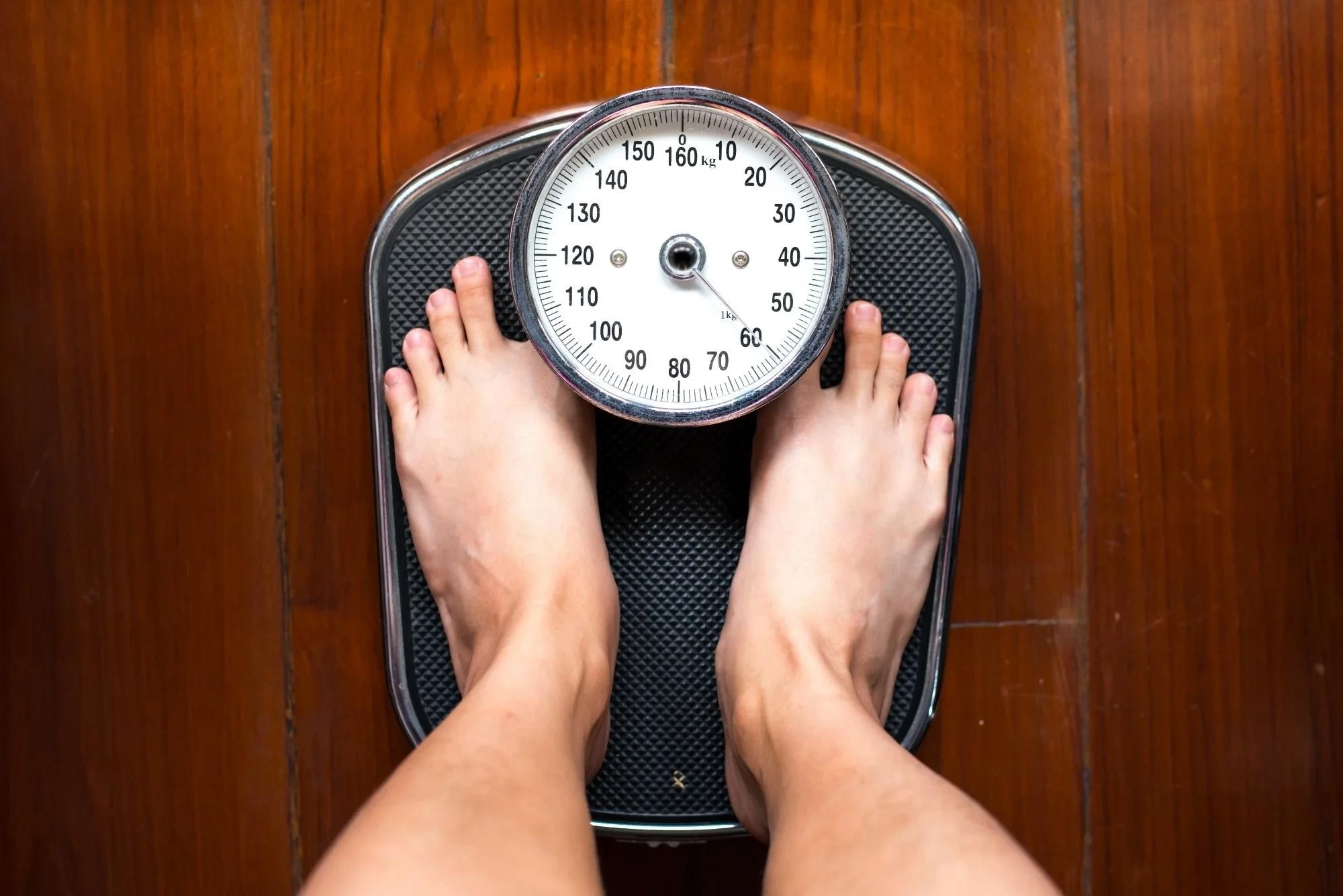
Image Credit: GotKom / Shutterstock.com
Introduction
Growing evidence suggests that when an individual loses weight, the body activates several counter-regulatory mechanisms designed to restore lost mass. This article discusses the various biological mechanisms that contribute to weight retention while underscoring obesity as a chronic and relapsing disease that requires lifelong management. These mechanisms involve coordinated changes in metabolism, appetite-regulating hormones, neural reward circuits, adipose tissue biology, and gut–microbiome signaling pathways that may collectively promote weight regain following weight loss.
Obesity is defined by the World Health Organization (WHO) as excessive and unwanted fat accumulation characterized by a body mass index (BMI) value exceeding 30 kg/m². Obesity is increasingly recognized by the scientific community as a complex, chronic, and relapsing disease.1
Although therapeutic and surgical interventions can induce significant weight loss, maintaining this reduced weight in the long term remains an elusive challenge. Long-term observational studies indicate that many individuals regain a substantial proportion of lost weight over time, reflecting persistent physiological and behavioral pressures to restore body energy stores.1
This phenomenon, which is clinically referred to as weight recidivism, is likely due to metabolic adaptation, during which the body actively resists the weight-reduced state through counter-regulatory mechanisms in the adipose tissue, gut, and central nervous system.2
Metabolic adaptation is characterized by a post-weight-loss reduction in resting metabolic rate (RMR) and total daily energy expenditure (TDEE) that exceeds what would be predicted solely by the loss of metabolically active tissue. This process is often described as “adaptive thermogenesis,” reflecting physiological adjustments that conserve energy during periods of caloric restriction.1
The ‘energy gap’ hypothesis
The energy gap is defined as the discrepancy between hunger and physiological energy requirements that follow weight loss. Following weight reduction, appetite-related signals often increase while energy expenditure decreases, creating a mismatch that can favor gradual weight regain.1,2
Recent studies have shown that an individual who has lost weight requires significantly fewer calories to maintain energy balance than a never-obese counterpart. However, the weight-reduced individual often experiences a biologically amplified hunger drive, leading to increased caloric intake.1
Resting metabolic rate (RMR) and efficiency
RMR accounts for 60-75% of TDEE, and recent studies consistently report a disproportionate suppression of thermogenesis relative to tissue loss. In extreme cases, such as in participants of ‘The Biggest Loser’ competition, metabolic adaptation can persist for six years or more, with RMR remaining approximately 700 kcal/day lower than baseline levels, even after weight regain.3
Follow-up analysis of this cohort also demonstrated that resting metabolic rate remained substantially lower than predicted based on body composition, illustrating the persistence of adaptive thermogenesis after large weight losses.
Evolutionary studies across mammalian models suggest that increased RMR efficiency is likely an evolutionary mechanism to combat starvation in the wild. Specifically, mitochondrial efficiency increases, producing more ATP with less heat waste, thereby protecting long-term energy stores.1
Why Your Body Fights Weight Loss | Katherine Saunders | TED
Hormonal drivers of appetite and energy balance
Significant weight loss induces a starvation response characterized by profound and persistent shifts in circulating appetite-regulating hormones that actively promote regain.1,4 These hormonal adaptations may persist for extended periods following weight loss and create a chronic physiological pressure to eat.4
The leptin and ghrelin axis
The concentration of leptin, a hormone involved in signalling energy sufficiency, disproportionately declines during weight loss, often reaching near-depletion levels that the hypothalamus recognizes as a critical survival threat.1,2,4
Lower circulating leptin levels induce a physiological cascade that suppresses thyroid function and upregulates orexigenic signals.2 Simultaneously, ghrelin levels have been shown in clinical studies to remain elevated for months and potentially longer following weight loss, which may contribute to sustained hunger.4
Gut satiety peptides
Hormones like peptide YY (PYY), cholecystokinin (CCK), and glucagon-like peptide-1 (GLP-1) are significantly suppressed following weight loss, which further interferes with weight maintenance.2,4 This hormonal milieu increases meal size and frequency, while simultaneously supporting a preference for energy-dense foods in some individuals to restore depleted fat stores.2
Neurobiological and central regulation
Functional magnetic resonance imaging (MRI) studies have revealed that sudden weight loss alters the brain's response to food cues, potentially increasing the relative influence of hedonic reward pathways over purely homeostatic regulation.5
Among post-obese individuals, increased neural activation in regions associated with reward and salience, such as the insula and striatum, has been observed following exposure to high-calorie foods.5 These patterns suggest enhanced neural responsiveness to food stimuli that may increase susceptibility to overeating.
This heightened reward sensitivity is often accompanied by reduced prefrontal cortex activation, the area responsible for impulse control.5 Synaptic plasticity in the hypothalamus also may contribute to amplified hunger signals while suppressing satiety signals.2
Adipose tissue biology and memory
Recent research has identified obesogenic memory within adipose cells and tissue. Even after significant weight loss, adipocytes may retain specific epigenetic markers and chromatin structures that keep the cells primed for metabolic responses to environmental changes.6
Cellular mechanisms of regain
Retained epigenetic markers, particularly in genes associated with lipid uptake and inflammation, remain accessible for transcription. Upon re-exposure to a high-calorie environment, these adipocytes may activate lipid-storage pathways more readily than adipocytes that have never been exposed to obesity.6
Immune cells, such as CD4+ T cells, within adipose tissue may also retain a memory of obesity by secreting factors that suppress energy expenditure and promote storage.2
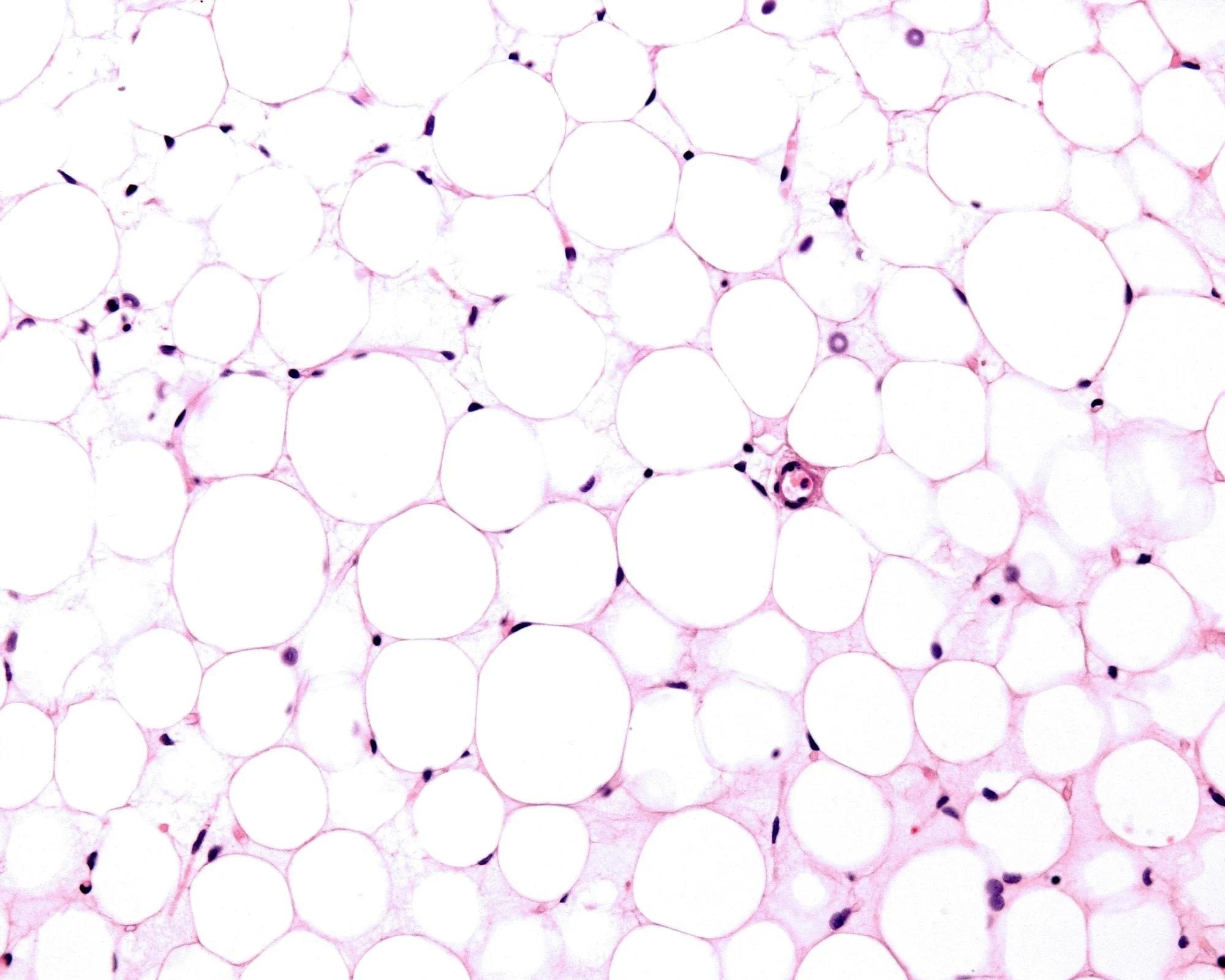
Image Credit: Jose Luis Calvo / Shutterstock.com
Set-point and energy homeostasis theories
The long-term persistence of metabolic biological adaptations is considered support for the set-point theory, which posits that body weight is regulated around a biologically protected range.1,2
According to this framework, neuroendocrine feedback systems detect deviations from this defended weight range and initiate compensatory responses, such as increased hunger and reduced energy expenditure, to restore energy balance.
This defence is asymmetric, with physiological feedback mechanisms aggressively resisting weight loss below the set point by increasing hunger and reducing metabolism. In contrast, mechanisms defending against weight gain are thought to be comparatively weaker, suggesting a potential evolutionary adaptation to protect individuals against starvation.1
Gut hormones and microbiome
Microbial communities within the gastrointestinal tract act as a metabolic organ that can influence energy harvest and metabolic signaling.2,7
Notably, individual variability in gut microbiota community composition has been found to modulate patient-specific susceptibility to weight retention.7
Following weight loss, an ‘obese-type’ microbiome composition has been hypothesized to persist in some studies, which may contribute to increased energy harvesting and fat storage.2
However, emerging interventions such as autologous fecal microbiota transplantation (FMT) using stool collected during weight loss have shown preliminary evidence of attenuating weight regain in certain dietary contexts, particularly when combined with specific dietary protocols, such as the Mediterranean diet.7
Implications for weight management
The convergence of metabolic, hormonal, and cellular mechanisms underlying weight retention necessitates a shift toward chronic care models. Emerging research suggests that a state of high energy flux, characterized by high energy expenditure matched by high intake, may help maintain RMR and satiety.1
Furthermore, the data on pharmacotherapy withdrawal, particularly regarding the cessation of GLP-1 receptor agonists, supports the view that obesity may require long-term treatment rather than acute episodic care.8
Specifically, a systematic review revealed that the rate of weight regain after stopping weight-management medications averages approximately 0.4 kg per month, which is faster than the regain typically observed after behavioral interventions alone.8
Cardiometabolic benefits, such as reduced blood pressure, may also gradually diminish as weight is regained, thereby affecting overall metabolic health.9
References
- Melby, C., Paris, H., Foright, R., & Peth, J. (2017). Attenuating the Biologic Drive for Weight Regain Following Weight Loss: Must What Goes Down Always Go Back Up? Nutrients 9(5); 468. DOI: 10.3390/nu9050468. https://www.mdpi.com/2072-6643/9/5/468
- van Baak, M. A., & Mariman, E. C. M. (2025). Physiology of Weight Regain after Weight Loss: Latest Insights. Current Obesity Reports 14(1). DOI: 10.1007/s13679-025-00619-x. https://link.springer.com/article/10.1007/s13679-025-00619-x
- Fothergill, E., Guo, J., Howard, L., et al. (2016). Persistent metabolic adaptation 6 years after "The Biggest Loser" competition. Obesity 24(8); 1612-1619. DOI: 10.1002/oby.21538. https://onlinelibrary.wiley.com/doi/10.1002/oby.21538
- Sumithran, P., Prendergast, L. A., Delbridge, E., et al. (2011). Long-Term Persistence of Hormonal Adaptations to Weight Loss. New England Journal of Medicine 365(17); 1597-1604. DOI: 10.1056/nejmoa1105816. https://www.nejm.org/doi/full/10.1056/NEJMoa1105816
- Pursey, K. M., Stanwell, P., Callister, R. J., et al. (2014). Neural Responses to Visual Food Cues According to Weight Status: A Systematic Review of Functional Magnetic Resonance Imaging Studies. Frontiers in Nutrition 1. DOI: 10.3389/fnut.2014.00007. https://www.frontiersin.org/journals/nutrition/articles/10.3389/fnut.2014.00007/full
- Hinte, L. C., Castellano-Castillo, D., Ghosh, A., et al. (2024). Adipose tissue retains an epigenetic memory of obesity after weight loss. Nature 636(8042); 457-465. DOI: 10.1038/s41586-024-08165-7. https://www.nature.com/articles/s41586-024-08165-7
- Rinott, E., Youngster, I., Meir, A. Y., et al. (2021). Effects of Diet-Modulated Autologous Fecal Microbiota Transplantation on Weight Regain. Gastroenterology, 160(1), 158-173.e10. DOI: 10.1053/j.gastro.2020.08.041. https://www.sciencedirect.com/science/article/pii/S0016508520351118
- West, S., Scragg, J., Aveyard, P., et al. (2026). Weight regain after cessation of medication for weight management: systematic review and meta-analysis. BMJ, 392, e085304. DOI: 10.1136/bmj-2025-085304. https://www.bmj.com/content/392/bmj-2025-085304
- Aronne, L. J., Sattar, N., Horn, D. B., et al. (2024). Continued Treatment With Tirzepatide for Maintenance of Weight Reduction in Adults With Obesity. JAMA 331(1); 38. DOI: 10.1001/jama.2023.24945. https://jamanetwork.com/journals/jama/fullarticle/2812936#249419925
Further Reading
Last Updated: Mar 3, 2026