From blood sugar control to immune and gut effects, camel milk is drawing scientific interest as a functional food, but this review says any promise must be weighed against the real safety risks of drinking it raw.
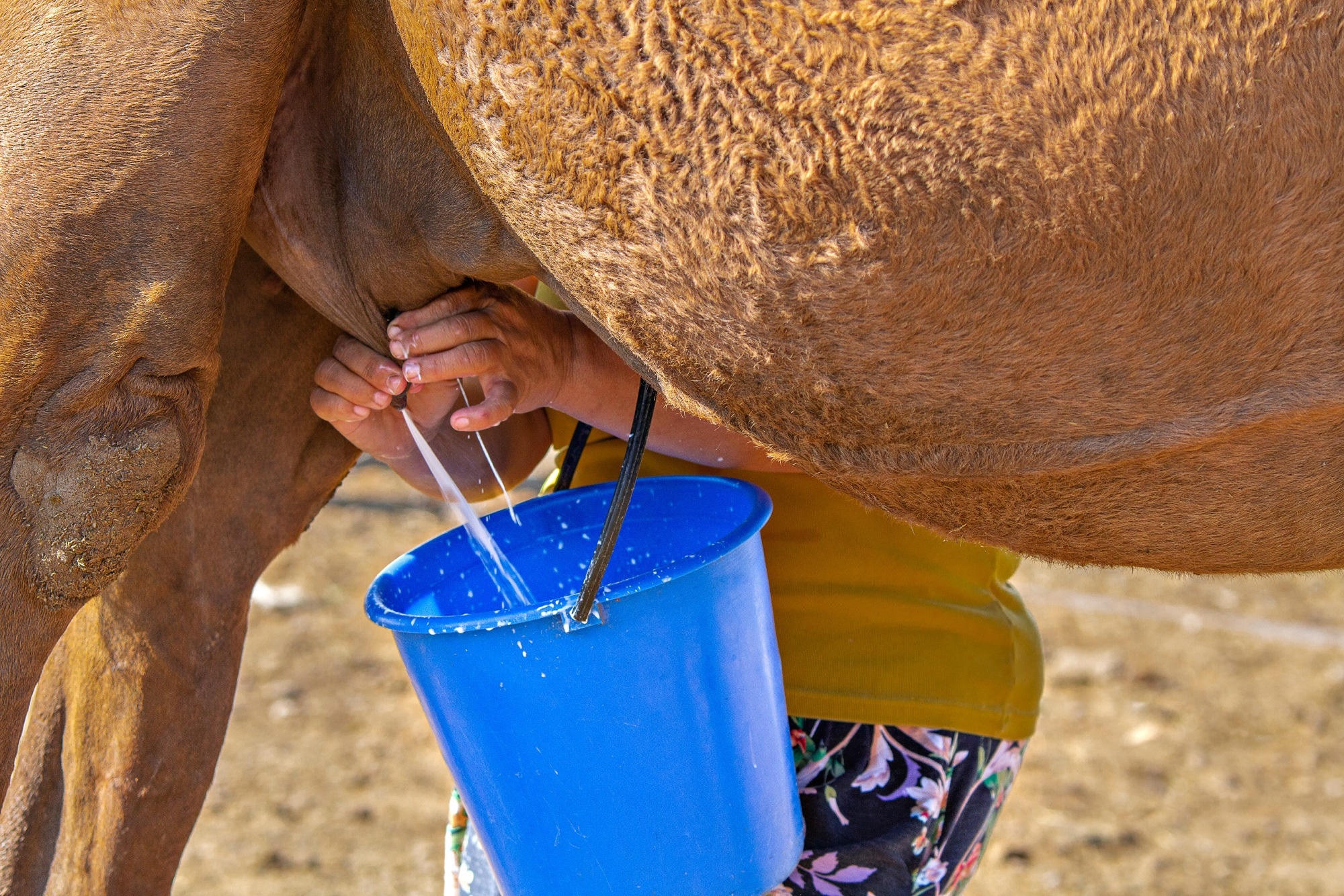
Review: Camel Milk as a Functional Food: Nutritional Composition, Health-Promoting Benefits, and Safety Considerations. Image Credit: MehmetO / Shutterstock
In a recent comprehensive review published in the journal Food Science & Nutrition, researchers synthesized published studies from 2000 to 2025 investigating the therapeutic potential of camel milk.
It highlights modern research investigating camel milk’s nutritional profile, rich in insulin-like proteins, protective exosomes, and antibodies, and links this unique biochemistry to reported clinical improvements in chronic metabolic (T2D) and neurodevelopmental conditions.
However, the review cautions that while scientific evidence supporting the inclusion of camel milk as a functional food is growing, consuming this "white gold" in its raw, unpasteurized form poses a hidden risk of zoonotic diseases.
Traditional Uses and Emerging Scientific Evidence
While popular Western accounts often underscore the importance of camels for transport, particularly in the arid regions of Africa and Asia, traditional folklore-based records highlight that these animals have been equally valued for their milk, which has served as both a primary nutrient source and a traditional remedy for ailments ranging from tuberculosis to skin infections.
A review of the literature reveals that until recently, these nutritional and medicinal accounts have primarily remained anecdotal. However, a growing body of scientific evidence is investigating the potential benefits of camel milk as a functional food.
For example, studies have shown that standard cow's milk is rich in A1 β-casein and β-lactoglobulin, both of which have been previously linked to dairy allergies and digestive discomfort in humans. In contrast, biochemical investigations of camel milk have suggested a lower allergenic potential and a distinct protein profile, making it a potentially hypoallergenic alternative to its more popular bovine counterpart.
Recent research further indicates that camel milk is significantly less thermolabile, and consequently longer-lasting, than cow’s milk. When stored at 2 °C, camel milk has been observed to maintain quality for up to 12 days, versus 48 hours for cow's milk. However, these studies are often highly specific, necessitating a consolidated evaluation of the benefits of camel milk and its potential as a resilient functional food.
Comprehensive Review Scope and Methodology
The present comprehensive review aims to address this need by conducting a narrative review of existing scientific literature on camel milk’s nutritional and medicinal properties. Study data, including peer-reviewed publications from 2000 to 2025, were obtained from several major scientific databases, including PubMed and Google Scholar.
The included publications comprised: 1. randomized controlled trials (RCT) involving the milk’s impacts on patients with T2D, autistic children, and individuals with clinically confirmed respiratory conditions such as asthma, 2. murine-based preclinical investigations of camel milk’s physiological impacts, and 3. in vitro cell line studies investigating the effects of camel milk on tumor growth in cancer models.
The review addressed broad questions related to camel milk’s medicinal, physiological, and nutritional properties, its bioactive components, its role in disease prevention and therapeutic management, and its safety considerations, including zoonotic risks associated with raw milk consumption.
Metabolic Health Benefits in Type 2 Diabetes
The narrative review suggested that camel milk may offer nutritional and therapeutic advantages over conventional bovine milk in some contexts. When investigating the former’s metabolic health benefits, an RCT found that T2D patients who consumed 500 mL of raw camel milk daily for 3 months showed a statistically significant reduction in fasting blood glucose from 9.89 mmol/L to 6.13 mmol/L. Furthermore, the study reported a 30% reduction in the sample cohort’s HbA1c levels, from 9.44% to 6.61%.
Neurodevelopmental and Anti-Inflammatory Effects
Neurodevelopmental investigations revealed that regular consumption of camel milk significantly improved social interaction and language skills in children with autism, benefits that were associated with proposed antioxidant and anti-inflammatory mechanisms, including reductions in tumor necrosis factor-alpha (TNF-α).
Antimicrobial Properties and Respiratory Benefits
Furthermore, nutriomics studies found that camel milk contains lactoferrin at 95 to 250 mg/dL, an iron-binding protein previously associated with reduced harmful bacterial loads, including Salmonella species.
Camel milk was also associated with improved respiratory health in children with asthma aged>6 years; n = 60. Specifically, children on a camel milk diet (200 mL daily for 2 months) reportedly used fewer inhaled corticosteroids and rescue inhalers than their placebo-fed counterparts.
Finally, in vivo murine model investigations demonstrated that fermented camel milk pretreatment significantly attenuated cardiac toxicity markers, such as troponin I, induced by chemical stressors.
Raw Camel Milk Safety and Zoonotic Risks
The present review posits that camel milk is an underappreciated functional food with potential immune and glycemic benefits. However, it cautions against the consumption of raw milk, with one included publication finding that 43% of samples tested positive for Salmonella spp., of which 31% were confirmed as Salmonella enterica, and other studies linking raw consumption to outbreaks of Brucella melitensis (brucellosis).
Future Research Needs and Clinical Limitations
It concludes that while camel milk may serve as a useful alternative to cow’s milk in some settings, pasteurization is essential to ensure its safety in humans. Future research should aim to leverage larger, standardized human trials to determine precise dosages before camel milk can be more confidently integrated into modern medical practice.
The review also notes that the evidence base is heterogeneous, including clinical, preclinical, and in vitro studies, which limits the confidence with which some findings can be generalized to humans.
Journal reference:
- Bereda, G., Uthirapathy, S., & Ahamad, J. (2026). Camel Milk as a Functional Food: Nutritional Composition, Health‐Promoting Benefits, and Safety Considerations. Food Science & Nutrition, 14(3). DOI – 10.1002/fsn3.71638, https://onlinelibrary.wiley.com/doi/10.1002/fsn3.71638
 Study finds no causal link between prenatal paracetamol and neurodevelopmental disorders