People with long COVID showed slower oxygen responses during exercise, with obesity linked to further delays in muscle oxygenation, offering new clues to why physical activity can remain challenging months after infection.
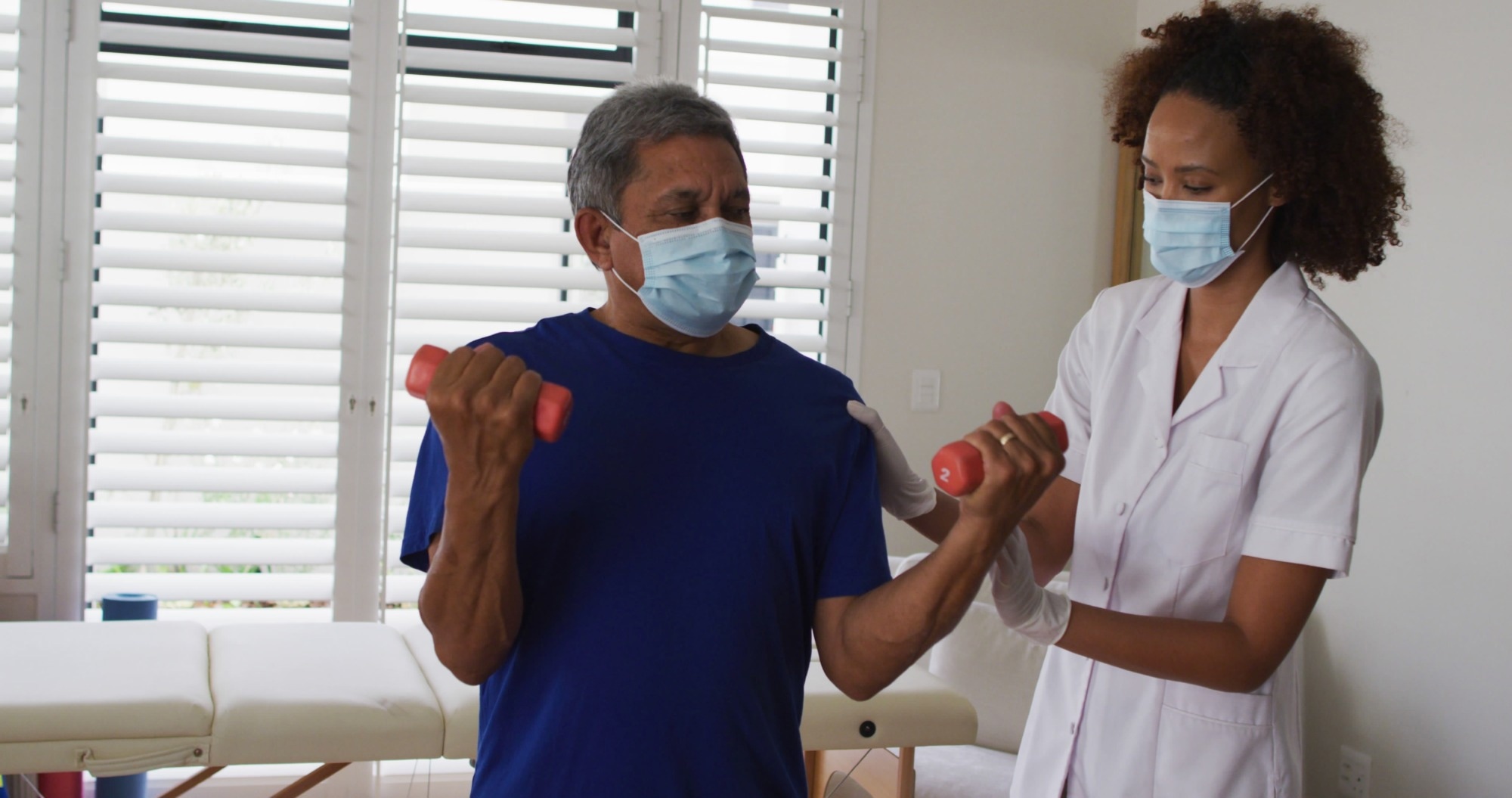 Study: Obesity and prolonged recovery: Assessing exercise-related oxygen and cardiovascular kinetics in post-acute COVID-19, a control study in adults. Image credit: wavebreakmedia/Shutterstock.com
Long COVID is estimated to affect around 200 million people worldwide, leaving many struggling with persistent symptoms, including fatigue and exercise intolerance. Yet the mechanisms behind these lasting effects of SARS-CoV-2 infection remain poorly understood. Now, a new study published in Physiological Reports suggests that obesity may be linked to slower muscle oxygenation responses during exercise in people with long COVID, offering new clues to why physical activity remains challenging long after the initial infection.
How impaired muscle oxygen use may affect COVID recovery
Post-acute sequelae of SARS-CoV-2 infection (PASC), commonly known as long COVID, can leave people experiencing persistent symptoms long after their initial infection. Earlier studies have reported prevalence rates ranging from 32% to 87%, although estimates vary considerably across populations. Under the World Health Organization (WHO) definition, the condition involves symptoms that typically begin within three months of infection, persist for at least two months, and cannot be explained by another diagnosis.
These symptoms can include breathlessness, chest pain, headaches, cognitive difficulties and palpitations, but fatigue, muscle weakness and exercise intolerance are among the most debilitating, often significantly affecting daily activities and quality of life. Although the reasons for these lasting effects remain unclear, emerging evidence suggests that exercise intolerance may be linked not only to heart and lung function but also to how efficiently skeletal muscles receive and use oxygen.
Obesity may further complicate this process. Previous research has linked excess body weight to a greater likelihood of persistent COVID-19 symptoms, while studies detecting SARS-CoV-2 in adipose tissue, including fat surrounding the heart in fatal cases, have raised questions about the potential role of body fat in prolonged illness.
One way to investigate these connections is by examining oxygen kinetics, which describe how quickly oxygen uptake (VO2) and muscle oxygenation adjust when exercise begins. Researchers assess these changes using measures such as mean response time (MRT), which reflects the speed of the physiological response. Slower oxygen uptake responses have previously been associated with poorer outcomes in conditions such as heart failure and peripheral arterial disease, making them a potentially useful indicator of exercise-related impairment in long COVID.
Exercise tests reveal how muscles respond to oxygen demands
This observational case-control study from the University of Brasília was conducted between June 2021 and June 2024 and reported under STROBE guidelines. Thirty adults with long COVID were compared with ten controls matched for age and sex. Controls had previously tested positive for SARS-CoV-2 but had not developed long COVID. All ten reported being asymptomatic during their initial infection.
The mean age in the long COVID group was 52.7 years, and 57% were male. They were assessed an average of approximately 115 days after diagnosis, with an average hospital stay of 22 days, and all had received at least two vaccine doses. The most common comorbidities were hypertension (70%), obesity (43%), and diabetes (20%).
Each participant completed two tests on a cycle ergometer: a ramp-incremental test to establish peak values, and a constant-work-rate test to the limit of tolerance. During the constant-load test, the investigators measured oxygen consumption (VO2) breath-by-breath, heart rate using a 12-lead electrocardiogram (ECG), and oxy- and deoxyhemoglobin/myoglobin ([Hb/Mb]) in the vastus lateralis muscle of the right thigh, using near-infrared spectroscopy (NIRS).
Probe placement was guided by ultrasound, including only participants with subcutaneous fat under 2 cm. Responses were fitted with a mono-exponential model to derive the time constant (τ) and MRT.
Long COVID patients show slower oxygen responses during exercise
Compared to the long COVID group, controls reached higher peak power (126.8 vs 74.1 W) and higher peak VO2 at the limit of tolerance.
During constant-load exercise, the long COVID group generally showed slower physiological responses than controls, with prolonged mean response times for muscle oxygenation, heart rate, and oxygen uptake. However, the difference in oxyhemoglobin MRT was borderline statistically significant. Oxyhemoglobin MRT was 155 vs 112 s, and deoxyhemoglobin MRT was 165 vs 114 s.
Heart rate MRT was 136 vs 88 s, and heart rate τ was 92.5 vs 65.8 s. VO2 MRT was 100 vs 74 s. Heart rate was the only measure showing a statistically significant difference in its time constant; the τ values for oxyhemoglobin, deoxyhemoglobin, and VO2 did not differ significantly.
The authors note that the approximately 30% increase in MRT is similar to that seen in chronic heart failure and peripheral arterial disease.
Obesity linked to slower muscle oxygenation in long COVID
Within the long COVID group, BMI was moderately correlated with oxyhemoglobin τ and MRT. Participants with obesity showed significantly slower oxyhemoglobin responses than those without obesity, both in τ and MRT. VO2 responses were also slower, although the difference in VO2 MRT was borderline statistically significant.
In multivariable regression adjusted for sex, hypertension, and acute COVID severity, obesity was the only statistically significant predictor of slower oxyhemoglobin kinetics. Obesity was associated with an additional 59.6 seconds in τ and 66.8 seconds in MRT. Sex, hypertension, and acute severity were not significant predictors in these models.
Impaired oxygen delivery may contribute to early muscle fatigue
The researchers suggest that slower muscle oxygenation responses in long COVID may result from a combination of vascular and metabolic disturbances, including impaired blood vessel function, reduced nitric oxide availability, changes in the small blood vessels supplying muscles, mitochondrial dysfunction, and persistent low-grade inflammation. Obesity could further aggravate these disturbances, potentially making it harder for muscles to receive and use oxygen efficiently during exercise.
As a result, muscles may struggle to meet their increased oxygen demands when physical activity begins, potentially forcing them to rely more heavily on anaerobic energy production and contributing to early fatigue. However, these explanations are based on previous research, as the study did not directly investigate the underlying mechanisms.
The findings suggest that body composition may be an important consideration when developing rehabilitation strategies for people with long COVID, although further research is needed to determine whether tailoring treatment to obesity and related metabolic factors can improve exercise tolerance and recovery.
Small sample and illness severity differences limit conclusions
The authors acknowledge several limitations. The sample size was small, with only ten controls. The regression models may have produced unstable estimates. Some of the associations (e.g., oxyhemoglobin/myoglobin MRT) were of borderline significance.
Controls were matched for age and sex but not for physical activity or comorbidities, which could cause confounding. For instance, about 43% of the long COVID group were obese but only 10% of controls, making it difficult to separate the associations of long COVID and obesity with slower oxygenation responses.
Moreover, the researchers did not assess whether slower oxygenation responses were directly associated with the severity of fatigue or other persistent symptoms.
The study is observational and cannot establish a causal role for obesity in slowed oxygenation kinetics or demonstrate that obesity prolongs recovery from COVID-19.
Body composition may help guide long COVID rehabilitation
“This study not only advances our understanding of PASC's impact on muscle oxygenation and cardiovascular response during exercise but also emphasizes the critical role of obesity in modulating these effects, emphasizing the need for targeted rehabilitation strategies that consider individual body composition.”
Journal reference:
- Sobral, C. C. C. H., Goulart, C. da L., Stein, R., et al. (2026). Obesity and prolonged recovery: Assessing exercise-related oxygen and cardiovascular kinetics in post-acute COVID-19, a control study in adults. Physiological Reports. DOI: 10.14814/phy2.71212. https://physoc.onlinelibrary.wiley.com/doi/10.14814/phy2.71212
 Can teenagers be “fat but fit”? What eight weeks of school exercise revealed