Introduction
What Is Amarasate?
How Amarasate works in the body
Evidence from clinical studies
Potential role in weight management practices
Safety and side effects
Practical considerations for use
References
Further reading
Amarasate, a bitter hop extract from Humulus lupulus, has been investigated for its ability to activate gastrointestinal bitter taste receptors and influence appetite-related hormone signaling. Short-term clinical trials suggest the extract can reduce subjective hunger and energy intake in healthy adults, although long-term weight-loss outcomes remain unproven.
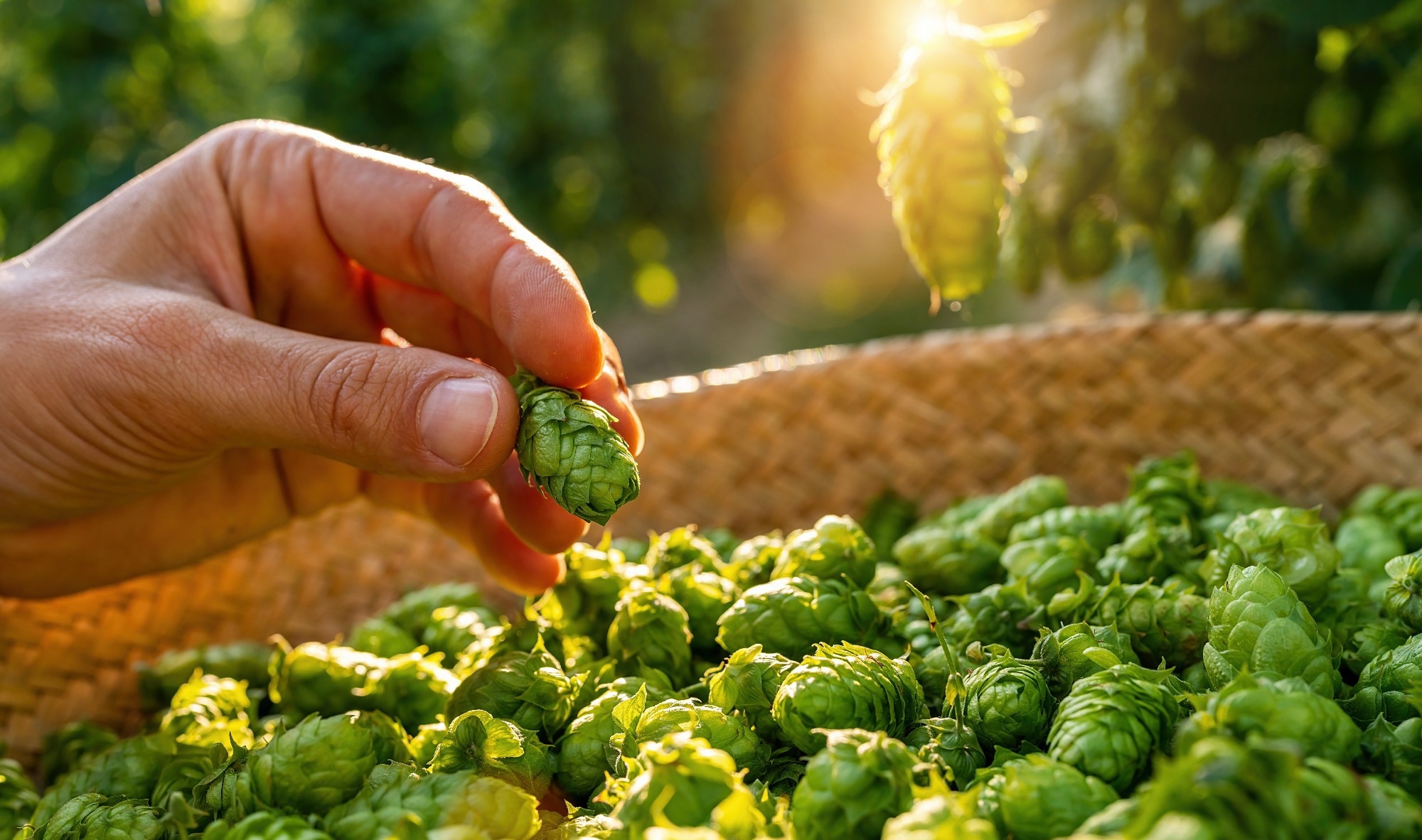 Image Credit: r.classen / Shutterstock.com
Introduction
Overweight and obesity are significant global concerns that increase the risk of cardiometabolic disorders, including type 2 diabetes and cardiovascular disease. As these and other metabolic conditions place increasing strain on healthcare systems worldwide, scientists are increasingly interested in identifying novel interventions that effectively modulate appetite and energy intake through natural physiological pathways, rather than pharmacological suppression.1,2 Among the approaches being investigated are bitter plant extracts that activate gastrointestinal taste receptors involved in appetite signaling.2
What Is Amarasate?
Amarasate is a proprietary extract of Humulus lupulus or hops, a plant cultivated in New Zealand. The extract is produced using a food-grade supercritical carbon dioxide extraction process and contains concentrated bitter hop acids, including alpha-acids and beta-acids.3 Amarasate contains several bitter alpha-acids and beta-acids that activate type 2 taste receptors (TAS2Rs) present along the gastrointestinal tract. Upon activation, TAS2Rs promote the secretion of gut hormones that regulate appetite, hunger, and calorie intake, thereby increasing satiety.
How Amarasate works in the body
Bitter bioactive compounds in Amarasate stimulate TAS2Rs, which are expressed by enteroendocrine cells that line the gastrointestinal tract. In response, TAS2Rs are thought to stimulate the production of satiety hormones, including glucagon-like peptide-1 (GLP-1), peptide YY (PYY), and cholecystokinin (CCK) in enteroendocrine cells, which subsequently enhance satiety after meals by modulating gastric emptying and may influence ghrelin release.1,2
Bitter hop extracts can reduce subjective hunger, food cravings, and energy intake, as reported in controlled short-term clinical trials, as well as promote changes in postprandial hormonal signaling associated with appetite regulation. However, most available studies have assessed acute appetite responses and short-term food intake rather than sustained changes in body weight, body composition, or long-term metabolic outcomes.1-3 These observations are often interpreted as evidence for a proposed “bitter brake” mechanism, in which activation of intestinal bitter taste receptors triggers hormonal signals that suppress appetite and slow gastrointestinal motility.2
Evidence from clinical studies
In randomized, crossover trials, delayed-release capsules containing approximately 200–500 mg of Amarasate extract per day3 significantly reduced hunger among healthy adults who completed a 24-hour fast. Specifically, hunger ratings during the final hour of fasting were reduced by nearly 10% in males, whereas post-fast energy intake decreased by up to 14% among females. These trials primarily evaluated subjective appetite ratings and short-term food intake rather than clinically meaningful changes in body weight.
Amarasate also attenuates pre-lunch increases in appetite, as indicated by lowered visual analog scale (VAS) scores for the desire to eat and reduced subsequent consumption. Overall, Amarasate was well tolerated in this trial, with a minority of participants reporting mild side effects, such as diarrhea and heartburn, following supplementation.1,3
Additional trials in men demonstrate that administering approximately 500 mg of a bitter hop extract targeted to the stomach or duodenum2 can increase postprandial circulating concentrations of CCK and GLP-1 and PYY levels while simultaneously reducing overall energy intake by approximately 13–17%. Importantly, these data were obtained from short-term studies conducted in healthy, normal-weight adults under tightly controlled laboratory conditions, which may not represent free-living dietary practices. Thus, further research is needed to evaluate Amarasate's efficacy among overweight and obese individuals over longer follow-up periods to improve the generalizability of these findings.1,2
The science behind Amarasate™
Potential role in weight management practices
By activating bitter taste receptors in the gut to promote GLP-1, CCK, and PYY release, Amarasate can reduce calorie intake, thereby supporting portion control and appetite regulation, especially during prolonged fasting, when hunger often intensifies.3
Because current clinical evidence focuses primarily on short-term appetite modulation, Amarasate is best described as an experimental nutraceutical strategy for influencing appetite regulation rather than an established weight-loss therapy. As a plant-based extract, Amarasate may be considered a complement to other dietary approaches for weight management, such as intermittent fasting (IF) or time-restricted eating (TRE). By enhancing satiety, hop extracts may improve compliance with calorie-restricted dietary regimens and support bodily adaptations associated with fasting, such as metabolic switching.3
To date, several GLP-1 receptor agonists (GLP-1RAs) have been developed to treat diabetes and obesity, with popular weight-loss drugs like Ozempic leading to significant weight loss through sustained GLP-1RA activity. Although Amarasate is less potent than these pharmaceutical agents, it appears to act through a different physiological pathway by stimulating endogenous satiety hormone release rather than directly activating GLP-1 receptors.4
Safety and side effects
Amarasate is generally well tolerated, with no serious adverse effects reported in clinical studies; however, some patients in fasting trials have reported diarrhea and heartburn at higher doses. These symptoms, although considered treatment-related, were transient and resolved on their own. Isolated cases of nausea and gastrointestinal discomfort have also been documented, which may be related to fasting conditions, rather than the treatment itself.1,3
As an extract of Humulus lupulus, Amarasate is widely used as a traditional food ingredient in the brewing industry. Hop-derived bitter acids have long been used in food and beverage production. In fact, Amarasate has attained the generally regarded as safe (GRAS) status for consumption by the United States Food and Drug Administration (FDA).
Commonly consumed in capsule form for brief periods, Amarasate is associated with a favorable safety profile. Nevertheless, additional studies are needed to further characterize tolerability with sustained use.5
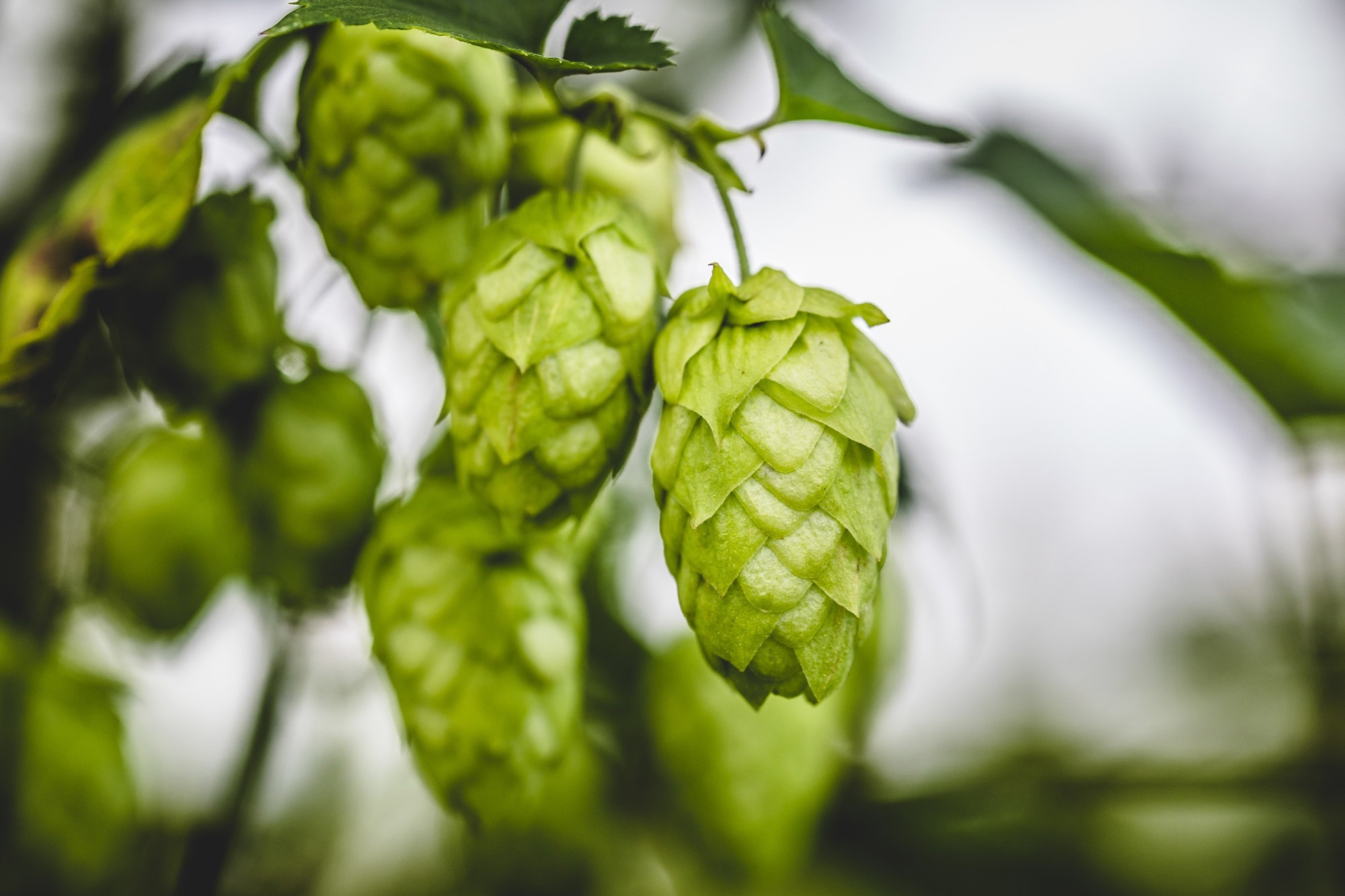 Image Credit: Benoit Daoust / Shutterstock.com
Practical considerations for use
Clinical studies suggest that Amarasate is effective at doses ranging from 125 mg to 500 mg when consumed approximately one hour before meals or during fasting. In experimental fasting studies, capsules were typically administered during the latter stages of a 24-hour fast (e.g., at approximately 16 and 20 hours) to evaluate their effects on appetite and post-fast food intake.1,3
By promoting satiety, Amarasate can be combined with fasting-based approaches and other strategies that restrict calorie intake to maintain energy balance. Scientists are increasingly investigating Amarasate as a nutraceutical for weight loss via appetite regulation.
Ongoing trials are evaluating the long-term effectiveness and tolerability of these extracts for weight management. Despite promising results, consumers must be aware that dietary supplements are not subject to the same stringent regulatory evaluations as prescription medications. Amarasate should be considered as part of a broader lifestyle approach that includes dietary quality, physical activity, and, where appropriate, medical guidance.1,3
References
- Walker, E., Lo, K., & Gopal, P. (2024). Gastrointestinal delivery of bitter hop extract reduces appetite and food cravings in healthy adult women undergoing acute fasting. Obesity Pillars 11; 100117. DOI: 10.1016/j.obpill.2024.100117. https://www.sciencedirect.com/science/article/pii/S2667368124000196
- Walker, E., Ro, K. R., Pahl, M. C., et al. (2022). An extract of hops (Humulus lupulus L.) modulates gut peptide hormone secretion and reduces energy intake in healthy-weight men: A randomized, crossover clinical trial. The American Journal of Clinical Nutrition 115(3); 925-940. DOI: 10.1093/ajcn/nqab418. https://www.sciencedirect.com/science/article/pii/S0002916522002088
- Walker, E., Lo, K., Tham, S., et al. (2019). New Zealand Bitter Hops Extract Reduces Hunger During a 24 h Water Only Fast. Nutrients 11(11); 2754. DOI: 10.3390/nu11112754. https://www.mdpi.com/2072-6643/11/11/2754
- Lawati, A. A., Alhabsi, A., Rahul, R., et al. (2025). Current and Emerging Parenteral and Peroral Medications for Weight Loss: A Narrative Review. Diseases 13(5). DOI: 10.3390/diseases13050129. https://www.mdpi.com/2079-9721/13/5/129
- Program, Human Foods (3 October 2024). "Generally Recognized as Safe (GRAS)". FDA. https://www.fda.gov/food/food-ingredients-packaging/generally-recognized-safe-gras. Accessed on 22 February, 2026
Further Reading
Last Updated: Mar 11, 2026