Introduction
Foundations of the traditional Caribbean diet
The nutrition transition
Future directions
References
Further reading
From home-grown produce and seafood to increasingly processed imports, Caribbean food traditions reveal how culture, food systems, and health have become closely intertwined.
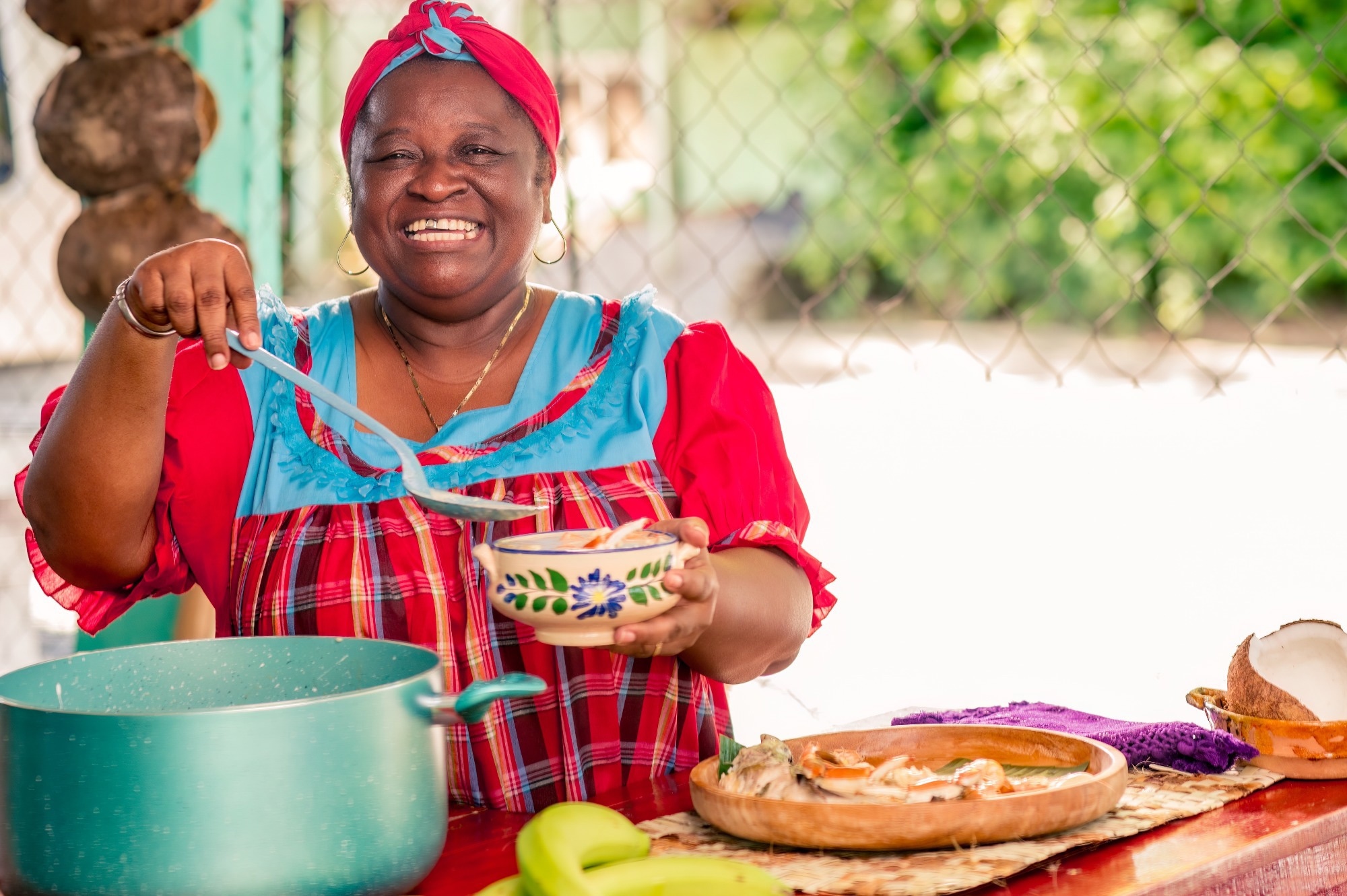 Image Credit: SALMONNEGRO-STOCK / Shutterstock.com
Introduction
This article discusses the deep cultural roots of the Caribbean diet and its potential relationship with cardiometabolic health. There is no single Caribbean diet, as food systems, histories, economies, and dietary practices vary considerably across the region.2,3
Foundations of the traditional Caribbean diet
Traditional Caribbean foods such as cassava, yam, sweet potato, plantain, and legumes are key components of fiber-rich, plant-based food traditions.1,3 Locally sourced seafood can provide high-quality lean protein, while fish, including oily fish, can supply polyunsaturated fatty acids and vitamins A and D.3 Evidence reviewed across small-island populations has linked white and oily fish consumption with a lower incidence of type 2 diabetes, although these observational findings do not establish causation.3
Tropical fruits and other locally grown produce contribute to the plant-rich character of traditional and neo-traditional Caribbean food patterns.1,3 In Puerto Rico, local food production includes fruits such as coconut, pineapple, oranges, and avocado, alongside plantains, legumes, roots, and other vegetables.1
Seafood remains a key food component of many Caribbean food traditions, with fresh herbs also used in home-prepared dishes and traditional seasoning practices.1,2 This combination of diverse types of plant foods, seafood, herbs, and spices reflects longstanding relationships between local agriculture, fishing, home food production, and Caribbean culinary traditions.2,3
Local food production rooted in collective local and Indigenous traditions, self-sufficiency, and climate-adaptive agricultural practices has long supported fiber-rich, plant-based diets.3
Home preparation and locally sourced ingredients have also featured prominently in accounts of traditional Caribbean food practices. Intergenerational research describes older participants obtaining ingredients from local markets, backyards, and other food sources, preparing plantains and vegetables from scratch, using fresh herbs for seasoning, and making drinks from fresh fruits and vegetables.2
Direct cardiometabolic evidence is available from Puerto Rico. In a cross-sectional study of 989 adults, a neo-traditional pattern characterized by local plants and seafood, with higher intakes of fruits, vegetables, herbs, legumes, tropical roots, and leafy greens, was associated with a lower prevalence of metabolic syndrome and a smaller waist circumference. Because the study was observational and cross-sectional, it cannot establish that the dietary pattern caused these differences.1
Six Caribbean superfoods you should be eating | Your Morning
The nutrition transition
Over the past several decades, Caribbean food systems have undergone major changes driven by globalization, trade liberalization, urbanization, and increasing dependence on imported foods.2,3
Thus, traditional diets based on local fruits, vegetables, legumes, and fish have increasingly been supplemented or replaced by processed and ready-made foods. This transition has increased reliance on imported processed foods, refined sugars, unhealthy fats, and other energy-dense products, while traditional sources of fruits, vegetables, legumes, and other plant foods have declined in some settings.1,2,3,4
The dietary transition from consuming mainly traditional foods to energy-dense and highly processed products has been associated with poorer dietary quality and increased risks for chronic diseases across the Caribbean region.2,3,4 The prevalence of noncommunicable diseases like hypertension, obesity, diabetes, and cardiovascular disease has risen over the past several decades, alongside changes in food systems and dietary patterns. Evidence links poorer diet quality, including greater reliance on processed foods and inadequate consumption of fruits, vegetables, legumes, nuts, and whole grains, with adverse metabolic risk factors, but these population-level relationships should not be interpreted as proof that food imports alone caused the rise in disease.1,2,4
“...the resulting food import dependence has fostered a diabetogenic ecosystem composed of energy-dense cereal products, animal-based fats, and processed foods.3”
This transition has also influenced cultural food practices, as younger generations in one qualitative study often spent less time preparing home-cooked meals and more often obtained food from supermarkets rather than local farms, markets, fishing activities, or backyard gardens. Although traditional food-sharing customs and culinary heritage remain important, changing lifestyles and food environments continue to reshape Caribbean dietary patterns and cultural relationships with food.2
Food sharing itself remains an important part of Caribbean social life. Interviews across five English-speaking Caribbean countries linked these practices with belonging, social cohesion, and well-being, while also documenting a shift toward convenience-oriented and processed foods among some participants, particularly younger generations.2
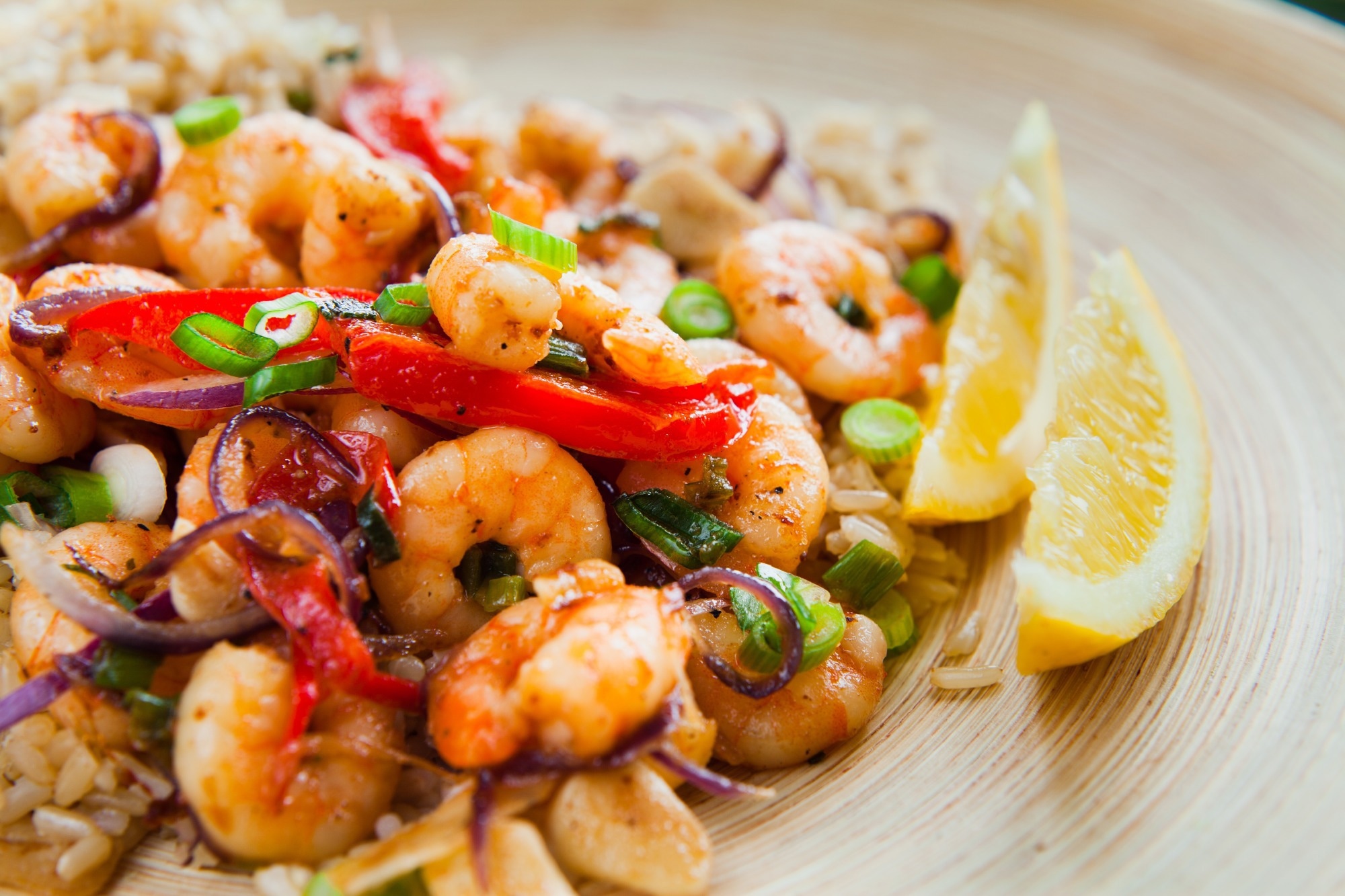 Image Credit: JoannaTkaczuk / Shutterstock.com
Future directions
Addressing the growing burden of diet-related diseases in the Caribbean requires renewed attention to traditional food systems and dietary practices. Public health interventions that encourage healthy food choices through education, community engagement, and improved access to nutritious local foods may contribute to healthier food environments, but wider structural barriers also need to be considered.2,3,5 Likewise, preserving traditional food knowledge, promoting home gardens, and supporting local food consumption could mitigate some effects of the nutrition transition while strengthening community resilience, cultural identity, and overall well-being.2,3
Caribbean governments and regional organizations have acknowledged the need to reduce their dependence on imported food and to enhance the availability of domestic food. CARICOM governments had set a regional target to reduce the Caribbean food import bill by 25% by 2025, although research published in 2024 reported limited progress, citing factors such as limited citizen participation, climate-related challenges, and unequal access to policy benefits.2 Moving forward, nutritional policies that integrate health, agriculture, trade, and environmental objectives should also account for food security, poverty, inequity, the livelihoods of small-scale producers, and local cultural knowledge.2,3,5
The evidence summarized here nevertheless remains uneven. Direct cardiometabolic evidence for neo-traditional diets is largely observational and draws on research from individual settings, such as Puerto Rico, while qualitative studies provide additional insight into changing food practices and cultural contexts.1,2,4
References
- Marrero, I., Haneuse, S., Golden, C. D., et al. (2023). Neo-traditional and industrialized dietary patterns coexist and are differentially associated with cardiometabolic health among adults in Puerto Rico. The Journal of Nutrition 153(11); 3259-3269. DOI: 10.1016/j.tjnut.2023.09.003. https://www.sciencedirect.com/science/article/pii/S0022316623725959
- Brugulat-Panés, A., Foley, L., Murphy, M. M., et al. (2024). An exploratory case study of food sharing practices in Caribbean countries through a transition lens using intergenerational dyad interviews. Globalization and Health, 20. DOI: 10.1186/s12992-024-01094-0. https://link.springer.com/article/10.1186/s12992-024-01094-0
- Marrero, A., & Mattei, J. (2022). Reclaiming traditional, plant-based, climate-resilient food systems in small islands. The Lancet Planetary Health. 6(2). e171-e179. DOI: 10.1016/S2542-5196(21)00322-3. https://www.thelancet.com/journals/lanplh/article/PIIS2542-5196(21)00322-3/fulltext
- Brown, C. R., Haynes, E., Patel, K., et al. (2026). Diet and Mental Health Relationships in Caribbean Populations: A Scoping Review and Evidence Gap Map. Nutrients 18(1). DOI: 10.3390/nu18010058. https://www.mdpi.com/2072-6643/18/1/58
- Henry, F. J. (2012). Food and nutrition research in the Caribbean. West Indian Medical Journal, 61(4). https://www.mona.uwi.edu/fms/wimj/system/files/article_pdfs/dr_fj_henry_wimj.qxd_.pdf
Further Reading
Last Updated: Sep 29, 2026