Introduction
The phytochemical profile of D. officinale
How D. officinale regulates inflammation and cancer pathways
How D. officinale supports metabolic and gastrointestinal health
Current evidence supporting D. officinale
Future directions
References
Further reading
From microbiome remodeling to antioxidant and inflammatory signaling, research is uncovering how the bioactive chemistry of Dendrobium officinale interacts with biological pathways across a growing range of experimental models.
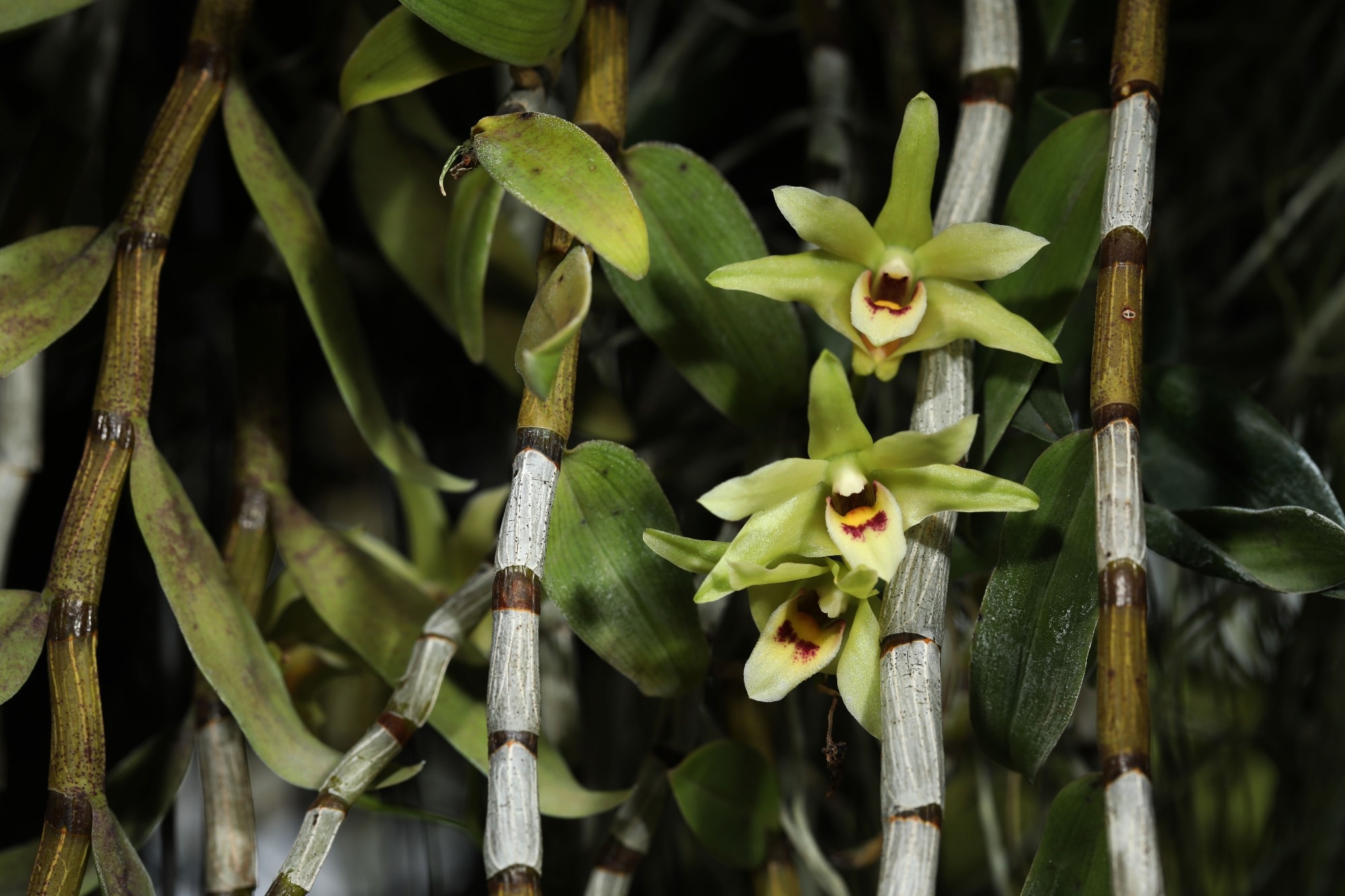 Image Credit: Pavaphon Supanantananont / Shutterstock.com
Introduction
Dendrobium officinale Kimura et Migo (synonym Dendrobium catenatum Lindl.) is a medicinal orchid native to southern China.1 D. officinale is a rich source of phytochemicals with experimentally reported antioxidant, anti-inflammatory, antitumor, and lipid-lowering properties, supporting research into its potential use as a functional food and source of pharmacologically active compounds.3 This article discusses the mechanisms by which D. officinale may regulate metabolic pathways, beneficially reshape the gut microbiome, and exert anticancer activity in preclinical models.1,3
The phytochemical profile of D. officinale
D. officinale stems contain the highest concentration of polysaccharides, whereas its leaves yield the greatest content of antioxidant flavonoids and its roots are enriched in active bibenzyl molecules.3 Phytochemical studies identify polysaccharides as one of the principal and most extensively investigated bioactive fractions of the plant.3 Many major D. officinale polysaccharides (DOPs) are O-acetylated glucomannans consisting predominantly of a backbone containing β-(1 → 4)-linked D-mannopyranosyl and β-(1 → 4)-D-glucopyranosyl residues.2,3
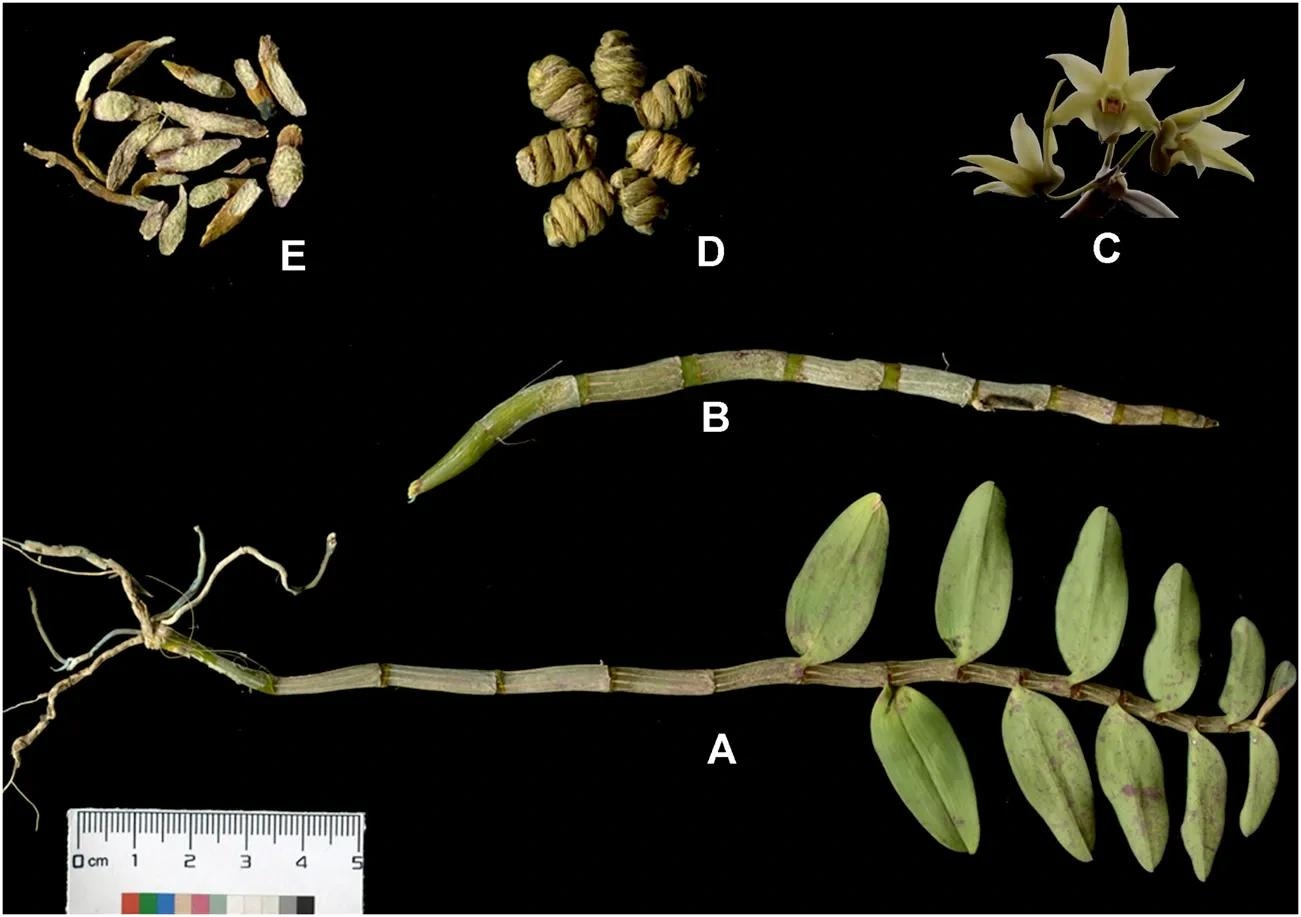
The whole plant (A), fresh strips (B), flowers (C), commercial product named Tiepifengdou(D), and decoction pieces (E) of Dendrobium officinale Kimura et. Migo.
Recent comparative analyses indicate that geographical origin, extraction, and processing can alter DOP molecular characteristics and potentially influence their biological activity.3,5 A 2025 study comparing polysaccharides from Guizhou and Zhejiang found mannose-to-glucose ratios of 2.51:1 and 2.66:1 and molecular weights of 356 kDa and 544 kDa, respectively, demonstrating substantial structural variation between materials obtained from different geographical sources.5
During in vitro fermentation, both polysaccharide preparations altered microbial diversity and community composition, including the Firmicutes-to-Bacteroidota ratio. These findings suggest that structural differences between DOP preparations may influence their interactions with intestinal microbiota, although the experiment does not establish equivalent effects in humans.5
Flavonoids are particularly abundant in the leaves of D. officinale.3 Fourteen major phenolic compounds have been identified in leaf material, including rutin and multiple apigenin-type flavones, with rutin reported at 1.33-2.89 mg/g.3 These compounds contribute to the plant's experimentally observed antioxidant activity, although the biological effects of individual flavonoids remain incompletely characterized.1,3
Additionally, D. officinale contains several small-molecule bibenzyls, including erianin, gigantol, and moscatilin. Roots have been reported to contain particularly high concentrations of bibenzyls such as erianin and gigantol, while individual compounds isolated from the plant have shown enzyme-inhibitory and anticancer activities in laboratory studies.1,3
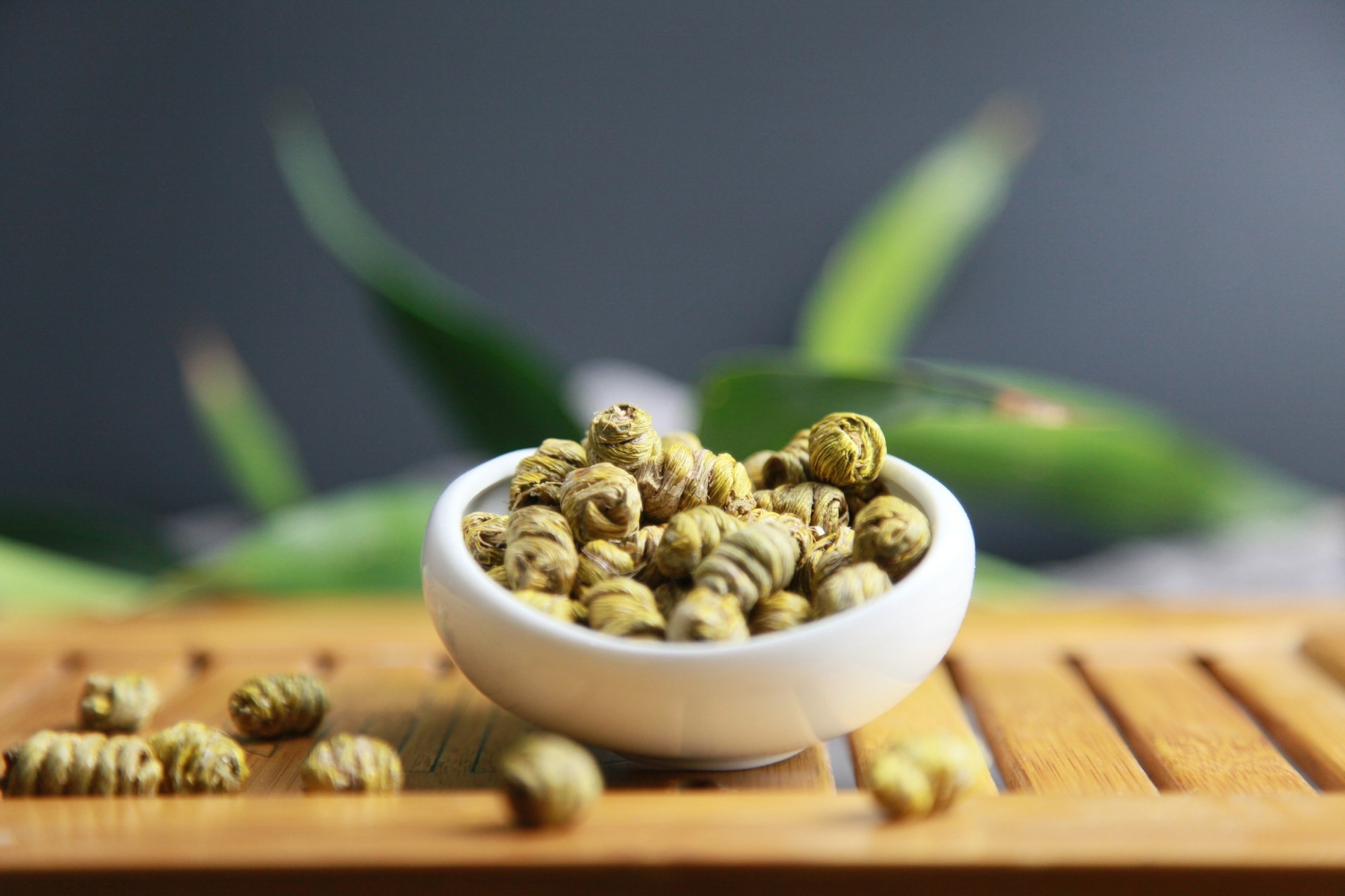 Image Credit: EchoLan88 / Shutterstock.com
How D. officinale regulates inflammation and cancer pathways
Preclinical studies indicate that extracts and individual compounds from D. officinale can modulate inflammatory pathways, including nuclear factor kappa-light-chain-enhancer of activated B cells (NF-κB), mitogen-activated protein kinase (MAPK), and toll-like receptor 4 (TLR4)-associated signaling.1,3 In animal and cell models, these effects have been accompanied by reductions in pro-inflammatory cytokines like tumor necrosis factor α (TNF-α), interleukin 6 (IL-6), and IL-1β.3
Oncological research provides additional preclinical evidence, with the bibenzyl compound erianin showing cytotoxic activity against the human bladder cancer cell lines EJ and T24. This anti-proliferative activity has been linked to apoptotic signaling and activation of the c-Jun N-terminal kinase (JNK) pathway in cell-based studies.1
D. officinale leaf polysaccharides have also shown gastrointestinal protection against ethanol-induced acute gastric mucosal injury in rat and gastric epithelial-cell models.1,3 This benefit was associated with activation of the AMPK/mechanistic target of rapamycin (mTOR) autophagic pathway and upregulation of beclin-1 and microtubule-associated protein 1 light chain 3 beta (LC3B), while simultaneously downregulating Bax and cleaved caspase-3.1,3
The metabolic benefits of D. officinale observed in preclinical studies may partly arise from interactions between its polysaccharides and the gut microbiota.3,6 DOPs are poorly digested and absorbed in the upper digestive tract, which allows these bioactives to reach the colon for bacterial fermentation into short-chain fatty acids (SCFAs).6
SCFAs like acetate, propionate, and butyrate participate in intestinal barrier, immune, and metabolic regulation.6 In animal models of metabolic disease, DOP administration has altered the relative abundance of several microbial groups, increased SCFA production, and reduced the abundance of some LPS-associated bacteria.6 DOP treatment has also increased expression of the tight-junction proteins claudin-1, occludin, and ZO-1 while reducing intestinal permeability, LPS leakage, inflammatory signaling, and insulin resistance.6
Animal studies also suggest an antifatigue effect. Extracts of D. officinale increased glycogen stores after exercise, reduced serum urea and lactic acid accumulation, and prolonged loaded swimming time in mice.2 Furthermore, a 2026 multi-model study found that midlife treatment with D. officinale extract delayed declines in motor and intestinal function and reduced oxidative-stress measures in experimental aging models.4
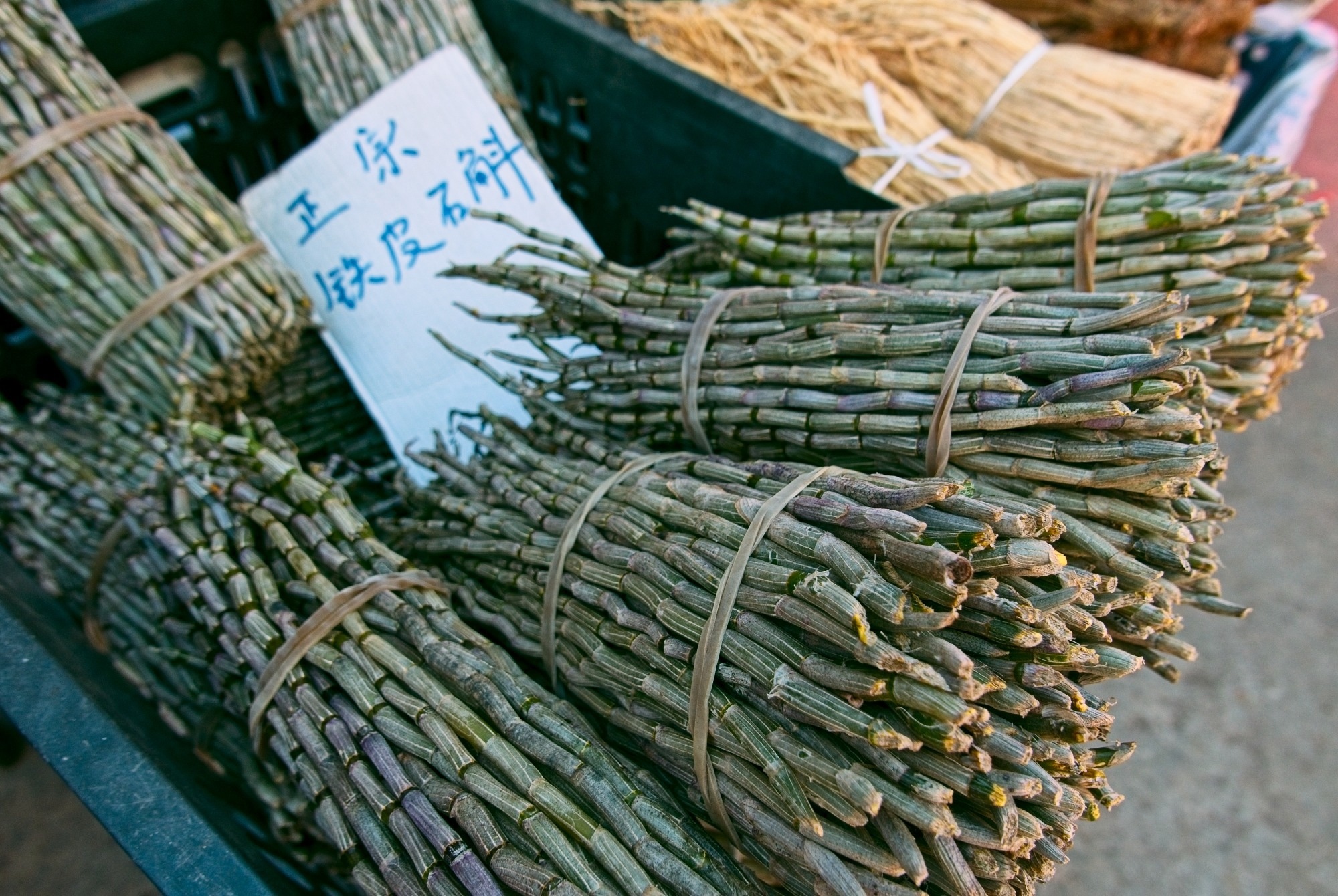 Image Credit: ahamd.faizal / Shutterstock.com
Current evidence supporting D. officinale
Available research on D. officinale remains predominantly preclinical, although several small human studies have been reported.1,3 For DOP-mediated modulation of the gut microbiota and metabolic outcomes in diabetes specifically, published evidence remains based on animal and in vitro studies, with no published human clinical trials identified in a 2025 review.6
Preclinical toxicology findings are generally reassuring within the tested dose ranges, but they should not be interpreted as proof of long-term safety in humans.1,3 Acute and genetic toxicity testing and 90-day feeding studies in rats using D. officinale stem preparations did not identify noticeable toxicity or mutagenicity at the doses studied, while additional reproductive studies of stems, leaves, and flowers reported no apparent adverse effects under their respective experimental conditions.1 Currently, clinical translation remains constrained by chemical variability, as the composition and physicochemical properties of DOPs vary significantly with geographical origin, growth conditions, harvest timing, processing, and extraction method.1,3,5
Future directions
To achieve broader integration into functional foods and pharmaceuticals, future research on D. officinale must standardize extraction methods and resolve structure-activity relationships.3 Standardized preparations, pharmacologically relevant doses, and appropriately controlled human trials will also be required to determine whether effects reported in cells and animal models translate into clinically meaningful benefits.1,3,6
In addition to historical research establishing possible metabolic and gastrointestinal benefits, recent studies are increasingly recognizing the dermatological potential of Dendrobium and other Orchidaceae-derived materials.7 Preclinical research has explored D. officinale polysaccharides in supramolecular moisturizing materials, while broader Dendrobium research includes polysaccharide-based microneedles and hydrogels investigated for acne-directed delivery and wound repair.7 However, clinically interpretable dermatology evidence remains limited, and irritation, sensitization, adverse-event reporting, and formulation standardization are inconsistent.7
Concurrently, anti-aging research has identified middle age as the most effective window for DOE intervention in experimental systems to extend healthy lifespan.4 In Drosophila melanogaster, DOE remodeled the microbiota in a sex-specific manner, favoring Acetobacter pomorum in females and Lactobacillus plantarum in males, with downstream modulation of insulin/insulin-like growth factor signaling and activation of the Keap1-Nrf2-antioxidant response pathway.4 The broader study also used human MRC-5 cells, Caenorhabditis elegans, and D. melanogaster to examine conserved aging-related responses, but these experimental findings do not establish an optimal intervention age or longevity benefit in humans.4
Future clinical research will therefore need to determine whether standardized D. officinale preparations can reproduce the metabolic, anti-aging, gastrointestinal, or dermatological effects observed in experimental models, while establishing dose-response relationships, treatment duration, adverse effects, and long-term safety.1,3,6,7
References
- Chen, W., Lu, J., Zhang, J., et al. (2021). Traditional Uses, Phytochemistry, Pharmacology, and Quality Control of Dendrobium officinale Kimura et. Migo. Frontiers in Pharmacology 12. DOI: 10.3389/fphar.2021.726528. https://www.frontiersin.org/journals/pharmacology/articles/10.3389/fphar.2021.726528/full
- Tang, H., Zhao, T., Sheng, Y., et al. (2017). Dendrobium officinale Kimura et Migo: A Review on Its Ethnopharmacology, Phytochemistry, Pharmacology, and Industrialization. Evidence-Based Complementary and Alternative Medicine 2017(1). DOI: 10.1155/2017/7436259. https://onlinelibrary.wiley.com/doi/10.1155/2017/7436259
- Xu, X., Zhang, C., Wang, N., et al. (2022). Bioactivities and Mechanism of Actions of Dendrobium officinale: A Comprehensive Review. Oxidative Medicine and Cellular Longevity, 2022(1). DOI: 10.1155/2022/6293355. https://onlinelibrary.wiley.com/doi/10.1155/2022/6293355
- Jin, C., Xi, J., Wang, S., et al. (2026). Midlife intervention of Dendrobium officinale extract modulates gut microbiota to activate InR - Nrf2 axis, promoting intestinal health and longevity. World Journal of Gastroenterology 32(23). DOI: 10.3748/wjg.v32.i23.117238. https://www.wjgnet.com/1007-9327/full/v32/i23/117238.htm
- Yu, Y., Wang, H., Jin, X., et al. (2025). Structural Characterization of Dendrobium officinale Polysaccharides and Their Regulation Effect on Intestinal Microbiota During In Vitro Fermentation. Polymers, 17(6), 727. DOI: 10.3390/polym17060727. https://www.mdpi.com/2073-4360/17/6/727
- Wan, J., Lin, R., & Wu, Q. (2025). The therapeutic effects of dendrobium officinale polysaccharides on diabetes mellitus: from the perspective of gut microbiota. Frontiers in Endocrinology, 16. DOI: 10.3389/fendo.2025.1683752. https://www.frontiersin.org/journals/endocrinology/articles/10.3389/fendo.2025.1683752/full
- Hu, J., Sun, S., Gao, K., et al. (2026). Dendrobium and Orchidaceae Plants in Dermatology: A PubMed-Based Bibliometric Analysis and Mechanistic Overview. Clinical, Cosmetic and Investigational Dermatology, 19, 1- 13. DOI: 10.2147/ccid.s605188. https://www.dovepress.com/dendrobium-and-orchidaceae-plants-in-dermatology-a-pubmed-based-biblio-peer-reviewed-fulltext-article-CCID
Further Reading
Last Updated: Sep 30, 2026