Introduction
Nutritional benefits of eating a wider range of plants
How greater plant variety may influence the gut microbiome
Dietary biodiversity and chronic disease risk
Beyond nutrition: Biodiversity, sustainability, and food systems
Practical ways to increase plant variety
Conclusions: Diversity as a new dimension of healthy eating
References
Further reading
Could the number of plant species on your plate reveal something that portion sizes and food groups miss?
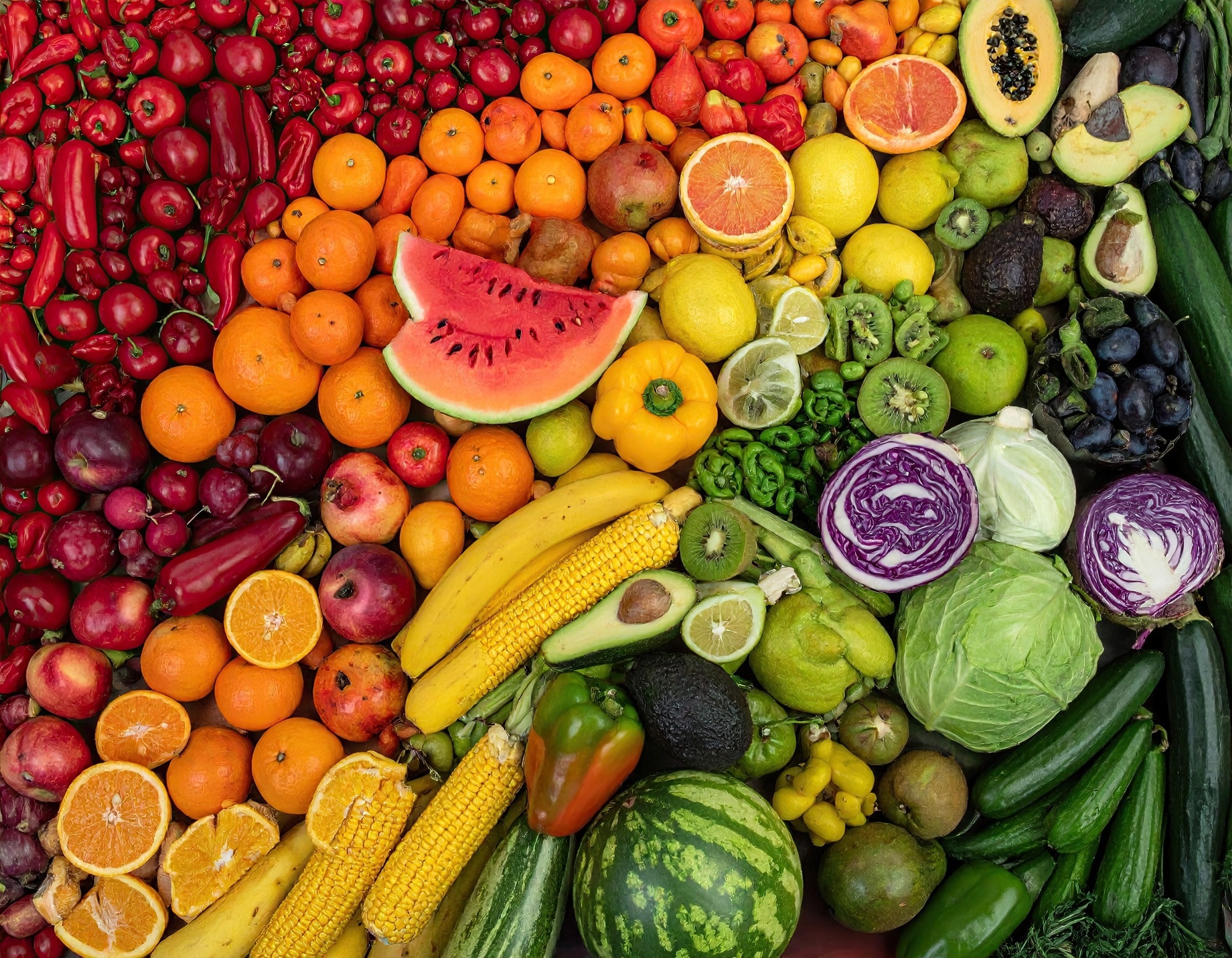 Image Credit: berindo / Shutterstock.com
Introduction
For decades, dietary advice has focused on consuming specific quantities of each food group. More recently, researchers are exploring whether species diversity itself acts as an independent marker of diet quality.
This concept, also known as dietary or food biodiversity, includes the diversity of plant and animal species consumed. Plant-focused approaches encourage consuming a wide range of fruits, vegetables, legumes, whole grains, nuts, seeds, herbs, and spices.2,4 Evidence links greater dietary species richness with better nutrient adequacy, while the independent health benefits of increasing plant species counts remain uncertain.1,4
Dietary biodiversity can be quantified using several indices, most commonly Dietary Species Richness (DSR). DSR counts the number of unique plant and animal species consumed over a given period, with no minimum quantity required for a single species.2,4 Plant species richness measures the plant component separately. Different foods or varieties from the same species do not necessarily increase DSR.4
Other metrics include the Simpson and Shannon diversity indices, which incorporate species richness and relative abundance, whereas Nutritional Functional Diversity (NFD) focuses on differences in the nutrient composition of consumed foods. Together, these measures distinguish how many species are eaten, how evenly they contribute to the diet, and how nutritionally different the foods are.4
Increasing plant species richness requires adding distinct species to the diet. An individual could double their vegetable intake while still relying on the same two or three species. Adding more species of legumes, grains, leafy greens, herbs, and other vegetables to the weekly rotation increases this measure, but portion sizes and nutritional quality remain important for health.1,4
Nutritional benefits of eating a wider range of plants
Nutrient concentrations vary across plants; therefore, eating a broader range may help meet vitamin and mineral requirements.2 In an analysis of 6,226 women and young children from rural areas in seven low- and middle-income countries, higher dietary species richness was associated with greater adequacy of vitamin A, vitamin C, folate, calcium, iron, and zinc levels after accounting for energy intake.2 This observational finding concerns total food species richness, with nutrient adequacy estimated from reported intake, rather than demonstrated correction of deficiencies.2
In addition to providing different nutrients, varied plant foods may also act complementarily through interactions between nutrients and other compounds. These interactions are proposed explanations for associations between food biodiversity and health.3,4
This concept extends to the "food matrix," the physical and chemical structure in which nutrients and phytochemicals are embedded. Within the food matrix, the same nutrient can behave differently depending on the surrounding plant tissue, its fiber content, and interactions with other consumed foods.3
The concentration of phytochemicals, such as flavonoids, carotenoids, glucosinolates, and phytosterols, varies across plant families; therefore, eating different plant foods can broaden exposure to these compounds. Their effects depend on the compound, its availability to the body, and interactions with the gut microbiota.5
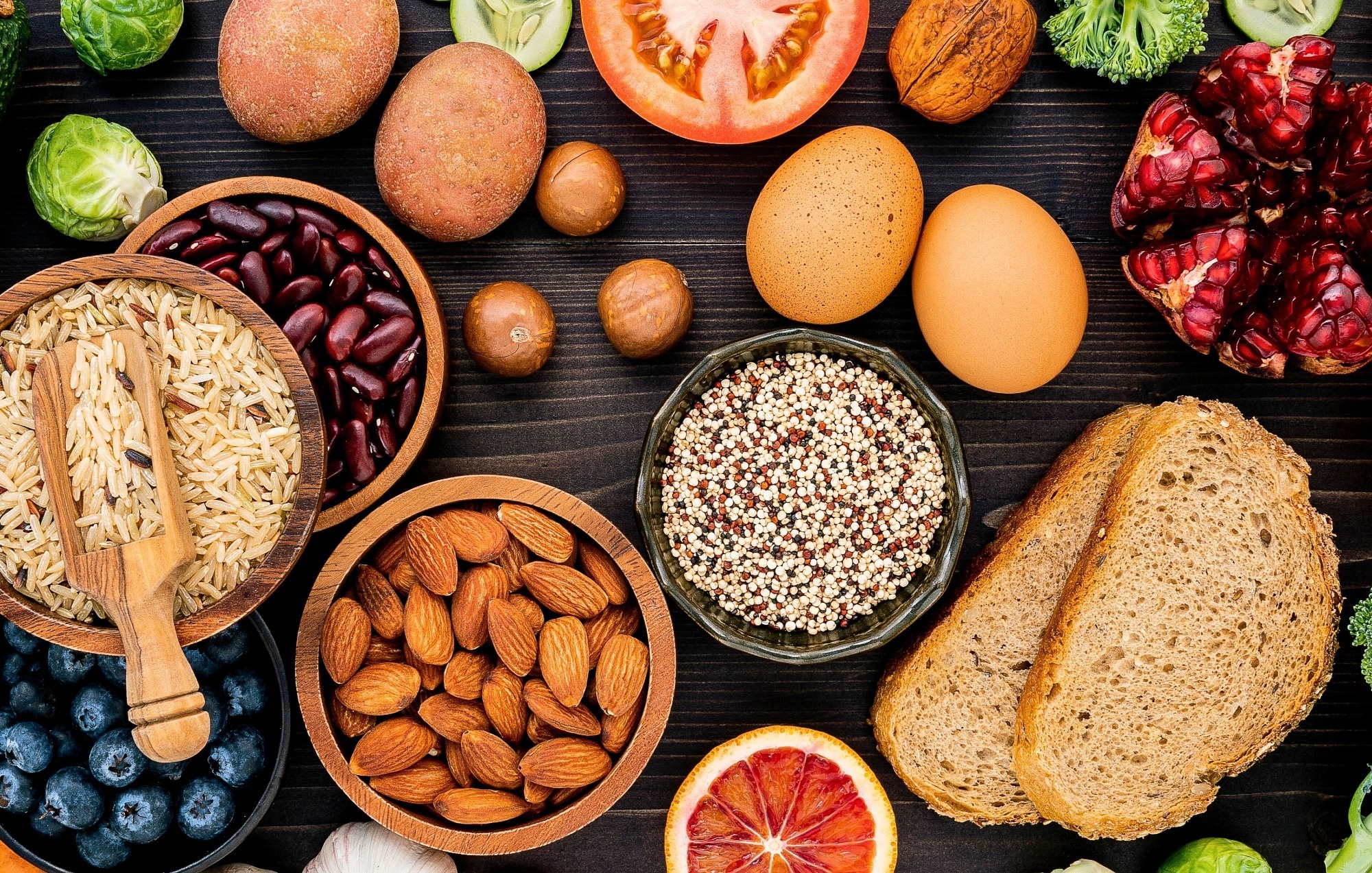 Image Credit: filipsanca / Shutterstock.com
How greater plant variety may influence the gut microbiome
Plant foods differ in their combinations of fibers, polyphenols, resistant starches, and other phytochemicals.5,6 These compounds provide substrates for different gut microbes, offering a plausible mechanism through which plant variety could influence microbial composition and activity. Responses vary between individuals, and the microbiome's contribution to benefits associated with dietary species richness remains under investigation.3–6
Fresh produce itself also carries live microbes that may be ingested. Shotgun metagenomic sequencing of tomatoes, spinach, brined olives, and dried figs has revealed that each food type has a distinct microbial signature. In these samples, Pseudomonas was prominent in tomatoes, Lactobacillus was abundant in green olives, and Pantoea predominated in baby spinach.
These findings suggest that eating a range of raw and fermented plants may introduce diverse bacterial populations, some carrying genes for vitamin biosynthesis and fiber degradation.7 Importantly, this study characterized food samples and cultured selected bacteria; it did not demonstrate survival through the human gut, lasting colonization, vitamin delivery, or clinical benefits.7
Microbial fermentation of dietary fiber produces short-chain fatty acids (SCFAs) like acetate, propionate, and butyrate. SCFAs support intestinal barrier integrity and immune regulation, including effects on innate lymphoid cells, immune cells involved in intestinal defense. Experimental studies describe both stimulation and inhibition of ILC2 proliferation through different signaling pathways.5,6
Butyrate has also been found to alter macrophages and increase the expression of antibacterial and defense genes.5 These findings explain how microbial metabolites can affect host biology, while evidence directly linking increased dietary species richness to SCFA production in humans remains limited.3,4
 Image Credit: hatsak / Shutterstock.com
Dietary biodiversity and chronic disease risk
Food biodiversity often aligns with diet quality. Greater species richness has been associated with higher scores on established diet-quality indices, including the Dutch Healthy Diet Index and Mediterranean Diet Score.4
Evidence for disease outcomes comes mainly from observational studies. In a large European cohort, ten additional distinct food species in the estimated annual diet were associated with lower all-cause mortality and gastrointestinal cancer risk.4 Associations within individual food groups were less consistent, while the cancer analysis found inverse associations for plant and animal species richness when assessed separately.4
Broader reviews of dietary diversity indicators that capture food groups and items, rather than strict species counts, show mixed results, particularly for body weight, where associations varied by population and income setting. This inconsistency may reflect differences in how diversity is measured, whether energy intake is accounted for, and whether added variety comes from nutrient-dense or energy-dense foods high in salt, added sugars, or saturated fat.1
Overall, associations with nutrient adequacy are more consistent than those with disease outcomes. Both evidence bases rely largely on observational research, and demonstrating disease prevention requires stronger causal evidence.1,4
Dietary measurement error, differences between study populations, and residual confounding, where other influences remain incompletely accounted for, limit causal interpretation. Whether species richness adds health benefits independently of food quantity and overall diet quality also requires additional research.4
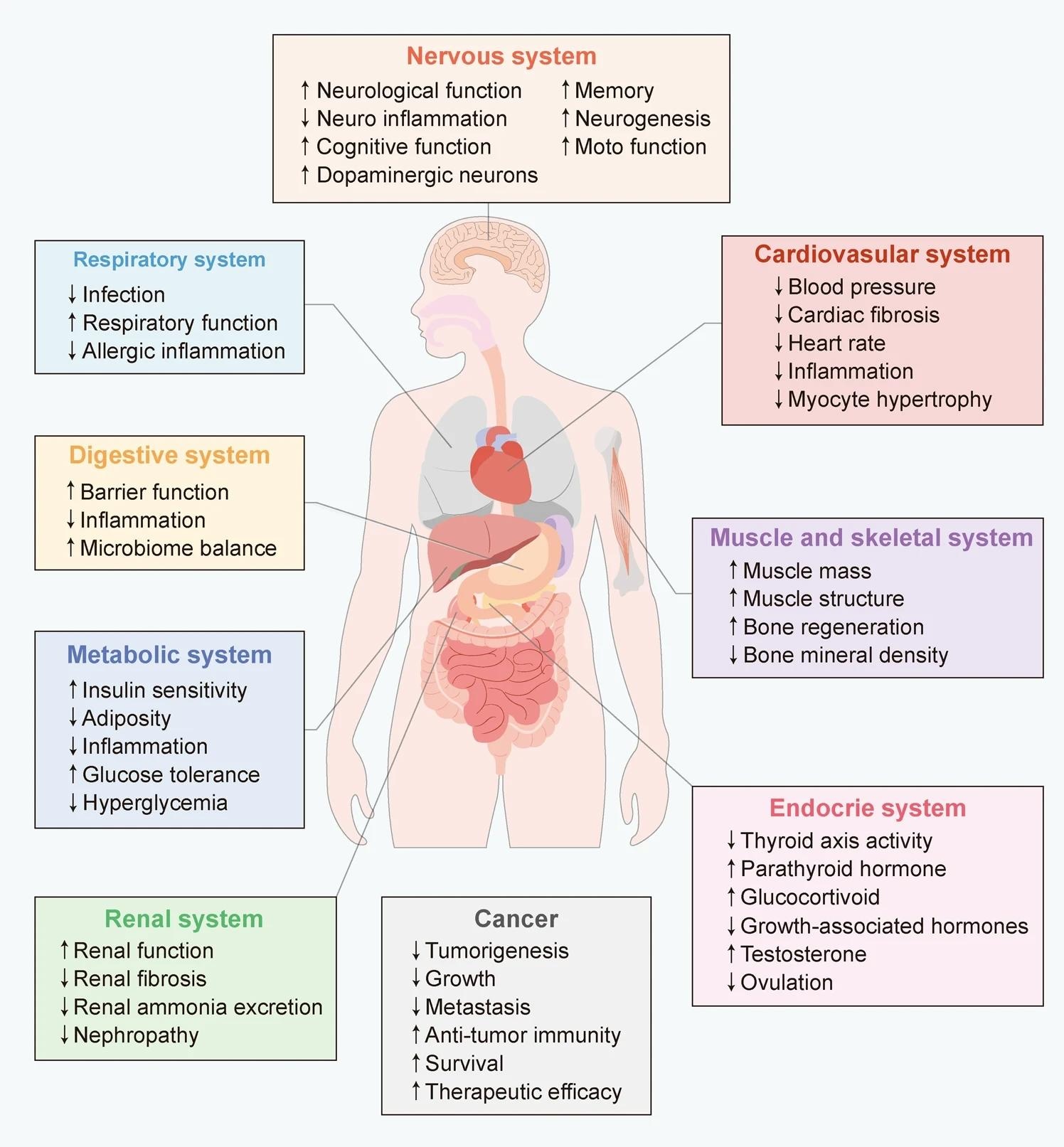
Functionality of dietary interventions on human tissues under health and diverse disease states. Dietary interventions exert beneficial effects across varying aspects, including nervous system, cardiovascular system, respiratory system, metabolic system, renal system, endocrine system, and digestive system as well as cancer. 6
Beyond nutrition: Biodiversity, sustainability, and food systems
Nine crop species account for over two-thirds of global crop production for human consumption by weight, illustrating how food production concentrates in a small number of species. Agricultural biodiversity, which reflects the range of species and varieties cultivated, can influence the assortment of species available for human diets.2,4
A more biodiverse food system can support resilience to environmental pressures; however, biodiversity on farms and in diets are not interchangeable measures.2,4 A "One Health" approach considers human, animal, and environmental health together. The Irish life-cycle assessment applied this approach to dietary patterns; however, it did not test whether increasing dietary species richness improves these outcomes. 8 Furthermore, environmental effects still depend on the foods selected and their production methods.4
What is the 30 plants a week challenge and does it actually work?
Practical ways to increase plant variety
Rotating different legumes or grains like oats, barley, and quinoa adds species to the diet without dramatically altering a household's cooking habits.4 Herbs and spices can contribute distinct species to DSR, even when consumed in small quantities. A useful approach is to add variety across several plant-food groups while maintaining adequate portions, since the contribution of small quantities to health outcomes is still uncertain.4
Frozen or canned produce can provide additional plant species year-round.4,9 In one review comparing fresh, frozen, and canned produce, nutrient retention varies with the food, processing, storage, and cooking. Fresh produce can also lose nutrients during storage; therefore, preserved options can still contribute to a nutritious diet.9 Fermented plant foods may also contain live microbes, though their presence alone does not demonstrate a health benefit.7
Plant variety can be incorporated into established dietary patterns that prioritize whole foods, adequate fiber, and limit foods high in added sugars, salt, or unhealthy fats.1,6 A species count measures variety without guaranteeing nutritional balance, and the available evidence does not establish a universal weekly plant-species target for health.1,4
Conclusions: Diversity as a new dimension of healthy eating
Greater species richness is associated with better micronutrient adequacy and, in some observational studies, lower mortality or gastrointestinal cancer risk. When assessing a diet, plant variety should be considered alongside food quantity and nutritional quality.1,4
Increasing the variety of plants in one’s diet, while maintaining an overall healthy diet, may be a practical way to broaden nutrient intake. Controlled studies are needed to determine whether increasing species richness itself produces additional health benefits, including effects mediated by the gut microbiome.2–4
References
- Verger, E. O., Le Port, A., Borderon, A., et al. (2021). Dietary Diversity Indicators and Their Associations with Dietary Adequacy and Health Outcomes: A Systematic Scoping Review. Advances in Nutrition 12(5); 1659-1672. DOI: 10.1093/advances/nmab009. https://www.sciencedirect.com/science/article/pii/S2161831322004616?via%3Dihub.
- Lachat, C., Raneri, J. E., Smith, K. W., et al. (2018). Dietary species richness as a measure of food biodiversity and nutritional quality of diets. Proceedings of the National Academy of Sciences 115(1); 127-132. DOI: 10.1073/pnas.1709194115. https://www.pnas.org/doi/full/10.1073/pnas.1709194115.
- Leeming, E. R., Louca, P., Gibson, R., et al. (2021). The complexities of the diet-microbiome relationship: advances and perspectives. Genome Medicine 13(1); 10. DOI: 10.1186/s13073-020-00813-7. https://link.springer.com/article/10.1186/s13073-020-00813-7.
- Baan Hofman, J. H., Bannenberg Cavero, C., Dötsch-Klerk, M., et al. (2025). Food Biodiversity and its Association with Diet Quality and Health Outcomes-A Scoping Review. Advances in Nutrition 16(12); 100551. DOI: 10.1016/j.advnut.2025.100551. https://www.sciencedirect.com/science/article/pii/S2161831325001899?via%3Dihub.
- Beane, K. E., Redding, M. C., Wang, X., et al. (2021). Effects of dietary fibers, micronutrients, and phytonutrients on gut microbiome: A review. Applied Biological Chemistry 64(1). DOI: 10.1186/s13765-021-00605-6. https://link.springer.com/article/10.1186/s13765-021-00605-6.
- Wu, Q., Gao, Z. J., Yu, X., & Wang, P. (2022). Dietary regulation in health and disease. Signal Transduction and Targeted Therapy 7(1); 252. DOI: 10.1038/s41392-022-01104-w. https://www.nature.com/articles/s41392-022-01104-w.
- Soto-Giron, M. J., Kim, J. N., Schott, E., et al. (2021). The Edible Plant Microbiome represents a diverse genetic reservoir with functional potential in the human host. Scientific Reports 11(1); 24017. DOI:10.1038/s41598-021-03334-4. https://www.nature.com/articles/s41598-021-03334-4.
- Burke, D. T., Hynds, P., & Priyadarshini, A. (2025). Assessing the One Health (ecosystem, animal, and human health) impacts of current dietary patterns based on farm-to-fork life cycle assessment in the Republic of Ireland. The Science of the Total Environment 975; 179313. DOI: 10.1016/j.scitotenv.2025.179313. https://www.sciencedirect.com/science/article/pii/S0048969725009490?via%3Dihub.
- Rickman, J. C., Barrett, D. M., & Bruhn, C. M. (2007), Nutritional comparison of fresh, frozen and canned fruits and vegetables. Part 1. Vitamins C and B and phenolic compounds. Journal of the Science of Food and Agriculture 87; 930-944. DOI: 10.1002/jsfa.2825. https://scijournals.onlinelibrary.wiley.com/doi/10.1002/jsfa.2825.
Further Reading
Last Updated: Nov 8, 2026