Introduction
Understanding glucose release
Low-glycemic foods
Dietary patterns for glycemic control
Clinical implications
References
Further reading
Evidence shows that the right mix of whole grains, legumes, berries, fermented dairy, and fiber-rich foods may help steady glucose release and support long-term metabolic health.
 Image Credit: siam.pukkato / Shutterstock.com
Introduction
This article discusses how low-glycemic foods, dietary fiber, resistant starch, and balanced eating patterns can help moderate postprandial glucose excursions and support long-term metabolic health and diabetes prevention.1,2,3,4
Understanding glucose release
The process of converting complex carbohydrates into simple sugars begins in the mouth, where salivary amylase breaks them down into smaller sugars such as maltose and dextrin. The rapid digestion and absorption of carbohydrates can produce sharp increases in postprandial glucose concentrations, which causes the pancreas to increase insulin secretion to facilitate glucose uptake by peripheral tissues. Chronic exposure to these glycemic spikes may contribute to insulin resistance and impaired glucose regulation, particularly among vulnerable individuals.
Differences in food structure and processing methods influence the rate of carbohydrate conversion to simple sugars and intestinal absorption. For example, foods that contain soluble dietary fiber increase the viscosity of food and intestinal chyme, which can slow gastric emptying, limit the accessibility of starches to digestive enzymes like amylase, and reduce glucose absorption across intestinal epithelium. Viscous soluble fibers generally have stronger acute effects on postprandial glucose than less viscous fibers, although fermentable fibers may also influence glucose regulation through gut-derived metabolites.2
Fermentable dietary fibers and resistant starches promote glycemic control by producing short-chain fatty acids (SCFAs) in the large intestine. Resistant starch is not digested in the small intestine and, as a result, acts like dietary fiber when it reaches the large intestine, which produces a similarly lower glycemic response.2,3 However, clinical findings for resistant starch are not uniform, and effects may vary by starch type, dose, food matrix, processing method, and individual metabolic status.3
The balanced incorporation of fat and protein into daily meals can further slow carbohydrate digestion and absorption, thereby delaying gastric emptying and moderating glucose release into the bloodstream. Whole grains, legumes, nuts, seeds, and minimally processed foods may help control blood sugar levels and improve long-term health as compared to processed foods.2,3,4
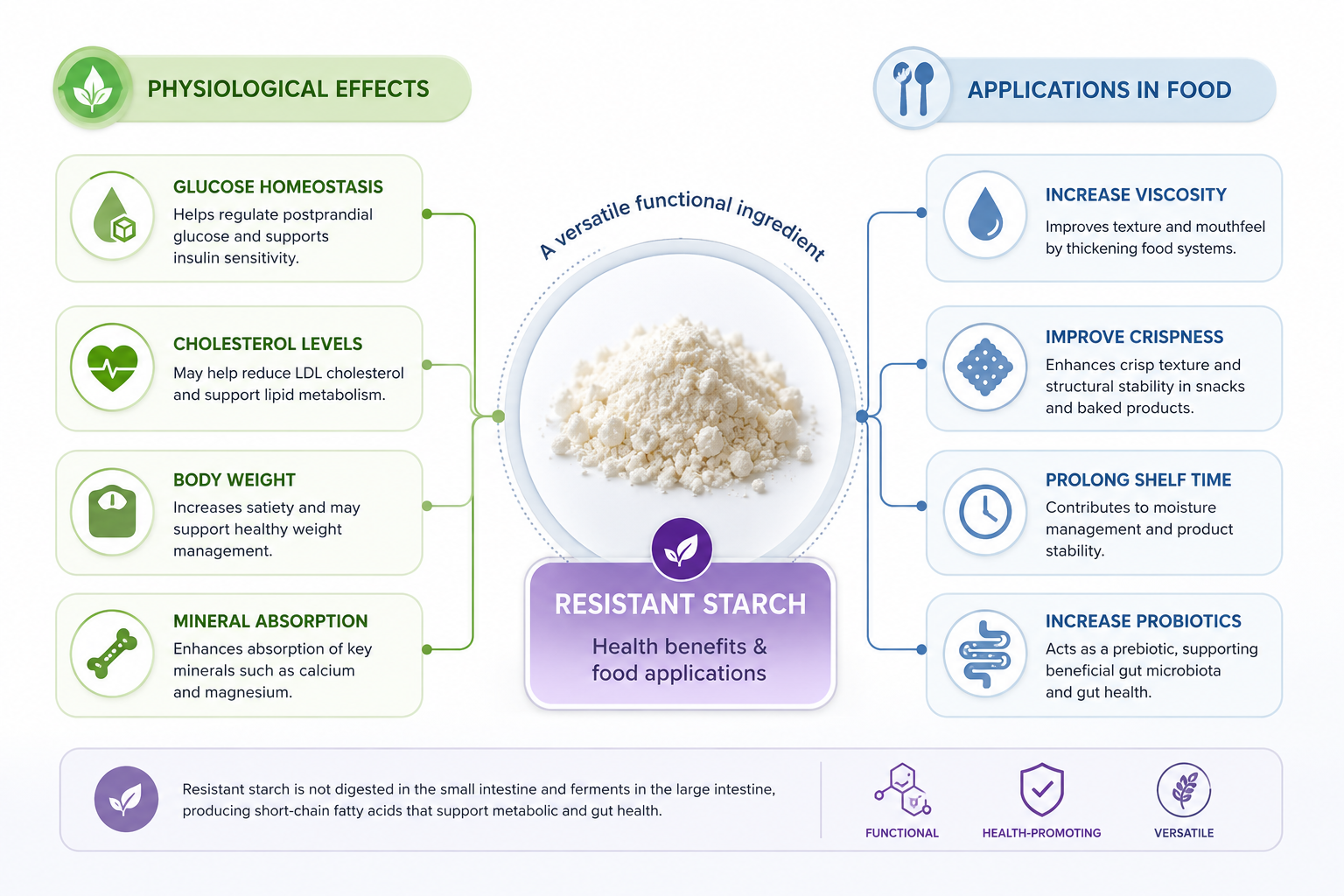
Image adapted using ChatGPO, from Han, J., Wu, J., Liu, X., et al. (2023). Physiological effects of resistant starch and its applications in food: a review. Food Production, Processing and Nutrition 5(1). DOI: 10.1186/s43014-023-00156-x.3
Low-glycemic foods
The glycemic index (GI) of foods refers to the rate at which their consumption increases blood glucose levels as compared to a reference food. Glycemic load (GL) also accounts for the amount of available carbohydrate consumed, and prospective cohort evidence links higher dietary GI and GL with higher type 2 diabetes risk.1 Low-glycemic foods maintain stable blood glucose levels by slowing the digestion and absorption of carbohydrates.
Whole grains like whole oats, barley, and quinoa, legumes like beans and lentils, as well as broccoli and other non-starchy vegetables, have higher fiber, resistant starch, vitamin, mineral, and phytonutrient content than highly processed or refined carbohydrates, thereby producing lower glycemic responses than refined foods.2,3,4
Berries, citrus fruits, apples, and pears can have a relatively low glycemic impact when eaten whole because their intact plant structure, fiber, and polyphenol content can slow digestion and influence carbohydrate absorption.2,4 These fruits are also potent sources of vitamins and bioactive compounds that may support metabolic health and reduce oxidative stress involved in diabetes.4
Various functional foods that are high in soluble dietary fiber and resistant starch have been investigated as potential tools for blood sugar regulation. Resistant starch, for example, is not digested by the small intestine; rather, this component undergoes fermentation in the large intestine to subsequently produce SCFAs. SCFAs, such as acetate, propionate, and butyrate, maintain intestinal barrier integrity and modulate inflammatory pathways implicated in metabolic dysfunction.2,3
Intestinal bacteria also break down fiber into SCFAs to support glucose homeostasis and enhance insulin sensitivity. Soluble fibers such as beta-glucans, psyllium, and inulin similarly slow gastric emptying and glucose absorption.2
Foods or ingredients that provide resistant starch include legumes and coarsely milled grains, less-ripe bananas, cooked and cooled potatoes or rice, and high-amylose starches; however, processing and reheating conditions can alter resistant starch content and digestibility.3
Low Glycemic Diet: What to Eat & Avoid for Blood Sugar Control
Dietary patterns for glycemic control
The Mediterranean diet emphasizes the consumption of plant-based foods, as well as fish, healthy fats like olive oil, and dairy products in moderation, while limiting processed or refined carbohydrate intake. The metabolic benefits associated with this dietary pattern are well established and likely arise from the combined actions of dietary fiber, unsaturated fats, and bioactive phytochemicals on glucose homeostasis and insulin sensitivity.4
Plant-based diets confer similar metabolic health benefits from legumes, whole grains, fruits, and vegetables.4 The delay in digestion caused by soluble fibers, resistant starches, protein, and healthy fats, along with the slower digestion of minimally processed foods with intact plant structures as compared to refined products, further stabilizes glucose levels.2,3
Fermented dairy products, particularly unsweetened yoghurt and probiotic or vitamin D-enriched yoghurts, have also been associated with improved glycemic markers in reviews of type 2 diabetes nutrition evidence; these foods should be chosen without excess added sugar.4
Overall, evidence is strongest for dietary patterns, fiber-rich foods, low-GI or low-GL choices, and some viscous fibers, whereas the effects of individual “superfoods” may depend on dose, preparation, and the broader diet.1,2,4
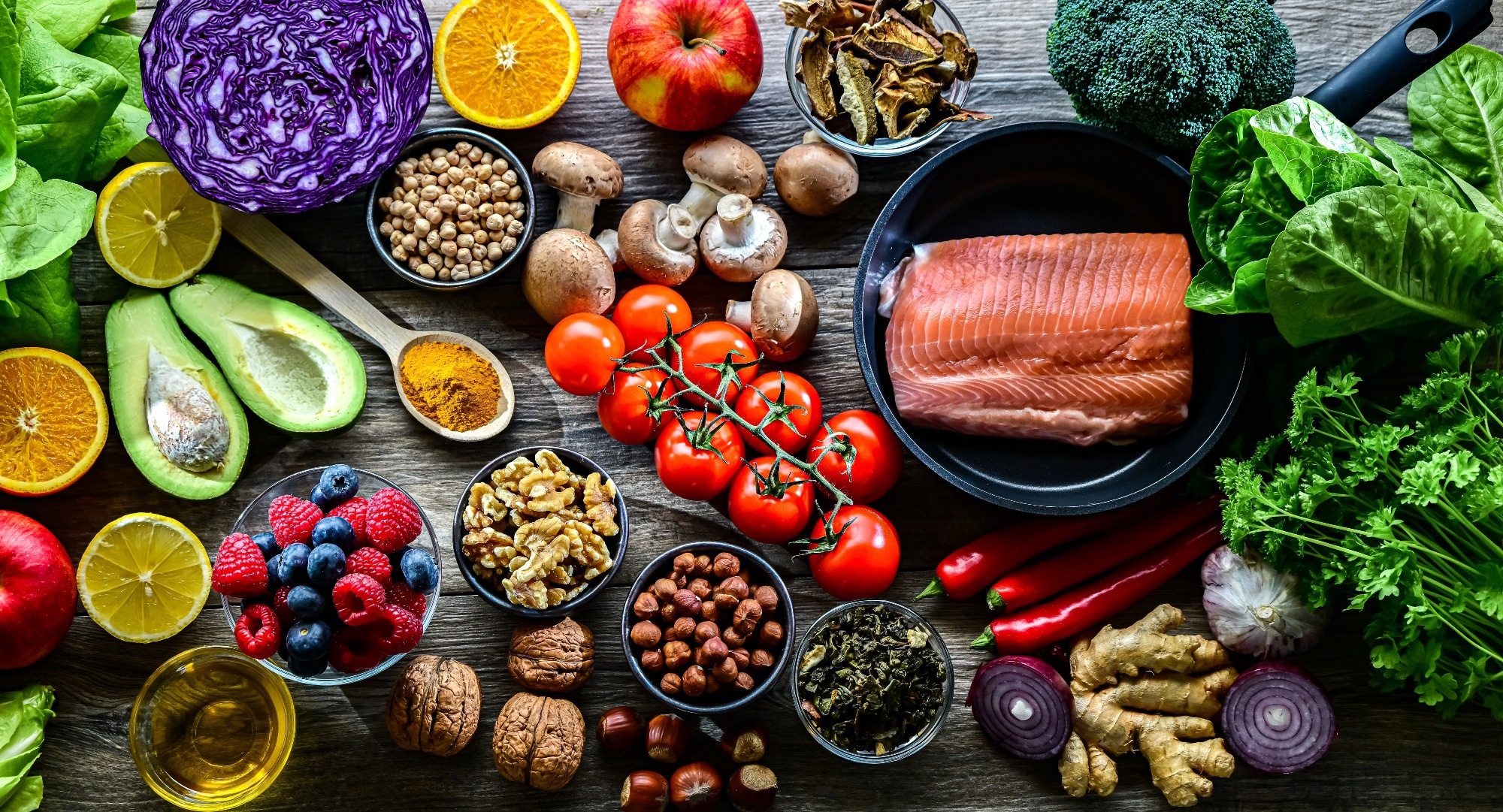 Image Credit: monticello / Shutterstock.com
Clinical implications
Dietary strategies that promote slower glucose release, particularly those characterized by high-fiber foods, whole grains, legumes, fruit and vegetables, and resistant starches, can complement medical nutrition therapy and lifestyle changes typically recommended for managing diabetes.2,3,4 These habits may contribute to better insulin sensitivity and lower glycated hemoglobin levels in individuals with impaired glucose regulation or diabetes.2,4
Long-term metabolic benefits extend beyond blood glucose control, as a low-glycemic, high-fiber diet may reduce inflammation and lipid levels, maintain healthy body weight, and prevent the development of cardiovascular disease. Whole grains, legumes, nuts, and berries are also rich sources of antioxidants and other bioactive compounds that support metabolism and help reduce the risk of diabetes and cardiovascular disease.1,2,4 These dietary approaches may also benefit individuals without diabetes by promoting sustained energy levels, improving satiety, and reducing long-term risk factors associated with obesity, metabolic syndrome, and cardiovascular disease.
These foods should not be presented as substitutes for diabetes medication, individualized medical nutrition therapy, physical activity, or clinical monitoring; rather, they are supportive dietary components within an overall eating pattern.4
References
- Greenwood, D. C., Threapleton, D. E., Evans, C. E. L., et al. (2013). Glycemic index, glycemic load, carbohydrates, and type 2 diabetes: Systematic review and dose–response meta-analysis of prospective studies. Diabetes Care 36(12); 4166-4171. DOI: 10.2337/dc13-0325. https://diabetesjournals.org/care/article/36/12/4166/32997/Glycemic-Index-Glycemic-Load-Carbohydrates-and
- Giuntini, E. B., Sardá, F. A. H., & de Menezes, E. W. (2022). The Effects of Soluble Dietary Fibers on Glycemic Response: An Overview and Futures Perspectives. Foods 11(23). DOI: 10.3390/foods11233934. https://www.mdpi.com/2304-8158/11/23/3934
- Han, J., Wu, J., Liu, X., et al. (2023). Physiological effects of resistant starch and its applications in food: a review. Food Production, Processing and Nutrition 5(1). DOI: 10.1186/s43014-023-00156-x. https://link.springer.com/article/10.1186/s43014-023-00156-x
- Pires, C. (2023). Superfoods for Type 2 Diabetes: A Narrative Review and Proposal for New International Recommendations. Medicina 59(7). DOI: 10.3390/medicina59071184. https://www.mdpi.com/1648-9144/59/7/1184
Further Reading
Last Updated: Jun 28, 2026
 Stalled gut microbiome development triples risk for type 1 diabetes in children