Introduction
What is PPD?
Structural brain changes from pregnancy to the postpartum period
How does the brain change during PPD?
Hormones and the HPA axis
Genetic and epigenetic contributions
Psychosocial and environmental risk factors
Pregnancy and perinatal medical factors
Implications for prevention and management
References
Further reading
Postpartum depression is more than a mood disorder after birth; it reflects a complex interplay of brain remodeling, hormone shifts, and real-world stressors that can shape maternal mental health long after delivery.
 Image Credit: cristinarosepix / Shutterstock.com
Introduction
This article explains how postpartum depression may arise from interacting brain changes, hormone withdrawal, inflammation, and psychosocial stressors across the perinatal period. It also shows why risk varies between women and why screening and treatment should extend across the first postpartum year.
What is PPD?
PPD remains one of the most disabling complications of childbirth, which is typically characterized by sadness, restlessness, impaired concentration, and sleep disturbances. Although PPD is considered a subtype of major depressive disorder (MDD), it is associated with unique clinical features like irritability, psychomotor restlessness and agitation, fatigue, obsessive thoughts, and specific guilt related to motherhood. According to Diagnostic and Statistical Manual of Mental Disorders, 5th Edition (DSM-5) criteria, a woman diagnosed with PPD must experience at least one major depressive episode beginning either during pregnancy or within the first four weeks after delivery3; however, clinically significant postpartum depressive symptoms can emerge later in the first postpartum year, which is why screening studies and public health reports often use a broader postpartum time window.3,10
Recent pooled estimates suggest that postpartum depression affects about one in six mothers worldwide,1 although prevalence varies substantially by country, study design, and screening method. Whereas high-income Western nations report a PPD prevalence of 10-15%, lower-income regions like South Africa have reported PPD rates as high as 40%.1
As compared to “baby blues,” which is described as temporary emotional volatility that starts the first week following childbirth and resolves after several days without treatment, PPD persists for months, requires clinical intervention, and severely impairs daily life. Baby blues are common and self-limited, whereas PPD is more severe and more likely to impair daily functioning.3 Postpartum psychosis, which is a more severe maternal condition than PPD, is a rare psychiatric emergency that affects one in every 500-1,000 mothers, causing delusions and hallucinations.3
Structural brain changes from pregnancy to the postpartum period
During pregnancy, estrogen and progesterone levels rise by 100-1,000-fold, and, due to their neuromodulatory activity, contribute to significant reorganization of the central nervous system. Specifically, increased steroid hormone synthesis during pregnancy has been implicated in neurogenesis, dendritic spine growth, microglial proliferation, and myelination. Simultaneously, significant reductions in gray matter volume, cortical thickness, and changes in white matter that may reflect greater integrity in several tracts have been observed throughout pregnancy, particularly in areas of the cerebral cortex.11
The neuroanatomical changes that unfold during matrescence may have broad implications for understanding individual differences in parental behavior, vulnerability to mental health disorders, and patterns of brain aging.11
Some pregnancy-related reductions in gray matter volume and cortical thickness have been observed to persist well into the postpartum period, whereas white matter changes may normalize more quickly after birth.11 Additional short- and long-term effects on brain structure reorganization have also been observed during the postpartum period, with significant alterations in the amygdala and subgenual prefrontal cortex reported among healthy postpartum women.
Study sheds light on the science behind postpartum depression
How does the brain change during PPD?
Recent advances in brain imaging technologies reveal that PPD patients often exhibit resting-state differences in communication between brain regions, including within networks such as the Default Mode Network (DMN). Typically, the DMN will be active during periods of rest while suppressing its activity during energy-intensive tasks that require focusing on external stimuli. Systematic reviews suggest that DMN dysregulation may coexist with structural abnormalities, including cortical changes in regions such as the inferior parietal lobule, rather than any single imaging finding serving as a standalone hallmark of PPD.4
Increased cortical thickness of the superior frontal gyrus, a core region of the dorsolateral prefrontal cortex involved in cognitive processing, emotional regulation, and executive function, has also been observed in the brains of PPD patients. Previous studies have reported correlations between abnormalities in the dorsolateral prefrontal cortex and depression, which may also contribute to impairments affecting attention, judgement, and decision-making abilities during PPD12.
Other areas of the brain that exhibit structural changes in PPD include the amygdala, cingulum gyrus, hippocampus, and insula, as well as the frontal, parietal, and occipital lobes4. For example, depression severity has negatively correlated with left amygdala activity, whereas increased right amygdala activity has been observed among women with PPD after positive infant emotional stimuli.
Hormones and the HPA axis
Current evidence remains mixed regarding the roles of estradiol and progesterone in the development of PPD. Nevertheless, the broader literature supports a role for reproductive hormone withdrawal, neuroactive steroid fluctuations, altered stress responsivity, and inflammatory signaling in susceptible women.3,5,6
Progesterone similarly upregulates BDNF expression in the hippocampus and cerebral cortex, in addition to its role in modulating neurotransmitter synthesis, release, and transport. Its neuroactive metabolite allopregnanolone has attracted particular attention because abrupt postpartum withdrawal may alter GABAA-receptor signaling and contribute to anxiety and depressive symptoms in vulnerable mothers.5,6
Dysregulation of the hypothalamic-pituitary-adrenal (HPA) axis is a central mechanism in PPD, often affecting corticotropin-releasing hormone (CRH), a hormone produced in high concentrations by the placenta during pregnancy.5 Once the placenta is delivered, a sudden decline in CRH occurs, along with adrenocorticotropic hormone (ACTH) and cortisol levels, which results in a hyporesponsive maternal stress-response system in at least some women during early postpartum adaptation.5
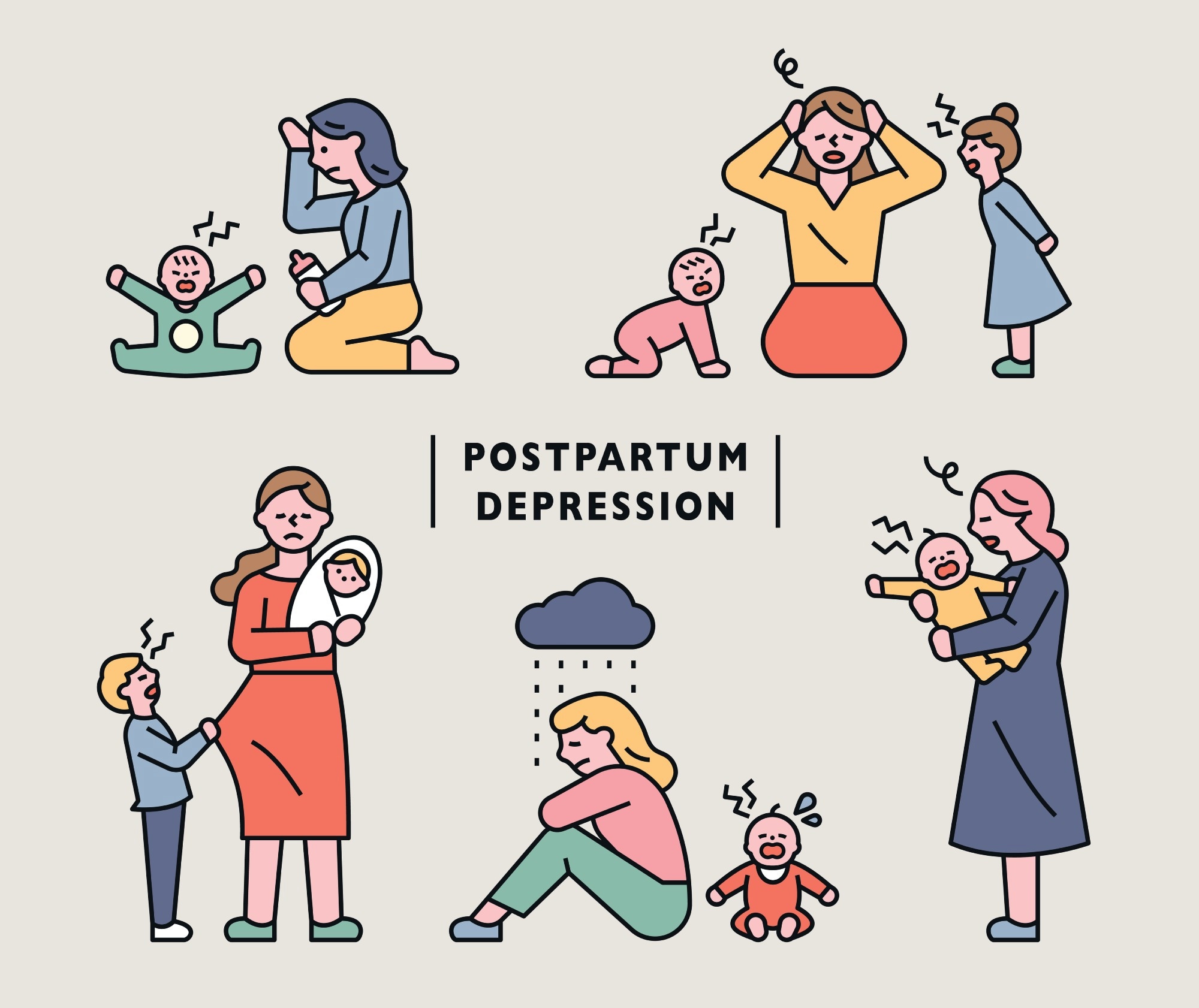 Image Credit: miniwide / Shutterstock.com
Genetic and epigenetic contributions
Growing evidence indicates that PPD is a heritable condition, with several studies that have identified gene polymorphisms implicated in PPD that affect oxytocin and estrogen metabolism pathways. Large-scale twin cohort studies have confirmed these genetic contributions, estimating the heritability of PPD to be between 44% and 54%.3
The most cited example of the effects of environmental exposures on innate genetic factors is the oxytocin receptor gene (OXTR), which dictates how well a mother uses oxytocin to bond with her baby and manage stress.3 OXTR variants and DNA methylation patterns have been investigated as possible contributors to PPD risk, but these findings remain preliminary and are not yet established clinical biomarkers.3
Psychosocial and environmental risk factors
Women with pre-existing psychiatric conditions are particularly vulnerable to the impacts of perinatal hormonal crashes and developing PPD.2 Severe environmental factors like domestic violence and financial destitution also increase PPD risk, with some studies finding these populations up to three times more likely to develop the condition.2,3
Prior depression or anxiety, high stress, poor marital or partner relationships, and low social support are among the most consistently reported psychosocial risk factors for PPD.2,3 Severe sleep deprivation, which degrades HPA axis resilience, also contributes to the emergence of depressive symptoms among postpartum mothers.3
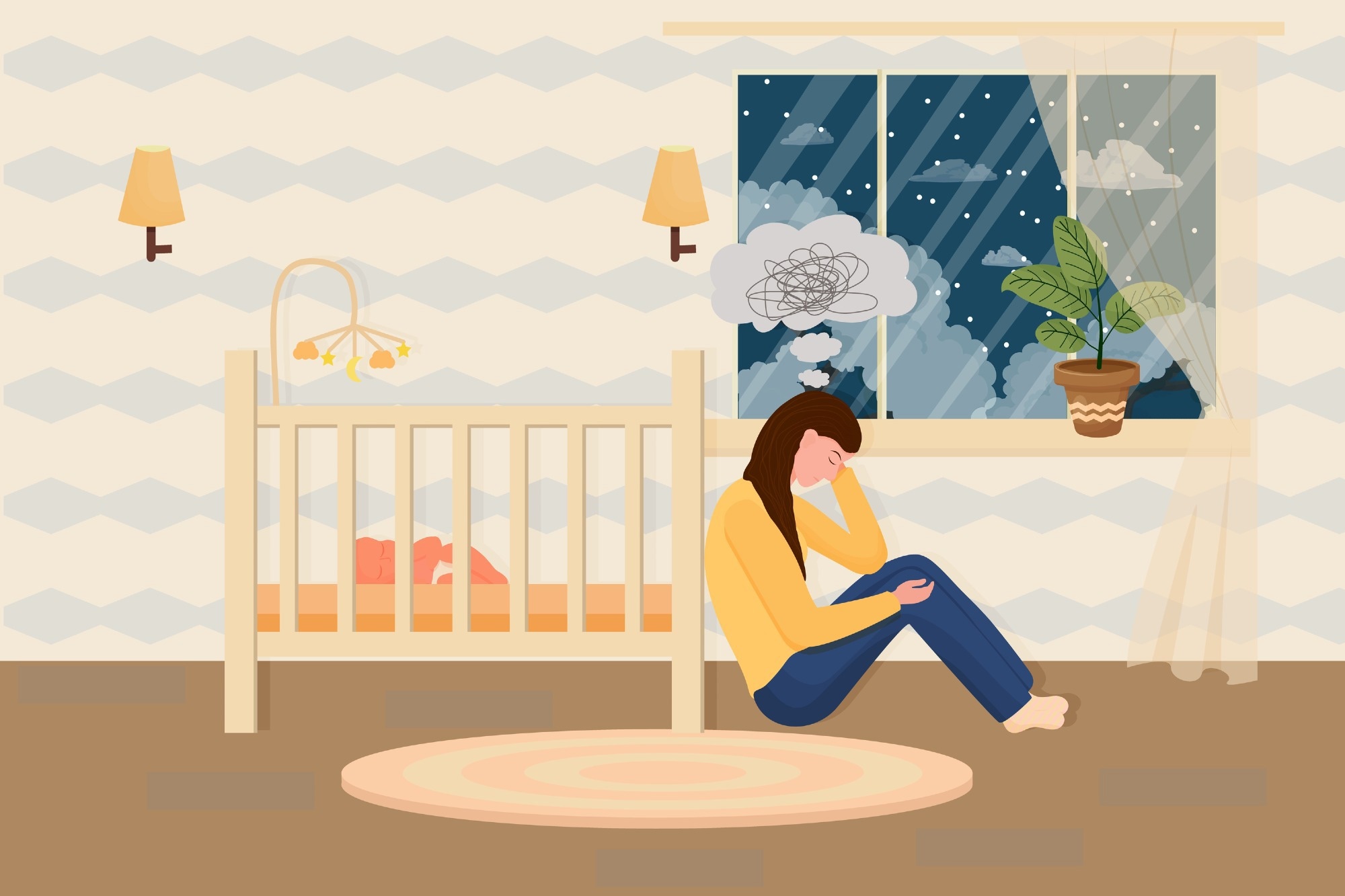 Image Credit: AlyonaZhitnaya / Shutterstock.com
Pregnancy and perinatal medical factors
Unintended pregnancies increase the likelihood of developing PPD by 1.53 times as compared to planned conceptions, with this risk attributed to the psychological burdens of unexpected conception.7 Women diagnosed with gestational diabetes are at a similarly greater risk of perinatal depression as compared to their metabolically healthy peers, although reviews describe this association as mixed across studies and not yet sufficient to establish a uniform effect size or a clear causal relationship.8
Preeclampsia is a key risk factor for PPD, as it has been shown to increase the risk of depressive symptoms by up to 12.7-fold.9 However, the broader evidence base is mixed, with some earlier studies finding more modest associations or attenuation after adjustment for confounders; overall, preeclampsia appears to be an important risk marker, even if the exact effect size varies across studies.9 Inflammation, endothelial dysfunction, HPA-axis disturbance, and the psychological burden of obstetric complications may all contribute to this elevated risk.5,9
Implications for prevention and management
Clinical guidelines increasingly advocate for comprehensive screening protocols during the postpartum period, ideally with validated tools like the Edinburgh Postnatal Depression Scale (EPDS).10 Because many women with postpartum depressive symptoms are first identified later rather than immediately after delivery, repeated screening across the first postpartum year is important.10 First-line management for mild-to-moderate PPD typically involves structured psychosocial interventions like cognitive-behavioral therapy. Integrating partner and family involvement into the counseling process is thought to mitigate feelings of isolation and rebuild maternal self-efficacy.3
Currently, the United States Food and Drug Administration (FDA) has granted approval to two PPD-specific drugs, brexanolone and zuranolone, both of which are neuroactive-steroid treatments that enhance inhibitory GABAA-receptor signaling; brexanolone is an intravenous formulation of allopregnanolone, whereas zuranolone is an oral synthetic neuroactive steroid.6 Although these pharmaceutical agents have been shown to provide significant improvements in depressive symptoms among PPD patients, these drugs are associated with significant risks, including psychomotor impairment and sedative effects.
References
- Wang, Z., Liu, J., Shuai, H., et al. (2021). Mapping global prevalence of depression among postpartum women. Translational Psychiatry 11(1). DOI: 10.1038/s41398-021-01663-6. https://www.nature.com/articles/s41398-021-01663-6
- Amer, S. A., Zaitoun, N. A., Abdelsalam, H. A., et al. (2024). Exploring predictors and prevalence of postpartum depression among mothers: Multinational study. BMC Public Health 24(1). DOI: 10.1186/s12889-024-18502-0. https://link.springer.com/article/10.1186/s12889-024-18502-0
- Dimcea, D. A., Petca, R., Dumitrașcu, M. C., et al. (2024). Postpartum Depression: Etiology, Treatment, and Consequences for Maternal Care. Diagnostics 14(9); 865. DOI: 10.3390/diagnostics14090865. https://www.mdpi.com/2075-4418/14/9/865
- Horáková, A., Němcová, H., Mohr, P., & Sebela, A. (2022). Structural, functional, and metabolic signatures of postpartum depression: A systematic review. Frontiers in Psychiatry 13. DOI: 10.3389/fpsyt.2022.1044995. https://www.frontiersin.org/journals/psychiatry/articles/10.3389/fpsyt.2022.1044995/full
- Worthen, R. J., & Beurel, E. (2022). Inflammatory and neurodegenerative pathophysiology implicated in postpartum depression. Neurobiology of Disease 165; 105646. DOI: 10.1016/j.nbd.2022.105646. https://linkinghub.elsevier.com/retrieve/pii/S0969996122000377
- Zawilska, J. B., & Zwierzyńska, E. (2025). Neuroactive Steroids as Novel Promising Drugs in Therapy of Postpartum Depression - Focus on Zuranolone. International Journal of Molecular Sciences 26(13); 6545. DOI: 10.3390/ijms26136545. https://www.mdpi.com/1422-0067/26/13/6545
- Qiu, X., Zhang, S., Sun, X., et al. (2020). Unintended pregnancy and postpartum depression: A meta-analysis of cohort and case-control studies. Journal of Psychosomatic Research 138; 110259. DOI: 10.1016/j.jpsychores.2020.110259. https://www.sciencedirect.com/science/article/abs/pii/S0022399920308217
- Rath, K., & Smitha, M. V. (2025). Association Between Gestational Diabetes Mellitus and Maternal Depression: A Narrative Review. Cureus. DOI: 10.7759/cureus.86886. https://www.cureus.com/articles/374838-association-between-gestational-diabetes-mellitus-and-maternal-depression-a-narrative-review
- Holbanel, L., Turcu-Stiolica, A., Glavan, D. G., et al. (2026). Preeclampsia as an Independent and Major Risk Factor for Significant Postpartum Depression Symptomatology: Results from a Prospective Cohort Study. Journal of Clinical Medicine 15(1); 395. DOI: 10.3390/jcm15010395. https://www.mdpi.com/2077-0383/15/1/395
- Robbins, C. L., Ko, J. Y., D’Angelo, D. V., et al. (2023). Timing of Postpartum Depressive Symptoms. Preventing Chronic Disease, 20. DOI: 10.5888/pcd20.230107. https://www.cdc.gov/pcd/issues/2023/23_0107.htm
- Pritschet, L., Taylor, C. M., Cossio, D., et al. (2024). Neuroanatomical changes observed over the course of a human pregnancy. Nature Neuroscience 27; 2253-2260. DOI: 10.1038/s41593-024-01741-0. https://www.nature.com/articles/s41593-024-01741-0
- Yang, W., Jiang, Y., Ma, L., et al. (2023). Cortical and subcortical morphological alterations in postpartum depression. Behavioural Brain Research 447. DOI: 10.1016/j.bbr.2023.114414. https://www.sciencedirect.com/science/article/pii/S0166432823001328
Further Reading
Last Updated: Mar 19, 2026