Introduction
What is the milpa eating pattern?
Nutritional characteristics of the milpa diet
Health benefits of the milpa diet
Milpa diet and food security
Cultural relevance and modern context
References
Further reading
Rooted in ancient agricultural wisdom, the milpa diet reveals how biodiversity, nutrient synergy, and traditional food systems can shape a healthier future for both people and the planet.
 Image Credit: CK-TravelPhotos / Shutterstock.com
Introduction
The milpa diet, a traditional Mesoamerican eating pattern based on corn, beans, and squash, is gaining attention for its potential health and environmental benefits. Rooted in Indigenous agricultural systems developed over thousands of years, this dietary pattern reflects a broader biocultural food system and nutritional ecosystem rather than a single set of foods. Rich in plant-based protein, fiber, and bioactive compounds, the milpa diet supports metabolic health while promoting sustainable food systems.1,4
What is the milpa eating pattern?
The milpa diet is a traditional Mesoamerican food pattern based on milpa agriculture, an ancient system of farming wherein each crop plays a complementary role. The term “milpa” derives from the Nahuatl language (milli, “planted field,” and pan, “on top of”) and refers to both the cultivated field and the polyculture system itself. This polyculture system includes maize, beans, squash, and other crops like chili peppers, tomatoes, amaranth, quelites (wild greens), and other regionally adapted species.1-4
Whereas maize provides structural support for climbing bean vines, beans enrich the soil through nitrogen fixation, mediated by symbiotic nitrogen-fixing bacteria that enhance soil fertility and reduce the need for external inputs.4 Squash spreads across the ground to help retain soil moisture and suppress weeds. Together, these interactions allow for the efficient use of sunlight, water, and soil nutrients, while supporting biodiversity and long-term soil fertility, and improving system resilience to environmental stressors such as drought and climate variability.3
Originating in pre-Hispanic Mesoamerica, milpa agriculture has been sustained for generations as a cornerstone of Indigenous food systems. Archaeological and historical evidence suggests the system dates back several thousand years and served as the primary subsistence base of Mesoamerican civilizations.4 Today, it remains an important model for food security and sustainable farming practices in parts of Mexico and Central America.
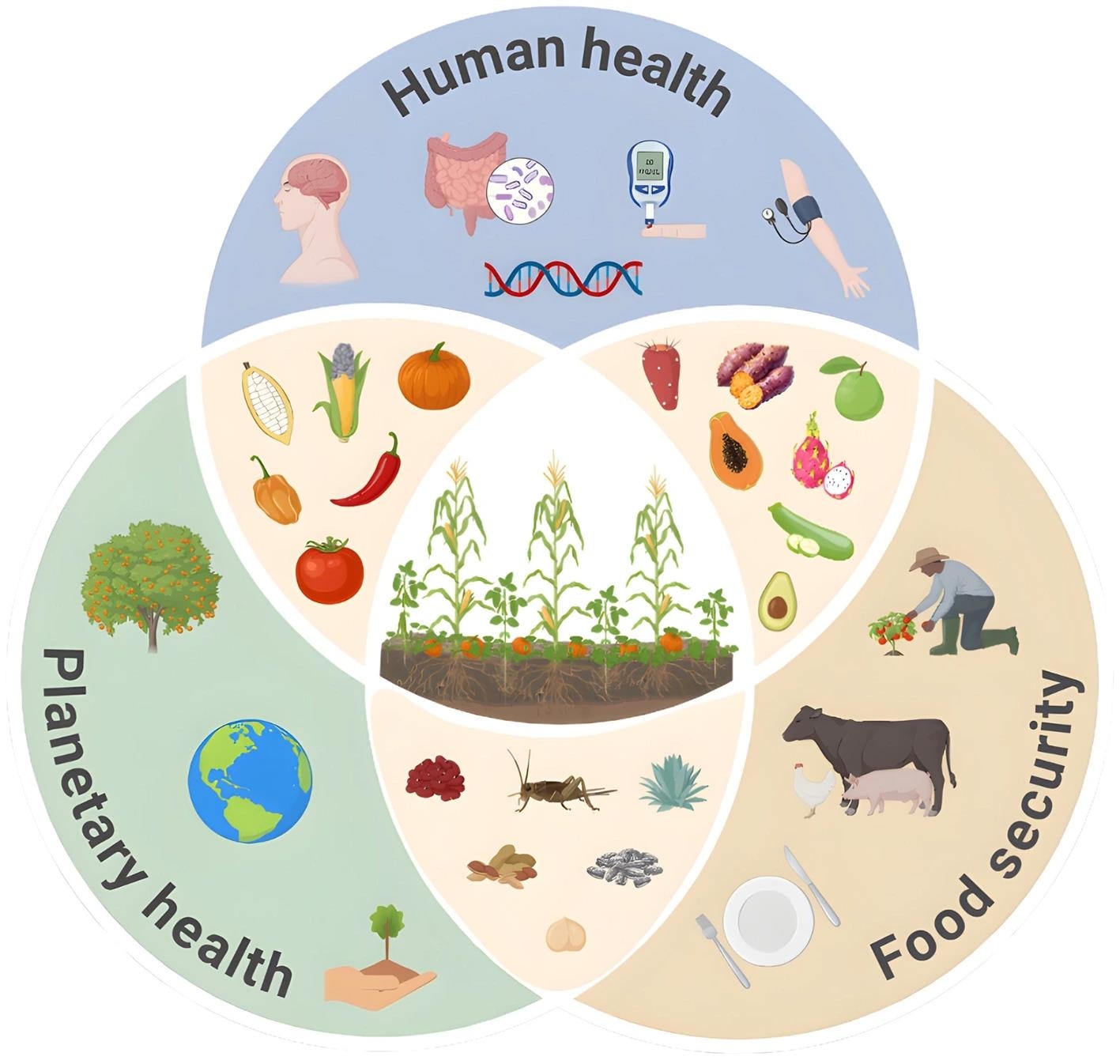
The Milpa paradigm is a synergistic framework for human health, planetary health, and food security. The central intersection represents the core Mesoamerican triad (maize, beans, and squash) cultivated as an agroecological polyculture. The overlapping spheres illustrate the multidimensional impacts of this biocultural system. Human health is supported by diverse, nutrient-dense foods that positively modulate the gut microbiome, metabolic markers, and genomic expression. Planetary health is promoted through biodiversity conservation, sustainable land use, and climate adaptation. Food security is achieved via resilient local agriculture, culturally relevant protein sources (including backyard livestock and edible insects), and food sovereignty. Together, these elements form a holistic, salutogenic nutritional model.1
Nutritional characteristics of the milpa diet
The nutritional value of the milpa diet is attributed to synergistic effects when crop combinations are grown within the milpa agricultural system. Maize supports energy production and digestion, whereas beans are an important source of lysine and tryptophan, which are absent in maize.2 This complementarity helps overcome limiting amino acids in individual crops, improving overall protein quality when consumed together.3
Milpa foods are also rich in vitamins, minerals, phenolics, flavonoids, carotenoids, phytosterols, and polyunsaturated fatty acids that confer antioxidant and anti-inflammatory effects. These include bioactive compounds such as polyphenols, saponins, carotenoids, and phytosterols, which act synergistically to modulate oxidative stress and inflammation.3,4 The high fiber content of these foods supports gut health and contributes to improved metabolic regulation.2,4 This fiber diversity promotes the production of short-chain fatty acids through fermentation by gut microbiota, contributing to metabolic and intestinal health.2
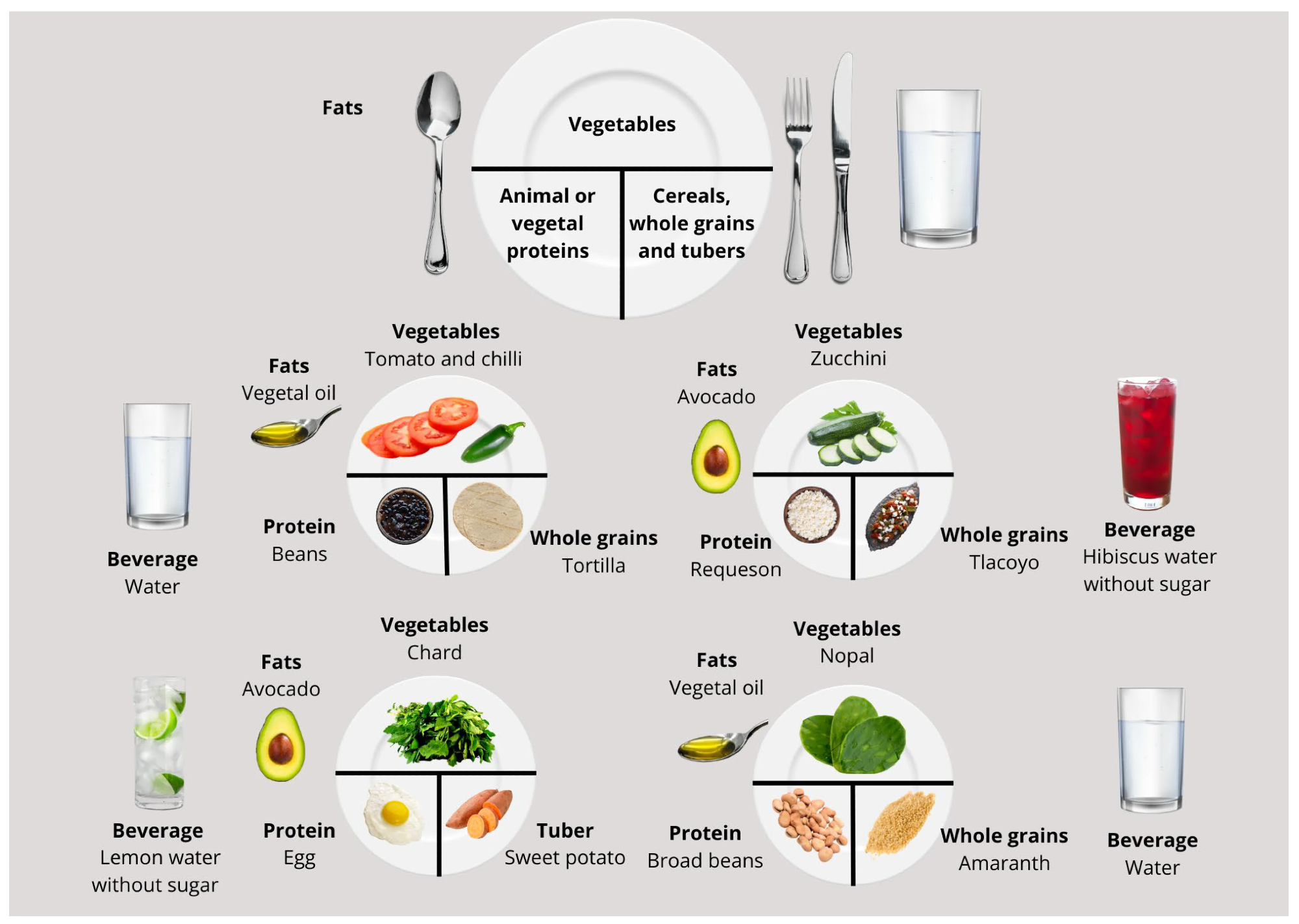
Examples of main meals using traditional foods of the milpa diet.2
In addition, the milpa system provides a balanced macronutrient profile, including complex carbohydrates (from maize), plant-based proteins (from beans), and healthy lipids (notably from squash seeds), alongside essential micronutrients such as B vitamins, vitamin A precursors, iron, and zinc.3
Traditional food processing techniques, such as nixtamalization, further enhance the nutritional quality of milpa foods. During nixtamalization, maize is cooked and soaked in an alkaline solution, typically containing calcium hydroxide, to make nutrients like niacin and calcium easier to absorb.4 This process also improves protein digestibility, increases mineral bioavailability, and reduces certain antinutritional factors.1
Milpa Farming in the Yucatán: Cook It Raw (Part 2)
Health benefits of the milpa diet
The milpa diet includes minimally processed plant foods like corn, beans, and squash that provide complex carbohydrates, protein, vitamins, minerals, and phytochemicals to support metabolism and reduce the risk of cardiovascular and metabolic diseases. These foods are increasingly recognized as functional foods due to their high concentrations of bioactive compounds and synergistic physiological effects.3 Like the milpa diet, eating patterns that emphasize legumes, whole grains, and plant-based foods are associated with improved glycemic control and healthier lipid profiles, thereby preventing type 2 diabetes and metabolic dysfunction.2,3
Research suggests that the milpa dietary pattern may be beneficial for the liver, as its high fiber, antioxidant, and anti-inflammatory content reduces oxidative stress associated with metabolic dysfunction-related steatotic liver disease (MASLD).4 Its emphasis on minimally processed foods and low intake of saturated fats aligns with clinical dietary recommendations for metabolic disease prevention.2 Within the gastrointestinal tract, dietary fibers in beans, maize, and other plant foods act as substrates for beneficial gut bacteria, thereby promoting microbiome diversity and the production of short-chain fatty acids that contribute to metabolic and intestinal health.2,4 Together, these effects illustrate a “multi-target” or systems-level nutritional mechanism rather than isolated nutrient actions.1
Milpa diet and food security
The milpa system promotes the cultivation of multiple complementary crops, including maize, beans, squash, and many regional plant varieties, rather than a single crop type as in monoculture farming. This polyculture approach improves resilience to climate variability, enhances biodiversity, and optimizes the use of natural resources such as water, soil, and sunlight.3 This farming approach enhances nutritional adequacy, thereby reducing the likelihood of deficiencies within the community.2,4
The ecological organization of the milpa system is highly sustainable, with each crop interacting with the others to enhance soil fertility and biodiversity, thereby conserving water and reducing land loss from soil erosion.1 Compared to industrial monocultures, the system requires fewer external inputs and supports long-term ecosystem stability.3 By combining agricultural sustainability and nutritional diversity, the milpa system supports community food independence and resilience and contributes to food sovereignty.1
 Image Credit: SALMONNEGRO-STOCK / Shutterstock.com
Cultural relevance and modern context
The milpa diet reflects a cultural tradition rooted in indigenous knowledge and ecological practices developed over centuries in Mesoamerica. The milpa system is a biocultural system that integrates agriculture, food preparation, and culture, linking people with their environment and local biodiversity. It also plays a central role in preserving traditional ecological knowledge and cultural identity.1,3,4
However, several modern challenges threaten the continuity of this traditional system. Urbanization and industrial farming have changed food patterns and production, as milpa farming has declined amid the rise of processed foods that are lower in nutritional value. This nutrition transition toward ultra-processed foods has been linked to increased prevalence of obesity and other noncommunicable diseases.2,3,4
References
- Fernández-Demeneghi, R., Sánchez-Jiménez, M. A., Huerta-Canseco, C., et al. (2026). The Milpa diet: a functional, sustainable pattern for human and planetary health. Frontiers in Nutrition 13. DOI: 10.3389/fnut.2026.1790861. https://www.frontiersin.org/journals/nutrition/articles/10.3389/fnut.2026.1790861/full
- Huerta-Álvarez, A., Arellano, M., Chávez-Méndez, C. A., et al. (2025). Milpa Diet for MASLD in Mesoamerican Populations: Feasibility, Advantages, and Future Perspectives. Life 15(5). DOI: 10.3390/life15050812. https://www.mdpi.com/2075-1729/15/5/812
- Sánchez-Velázquez, O. A., Luna-Vital, D. A., Morales-Hernandez, N., et al. (2023). Nutritional, bioactive components and health properties of the milpa triad system seeds (corn, common bean and pumpkin). Frontiers in Nutrition. DOI: 10.3389/fnut.2023.1169675. https://www.frontiersin.org/articles/10.3389/fnut.2023.1169675/full\
- Metych, M. (2025, February 11). milpa. Encyclopedia Britannica. https://www.britannica.com/science/three-sisters
Further Reading
Last Updated: Mar 25, 2026