Blueberry compounds may help support mood, memory, and attention in children, but researchers say stronger clinical evidence is needed before they can be recommended as an adjunctive strategy for neurodevelopmental and emotional–behavioral disorders.
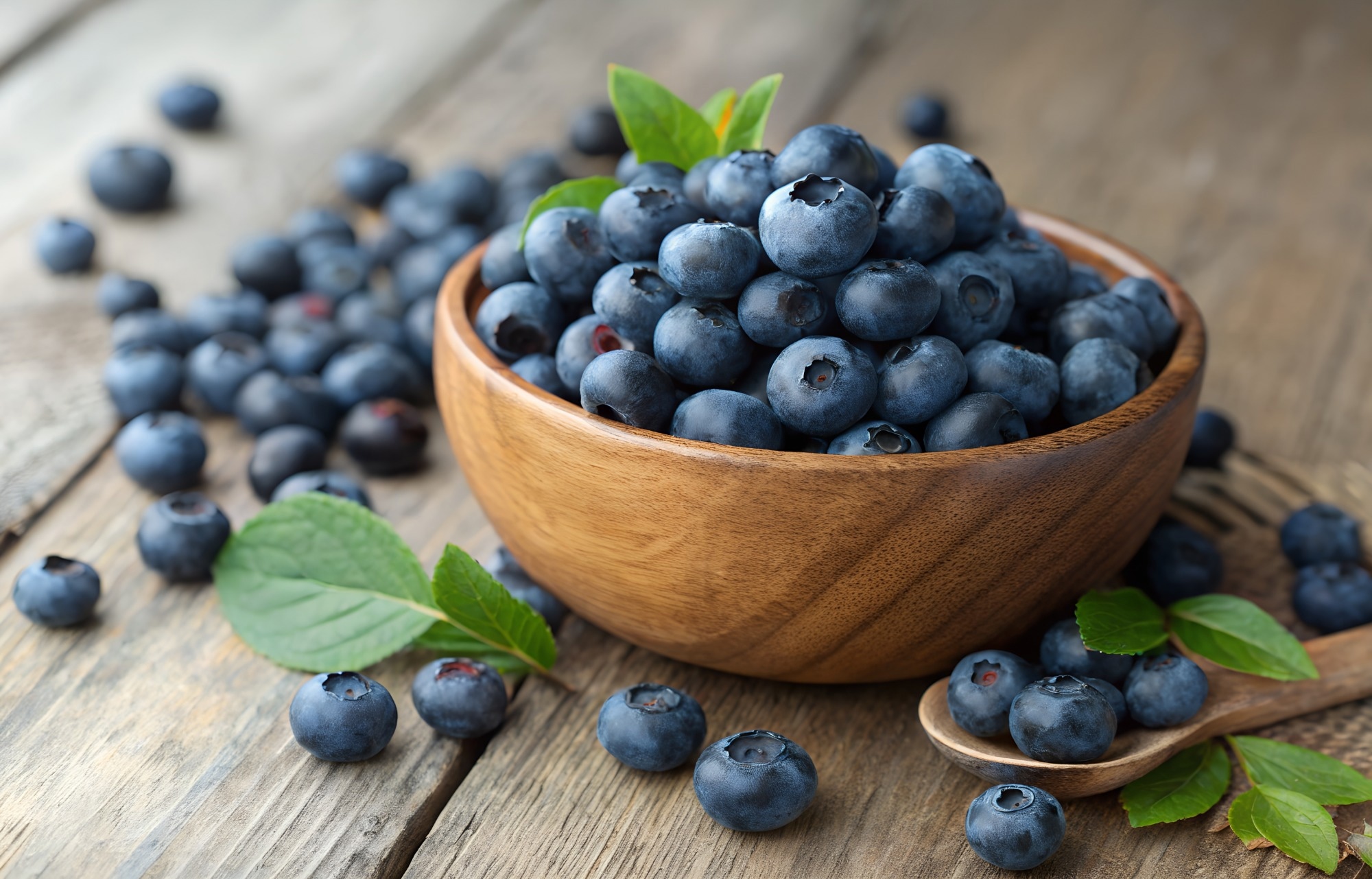 Study: Blueberry Bioactives as Adjunctive Nutritional Strategies for Pediatric Neurodevelopmental and Emotional–Behavioral Health: Mechanisms, Evidence, and Translational Challenges. Image credit: riabd/Shutterstock.com
A recent narrative review in Nutrients examined the literature published between January 2016 and March 2025 in PubMed, Web of Science, and Scopus databases to understand how blueberry-derived bioactive compounds may influence neurodevelopmental, emotional, and behavioral outcomes in children, highlighting potential mechanisms of action.
Blueberries as neuroprotective agents in pediatric health
Childhood neurodevelopmental, emotional, and behavioral disorders are an escalating public health concern. In the United States, the prevalence of these conditions among children aged 3–17 years rose from 25.3% in 2016 to 27.7% in 2021, with notable increases in anxiety, depression, learning disabilities, developmental delays, and speech or language disorders.
Early intervention is essential for effective symptom management and better long-term outcomes. For children with neurodevelopmental disorders such as autism spectrum disorder, intellectual disability, or complex medical needs, adjunctive strategies may play a crucial role in comprehensive care when used alongside established clinical, psychological, educational, or pharmacological interventions.
Blueberries (Vaccinium spp.) are a rich source of bioactive compounds, especially anthocyanins, phenolic acids, and flavonols, which exhibit neuroprotective properties. Clinical studies indicate that a single dose can quickly boost positive mood in children, although these effects are often short-lived. The mood-enhancing effects of blueberries are thought to be primarily attributed to anthocyanins, which may enhance cerebral blood flow to emotion-regulating regions and inhibit monoamine oxidase, thereby supporting healthy serotonin and dopamine levels.
Some studies suggest regular blueberry intake may improve selected measures of executive function, attention, and memory, but longer-term studies are needed to confirm persistent mood benefits. Blueberry supplementation has shown cognitive benefits in studies across the lifespan, particularly during periods of rapid brain development in children.
Anthocyanins and flavonols have been reported to improve both immediate and delayed verbal memory after a single dose and may enhance overall memory retention. Additionally, blueberry-derived polyphenols have been shown to speed up reaction times on attention tasks and improve executive function without sacrificing accuracy, reflecting greater cognitive efficiency.
Notably, there is a clear dose–response relationship: higher anthocyanin intake has been associated with greater cognitive benefits, with measurable effects emerging within hours as polyphenol metabolites peak in the bloodstream.
Mechanisms of blueberries’ neuroprotective effects in children
Imbalances in gut microbiota are linked to neurological and neurodevelopmental disorders such as autism. Children with autism typically experience more gastrointestinal (GI) issues than their neurotypical peers, and the severity of these GI symptoms often parallels the intensity of core autism symptoms. This connection highlights gut health as a potential key mechanism and therapeutic target for these conditions.
Breastfeeding for more than six months has been associated with a lower risk of ASD and protection against GI issues, likely by promoting a healthy gut microbiome. The review suggests that introducing freeze-dried blueberry powder during the complementary feeding period may influence beneficial gut bacteria, although evidence for long-term neurodevelopmental benefits remains limited.
The brain is highly susceptible to oxidative stress, which can drive cognitive decline and neurodegenerative diseases. Blueberry polyphenols are powerful antioxidants that may reduce oxidative stress via the Nrf2 pathway and inflammation in the brain. Animal studies indicate that blueberries decrease inflammatory markers, increase dopamine, and ease anxiety and depressive behaviors. In humans, blueberry extracts have improved memory and blood pressure in older adults, though more clinical trials are needed to confirm their effects on mood disorders.
Bioactive compounds in blueberries may boost learning and memory by promoting synaptic plasticity and neurogenesis, as shown in animal and cell studies. These benefits include increased levels of neurotrophic factors and improved neuronal growth. While preclinical evidence is encouraging, more studies are needed to confirm these effects in children and identify the most effective supplementation strategies.
Safety and practical use of blueberries in pediatric neurodevelopmental care
Blueberries are generally safe and well-tolerated in children, including those with neurodevelopmental or emotional–behavioral disorders. Whole blueberries and minimally processed products have a long history of safe dietary use, with low allergic potential and no serious adverse events in clinical trials at typical dietary doses.
However, caution is needed when considering concentrated anthocyanin extracts or supplements. These may deliver higher polyphenol doses than normal dietary intake, and safe pediatric dosage levels are not well established. Children on medications, such as stimulants for attention-deficit/hyperactivity disorder (ADHD) or selective serotonin reuptake inhibitors (SSRIs) for anxiety/depression, may face theoretical drug-nutrient interactions, but evidence is limited. It is important to inform healthcare providers before starting concentrated polyphenol supplements.
In real-world settings, translating the potential health-related effects of blueberries into practice poses challenges. This is because anthocyanins, the key compounds, are unstable, poorly bioavailable, and often degraded during food processing. Innovative solutions, such as green extraction, colon-targeted microencapsulation, and zero-waste engineering, are emerging to address these issues and enhance both delivery and sustainability.
Crucially, rigorous clinical trials in children with diagnosed neurodevelopmental or emotional–behavioral disorders, as well as advances in food engineering, are needed to bring blueberry-based interventions into practical use.
Conclusions
Children with neurodevelopmental disorders are especially vulnerable to depression and emotional difficulties. Including blueberries as part of a balanced diet may help support mental health in young people. However, the use of concentrated blueberry supplements should be supervised, especially in clinical populations.
Ultimately, combining dietary strategies like blueberry intake with broader therapeutic and lifestyle interventions may offer supportive benefits, but blueberry-based interventions should currently be regarded as investigational adjunctive approaches for improving mental health in children and adolescents with neurodevelopmental or emotional challenges.
Download your PDF copy now!
Journal reference:
-
Fan, L., Wei, S., Yang, X., Ma, Y., Zhu, C., Su, T., Shi, D., & Song, K. (2026). Blueberry Bioactives as Adjunctive Nutritional Strategies for Pediatric Neurodevelopmental and Emotional–Behavioral Health: Mechanisms, Evidence, and Translational Challenges. Nutrients, 18(13), 2039. DOI: https://doi.org/10.3390/nu18132039. https://www.mdpi.com/2072-6643/18/13/2039
 GLP-1 medications place children at risk for nutritional deficiencies