Introduction
Core components and nutritional profile
Metabolic and cardiovascular health effects
Cultural relevance and modern dietary transition challenges
References
Further reading
A traditional, fiber-rich way of eating may help reduce inflammation, support metabolic resilience, and preserve African food heritage amid rapid dietary westernization.
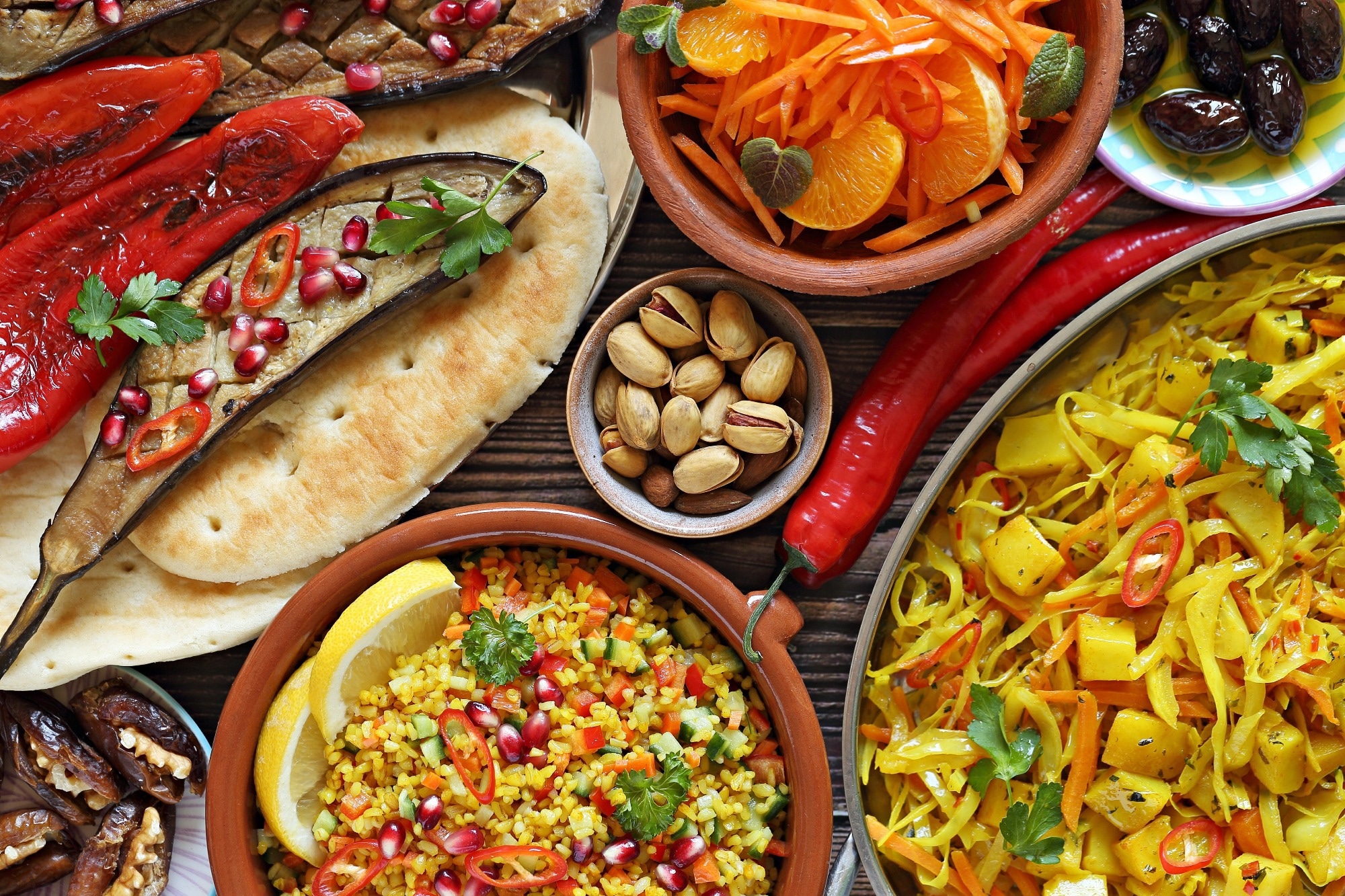 Image Credit: Losangela / Shutterstock.com
Introduction
The African heritage diet reflects traditional dietary patterns followed across African and African diaspora populations for generations. It should be understood as a culturally diverse family of regional foodways rather than a single fixed diet; current scoping evidence identifies cereals and cereal products, pulses, seeds, nuts, and vegetables as the most consistently reported continental African food groups, with fruits, roots, tubers, plantains, and their products also frequently described.
This article explores the African heritage diet, highlighting traditional African foods, plant-based eating patterns, and high-fiber diets that have been associated with improved metabolic and cardiovascular health, reduced inflammation, healthier gut microbiota, and lower chronic disease risk, though they do not, on their own, prove to be effective at preventing chronic disease.1,2,5
Core components and nutritional profile
The African heritage diet primarily consists of legumes, leafy greens, whole grains, root vegetables, fruits, nuts, and seeds with lower reliance on ultra-processed foods and refined or added sugars, although total sugar intake can vary by region, staple foods, and study diet composition.1,5 Traditional patterns are often plant-forward but not exclusively plant-based, as fish, shellfish, dairy, meat, fats, and oils appear in some regional dietary descriptions.
Commonly cited foods include maize, cassava, cowpeas, millet, sorghum, vegetables, fruit, legumes, and fish, although specific staples vary substantially by region and community.1 Rich in dietary fiber, polyphenols, and diverse plant nutrients, these high fiber foods support cardiometabolic health while promoting healthy digestion.1,2
Traditional preparation methods further enhance the nutritional value of traditional African meals. The fermentation of foods and drinks made from cereal grains such as millet, sorghum, and maize; starchy root crops such as cassava; legumes and oilseeds; dairy; fruit; sap; honey; or cereal-based substrates can improve flavor, shelf life, digestibility, food safety, and nutrient availability while introducing microbial communities and bioactive metabolites.4
Fermented African foods contain diverse microbial populations with potential probiotic and anti-inflammatory properties that may support gut and immune health. Frequently reported microorganisms include lactic acid bacteria and yeasts, with genera such as Lactobacillus, Lactococcus, Leuconostoc, Pediococcus, Saccharomyces, Zymomonas, and Bacillus varying by food type and fermentation method. Traditional oils, herbs, and spices are also widely used to enhance flavor without excessive dependence on refined additives or artificial ingredients.4,5
Western dietary patterns tend to have more refined carbohydrates, processed meat products, sugar, and ultra-processed products. In the Tanzanian randomized trial, the Western-style intervention was characterized by refined maize flour, white rice, macaroni, fried foods, beef, chicken, eggs, and higher fat intake, whereas the Kilimanjaro heritage-style intervention relied more on whole grains, roots, tubers, green vegetables, legumes, plantains, cassava, taro, millet, and sorghum. However, this trial did not show that the heritage-style diet was lower across all sugar measures; its key nutritional contrast was higher fiber and lower fat compared with the Western-style intervention.5 In contrast, traditional African dietary patterns contain fewer processed ingredients and a greater quantity of foods that are high in both fiber and phytochemicals.1,2,5
 Image Credit: calumbo.photog / Shutterstock.com
Traditional African foods are typically high in dietary fiber, complex carbohydrates, polyphenols, and other plant-derived bioactive compounds that have been associated with improved glycemic control and lipid metabolism.
Legumes, millet, sorghum, leafy vegetables, nuts, seeds, and traditionally fermented products are minimally processed and provide more fermentable substrates for gut bacteria than many refined carbohydrate foods, which may contribute to gut-derived metabolites relevant to insulin sensitivity, inflammation, and cardiometabolic health.3,5
In the Kilimanjaro intervention diet, dietary fiber contributed 14% of total energy and fat 7%, compared with 3.5% and 23%, respectively, in the Western-style intervention diet.5 These health benefits have been supported, but not definitively confirmed as long-term clinical outcomes, in a recent randomized controlled trial comparing African heritage diets with Western diets. This open-label trial enrolled 77 young, healthy volunteers assigned male at birth in the Kilimanjaro region of Tanzania and tested two-week diet switches between Western-style and Kilimanjaro heritage-style diets, as well as one week of the traditional fermented banana beverage Mbege.5 Herein, individuals who switched to this traditional dietary pattern exhibited lower inflammatory protein levels and improved metabolism as compared to those who consumed Western foods.
Participants switching from a Western-style diet to a heritage-style diet had significant reductions in 28 inflammatory and cardiometabolic proteins, while switching from a heritage-style diet to a Western-style diet increased several metabolic and inflammatory markers and was associated with a median 2.6 kg weight gain over two weeks. Because the intervention foods were provided ad libitum rather than as isocaloric diets, some observed immunometabolic changes may have been partly influenced by differences in energy intake and short-term weight change.5
The high fiber, plant-based phytochemical, and polyphenol content of the African Heritage diet confers anti-inflammatory effects by facilitating the production of short-chain fatty acids (SCFAs), thereby strengthening intestinal barrier integrity. SCFAs such as butyrate help fuel colonocytes, support gut barrier integrity, and modulate immune signaling; these mechanisms may reduce chronic low-grade inflammation, a characteristic feature of obesity, insulin resistance, cardiovascular disease, and type 2 diabetes.3
Fiber-rich traditional African dietary patterns have also been associated with Prevotella-enriched and SCFA-producing gut microbial profiles, including taxa such as Faecalibacterium, Roseburia, and Ruminococcus, although causal evidence in African cohorts remains limited.3
The frequent intake of fermented foods and beverages similarly supports intestinal microbiome activity and may influence the immune system by introducing potentially beneficial microbes and fermentation-derived metabolites, although the Tanzanian RCT did not report gut microbiome outcomes in its main findings.3,4,5
In the Mbege arm of the Tanzanian trial, fermented beverage intake increased anti-inflammatory IL-10 responses and reduced several inflammatory markers, but this arm did not include a control group, and the authors also noted that fermented beverages may carry risks related to alcohol content and potential mycotoxin contamination depending on preparation and storage.5
The African heritage diet contains fewer ultra-processed foods, refined sugars, and saturated fats than many Western dietary patterns, which may help address the growing burden of obesity and noncommunicable diseases often attributed to urbanization and dietary transition. Thus, the regular consumption of these high-fiber foods may lower cardiometabolic risk when combined with broader lifestyle, food-system, and public-health changes, rather than serving as a stand-alone guarantee against chronic disease.1,2,5
Discover the New Health Diet Traditional | African Diet vs Mediterranean Diet
Cultural relevance and modern dietary transition challenges
Cultural identity, historical food knowledge, and communal eating practices are strongly represented by the African heritage diet throughout Africa and the African diaspora. Heritage-diet frameworks also include African diaspora foodways in the American South, the Caribbean, and South America, where ingredients such as greens, black-eyed peas, okra, yams, peppery sauces, seafood, maize, millet, teff, and sorghum have been emphasized as culturally meaningful foods.2
Traditional African dietary customs have been established through an extensive history of consuming locally grown cereals, legumes, vegetables, fermented foods, and seasonal products. Some now-common staples, including maize and cassava, also reflect historical crop exchange, colonial-era food systems, and later adaptation into local cuisines.1,2
Regional variation remains important: Western African dietary descriptions more often include fats and oils, fish, and shellfish among characteristic food groups, while evidence from Northern and Central Africa remains comparatively sparse.1
Increased access to fast foods, processed snacks, sugar-sweetened beverages, and refined carbohydrates has gradually reduced adherence to traditional high-fiber diets and increased reliance on Western dietary patterns.1,2,5
Throughout modern sub-Saharan Africa, this nutritional transition is linked to a greater prevalence of obesity, hypertension, cardiovascular disease, and type 2 diabetes, as compared to individuals following traditional African diets, urban populations consuming more Western-style diets are more likely to experience metabolic dysfunction and systemic inflammation.
In an independent Tanzanian cross-sectional cohort from the same region as the randomized trial, 18 inflammation-related proteins were lower in the heritage-style diet cluster than in the Western-style diet cluster, supporting the trial’s findings while still requiring longer-term confirmation.5
The erosion of traditional dietary practices has been driven by urbanization, changing employment patterns, the widespread availability and marketing of ultra-processed foods, and shifts in cultural norms and food preferences.1,5
Although current evidence supports the biological plausibility and short-term immunometabolic benefits of the African heritage diet, researchers emphasize the need for more large-scale clinical trials and long-term studies. The current literature still lacks consistent information on the quantities, proportions, and frequency of traditional food consumption.
The Tanzanian randomized trial was short, region-specific, open-label, not isocaloric, and limited to young, healthy men, so its results should not be generalized to all African or diaspora populations.1,5
The broader African heritage-diet framework is also partly based on perspective- and cultural-model literature, which is valuable for contextualizing healthy eating but does not constitute a large clinical evidence base.2
Additional studies across diverse African and diaspora populations are also needed to better understand adherence, regional dietary variations, microbiome effects, and chronic disease prevention strategies.1,2,3
Future work should include women, older adults, multiple regions, longitudinal microbiome and metabolomic profiling, controlled feeding designs, and clinical endpoints such as glucose regulation, blood pressure, cardiovascular events, and diabetes incidence.3,5
References
- Niu, J., Ockendon-Powell, N. F., Alonge, T. A., & Papadaki, A. (2025). Definition of the traditional African diet: a scoping review. Frontiers in Nutrition 12. DOI: 10.3389/fnut.2025.1651945. https://www.frontiersin.org/journals/nutrition/articles/10.3389/fnut.2025.1651945/full
- LeBlanc, K. E., Baer-Sinnott, S., Lancaster, K. J., et al. (2024). Perspective: beyond the Mediterranean diet - exploring Latin American, Asian, and African heritage diets as cultural models of healthy eating. Advances in Nutrition 15(5). DOI: 10.1016/j.advnut.2024.100221. https://www.sciencedirect.com/science/article/pii/S2161831324000553
- Ortutu, B. F., Okin, A. O., Darkwah, K. O., et al. (2026). Gut microbiota and brain aging: a comparative review of African and western populations. Frontiers in Aging Neuroscience 18. DOI: 10.3389/fnagi.2026.1740408. https://www.frontiersin.org/journals/aging-neuroscience/articles/10.3389/fnagi.2026.1740408/full
- Ghosh, S., Bornman, C., Meskini, M., & Joghataei, M. (2024). Microbial diversity in African foods and beverages: A systematic assessment. Current Microbiology 81(1). DOI: 10.1007/s00284-023-03481-z. https://link.springer.com/article/10.1007/s00284-023-03481-z
- Temba, G. S., Pecht, T., Kullaya, V. I., et al. (2025). Immune and metabolic effects of African heritage diets versus Western diets in men: A randomized controlled trial. Nature Medicine 31; 1698-1711. DOI: 10.1038/s41591-025-03602-0. https://www.nature.com/articles/s41591-025-03602-0
Further Reading
Last Updated: Jul 9, 2026