A national analysis suggests that diets that support a healthier gut microbiota may help identify coronary heart disease patients at lower risk of death.
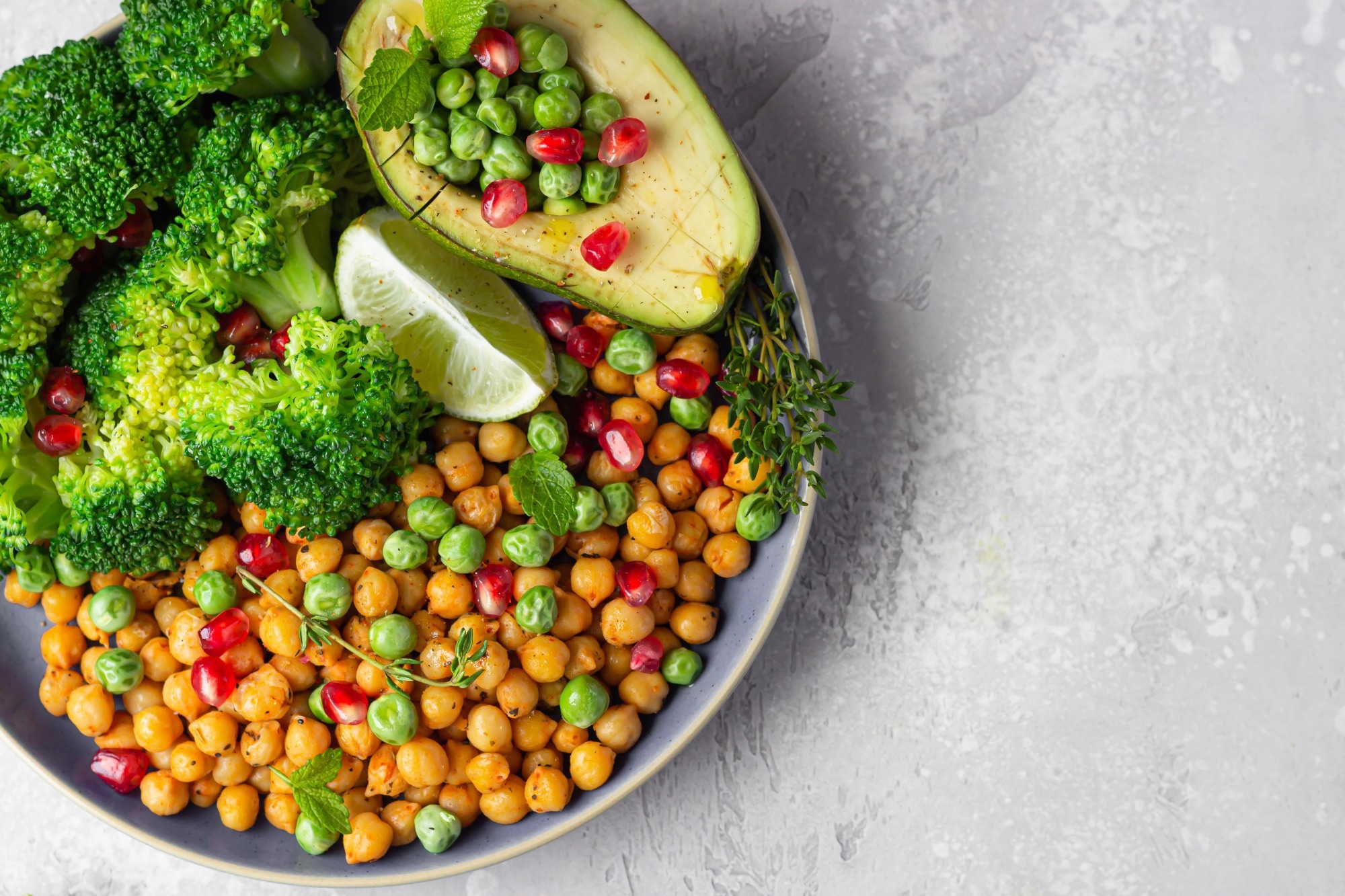
Study: Association between the Dietary Index for Gut Microbiota and all-cause mortality in coronary heart disease: A retrospective cohort analysis of NHANES (2005–2018). Image Credit: Maslova Valentina / Shutterstock
In a recent study published in the journal Medicine, a group of researchers evaluated the association between the Dietary Index for Gut Microbiota (DI-GM) and all-cause mortality among adults with coronary heart disease using data from the National Health and Nutrition Examination Survey (NHANES) (2005-2018).
Background
Every year, millions of people die from coronary heart disease, making it one of the leading causes of death worldwide. While age and genetics contribute to disease risk, lifestyle factors like diet offer opportunities to improve long-term health outcomes. Recent studies show that gut microbiota may affect heart health. These microbes help regulate inflammation, fat metabolism, and blood vessel function. Diet can shape the types of gut microbes, which are likely to affect the course of the disease. However, evidence on gut microbiota-focused dietary quality and mortality in coronary heart disease remains limited. Further research is needed to clarify this relationship.
About the Study
The study used data from the NHANES, a nationally representative survey of the United States population conducted between 2005 and 2018. Initially, 70,190 participants were identified. Individuals with missing information on mortality, DI-GM scores, coronary heart disease, or relevant demographic and clinical variables were excluded. The final analysis included 1,537 participants with coronary heart disease, representing an estimated 8,124,166 United States adults.
Scores for DI-GM were calculated on the basis of 14 dietary components through a 24-hour dietary recall, which included avocado, broccoli, chickpeas, cranberries, fermented dairy products, dietary fiber, green tea, soybeans, whole grains, and coffee, and adverse components like refined grains, red meat, processed meat, and a high-fat diet. Participants were divided into four groups: 0-3, 4, 5, and ≥6 based on the scores.
Information was obtained on demographics, body mass index, smoking and drinking habits, hypertension, diabetes, laboratory results, and socioeconomic conditions, including the poverty-to-income ratio. Follow-up was calculated from baseline interview to death or December 31, 2019, whichever occurred first. Cox proportional hazards models were used to analyze the link between DI-GM scores and all-cause mortality, while restricted cubic spline analysis was used to evaluate the nonlinear relationships between DI-GM scores and the investigated variables. Furthermore, subgroup analyses and interaction analyses were conducted to check whether associations differed across participant characteristics.
Study Results
A total of 1,537 participants with coronary heart disease, representing an estimated 8,124,166 United States adults, were included in the analysis. The median age was 68 years, with an interquartile range of 61-77 years. The study group consisted of 66.34% men and 33.66% women, and the overall mortality rate was 37.41%. Participants with higher DI-GM scores generally differed in age, race, Poverty-to-Income Ratio, and body mass index, whereas sex, education level, marital status, smoking, alcohol consumption, monocyte count, neutrophil count, hypertension, lymphocyte count, hemoglobin, platelet count, albumin, and creatinine showed no significant differences across the dietary score groups. The median DI-GM score was 5.00, with an interquartile range of 4.00 to 7.00.
The association between DI-GM and all-cause mortality was examined through weighted Cox proportional hazards models. When DI-GM was analyzed as a continuous score, each one-point increase was linked to a lower estimated risk of death in the age- and sex-adjusted analysis. However, after the researchers accounted for additional demographic, socioeconomic, lifestyle, clinical, and laboratory factors, the association weakened and became no longer statistically significant. This suggests that the overall trend indicated a possible benefit, but the evidence was not strong enough to confirm a clear independent relationship when DI-GM was analyzed as a continuous measure.
Higher DI-GM scores were associated with lower mortality rates when participants were grouped by score. Compared with the lowest-score group, participants with a DI-GM score of 5 and those with scores of 6 or higher had significantly lower risks of death during follow-up. A score of 4 showed a similar trend toward lower mortality, but the result did not reach statistical significance.
Additional analysis suggested that the relationship was not linear, meaning mortality risk did not decrease by the same amount with every increase in the DI-GM score. Subgroup analyses found no major differences in this pattern across age, sex, body mass index, smoking, alcohol use, hypertension, and Poverty-to-Income Ratio categories, although diabetes status appeared to influence the association.
Conclusion
The study suggested that people who have coronary heart disease and high DI-GM scores may have a lower risk of all-cause mortality, with the relationship showing a nonlinear pattern. The association remained evident after extensive adjustment for potential confounding factors when participants were compared by dietary score group, and diabetes status modified this relationship. These findings suggest that dietary patterns supporting gut microbiota health may be relevant to dietary risk stratification and nutritional management in people with coronary heart disease, although causal effects remain unproven.
Improving overall diet and promoting healthier gut microbiota may be associated with lower all-cause mortality in this high-risk population. However, the authors noted limitations, including the retrospective design, reliance on a single 24-hour dietary recall, self-reported disease information, a United States study population, and possible residual confounding.
Journal reference:
- Cao, F., Zhang, G., Liu, J., Tian, Y., Zhang, W., Zhang, S., Hou, F., Bao, Z., Liu, Z., Xiao, P., Jiang, J., Zhu, Y., & Wu, K. (2026). Association between the Dietary Index for Gut Microbiota and all-cause mortality in coronary heart disease: A retrospective cohort analysis of NHANES (2005-2018). Medicine. 105(27). DOI: 10.1097/MD.0000000000049532, https://www.ovid.com/jnls/md-journal/fulltext/10.1097/md.0000000000049532~association-between-the-dietary-index-for-gut-microbiota-and
 High-fiber diet beats metformin for blood sugar and weight in trial