A large U.S. nutrition analysis suggests that microbiota-friendly foods and supplements may be associated with a lower colorectal cancer burden, while highlighting the need for stronger long-term studies.
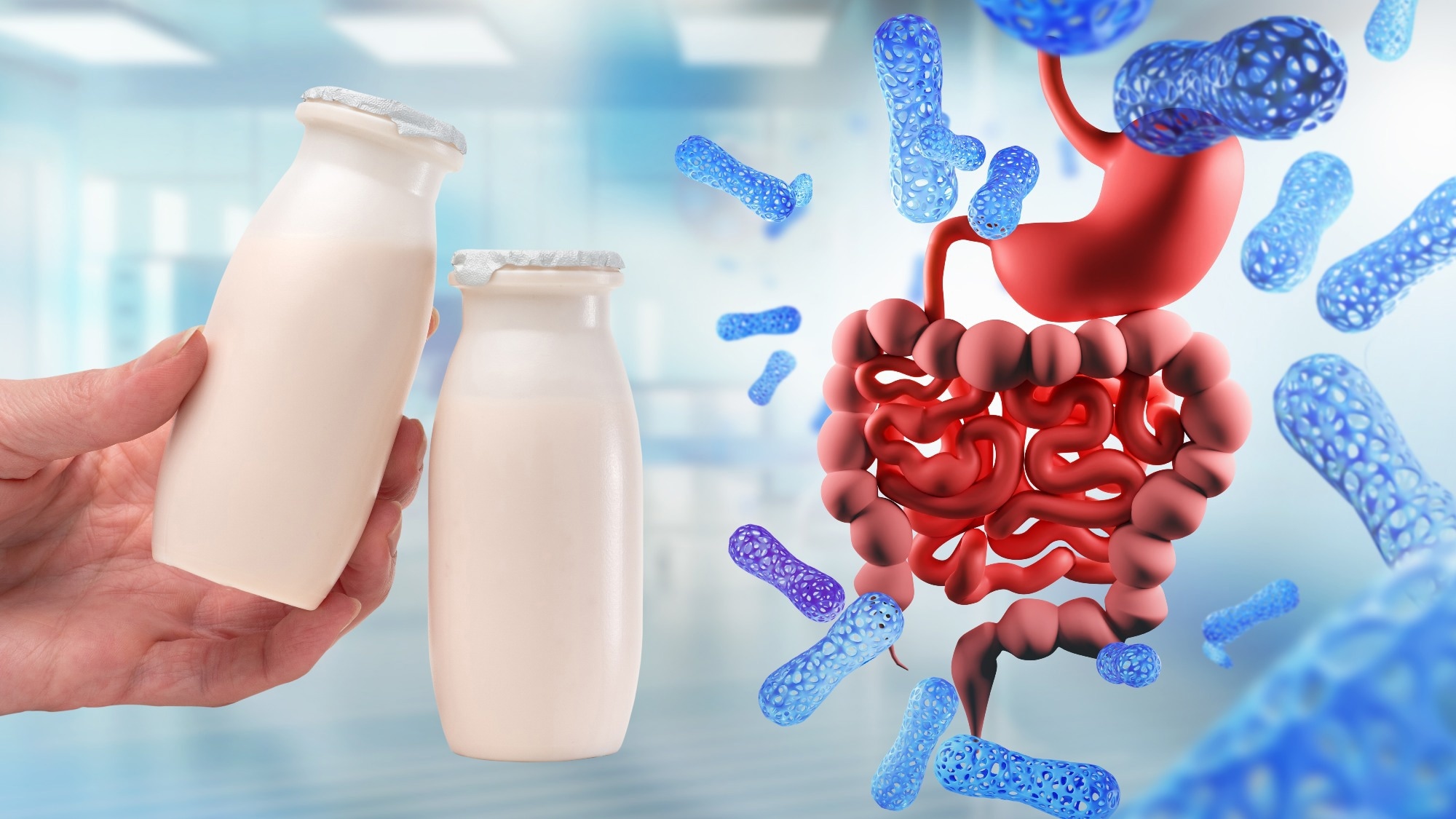
Study: Association between probiotic, prebiotic, and yogurt consumption and colorectal cancer: real-world evidence from the US NHANES. Image Credit: FOTOGRIN / Shutterstock
In a recent study appearing as an Article in Press in the journal Nutrition & Diabetes, researchers examined the association between any prebiotic, probiotic, or yogurt intake and colorectal cancer (CRC).
CRC is among the leading causes of cancer morbidity and mortality, and dietary, genetic, and environmental factors influence its prevalence and incidence. Dietary factors, including excessive intake of processed and red meat, are associated with a higher CRC risk, while increased dietary fiber intake is protective. Notably, a balanced gut microbiota is believed to be potentially protective against CRC.
Diet is among the major factors that can modulate gut microbiota composition. Specifically, fermented foods, probiotics, and prebiotics influence microbial balance and have been considered as potentially protective against CRC. Yogurt contains beneficial bacteria, such as Bifidobacterium and Lactobacillus, that may reduce inflammation and improve gut health. Probiotics are live microbes that, when consumed in sufficient amounts, confer health benefits.
Probiotics are reported to modulate immune response and improve gut barrier function. Prebiotics are substrates selectively used by host microbes to confer health benefits and include dietary fiber present in certain foods, e.g., bananas, onions, and garlic. Although evidence suggests a link between the intake of these dietary products and lower CRC risk, population-based analyses using national-level datasets are limited.
About the Study
In the present study, researchers examined the association between any prebiotic, yogurt, or probiotic consumption and CRC among adults in the United States (US). They used data from the National Health and Nutrition Examination Survey (NHANES) conducted between 2001 and 2020. The main-text analysis included participants aged ≥50 years, who had fasting plasma glucose (FPG) measurements and completed a questionnaire on personal cancer history.
CRC history was identified based on questionnaire responses. Yogurt consumption was assessed using the Food Frequency Questionnaire, while prebiotic and probiotic use was identified primarily through supplement and prescription data, including the Dietary Supplement Use Questionnaire and text-mining of product names, ingredients, and components. Further, standardized questionnaires were administered to collect information on age, sex, poverty income ratio, education, race/ethnicity, alcohol intake, and smoking status.
Dietary variables, dietary fiber intake, red meat consumption, and total energy intake were derived from NHANES. Data on FPG, total cholesterol, low-density lipoprotein cholesterol (LDL-C), high-density lipoprotein cholesterol (HDL-C), glycated hemoglobin (HbA1c), serum creatinine, and albumin levels were also obtained from NHANES. Further, medical conditions were identified based on self-reported physician diagnoses, physical examination, and laboratory data.
The Rao-Scott chi-square test was performed for group comparisons of categorical variables. In contrast, weighted mean differences were analyzed for continuous variables using survey methods accounting for sampling weights, clustering, and stratification. The researchers used univariate and multivariable logistic regression models to estimate odds ratios for the association between yogurt, prebiotic, or probiotic intake and CRC.
Models were progressively adjusted for different covariates. Specifically, model 1 was unadjusted; model 2 was adjusted for body mass index (BMI), sex, age, and race/ethnicity. Model 3 was further adjusted for dietary fiber intake, smoking status, red meat consumption, FPG, diabetes mellitus (DM), and cardiovascular disease (CVD). Model 4 was adjusted for univariate factors with p-values <0.05, including age, fiber intake, hypertension, CVD, chronic kidney disease, albumin, and FPG, while excluding HbA1c and the number of comorbidities due to collinearity.
Findings
The study included 9,405 NHANES participants, with an average age of 62.8 years. Most participants were non-Hispanic White (73.7%) and female (53.4%). Overall, there were 151 CRC cases, with fewer cases among consumers of prebiotics, yogurt, or probiotics (1.2%) than in non-consumers (2.1%). More consumers completed high school, had a normal BMI, and were more likely to be above the poverty threshold than non-consumers.
Consumers also reported higher dietary fiber and energy intake and were more likely to report red meat intake, although total red meat intake in grams per day did not differ significantly from that of non-consumers. Among consumers, there were fewer smokers and lower rates of chronic respiratory disease and DM. There were significant differences in FPG, HbA1c, albumin, and HDL-C levels between consumers and non-consumers. Notably, consumers had significantly lower odds of CRC than non-consumers, with adjusted odds ratios of 0.48 in model 2, 0.47 in model 3, and 0.50 in model 4.
Conclusions
Collectively, yogurt, prebiotics, and probiotics were associated with significantly reduced odds of CRC after adjustment for lifestyle, clinical, and demographic factors. This suggests that consumption of these products may be associated with a lower prevalence of CRC through mechanisms linked to systemic metabolic health and modulation of the gut microbiota.
Nevertheless, causal relationships could not be established due to the cross-sectional and observational nature of NHANES. Other limitations included self-reported CRC history and dietary exposure, incomplete capture of food-based prebiotic and probiotic sources, and a lack of information on probiotic or prebiotic dose, duration, and strain.
Overall, the results support further investigation of diet- and microbiota-related exposures in CRC risk-reduction strategies. Further studies are required to corroborate these findings and translate them into effective public health recommendations.
Journal reference:
- Tu CW, Wang HL (2026). Association between probiotic, prebiotic, and yogurt consumption and colorectal cancer: real-world evidence from the US NHANES. Nutrition & Diabetes. DOI: 10.1038/s41387-026-00432-y, https://www.nature.com/articles/s41387-026-00432-y
 Daily probiotics help prevent severe gut disease in preterm babies