A large meta-analysis finds that colorectal cancer leaves a reproducible microbial fingerprint across stool and tumor tissue, raising hopes for future screening research while pointing to dietary fiber as a possible way to modulate cancer-linked gut bacteria.
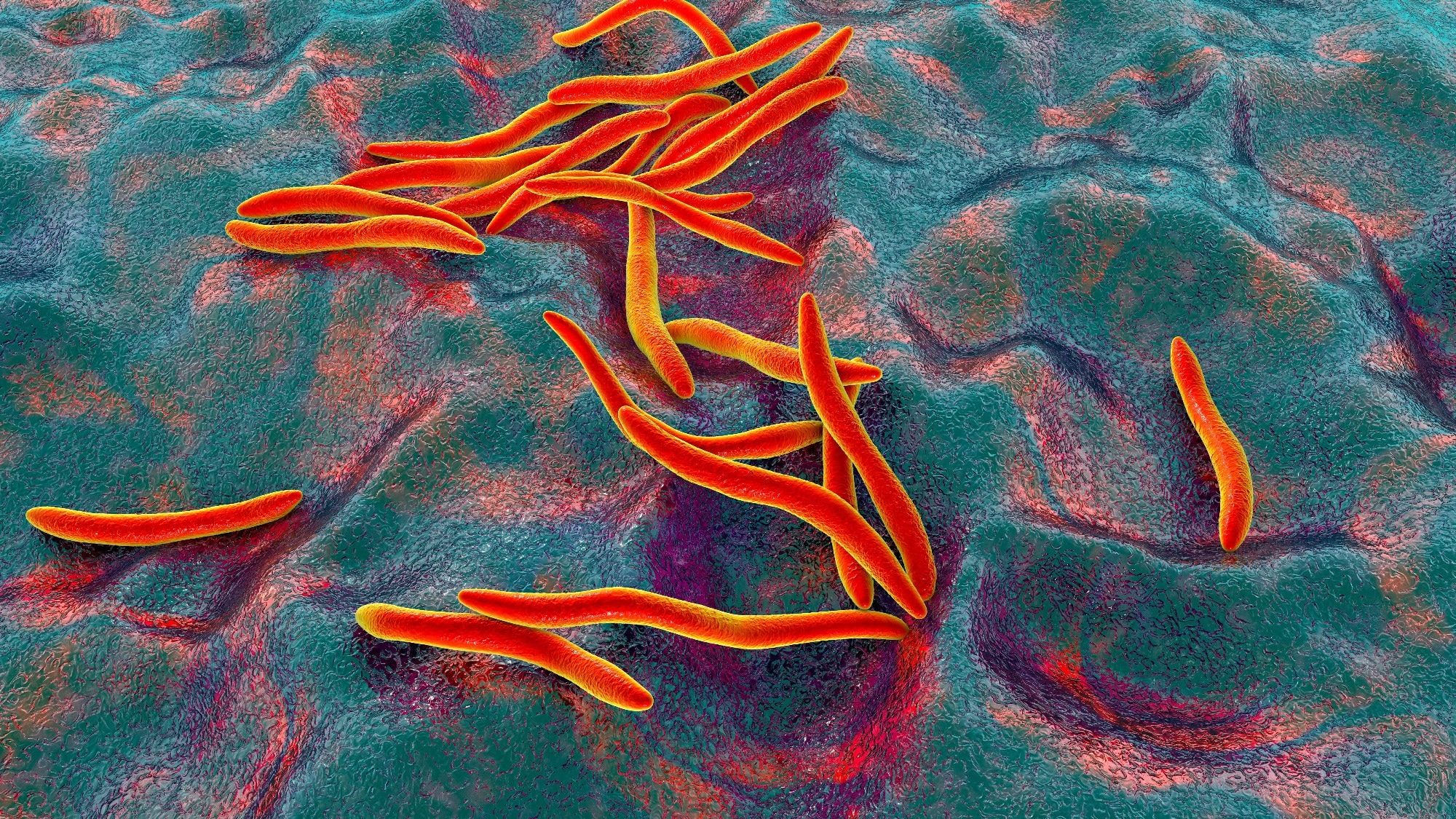
Study: Meta-analysis reveals microbiome signatures for colorectal cancer that are universal across age groups and sequencing methods. Image Credit: Kateryna Kon / Shutterstock
A recent meta-analysis published in the journal Cell Host & Microbe identified a comprehensive gut microbiome signature for colorectal cancer (CRC) patients that was consistent across ages and sequencing methods. Tumor-enriched microorganisms in tissues were also present in fecal microbiome signatures. Higher dietary fiber intake was associated with lower CRC microbiome signature scores. The findings could support future research into CRC risk assessment, complementary screening tools, and diet-linked microbiome modulation as part of prevention research.
The gut microbiome comprises beneficial and potentially harmful bacteria in a balanced state. An imbalance between the two could result in hormonal and metabolic changes that contribute to the development of chronic diseases, including cancer. Scientists have found that alterations in the gut microbiome composition are associated with CRC. These findings were observed in studies with few participants and using different analytical methods, which is why they may not be generalizable at the population level. It also remains unclear whether differences in sample collection, nucleic acid extraction methods, sequencing approaches, demographics, geographical regions, and CRC onset and stages could alter gut microbiome signatures.
About the meta-analysis
In this meta-analysis, researchers explored the gut microbiome composition of CRC patients of different age groups using association analyses and machine learning (ML) algorithms.
The team re-profiled 1,948 fecal microbiome samples by whole-genome sequencing (WGS), 4,831 similar samples using 16S sequencing, and 906 intestinal tissue samples, including tumor and adjacent non-tumor tissues. They analyzed recomputed amplicon and shotgun sequencing data from 6,779 stool samples, obtained from 27 studies conducted across 15 countries and indexed in PubMed. The researchers aimed to differentiate CRC vs. control fecal microbial profiles and identify factors that can influence detection accuracy. To do so, they developed CRC classification scores and explored whether tumor location, onset, stage, and the presence of precursor lesions (colorectal adenomas) could alter the findings. They classified CRC as early- or late-onset based on diagnosis before age 50 or at age 50 or older.
The team further investigated whether dietary interventions could alter the classification scores. They additionally performed a functional analysis of virulence factors (VFs). They also compared the genomes of different Fusobacterium lineages to explore whether CRC enrichment varied geographically. They used genus-level abundance profiles and principal coordinates analysis (PCoA) to compare microbiome composition across datasets.
The team also used linear mixed-effects models (LMMs) to investigate whether differences in microbiome structure, determined using different sequencing methods, could alter the associations between individual microorganisms and CRC. They calculated the area under the receiver operating characteristic (ROC) curve (AUC) to assess the model's predictive accuracy. They also compared the results with those of the fecal immunochemical test (FIT) and fecal occult blood test (FOBT), where available.
Results
The team obtained gut microbial patterns for CRC patients, which were generalizable across studies and sequencing methods, despite substantial study-level heterogeneity. They also observed similar gut microbiome profiles in early and late-onset CRC cases. Tumor-enriched microbial signatures aligned with fecal profiles. These microbes were present in early-stage tumors, but fecal detection was stronger for advanced, distal, and rectal tumors. This may be because tumor-colonizing microbes are diluted in stool, reducing non-invasive detection of early-stage and right-sided tumors.
Fusobacterium, Parvimonas, Peptostreptococcus, and Porphyromonas genera were enriched in CRC patients. These microbes also showed similar enrichment in early- and late-onset cases. Alpha and beta diversity also remained largely similar despite age at onset. On the other hand, beneficial microbes that produce short-chain fatty acids (SCFAs), such as Lachnospira, were reduced in numbers. These microbial findings were consistently identified across WGS and 16S datasets, with ML classifiers achieving strong predictive performance in the unified model (AUC 0.84) and across leave-one-study-out analyses (AUC 0.70-0.94). However, available comparisons suggested that microbiome classifiers do not yet match FIT performance for CRC detection, and adenoma detection remained weak and variable across cohorts. The findings highlight the need for larger studies to assess the complementary and combined diagnostic value of these approaches.
Higher intake of fiber-rich, primarily plant-based diets was associated with lower CRC classification scores. Re-analyses of dietary intervention studies also showed reduced scores after several fiber-increasing interventions, although the study could not prove that fiber prevents CRC through this microbiome pathway. Genome-level functional analysis showed that CRC-associated microbiomes were enriched for amino acid degradation pathways, oxidative stress, and respiration-related genes. The team also found increased bacterial secretion systems and VFs in the F. nucleatum/F. periodonticum subclade, which may facilitate host-cell adhesion, survival, and tumor-promoting activity. Certain Fusobacterium lineages showed geographically variable CRC enrichment. For instance, F. periodonticum, F. varium, and F. mortiferum showed strong CRC enrichment in Asian cohorts.
Conclusions
The findings highlight a gut microbiome signature of CRC that is generalizable across studies and sequencing methods, with tumor-related tissue microbial enrichment consistent with fecal signatures. Looking forward, gut microbiome-based tools could eventually inform CRC screening and risk-stratification research. In future studies, researchers should adopt prospective approaches to identify protective nutrients beyond dietary fiber and beneficial microbes that could counter CRC-associated bacteria, thereby improving prognosis. The authors also noted that broader representation from undersampled regions, including parts of Africa, Asia, and South America, will be important for confirming global applicability.
Want to read later? Download your PDF copy by clicking here.
 Daily vitamin C may benefit pre-cancerous blood disorder patients