From their resistance to digestion to how gut bacteria ferment them, the distinctive structures of fungal polysaccharides are revealing new links among mushrooms, the microbiome, and metabolic health.
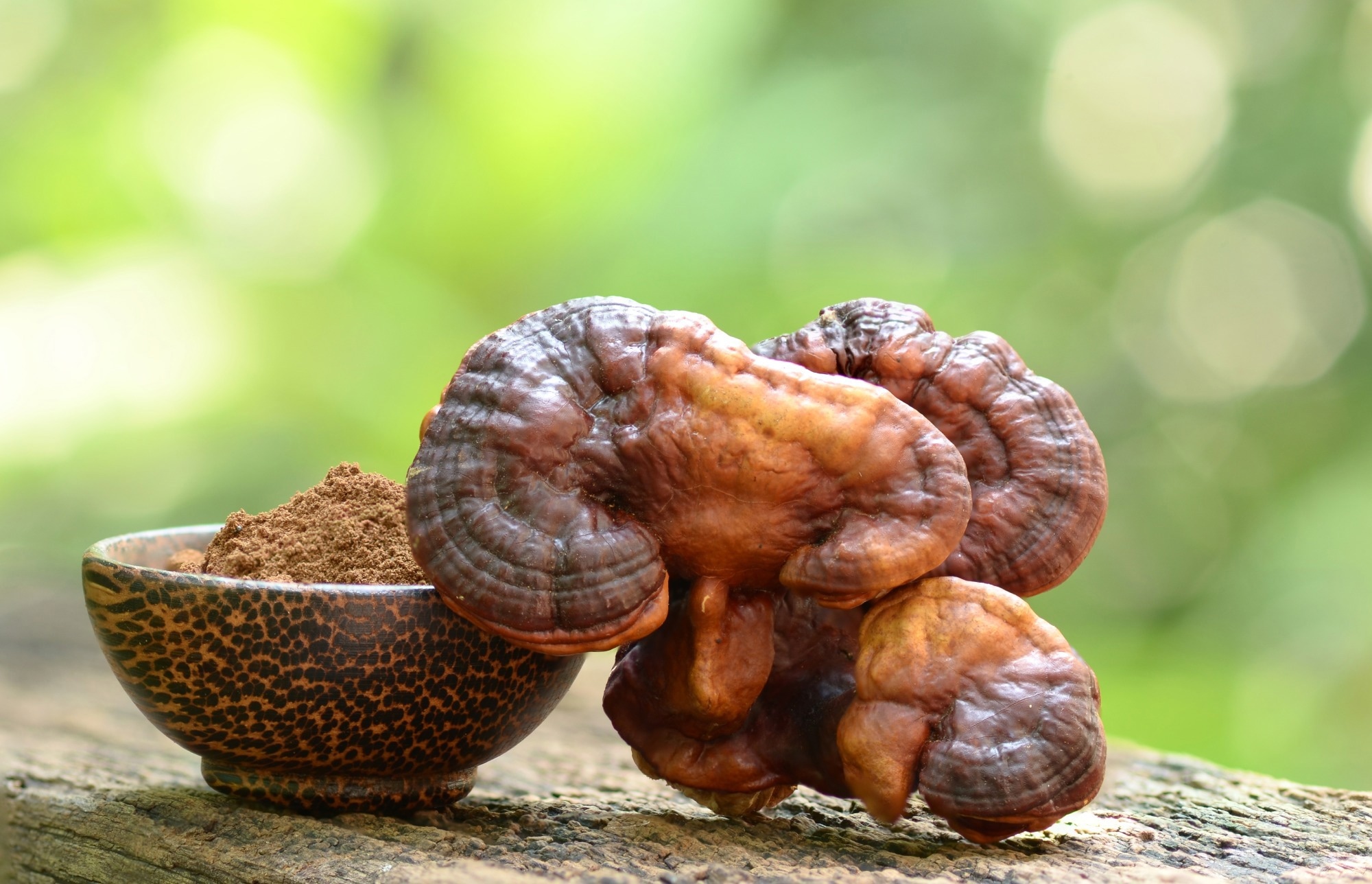
Review: Medicinal and edible fungal polysaccharide: sources, preparation, structural characteristics, and health benefits. Image Credit: pongpol_thailand / Shutterstock
In a recent review published in npj Science of Food, researchers systematically summarized published research investigating the sources, extraction methods, structural characteristics, and prebiotic health benefits of medicinal and edible fungal polysaccharides (MEFPs).
The review profiled 20 verified non-toxic edible and medicinal fungal species to examine how the structure of their polysaccharides may influence gut microbes, microbial metabolites, and downstream effects in the body.
Review findings revealed that MEFPs, predominantly derived from Basidiomycota, include forms of beta-glucan that can resist digestion in the stomach and small intestine. These digestion-resistant compounds can reach the colon, where gut microbes ferment them, supporting beneficial bacteria and promoting the production of short-chain fatty acids (SCFAs).
The authors concluded that these interconnected effects warrant further investigation into functional food development and dietary approaches targeting the gut microbiome. The reviewed studies suggest that MEFPs may support the gut barrier, improve the body's processing of fats and glucose, and reduce signals associated with inflammation, although much of this evidence comes from laboratory and animal studies.
Background
The human gut microbiota is the community of microorganisms that inhabits the gastrointestinal tract. It contains trillions of microorganisms, including bacteria, archaea, fungi, and protozoa.
Gut microbes can influence essential physiological functions, including metabolism, immune function, and maintenance of the intestinal barrier.
Disruptions to the normal balance of these microbial communities, often termed “dysbiosis,” have been linked with chronic illnesses, including type 2 diabetes (T2D), obesity, and inflammatory bowel diseases (IBDs).
Consequently, researchers are increasingly investigating dietary strategies that may help restore a healthier balance of gut microbes, with prebiotics emerging as one approach. Polysaccharides are large carbohydrates made from chains of simple sugars, and some can act as prebiotics. Because human digestive enzymes cannot fully break down many of these compounds, they can reach the lower gut, where microbes ferment them, producing compounds such as SCFAs.
Research on MEFPs has often focused on individual fungal species rather than examining how their structural and functional properties are connected. As a result, the literature on edible and medicinal fungi remains fragmented, and researchers lack a unified framework linking fungal species, extraction methods, polysaccharide structures, and their potential effects on host metabolism.
About the review
The present review aimed to address this knowledge gap and provide a resource for future functional food development by examining relationships between different fungal sources, their polysaccharide structures, and their potential health effects.
The review profiled 20 validated, non-toxic edible and medicinal fungal species, including Ganoderma lucidum, Lentinus edodes, Poria cocos, Pleurotus eryngii, and Cordyceps militaris. Researchers compared their extraction techniques, including hot-water and enzymatic methods, along with structural features such as molecular size, sugar composition, and how the sugar units are linked.
The review also examined published evidence on their biological effects, with three principal disease-focused sections covering colitis and IBD, T2D, and obesity.
Review findings
The review found that 95% of the investigated fungal species belonged to the class Agaricomycetes, while Polyporaceae was the largest single family, accounting for 15%. The polysaccharides also varied widely in molecular size, ranging from a few thousand to several million daltons.
Extraction methods could influence polysaccharide yield, molecular size, and chemical structure. The authors noted that combining extraction techniques may offer advantages when methods are tailored to the characteristics of individual MEFPs.
The polysaccharides commonly contained sugars including glucose, galactose, mannose, xylose, and fucose. However, the review suggested that the way these sugar units are linked together may have a greater influence on biological activity than the types of sugars present alone.
Across the reviewed studies, MEFPs altered the composition of the gut microbiota, with some studies reporting increases in beneficial bacteria such as Bifidobacterium, Lactobacillus, and Akkermansia. Some also reported reductions in potentially harmful bacteria such as Desulfovibrio, although the effects varied between polysaccharides and experimental models.
MEFP interventions were also associated with higher levels of health-promoting SCFAs, including acetate, propionate, butyrate, and isovalerate. Some experimental models also showed increases in high-density lipoprotein cholesterol (HDL-C).
The review also summarized reductions in total cholesterol and triglycerides, while some experimental models showed lower levels of lipopolysaccharide, a bacterial molecule linked to inflammation. Other studies reported increases in proteins that help maintain the intestinal barrier and reductions in inflammation-related markers.
Conclusions
The review identifies medicinal and edible fungal polysaccharides as promising prebiotic candidates whose effects appear to involve gut microbes, microbial metabolites, and responses in body tissues. Their resistance to digestion and distinctive sugar-linkage patterns may offer advantages for targeted modulation of the gut microbiota.
However, most of the evidence still comes from in vitro experiments and animal studies, and human clinical trials are needed before these findings can inform treatment or dietary recommendations.
 Certain gut bacteria may intensify inflammatory responses to vaccines