Data from more than 50,000 young people show that daily iron supplements could help tackle one of the world's most widespread nutritional disorders, while also revealing important gaps in our understanding of their safety and broader health benefits.
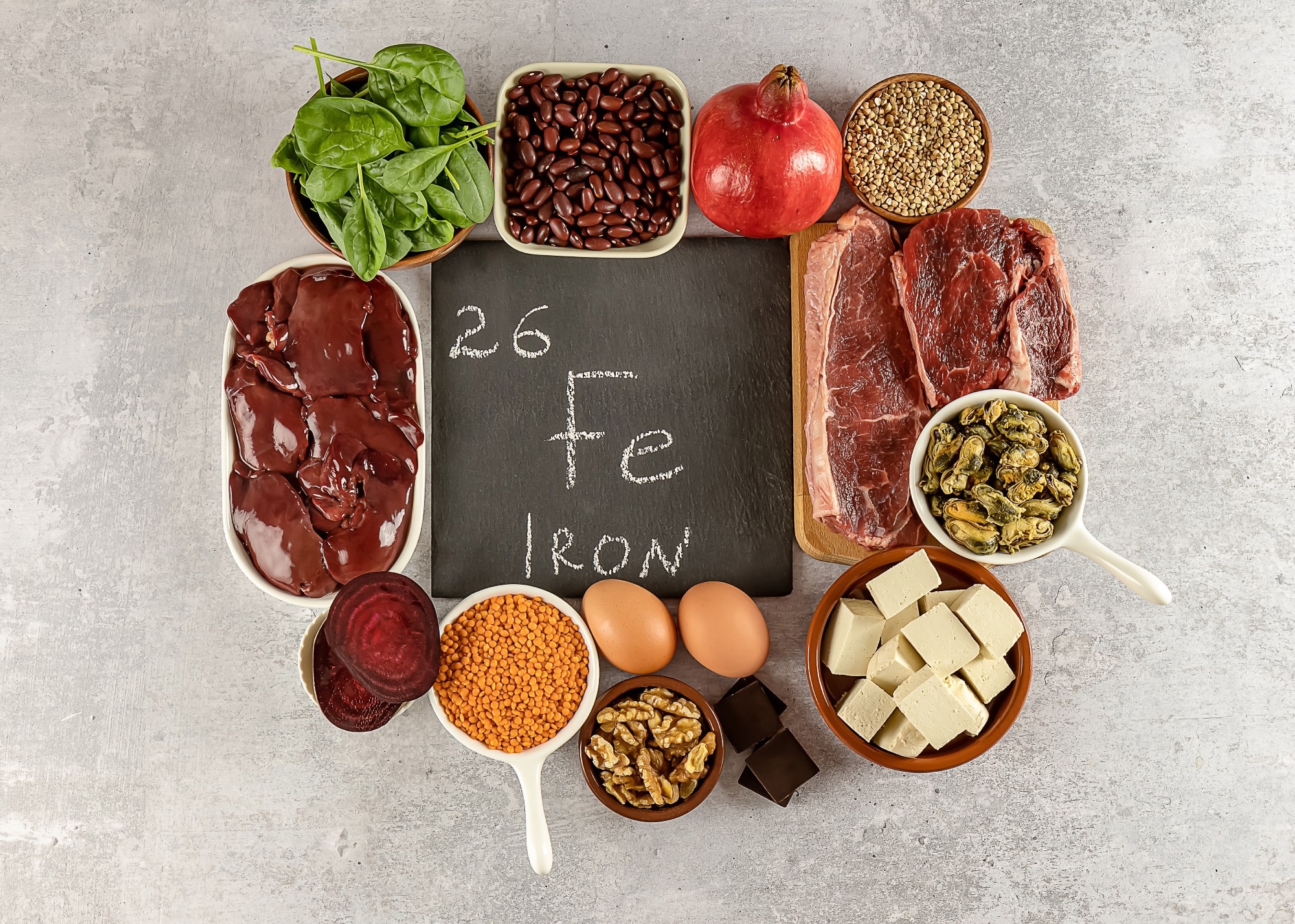 Study: Daily iron supplementation for prevention or treatment of iron‐deficiency anaemia in infants, children, and adolescents. Image credit: Jane Vershinin/Shutterstock.com
Daily oral supplementation of iron, either alone or in combination with folic acid or other vitamins and minerals, may reduce the risk of iron-deficiency anemia in infants, children, and adolescents, according to a comprehensive review published in Cochrane Database of Systematic Reviews.
Iron deficiency and the global burden of childhood anemia
Anemia is a major public health problem characterized by low levels of hemoglobin in the blood relative to the age-specific normal threshold set by the World Health Organization (WHO). According to WHO estimates published in 2025, globally, about 40% of children aged 6–59 months, 31% of women aged 15–49 years, 30% of non-pregnant women aged 15–49 years, and 35% of pregnant women aged 15–49 years were affected by anemia.
Iron deficiency, characterized by the depletion of the body's iron stores, is a leading cause of anemia worldwide. It accounts for about 50% of all cases of anemia. Causes of iron-deficiency anemia vary by age.
During the first few months of life, iron needed for red blood cell production comes from fetal stores and breast milk. However, breast milk alone may no longer meet the iron demand at the age of 4 to 6 months, and iron from complementary foods and, where appropriate, supplementation is needed at this stage to support growth and development.
Rapid red blood cell production and growth, poor nutrition, inadequate intake of fortified food, and reduced absorption and low bioavailability of iron are the major causes of iron deficiency in infants and children.
The risk of iron deficiency further heightens during adolescence because of the increased physiological demand to support rapid growth and development. Adolescent girls and young women are particularly at risk because of menstrual blood loss.
Randomized clinical trials have linked iron supplementation to improvement in blood parameters, iron status, and cognitive and physical development and growth, although evidence regarding developmental outcomes and infectious diseases remains inconsistent.
However, the 2016 WHO Guidelines on iron supplementation in infants, children, and adolescents emphasize gaps in evidence for hematological and longer-term functional outcomes, including anemia, iron deficiency, iron-deficiency anemia, cognitive development, growth, and adverse effects.
The current review aimed to bridge this gap in the literature by examining 114 studies, of which 101 involving 50,325 participants contributed to the meta-analysis. These studies investigated the effects of daily oral supplementation of iron alone, iron with folic acid, or iron with other vitamins and minerals on the risk of anemia, iron deficiency, iron-deficiency anemia, growth, morbidity, and adverse events in infants, children, and adolescents aged 0–19 years, regardless of their baseline iron or anemia status.
Daily iron supplementation substantially reduces iron-deficiency anemia risk
The meta-analysis of selected studies revealed that daily oral iron supplementation probably reduces the relative risk of iron-deficiency anemia by 76%, as compared to no supplementation or placebo. However, evidence regarding its effects on anemia and iron deficiency was very uncertain.
Iron supplementation had little or no effect on growth, cough, fever, and respiratory illness, and may have little or no effect on adverse events such as vomiting and diarrhea. Stool discoloration appeared to be a possible adverse effect, although the evidence was very uncertain.
Similarly, existing evidence suggested that daily oral supplementation of iron and folic acid probably reduces iron deficiency and iron-deficiency anemia, although these findings were based on a single study involving 225 participants. The supplementation had little or no effect on diarrhea and respiratory illness. However, evidence on its effect on anemia was very uncertain.
The comparison between daily oral supplementation of iron with vitamins or minerals and supplementation of the same vitamins or minerals without iron suggested that iron supplementation probably reduces iron-deficiency anemia and increases the risk of vomiting. The supplementation had little or no effect on growth and diarrhea and probably had little or no effect on cough and respiratory illness. However, evidence was very uncertain about the effect of iron supplementation with vitamins or minerals on anemia, iron deficiency, and fever.
Compared to no supplementation or placebo, iron supplementation with vitamins or minerals was found to slightly improve height-for-age and probably reduce iron deficiency. Such supplementation may also reduce iron-deficiency anemia and increase the risk of vomiting. However, the evidence was very uncertain about its effect on anemia. Similarly, evidence was very uncertain about the effect of such supplementation on morbidities like cough, fever, respiratory illness, and diarrhea.
Iron supplementation shows promise but safety questions remain
By meta-analyzing available evidence, the authors concluded that daily oral supplementation of iron, either alone or in combination with folic acid or other vitamins and minerals, may be useful in reducing the risk of iron-deficiency anemia in infants, children, or adolescents. Evidence regarding reductions in anemia and iron deficiency was less consistent across supplementation strategies.
However, these supplements generally have little or no effect on growth outcomes and morbidities (respiratory illness, cough, breathing difficulty, diarrhea, or fever), although combining iron with other vitamins or minerals slightly improved height-for-age compared with no supplementation. Iron supplementation may also increase the risk of stool discoloration and, when combined with other vitamins or minerals, vomiting.
Overall, the findings support the effectiveness of oral iron supplementation in reducing iron-deficiency anemia. However, limited reporting of adverse events prevents definitive conclusions about its safety. The findings also highlight that supplementation programs should address potential challenges associated with adherence, such as side effects, taste, and cultural acceptability.
The majority of studies included in this review were from Asia and relatively few from Africa, partly because studies from malaria-endemic regions were excluded, limiting the generalizability of the findings to these populations. Although a wide range of outcomes were assessed, the findings were highly variable across studies. Evidence certainty ranged from very low to high, depending on the outcome and supplementation strategy.
Despite the large number of studies included in the review, only 17 directly measured iron-deficiency anemia. Morbidity and adverse events were rarely reported, with only 9% and 12% of studies reporting these outcomes, respectively.
More studies are needed to understand how sociodemographic and socioeconomic factors and baseline nutritional status influence the effects of iron supplementation. Limited evidence suggests that children with pre-existing anemia or iron deficiency may benefit more from supplementation. Such subgroup analyses are particularly important for identifying at-risk populations and developing more inclusive, effective, and context-appropriate interventions.
 Rapid test breakthrough could transform iron treatment worldwide