Introduction
Prevalence and clinical importance of taste changes
Tumor biology and systemic inflammatory effects
Mechanisms affecting taste receptors and neural pathways
Clinical management and emerging interventions
References
Further reading
Cancer can disrupt taste perception through tumor-driven inflammation, metabolic changes, treatment-related tissue injury, zinc imbalance, and altered taste-receptor signaling. These changes can reduce appetite, worsen food aversions, increase the risk of malnutrition, and affect quality of life and treatment adherence.
 Image Credit: PeopleImages / Shutterstock.com
Introduction
Cancer-induced taste changes are highly prevalent chemosensory complications that can compromise nutritional status, quality of life, and treatment adherence and may indirectly affect outcomes in cancer patients. This article discusses the pathophysiological mechanisms of taste dysfunction in cancer and the urgent need for multidisciplinary, patient-centered strategies to optimize clinical outcomes.
Prevalence and clinical importance of taste changes
Taste alterations such as dysgeusia (qualitative taste distortion), hypogeusia (reduced taste sensitivity), hypergeusia (increased taste sensitivity), and the complete loss of taste (ageusia) are frequently reported in cancer patients. In advanced cancer, a scoping review reported a median prevalence of taste disturbance of 55% (range 27-93%); in head and neck cancer, reported prevalence ranges from 39% to 97.4%, with the highest rates generally observed during radiotherapy or chemoradiotherapy.1,2
Although frequently underreported by patients and underestimated by clinicians, the clinical consequences of taste dysfunction are severe and significantly disrupt patients’ eating experience and perceived flavor, which also depends on smell, texture, and temperature.2 The presence of these sensory deficits directly correlates with appetite loss, severe food aversion, and early satiety, which exacerbate cancer nutrition issues.1,2
Taste alterations also increase the risk of malnutrition, particularly when reduced food enjoyment, food aversion, xerostomia, mucositis, nausea, or smell disturbance further limit intake.1,2 Collectively, these associations emphasize the importance of the timely identification of taste changes to ensure treatment tolerance and enhance patient quality of life (QoL).1
Tumor biology and systemic inflammatory effects
Advanced malignancies promote a chronic inflammatory state characterized by elevated circulating levels of pro-inflammatory cytokines, including interleukin-1β (IL-1β), interleukin-6 (IL-6), tumor necrosis factor-α (TNF-α), and interferon-γ (IFN-γ).1 Taste tissue expresses toll-like receptors (TLRs), interferon receptors, and downstream inflammatory signaling components; activation of these pathways can promote cytokine release, nuclear factor-kappa B (NF-κB)-related signaling, and disruption of peripheral and central gustatory processing.1,5 Clinical pilot data also link cancer and acute inflammatory disease with altered taste perception, supporting an inflammation-related contribution in humans.4
This inflammatory activation can promote apoptosis, reduce the number of gustducin-positive taste cells, and impair the rapid renewal of taste receptor cells, rather than simply shortening a fixed cell lifespan.1,5 Specifically, cytokine-mediated disruption impairs the cellular turnover necessary for normal taste perception in the setting of tumor-associated inflammation.1,5
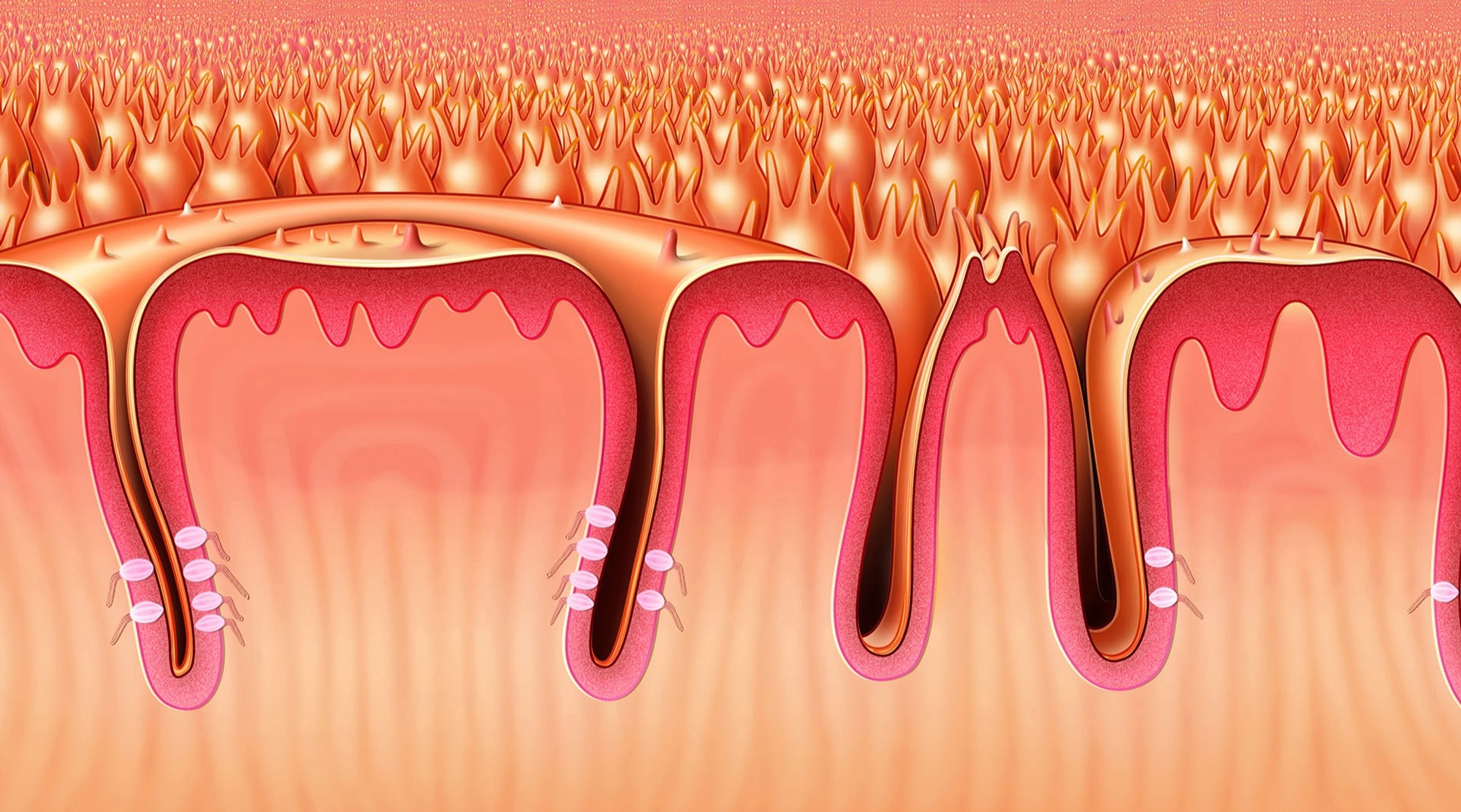 Image Credit: Carrypicsindia / Shutterstock.com
Tumor-induced metabolic alterations can reprogram systemic nutrient sensing, with advanced malignancies inducing metabolic abnormalities like accelerated proteolysis, lipolysis, and, in some cases, altered carbohydrate pathways. These changes are most strongly linked to taste dysfunction through cachexia, systemic inflammation, micronutrient deficiencies, and possible effects on taste-bud and central feeding circuits.1,4,5
The downregulation of specific taste 2 receptors (TAS2Rs), particularly bitter receptors, has been linked to a worse cancer prognosis, although these data primarily concern TAS2R expression and signaling in cancer cells rather than routine clinical taste testing.6 Tumor-driven inflammation may damage or remodel the peripheral neuroepithelial architecture of taste buds, leading to phenotypically observable dysgeusia and ageusia.1,5
Cytotoxic oncological therapies, particularly platinum compounds like cisplatin and taxanes, induce direct mucosal damage and cellular apoptosis in the circumvallate papillae. In mouse and taste-organoid models, cisplatin inhibited taste-cell proliferation, promoted apoptosis, delayed taste receptor cell differentiation, and altered expression of genes related to cell cycle, metabolism, inflammation, Pax1, and Pycr1; these include Pax1, a transcription factor, and Pycr1, a metabolic enzyme.7 Cisplatin-induced taste injury also involves local inflammatory activation in the circumvallate papilla.7 In breast cancer, chemotherapy-related dysgeusia has also been associated with taxane- and anthracycline-containing regimens, food aversions, appetite changes, and reduced quality of life.3
Head and neck radiotherapy disrupts taste-bud architecture and salivary function, leading to severe dysgeusia in up to 96% of treated patients.1 Radiation exposure to salivary glands compromises salivary flow to induce xerostomia or severe dry mouth in 40-93% of patients, which similarly alters taste bud signal transmission, as saliva is an essential solvent for tastant transport.1
Taste Changes from Cancer Treatment / Chemotherapy - Tips and Coping Mechanisms
Mechanisms affecting taste receptors and neural pathways
Altered zinc metabolism is a key biochemical factor impacting communication between taste receptors and downstream neural pathways.1,8 Notably, in a prospective Japanese study of patients receiving first-line chemotherapy for gastric or colorectal cancer, 38% had zinc deficiency before chemotherapy, and declining serum zinc levels during treatment correlated with taste changes in initially zinc-non-deficient patients.8
Certain chemotherapeutic agents chelate divalent metal ions, thereby depleting systemic zinc levels and impairing gustin (carbonic anhydrase VI) activity, a zinc-dependent parotid metalloprotein required for taste bud maintenance and normal gustatory function.1,5 Other chemotherapeutic agents have been shown to contribute to cranial nerve inflammation or dysfunction involving the facial (VII), glossopharyngeal (IX), and vagus (X) nerves, thus modifying central taste processing and altering gustatory perception.1
Clinical management and emerging interventions
Cancer patients are often advised to avoid metallic silverware and to use flavor enhancers such as monosodium glutamate (MSG) to compensate for sensory loss and mitigate the effects of diminished gustatory drive.1,2 MSG is considered safe in moderate dosages, with one non-blinded randomized cohort study reporting that daily MSG supplementation of 2.7 g/day during chemoradiotherapy preserves sweet-sensing T1R3 receptor subunit expression, significantly improving taste sensitivity and daily caloric intake.1
Miraculin, a taste-modifying glycoprotein derived from Synsepalum dulcificum, also binds to the T1R2/T1R3 sweet receptor, which causes a conformational shift in acidic environments to temporarily transform sour or metallic tastes into sweet sensations.1,9 The CLINMIR publication is a triple-blind, randomized, placebo-controlled pilot protocol designed to test dried miracle berry supplementation in 30 malnourished cancer patients with taste disorders; it does not yet report completed efficacy outcomes such as improved palatability, cytokine reductions, or nutritional recovery.9
Zinc supplementation remains a primary focus of current research, but the evidence is mixed: a systematic review found three dysgeusia studies with significant effects and two without, with methodological limitations across studies, so zinc should be viewed as a promising but not definitively established intervention.10
Despite these promising observations, additional research is needed to individualize symptom management in oncology care. Multimodal approaches that combine taste training, personalized dietary counseling, standardized distinction between taste, smell, flavor, xerostomia, and mucositis, and targeted biomolecules have the potential to address cancer nutrition issues and support the rehabilitation of these patients.1,2
References
- Sardellitti, L., Filigheddu, E., Mastandrea, G., et al. (2025). Taste Dysfunction in Head and Neck Cancer: Pathophysiology and Clinical Management - A Comprehensive Review. Biomedicines 13(8); 1853. DOI: 10.3390/biomedicines13081853. https://www.mdpi.com/2227-9059/13/8/1853
- Hannon, M., Shaw, A., Connolly, M., & Davies, A. (2023). Taste disturbance in patients with advanced cancer: a scoping review of clinical features and complications. Supportive Care in Cancer 31(10). DOI: 10.1007/s00520-023-08012-x. https://link.springer.com/article/10.1007/s00520-023-08012-x
- Pellegrini, M., Merlo, F. D., Agnello, E., et al. (2023). Dysgeusia in Patients with Breast Cancer Treated with Chemotherapy - A Narrative Review. Nutrients 15(1); 226. DOI: 10.3390/nu15010226. https://www.mdpi.com/2072-6643/15/1/226
- Schalk, P., Kohl, M., Herrmann, H. J., et al. (2017). Influence of cancer and acute inflammatory disease on taste perception: a clinical pilot study. Supportive Care in Cancer 26(3); 843–851. DOI: 10.1007/s00520-017-3898-y. https://link.springer.com/article/10.1007/s00520-017-3898-y
- Murtaza, B., Hichami, A., Khan, A. S., et al. (2017). Alteration in Taste Perception in Cancer: Causes and Strategies of Treatment. Frontiers in Physiology 8. DOI: 10.3389/fphys.2017.00134. https://www.frontiersin.org/journals/physiology/articles/10.3389/fphys.2017.00134/full
- Zehentner, S., Reiner, A. T., Grimm, C., & Somoza, V. (2021). The Role of Bitter Taste Receptors in Cancer: A Systematic Review. Cancers 13(23); 5891. DOI: 10.3390/cancers13235891. https://www.mdpi.com/2072-6694/13/23/5891
- Ren, W., Cha, X., Xu, R., et al. (2023). Cisplatin attenuates taste cell homeostasis and induces inflammatory activation in the circumvallate papilla. Theranostics 13(9); 2896-2913. DOI: 10.7150/thno.81153. https://www.thno.org/v13p2896.htm
- Sakaguchi, C., Nishina, T., Kono, Y., et al. (2023). Prospective observational study of zinc deficiency symptoms during first-line chemotherapy for gastric and colorectal cancer. Journal of Gastrointestinal Oncology 14(6); 2384-2394. DOI: 10.21037/jgo-23-517. https://jgo.amegroups.org/article/view/80691/html
- López-Plaza, B., Gil, A., Menendez-Rey, A., et al. (2023). Effect of Regular Consumption of a Miraculin-Based Food Supplement on Taste Perception and Nutritional Status in Malnourished Cancer Patients: A Triple-Blind, Randomized, Placebo-Controlled Clinical Trial-CLINMIR Pilot Protocol. Nutrients 15(21); 4639. DOI: 10.3390/nu15214639. https://www.mdpi.com/2072-6643/15/21/4639
- Hoppe, C., Kutschan, S., Dorfler, J., et al. (2021). Zinc as a complementary treatment for cancer patients: a systematic review. Clinical and Experimental Medicine, 21(2), 297–313. DOI: 10.1007/s10238-020-00677-6. https://link.springer.com/article/10.1007/s10238-020-00677-6
Further Reading
Last Updated: Jul 6, 2026