Introduction
Heat-induced carcinogens
Mechanisms of cancer risk
Influencing factors
Reducing exposure
Regulatory perspectives
Conclusions
References
Further reading
High-temperature cooking creates harmful carcinogens such as HCAs, PAHs, acrylamide, and nitrosamines through reactions involving proteins, sugars, fats, and smoke. Understanding how these compounds form enables safer cooking methods that reduce cancer-related risks without compromising food quality.
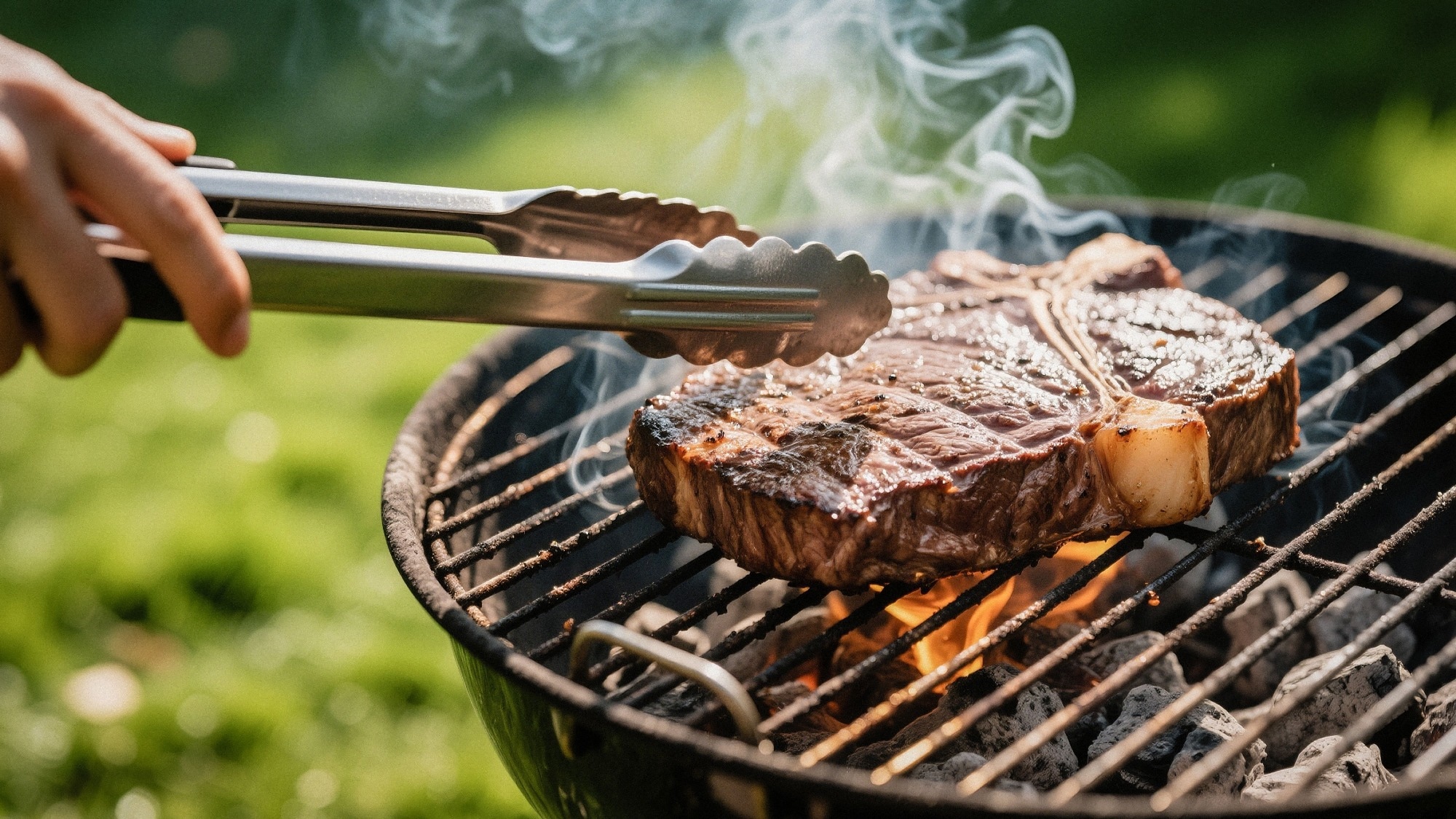 Image Credit: Merch Hub / Shutterstock.com
Introduction
Thermal processing transforms raw ingredients by modifying proteins and other components to create the textures and flavors that make cooked foods appealing and safe. However, these high-heat reactions can also generate carcinogenic byproducts.
Certain cooking methods, particularly those involving high temperatures or open flames, promote the formation of polycyclic aromatic hydrocarbons (PAHs), heterocyclic amines (HCAs), nitrosamines (NAs), and N-nitroso compounds (NOCs). Understanding how these contaminants form is key to developing safer cooking practices and limiting long-term exposure to carcinogens.1-4
Heat-induced carcinogens
Several classes of heat-induced carcinogens form during common cooking practices through well-characterized chemical pathways triggered by high-temperature reactions, pyrolysis, or interactions between food components and added curing agents. Once consumed, these compounds undergo metabolic activation in the body, producing intermediates that can damage cells.1-4
HCAs develop in meat cooked at high temperatures through Maillard reactions involving creatine or creatinine, amino acids, and sugars, with their levels rising with temperature and cooking duration. Thermic HCAs form at standard cooking temperatures of 100-300 °C, whereas pyrolytic HCAs emerge at temperatures exceeding 300 °C.1,3,4,9
During grilling, smoking, or charring, melted fat drips onto hot surfaces or flames, thereby generating smoke that deposits PAHs such as benzo[a]pyrene onto food. Fat content, proximity to heat, and direct flame exposure influence the concentrations of PAHs, which may also migrate from cooking oils or environmental smoke as well.1-4
Acrylamide forms in starchy foods cooked at temperatures exceeding 120 °C through Maillard reactions between asparagine and reducing sugars, especially during frying or baking. Browning intensity is a strong predictor of acrylamide content.2,6,9
Moreover, nitrosamines emerge in processed meats when nitrites react with secondary amines during high-temperature cooking, with levels escalating during frying or charring.2,3
Mechanisms of cancer risk
Heat-induced carcinogens contribute to cancer development primarily through deoxyribonucleic acid (DNA) damage and oxidative stress. PAHs undergo metabolic activation to reactive intermediates that bind to DNA and promote mutations.3,4
After activation by cytochrome P450 1A2, HCAs form mutagenic DNA adducts. High-temperature cooking also promotes the formation of free radicals, amplifying oxidative stress.1,3,4
Multiple cohort and case-control human studies link frequent consumption of well-done, grilled, or fried meats with increased risks of colorectal, pancreatic, prostate, and gastric cancers. These associations are based on dietary surveys and cancer incidence tracking; however, results vary based on population and study design.1,4,7,8
Human biomonitoring has detected metabolites of HCAs, PAHs, and acrylamide, such as OH-PAHs, AAMA, and GAMA, in both urine and blood, thereby supporting dietary exposure. However, clinical trials remain limited, and published results are insufficient to establish a causal relationship across all cancer types.3,5,6
Influencing factors
Temperature, cooking duration, fat content, and food composition strongly influence carcinogen formation. HCAs increase sharply around 220 °C, where Maillard reactions accelerate, and prolonged cooking further enhances their formation. Grilling, smoking, roasting, and frying generate far more carcinogens than moist-heat methods.1,3,4,9
One recent meta-analysis7 reported a 30% rise in esophageal cancer associated with high processed-meat intake, comparing the highest with the lowest intake categories. Another study linked daily consumption of very well-done grilled or roasted chicken to an 80% higher risk of lymphoma, particularly B-cell non-Hodgkin subtypes, highlighting the impact of frequent exposure to heat-induced compounds.8
Red and processed meats generally produce more HCAs than poultry or fish due to higher creatine content; however, cooking method remains a key determinant. Fat exerts dual effects, as lower-fat meats often yield more HCAs, whereas higher fat increases PAH production by enhancing pyrolysis and smoke generation.1,3,4
Plant-based foods rarely form HCAs or PAHs and contain antioxidants, fiber, and phytochemicals that inhibit oxidative stress. Plant-derived antioxidant marinades impede the free-radical mechanisms underlying HCA and PAH formation.3,4
How to cook meat so you don't get cancer
Reducing exposure
Lower-temperature, water-based cooking techniques like steaming, boiling, poaching, or microwaving generate significantly fewer carcinogens than grilling, pan-frying, or roasting. Using cooking oils with high oxidative stability further reduces harmful aldehydes and PAHs generated during high-heat processing.1-4,9
Antioxidant-rich marinades containing lemon juice, garlic, herbs, vitamins C and E, or phenolic-rich plant extracts can reduce PAH levels by up to 70%. Beer-based marinades, especially darker varieties, lower PAH formation in grilled meat by over 50% due to greater radical-scavenging activity.3,4
Green tea, yerba mate, and spices like turmeric, ginger, paprika, and black pepper can also suppress HCA and PAH formation. Catechin, luteolin, genistein, and resveratrol also inhibit multiple pathways of the Maillard reaction, thereby limiting the production of reactive intermediates.1,3,4
Removing burnt or blackened portions and excess fat, as well as using foil or indirect heat when grilling, similarly reduces PAH deposition. Microwave pre-treatment can decrease cooking time and subsequent HCA generation.1-4
Smoking exposes meat to combustion products and consistently produces the highest PAH concentrations. Likewise, Pan-frying promotes HCA and acrylamide formation due to direct surface contact with high temperature. In contrast, air-frying has been shown to yield lower levels of HCAs, PAHs, and acrylamide, provided the foods are not overcooked.9
Recent experimental studies indicate that specific marinades, particularly milk, beer, turmeric, rosemary, and garlic, can reduce HCA formation in air-fried chicken and beef by up to about 60–70%, but some of these marinades (especially milk and garlic) have simultaneously been observed to increase acrylamide levels in the same samples. Taken together, these measures demonstrate that modest adjustments in cooking style, temperature, and seasoning can significantly reduce exposure to heat-derived carcinogens without compromising flavor.9
Regulatory perspectives
Global health agencies recognize that high-temperature cooking and meat processing can generate compounds with carcinogenic potential. In 2015, the International Agency for Research on Cancer (IARC) classified processed meat as carcinogenic to humans (Group 1) and red meat as probably carcinogenic (Group 2A).4,10
IARC has also evaluated specific heat-formed contaminants, including acrylamide and several HCAs such as IQ and MeIQx, which are categorized as Groups 2A or 2B, while PAHs range from Group 1 to Group 2B. These classifications reflect varying degrees of evidence from human, animal, and mechanistic studies.3,4,9,10
Agencies such as the American Cancer Society, United States Food and Drug Administration (FDA), and European Food Safety Authority (EFSA) incorporate these evaluations into dietary advice and contaminant standards. For example, EFSA and European Commission regulations set maximum levels for benzo[a]pyrene and the PAH4 indicator sum in most smoked and heat-treated meats at 2 μg/kg and 12 μg/kg, respectively, with higher transitional limits of 5 and 30 μg/kg retained only for certain traditionally smoked products.3,4 Several national authorities, including Sweden’s National Food Agency, also recommend limiting red meat intake to below 500 g per week.4
Industry and consumer guidance aligns with these regulatory perspectives by emphasizing practical ways to reduce exposure, such as using lower-temperature cooking methods, avoiding charring, marinating meats to inhibit HCA and PAH formation, and adjusting starch preparation to limit acrylamide. Together, these measures support safer cooking practices to reduce long-term exposure to heat-induced contaminants.3,4,9
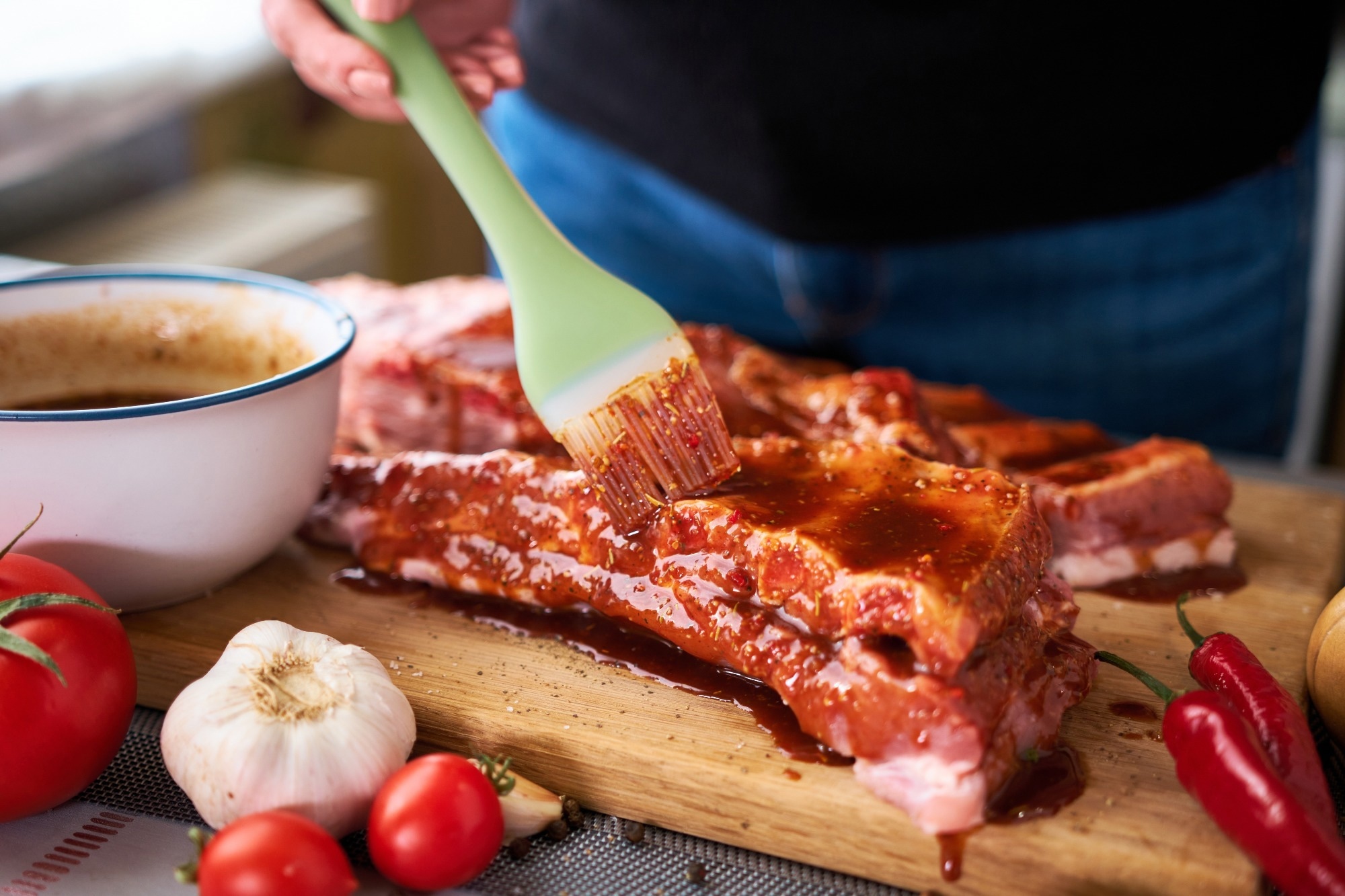 Image Credit: RESTROCK Images / Shutterstock.com
Conclusions
Lifetime exposure to heat-generated carcinogens like PAHs and HCAs is an increasingly important public health concern. Simple cooking adjustments like lower temperatures, shorter cooking times, and antioxidant-rich marinades can significantly reduce the formation of these compounds.1-4,7-9
References
- Gibis, M. (2016). Heterocyclic Aromatic Amines in Cooked Meat Products: Causes, Formation, Occurrence, and Risk Assessment. Comprehensive Reviews in Food Science and Food Safety 15(2); 269-302. DOI: 10.1111/1541-4337.12186. https://ift.onlinelibrary.wiley.com/doi/abs/10.1111/1541-4337.12186
- Zhang, Q., Li, X., Cao, Q., et al. (2025). Carcinogens in Meat Products: Formation Mechanism and Mitigation Strategy. Food Reviews International 1-32. DOI: 10.1080/87559129.2025.2531423. https://www.tandfonline.com/doi/abs/10.1080/87559129.2025.2531423
- Adeyeye, S. A. O., Sivapriya, T. & Sankarganesh, P. (2025). Formation and mitigation of heterocyclic amines (HCAs) and polycyclic aromatic hydrocarbons (PAHs) in high-temperature processed meat products: a review. Discover Food 5; 258. DOI: 10.1007/s44187-025-00391-w. https://link.springer.com/article/10.1007/s44187-025-00391-w
- Bulanda, S., & Janoszka, B. (2022). Consumption of Thermally Processed Meat Containing Carcinogenic Compounds (Polycyclic Aromatic Hydrocarbons and Heterocyclic Aromatic Amines) versus a Risk of Some Cancers in Humans and the Possibility of Reducing Their Formation by Natural Food Additives - A Literature Review. International Journal of Environmental Research and Public Health 19(8); 4781. DOI: 10.3390/ijerph19084781. https://www.mdpi.com/1660-4601/19/8/4781
- Styszko, K., Pamuła, J., Pac, A., et al. (2023). Biomarkers for polycyclic aromatic hydrocarbons in human excreta: recent advances in analytical techniques - a review. Environ Geochem Health 45 7099-7113. DOI: 10.1007/s10653-023-01699-1. https://link.springer.com/article/10.1007/s10653-023-01699-1
- Poteser, M., Laguzzi, F., Schettgen, T., et al. (2022). Trends of Exposure to Acrylamide as Measured by Urinary Biomarker Levels within the HBM4EU Biomonitoring Aligned Studies (2000–2021), Toxics, 10(8), 443, DOI: 10.3390/toxics10080443. https://www.mdpi.com/2305-6304/10/8/443
- Choi, Y., Song, S., Song, Y., & Lee, J.E. (2013). Consumption of red and processed meat and esophageal cancer risk: Meta-analysis. World Journal of Gastroenterology 19; 1020-1029, DOI: 10.3748/wjg.v19.i7.1020. https://www.wjgnet.com/1007-9327/full/v19/i7/1020.htm
- Campagna, M., Cocco, P., Zucca, M., et al. (2015). Risk of lymphoma subtypes and dietary habits in a Mediterranean area. Cancer Epidemiol., 39; 1093-1098. DOI: 10.1016/j.canep.2015.09.001. https://www.sciencedirect.com/science/article/abs/pii/S1877782115001812
- Kwon, J., Kim, I., Lee, K., et al. (2025). Mitigation of heterocyclic amines, polycyclic aromatic hydrocarbons, and acrylamide in air-fried chicken and beef: Effects of cooking methods and marinades. Food Science and Biotechnology 34(16); 3873. DOI: 10.1007/s10068-025-02005-8. https://link.springer.com/article/10.1007/s10068-025-02005-8
- IARC Monographs on the Identification of Carcinogenic Hazards to Humans, https://monographs.iarc.who.int/agents-classified-by-the-iarc/. Accessed on 17 November 2025
Further Reading
Last Updated: Dec 9, 2025
 Urges for cardiologists to screen patients for UPF intake