Introduction
What happens in your body during steam therapy
Skin: Enhanced circulation and barrier support
Lungs: Airway moisture and mucus clearance
Circulation and cardiovascular effects
Stress, hormones, and cellular protection
Safety and limitations
References
Passive heat therapy may provide cardiovascular, thermoregulatory, and symptomatic health benefits, with the strongest evidence supporting Finnish sauna bathing rather than steam therapy. Current research suggests potential improvements in vascular function and temporary relief of respiratory discomfort while emphasizing important safety considerations and the need to distinguish between different forms of heat therapy.
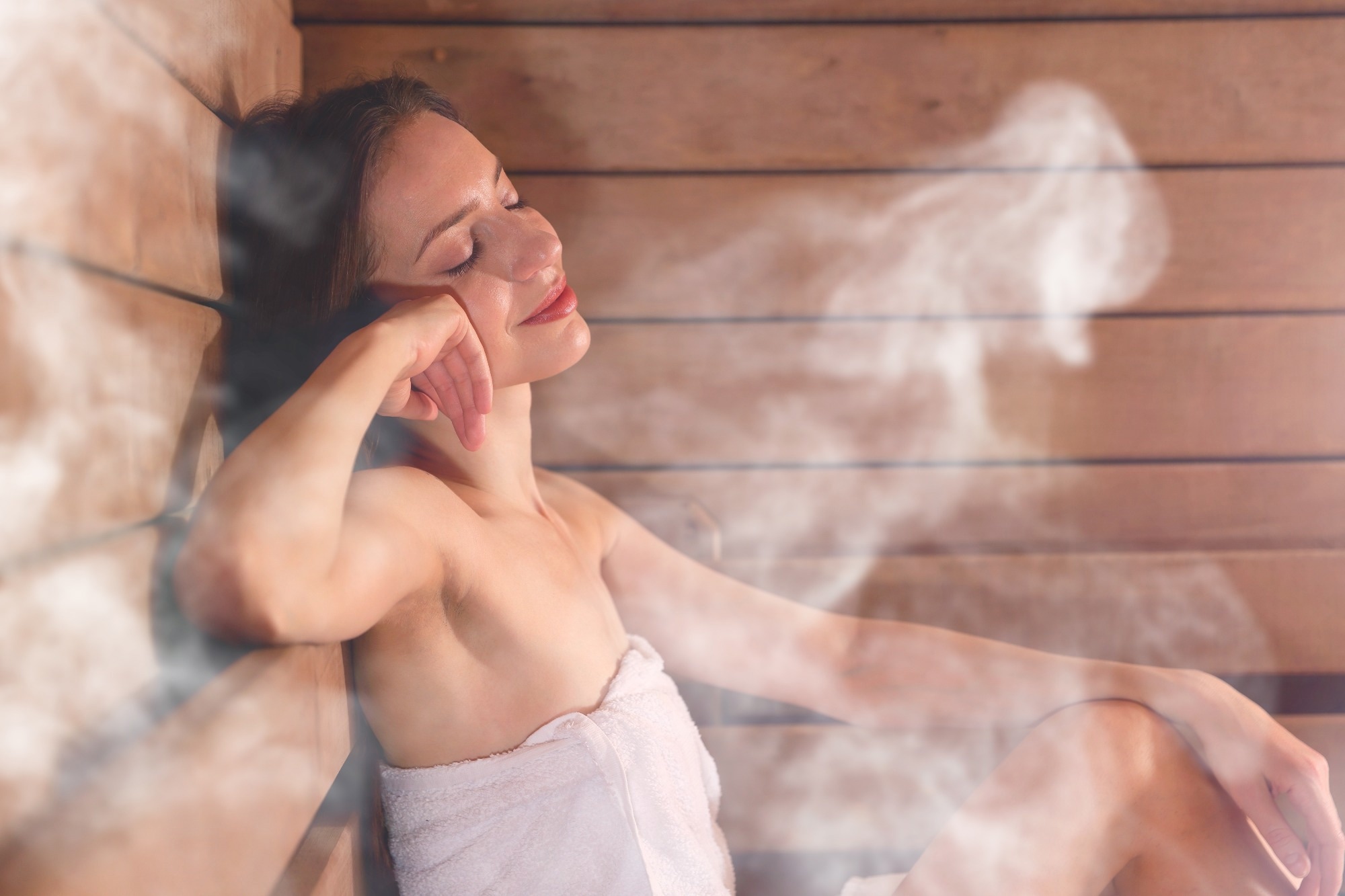 Image Credit: New Africa / Shutterstock.com
Introduction
Passive heat therapy (PHT) is an umbrella term used to describe any modality that raises body temperature through external means. Historically considered a wellness ritual, growing scientific evidence suggests that passive heating may support various aspects of human health. However, Finnish saunas, steam rooms, hot-water immersion, infrared saunas, and steam inhalation expose the body to different combinations of temperature, humidity, and heating intensity.
Evidence is currently strongest for cardiovascular responses to sauna and other whole-body heating methods, whereas evidence concerning skin-barrier improvement and respiratory benefits from conventional steam exposure is more limited.1,3,4,5,8
What happens in your body during steam therapy
PHT is a form of thermotherapy involving controlled exposure to high environmental temperatures for brief, predefined periods. Steam rooms commonly use warm, humid air within the temperature range of 40-50°C at or near 100% relative humidity (RH), whereas traditional Finnish saunas typically operate at 80-100°C with relative humidity of approximately 10-20%.1,3
A single sauna session can elevate core body temperature to 39°C, with skin surface temperatures reaching up to 42°C.2 This thermal load leads to thermoregulatory responses, including significant cutaneous vasodilation and a compensatory increase in heart rate and cardiac output.1,3 In fact, one study reports that heart rate (HR) elevations during PHT-induced thermal stress can reach 120-150 beats/minute, producing some cardiovascular responses that resemble moderate physical activity, although passive heating does not reproduce the muscular and metabolic effects of exercise.3
PHT exposure, specifically cellular responses to heat stress, may promote the expression of heat shock protein 70 (HSP70) and related heat shock proteins. HSPs are essential for maintaining protein fidelity by ensuring proper folding of polypeptides and protecting cells from subsequent thermal or oxidative damage. Most supporting evidence is mechanistic or derived from sauna and other heat-exposure protocols rather than conventional steam baths.1
Skin: Enhanced circulation and barrier support
Moist heat exposure increases cutaneous blood flow by enhancing cutaneous circulation. Heat-induced vasodilation increases blood flow to superficial tissues, helping the body transfer heat from its core to the skin surface.1,3 Evidence that this temporary response produces lasting improvements in skin health remains limited.1
PHT-induced sweating is one route by which trace amounts of heavy metals such as arsenic, cadmium, lead, and mercury may be excreted. However, current evidence does not establish sauna or steam therapy as a clinically meaningful “detoxification” treatment, and sweating should not replace medical management of toxic exposure.1
Separate laboratory research using sprayed ultrafine water droplets found increased water content in the stratum corneum, reduced transepidermal water loss, and changes associated with ceramide production and skin-barrier maintenance. Because this study used excised human skin and a three-dimensional cultured skin model, its findings should not be assumed to demonstrate the same effects during a conventional steam bath.4
Lungs: Airway moisture and mucus clearance
Inhaling warm, humidified air may temporarily moisten the nose and upper airways, making congestion feel less uncomfortable, but clinically significant improvements in mucus clearance have not been established.7
One randomized trial involving 300 healthy young adults found changes in selected spirometry measurements, including forced expiratory volume in 1 second, after repeated steam-bath sessions. Interpretation is limited by incomplete reporting, improvement in some control-group measurements, and the absence of participants with respiratory disease; independent replication is needed.5
A small six-month trial involving 50 volunteers reported fewer common-cold episodes among regular sauna users, particularly during the final three months, but found no significant reduction in cold duration or severity. The authors concluded that further studies were required.6
While preliminary in vitro studies hypothesize that PHT-induced heat denatures viral proteins, clinical evidence indicates that steam inhalation has not been shown to kill respiratory pathogens in the human airways or to cure viral infections. As a result, steam inhalation may provide only short-lived symptomatic relief and should not replace evidence-based treatment.7
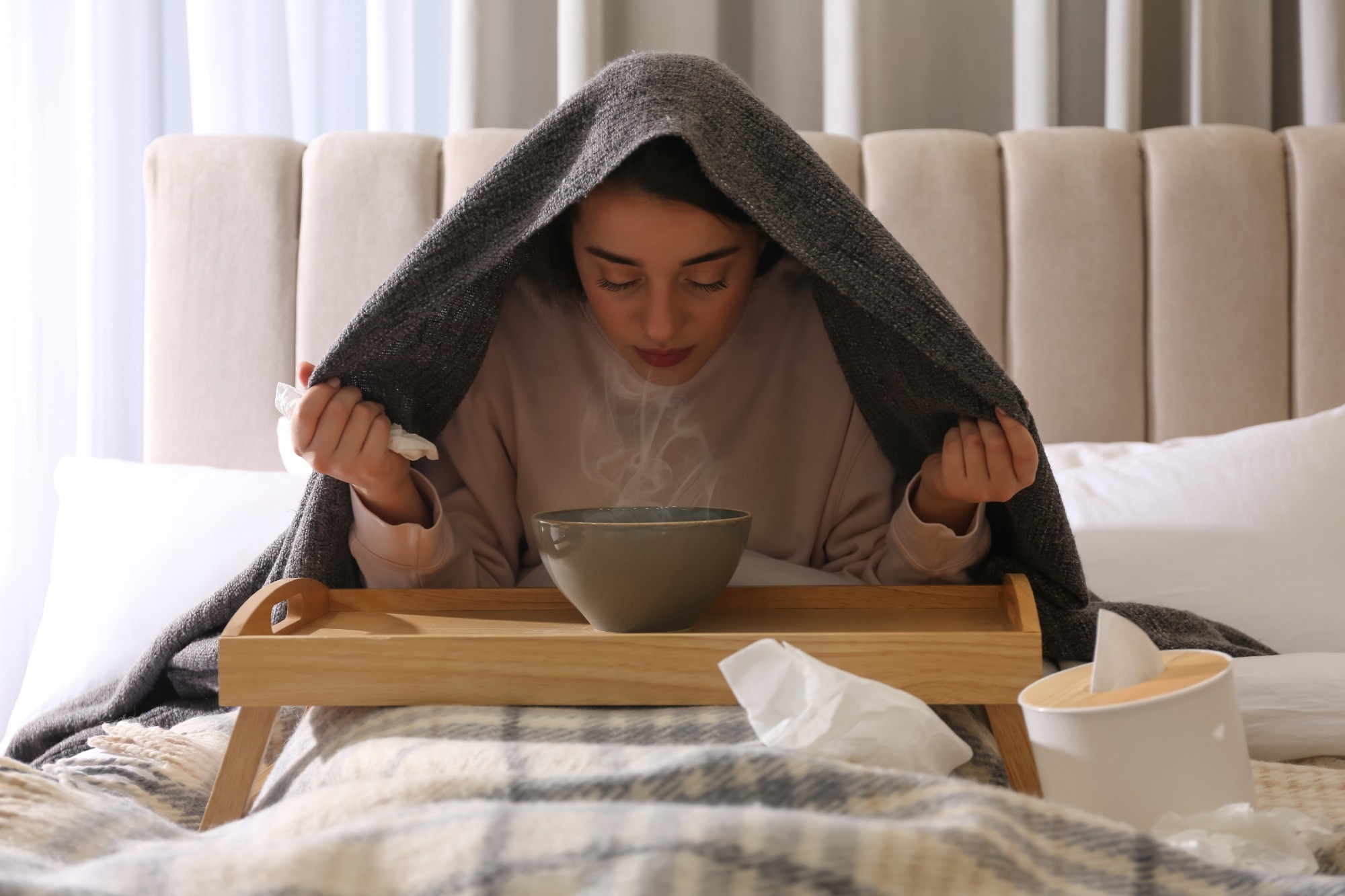 Image Credit: New Africa / Shutterstock.com
Circulation and cardiovascular effects
PHT modalities may induce systemic vasodilation and reduce peripheral resistance, thereby conferring cardiometabolic benefits.1 Experimental studies have shown that a single 30-minute Finnish sauna session can lead to an immediate reduction in mean systolic and diastolic blood pressure from 137 to 130 mmHg and 82 to 75 mmHg, respectively.11 These values were observed in adults with at least one cardiovascular risk factor and should not automatically be generalized to other forms of passive heating.11
Long-term longitudinal data support these findings. Specifically, men engaging in four to seven sauna sessions every week were 47% less likely to develop hypertension over a 24.7-year period as compared to those using the sauna once weekly.9 This was an observational association involving habitual Finnish sauna use and does not prove that sauna exposure itself prevented hypertension.9
In a small controlled study of 20 young, sedentary adults, eight weeks of hot-water immersion increased flow-mediated dilatation (FMD), a marker of vascular health, from 5.6% to 10.9%.10 The intervention also reduced aortic pulse-wave velocity from 7.1 m s-1 to 6.1 m s-1, mean arterial pressure from 83 to 78 mmHg, and carotid intima-media thickness from 0.43 mm to 0.37 mm.10 These findings concern repeated hot-water immersion rather than steam-room exposure.10
A 2025 systematic review of 20 randomized trials found no statistically significant pooled improvement in most cardiometabolic or vascular outcomes, including flow-mediated dilatation, pulse-wave velocity, resting heart rate, glucose, blood lipids, and C-reactive protein.8 The overall reduction in systolic blood pressure also did not reach statistical significance, although subgroup analyses suggested a possible benefit from whole-body heating and among adults with cardiovascular risk or established cardiovascular disease.8
Stress, hormones, and cellular protection
The physiological strain of PHT may modulate the neuroendocrine system and endogenous cellular stress responses.1 Heat stress upregulates HSP expression, which may contribute to protection against oxidative damage and systemic inflammation.1 However, randomized evidence has not shown consistent long-term reductions in inflammatory markers such as C-reactive protein.8
Acute sauna exposure can transiently activate neuroendocrine stress pathways, leading to changes in cortisol and catecholamine secretion rather than uniformly reducing stress-hormone concentrations.1,2 In a study of nine trained runners and nine untrained men, a single Finnish sauna session increased circulating white blood cell, lymphocyte, neutrophil, and basophil counts. These short-term changes indicate an acute physiological response but do not demonstrate enhanced immunity or protection against infection.2
PHT also may influence autonomic activity, especially during post-exertion recovery phases. Repeated sauna use has been associated with relaxation and improved subjective well-being, although the clinical evidence is heterogeneous and is stronger for sauna than for steam inhalation.1,3
Observational Finnish cohort studies have associated frequent sauna bathing with lower risks of dementia and Alzheimer's disease. These findings do not establish causation, may be influenced by lifestyle and socioeconomic factors, and should not be attributed directly to changes in cortisol, heat shock proteins, or any single biological mechanism.1,3
Health Benefits of a Steam Room
Safety and limitations
Unmonitored chronic PHT exposure may present acute clinical risks, including dehydration, orthostatic hypotension, and cardiovascular strain.1 Water consumption after PHT is strongly recommended, as intense PHT-induced sweating without adequate fluid replenishment can lead to hypohydration, which increases blood viscosity and cardiac workload.3 Users should end a session and cool down if they develop dizziness, nausea, weakness, headache, chest discomfort, or difficulty breathing.1,3
Patients with a history of arterial disease are advised to undergo PHT exposure under medical supervision, as peripheral vasodilation and fluid loss can cause blood pressure to fall and may provoke dizziness or syncope in susceptible individuals.1,3,10
For patients with diabetes, heat-induced rises in cutaneous blood flow may accelerate the absorption of pharmacologically injected insulin, which can trigger hypoglycemia. Reduced heat sensation, autonomic neuropathy, vascular disease, or impaired wound healing may create additional risks for some people with diabetes.3
Public health agencies emphasize that individuals with unstable angina, recent myocardial infarction, severe aortic stenosis, and acute fever should not undergo PHT therapy without medical consultation. Alcohol consumption before or during a PHT session should be avoided because it can worsen dehydration, impair judgment, and increase the likelihood of hypotension, arrhythmia, injury, or collapse.1,3
Steam inhalation, a common home remedy for respiratory ailments, is also a frequent cause of accidental scald burns. A UK burns center study identified 19 hospital admissions at one center and 201 cases nationwide over 2 years; 6 of the 19 patients required surgery. Children are especially vulnerable, although severe injuries can occur at any age, and inhaling steam over bowls, kettles, or pots of boiling water is not recommended.7 Consequently, clinicians recommend that passive heat therapy be viewed as a supportive adjunct, rather than a substitute for established medical treatments.1,3,7
References
- Laukkanen, J. A., & Kunutsor, S. K. (2024). The multifaceted benefits of passive heat therapies for extending the healthspan: A comprehensive review with a focus on Finnish sauna. Temperature 11(1); 27-51. DOI: 10.1080/23328940.2023.2300623. https://www.tandfonline.com/doi/full/10.1080/23328940.2023.2300623
- Pilch, W., Pokora, I., Szygula, Z., et al. (2013). Effect of a Single Finnish Sauna Session on White Blood Cell Profile and Cortisol Levels in Athletes and Non-Athletes. Journal of Human Kinetics 39(1); 127-135. DOI: 10.2478/hukin-2013-0075. https://johk.pl/?p=2754
- Laukkanen, J. A., Laukkanen, T., & Kunutsor, S. K. (2018). Cardiovascular and Other Health Benefits of Sauna Bathing: A Review of the Evidence. Mayo Clinic Proceedings 93(8); 1111-1121. DOI: 10.1016/j.mayocp.2018.04.008. https://www.mayoclinicproceedings.org/article/S0025-6196(18)30275-1/fulltext
- Todo, H., Hirota, M., Kage, M., et al. (2025). Effect of Application of Ultrafine Water Droplets on Water Content in the Stratum Corneum Layer in Excised Human Skin and on Barrier Function in a Three‐Dimensional Cultured Human Skin Model. Skin Research and Technology 31(10). DOI: 10.1111/srt.70223. https://onlinelibrary.wiley.com/doi/10.1111/srt.70223
- Singh, S. & Shankaregowda, A. (2025). Effect of Steam Bath on Spirometry variables among healthy Individuals - A Randomized Control Trial. International Journal for Research in Applied Science and Engineering Technology 13(12); 3186-3195. DOI: 10.22214/ijraset.2025.76673. https://www.ijraset.com/research-paper/effect-of-steam-bath-on-spirometry-variables-among-healthy-individuals
- Ernst, E., Pecho, E., Wirz, P., & Saradeth, T. (1990). Regular Sauna Bathing and the Incidence of Common Colds. Annals of Medicine 22(4); 225-227. DOI: 10.3109/07853899009148930. https://www.tandfonline.com/doi/abs/10.3109/07853899009148930
- Scarborough, A., Scarborough, O., Abdi, H., & Atkins, J. (2021). Steam inhalation: More harm than good? Perspective from a UK burns centre. Burns 47(3); 721-727. DOI: 10.1016/j.burns.2020.08.010. https://www.sciencedirect.com/science/article/pii/S030541792030509X
- Hamaya, R., Joyama, Y., Miyata, T., et al. (2025). Non-acute effects of passive heating interventions on cardiometabolic risk and vascular health: systematic review and meta-analysis of randomized controlled trials. American Journal of Preventive Cardiology 23; 101082. DOI: 10.1016/j.ajpc.2025.101082. https://www.sciencedirect.com/science/article/pii/S2666667725001576
- Zaccardi, F., Laukkanen, T., Willeit, P., et al. (2017). Sauna Bathing and Incident Hypertension: A Prospective Cohort Study. American Journal of Hypertension 30(11); 1120-1125. DOI: 10.1093/ajh/hpx102. https://academic.oup.com/ajh/article-abstract/30/11/1120/3867393
- Brunt, V. E., Howard, M. J., Francisco, M. A., et al. (2016). Passive heat therapy improves endothelial function, arterial stiffness and blood pressure in sedentary humans. The Journal of Physiology 594(18); 5329-5342. DOI: 10.1113/jp272453. https://physoc.onlinelibrary.wiley.com/doi/10.1113/JP272453
- Laukkanen, T., Kunutsor, S.K., Zaccardi, F. et al. Acute effects of sauna bathing on cardiovascular function. J Hum Hypertens 32, 129–138 (2018). DOI: 10.1038/s41371-017-0008-z, https://www.nature.com/articles/s41371-017-0008-z
Further Reading
Last Updated: Jul 29, 2026