Introduction
Physiological pathways activated by cold exposure
Metabolic, immune, and cognitive effects of cold therapy
How the body adapts to thermal stress
Saunas and heat therapy: Cardiovascular, metabolic, and recovery benefits
Biological sex and thermal stress
Personalized approaches to thermal therapy
References
Further reading
This article examines how cold plunges, ice baths, and saunas affect physiology, vascular health, metabolism, and cognition. It also explains that men and women often show different thermoregulatory mechanisms, even when their overall adaptation or performance benefits are similar.
 Image Credit: Mr. Tempter / Shutterstock.com
Introduction
Cold plunges, ice baths, and saunas are widely used for recovery, metabolic health, and stress adaptation. However, the strength of evidence varies across these outcomes, particularly for cold exposure, where findings remain mixed and sometimes inconclusive.1 This article reviews the underlying mechanisms involved in these health effects and how they compare between men and women.
Physiological pathways activated by cold exposure
Like exercise, ice baths or immersing oneself in cold water challenge the body’s physiological systems that regulate heat production and loss. In response to cold exposure, increased hydrostatic pressure activates the sympathetic nervous system (SNS), which constricts peripheral blood vessels and reduces blood flow to the skin surface, thereby limiting heat loss to the surrounding environment.
Environmental factors, such as temperature, stimulate the hypothalamus, the primary region of the brain involved in thermoregulation, to increase metabolic activity and release hormones such as epinephrine and norepinephrine, which raise blood pressure and heart rate. Simultaneously, cold-induced SNS activation promotes the browning of white adipose tissue and enhances the ability of brown adipose tissue (BAT) to metabolize lipids and triglycerides for heat production.1,2 In humans, however, the magnitude and consistency of these metabolic adaptations vary across studies and populations.1 Heat is also generated through shivering, a process characterized by continuous and asynchronous contractions of skeletal muscles in the body.
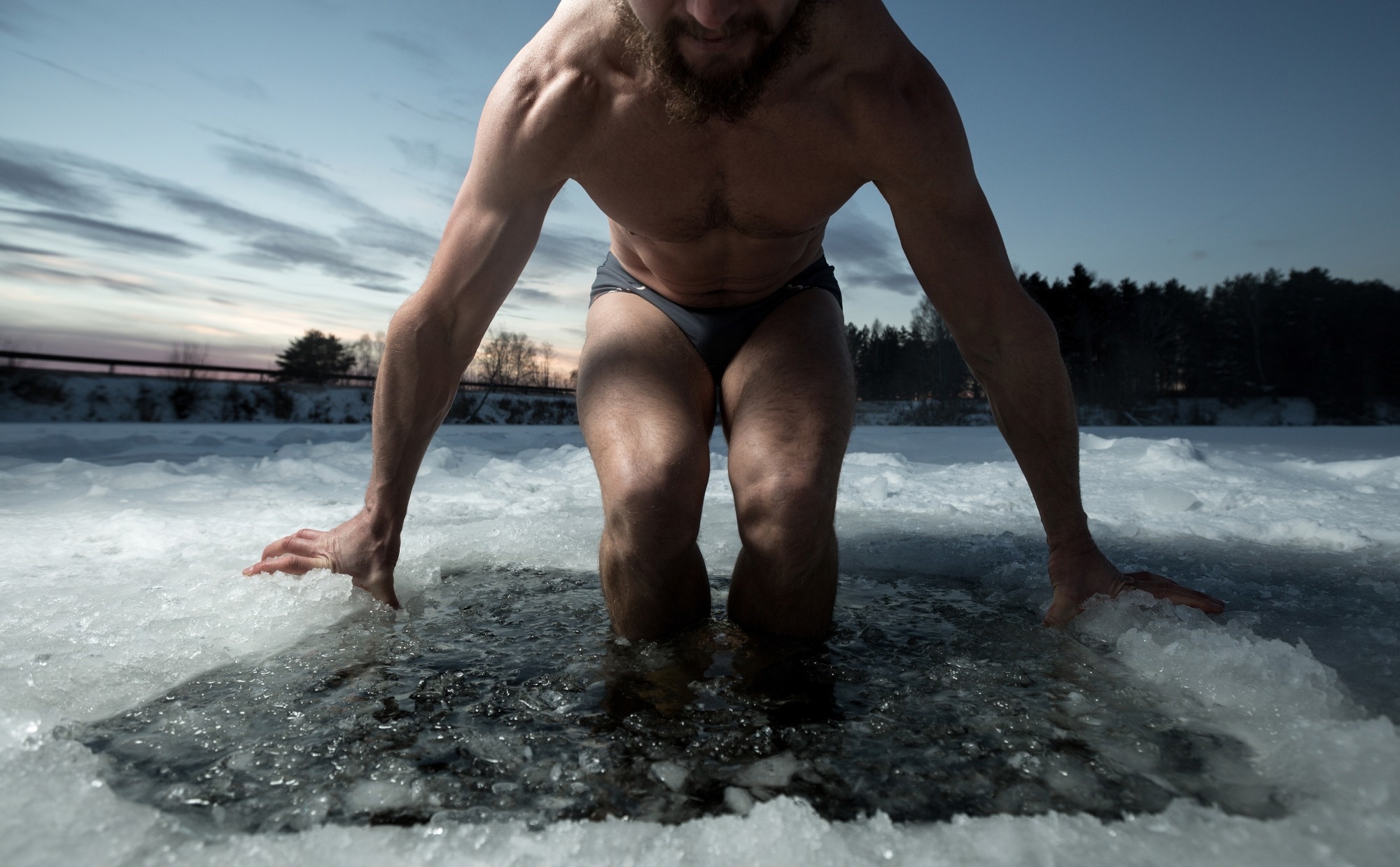 Image Credit: Dudarev Mikhail / Shutterstock.com
Ice bathing has been associated with changes in metabolism and insulin sensitivity, but many studies are small and do not establish causality. Ice bathing may also influence immune function by regulating the activity of inflammatory molecules, such as interleukin-6 (IL-6) and tumor necrosis factor α (TNF-α). In a recent study, six weeks of regular cold-water immersions at 14°C for 1 hour increased IL-6 levels and CD3 T-cell counts, the latter of which potentiate immune defense against pathogens.1 These immune changes may reflect acute stress responses rather than durable improvements in immune protection.1
Acute cold exposure increases catecholamines, such as norepinephrine, as well as cortisol, which may enhance mood, alertness, and cognition. Experimental studies suggest that cold exposure upregulates cold-shock proteins, such as ribonucleic acid (RNA)-binding motif protein 3 (RBM3), which supports synaptic protection and may have implications for neurodegenerative conditions.1 At the same time, prolonged or intense cold exposure can impair cognitive performance, including attention, memory, and reaction time, with some sex-specific differences reported.2
The truth about cryotherapy
How the body adapts to thermal stress
Exposure to warmer temperatures causes cutaneous blood vessels to dilate, redistributing blood and heat toward the skin to facilitate heat loss.3 Specifically, heat is transferred from internal organs like the intestines, kidneys, and muscles to the surface of the skin for cooling.3,4
Heat stress also increases skin blood flow and heart rate, helping maintain blood pressure by increasing cardiac output.3 These molecular-level responses to heat exposure have led to observations of improved endothelial function that strengthens vascular health. Heat shock proteins, particularly HSP70 and HSP90, protect cells from damage by reducing oxidative stress and stabilizing protein structure.4,5 These molecular chaperones are a central component of the heat shock response.5
Athletes often use saunas or other forms of heat therapy immediately after exercise to help their bodies adapt to hot weather. Since the athlete is already hot from their workout, the heat acclimation process starts immediatel, rather than waiting for the body towarm upe from a colder baseline.6
Heat therapy similarly improves endothelial function through the activity of nitric oxide (NO), a molecule that dilates vessels to reduce blood pressure, as well as promotes the formation of new blood vessels. Heat increases NO availability by stimulating NO synthase, an enzyme that produces NO in the endothelium.6,7 Chronic heat therapy has also been shown to increase endothelial nitric oxide synthase (eNOS) expression and enhance angiogenesis.7
Rectal and skin temperatures decrease to similar extents in both sexes, along with an increase in maximum oxygen uptake. Nevertheless, sex-related differences have been observed. In women, for example, heat exposure increases the number of active sweat glands on their forearms to produce more sweat, whereas men experience greater blood flow to the skin to dissipate heat into the surrounding environment. Despite these mechanistic differences, overall improvements in heat acclimation and performance appear broadly similar between sexes.6
Biological sex and thermal stress
Whereas estrogen dilates blood vessels and promotes heat dissipation, progesterone increases body temperature, especially during the luteal phase of the menstrual cycle. Fluctuations in these ovarian hormones can also influence cold-induced vasoconstriction and thermogenesis. Together, these hormones influence fat distribution and metabolic responses to calorie restriction, and they can shift the level at which body temperature is regulated.8
Higher estrogen levels in women promote greater fat deposition in the breasts and hips, whereas men primarily accumulate fat around the trunk and abdomen. Thus, both estrogen and testosterone influence fat distribution, which contributes to variations in thermoregulation phenotypes between males and females.
Autonomic responses like heart rate and blood pressure regulation differ under cold and heat stress due to opposing thermoregulatory demands. Specifically, cold exposure activates sympathetic pathways that promote heat conservation by peripheral vasoconstriction, reducing blood flow to the skin and increasing blood pressure. In contrast, heat stress promotes heat loss through vasodilation and sweating, thereby increasing cardiac output and heart rate while maintaining blood pressure.2,8
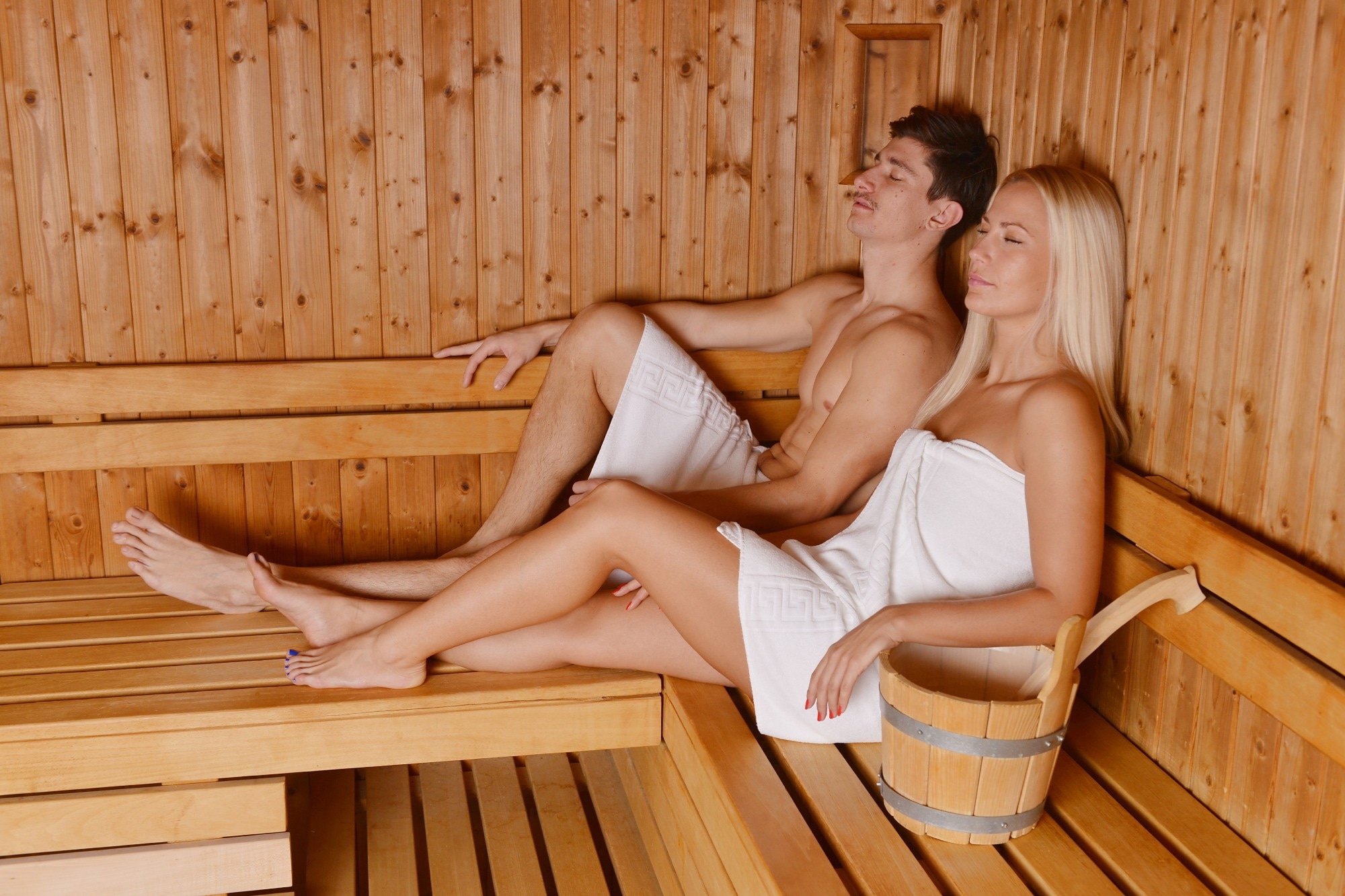 Image Credit: Visionsi / Shutterstock.com
Personalized approaches to thermal therapy
Current evidence suggests that both cold and heat therapies can produce physiological effects, but the magnitude and reliability of these benefits depend on the type, duration, and intensity of exposure, as well as the population studied.1,4 Comparatively, heat exposure catalyzes cardiovascular endurance, improves insulin sensitivity, lowers blood pressure levels, and reduces muscle soreness.1,7
Importantly, men and women respond differently to thermal stress due to physiological differences in body composition, metabolic heat production, and hormonal regulation. For example, men typically generate more heat through shivering, whereas women often conserve heat through insulation.
These differences emphasize the importance of personalized approaches to optimize the benefits and safety of these thermotherapies, as milder cold conditions may be sufficient for women to achieve metabolic benefits.2,8 While cold exposure and heat stress have been studied in relation to autonomic function and performance, many studies do not account for biological sex or factors like the menstrual cycle.
Evidence on heat acclimation and recovery strategies, including post-exercise hot water immersion and sauna use, is also limited by the lack of direct sex-based comparisons or disaggregated data. Future studies should prioritize sex-disaggregated analyses and hormonal status to better explain variability in thermoregulatory and health outcomes.2,6,8
References
- Espeland, D., & Mercer, J. B. (2022). Health effects of voluntary exposure to cold water – a continuing subject of debate. International Journal of Circumpolar Health 81(1) 2111789. DOI: 10.1080/22423982.2022.2111789. https://www.tandfonline.com/doi/full/10.1080/22423982.2022.2111789
- Kong, Y., Hossain, M. B., McNaboe, R., et al. (2024). Sex differences in autonomic functions and cognitive performance during cold-air exposure and cold-water partial immersion. Frontiers in Physiology 15. DOI: 10.3389/fphys.2024.1463784. https://www.frontiersin.org/journals/physiology/articles/10.3389/fphys.2024.1463784/full
- Chou, T. H., & Coyle, E. F. (2023). Cardiovascular responses to hot skin at rest and during exercise. Temperature 10(3); 326-357. Both estrogen and testosterone influence fat distribution, which also contributes to variations in thermoregulation phenotypes between males and females. : 10.1080/23328940.2022.2109931. https://www.tandfonline.com/doi/full/10.1080/23328940.2022.2109931
- Cheng, J. L., & MacDonald, M. J. (2019). Effect of heat stress on vascular outcomes in humans. Journal of Applied Physiology. DOI: 10.11452/JAPPL.00682.2018. https://journals.physiology.org/doi/full/10.1152/japplphysiol.00682.2018
- Singh, M. K., Shin, Y., Ju, S., et al. (2024). Heat Shock Response and Heat Shock Proteins: Current Understanding and Future Opportunities in Human Diseases. International Journal of Molecular Sciences 25(8); 4209. DOI: 10.3390/ijms25084209. https://www.mdpi.com/1422-0067/25/8/4209
- Kirby, N. V., E Lucas, S. J., Cable, T. G., et al. (2021). Sex differences in adaptation to intermittent post-exercise sauna bathing in trained middle-distance runners. Sports Medicine - Open 7; 51. DOI: 10.1186/s40798-021-00342-6. https://link.springer.com/article/10.1186/s40798-021-00342-6
- Brunt, V. E., Weidenfeld-Needham, K. M., Comrada, L. N., Francisco, M. A., Eymann, T. M., & Minson, C. T. (2019). Serum from young, sedentary adults who underwent passive heat therapy improves endothelial cell angiogenesis via improved nitric oxide bioavailability. Temperature: Multidisciplinary Biomedical Journal, 6(2), 169. Doi: 10.1080/23328940.2019.1614851, https://www.tandfonline.com/doi/full/10.1080/23328940.2019.1614851
- Greenfield, A. M., Charkoudian, N., & Alba, B. K. (2021). Influences of ovarian hormones on physiological responses to cold in women. Temperature: Multidisciplinary Biomedical Journal 9(1), 23. https://www.tandfonline.com/doi/full/10.1080/23328940.2021.1953688
Further Reading
Last Updated: Apr 8, 2026
 Can hot baths lower high blood pressure?