Food delivery apps are reshaping how teenagers access meals, raising new questions about what students order, why they turn to outside food, and how schools should respond.
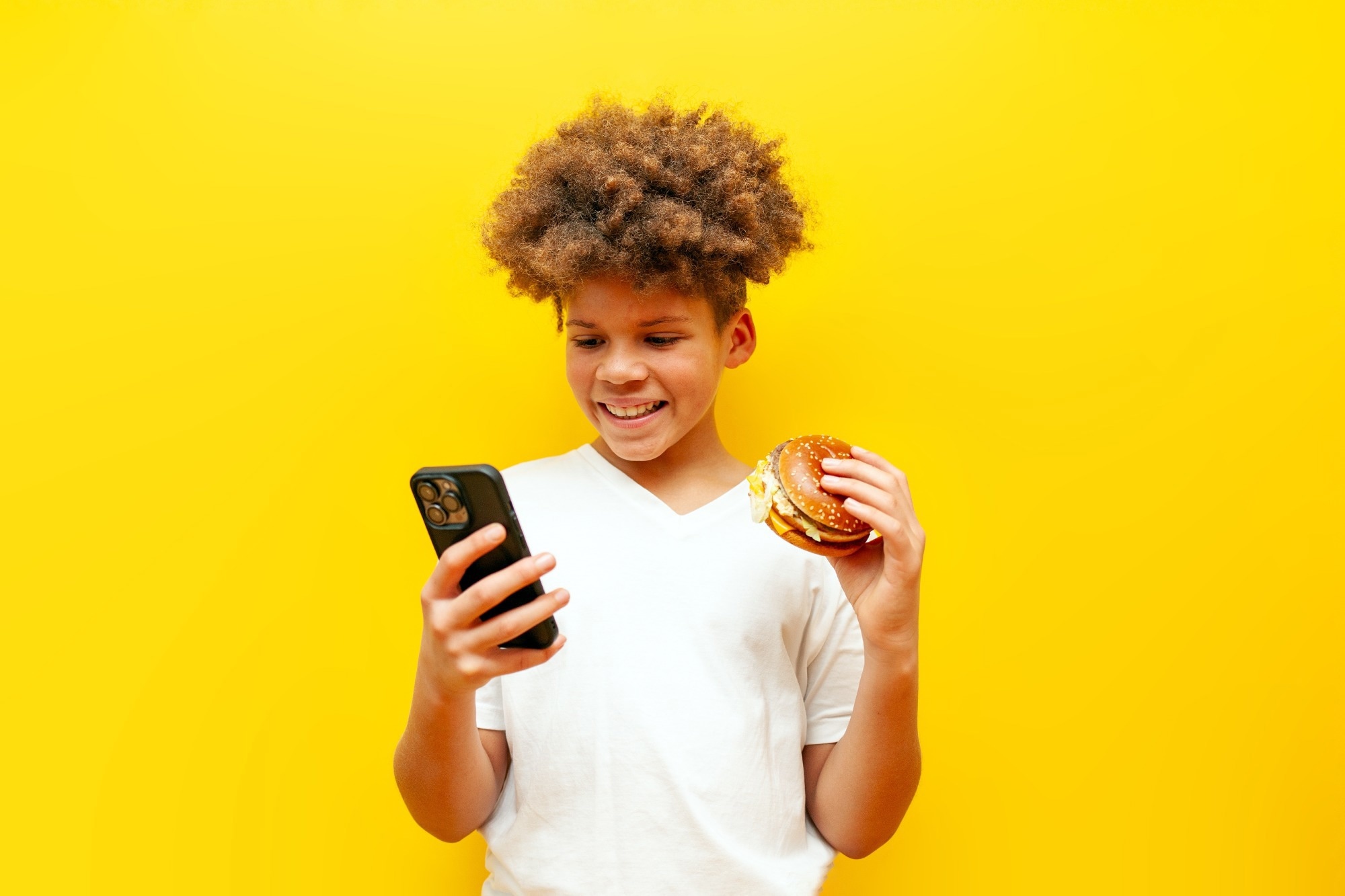
Study: Prevalence of Use of Mobile Food Delivery Services During School Hours in the United States: Survey Study. Image Credit: Bohdan Malitskiy / Shutterstock
Nearly one in four adolescents in the United States reported using online food delivery services during school hours, while fast food and sugar-sweetened beverages were among the most commonly ordered items through delivery apps overall, according to a national survey published in the Journal of Medical Internet Research.
Background
Unhealthy dietary patterns and food environments are important risk factors for childhood obesity, which substantially increases the risk of developing chronic diseases in adulthood. Easy access to unhealthy food outlets during school hours has been associated with poorer dietary behaviors among adolescents. The emergence of food delivery apps in recent times may introduce additional dietary risks by expanding access to food from outside schools.
In the United States, various federal, state, and local policies developed over the past 20 years have helped improve the nutritional quality of school meals and reduce the prevalence of childhood obesity. However, the recent surge in the use of online food delivery services has generally not been incorporated into school nutrition policies or evaluations, highlighting the need to implement appropriate guidelines and strategies to address potential long-term dietary and health risks for children and adolescents.
The national online survey was conducted among school-going adolescents in the United States to explore their use of and perspectives on online food delivery services.
A total of 1,027 students aged 13 to 17 years participated in the survey. The primary aim of the survey was to assess students' usage patterns and perceptions of online food delivery services during school hours, as well as their use after school.
Key findings
About 25% of students reported currently using online food delivery services during school hours, either frequently or infrequently. About 72% of students reported that their schools never allow the use of these services during school hours, while about 26% reported that their schools had allowed the practice for either less than or more than five years. Patterns of use during school hours differed by race/ethnicity and household income, with frequent use particularly high among Black adolescents and any use more common among adolescents from households earning less than $60,000.
The proportion of students reporting that they attended schools that allowed online food delivery services during school hours was substantially higher in the West than in the Northeast, Midwest, and South. However, students in the West more commonly cited perceived high costs as a reason for not using these services.
Regarding types of foods ordered online, whether at school or elsewhere, nearly 60% of students reported ordering fast food, and 34% reported ordering sugar-sweetened beverages. In contrast, orders for grain bowls, non-fried vegetables, and fruits were reported less frequently.
When asked whether schools should allow students to use online food services during school hours, nearly 50% answered affirmatively, and 50% were either unsure or disapproving. The most common reason for an affirmative answer was the desire or need for alternatives, including greater food choices and options to meet dietary or religious needs. Perceiving school-provided food as low-quality, unhealthy, or not nutritious was another common reason for supporting online food delivery options.
Notably, many students who were conditionally supportive or unsupportive of online food delivery at school expressed concerns about potential distractions and disruptions to the school environment that these services could cause.
The students also mentioned that it would be unfair for those who cannot afford these services, highlighting potential concerns about stigma and bullying. Several students also raised safety concerns about delivery personnel or other outside visitors coming onto school grounds.
Significance
This national survey reports that nearly one in four adolescents aged 13 to 17 in the United States use online food delivery services during school hours. Across delivery-app orders made at school or elsewhere, the most commonly reported purchases were fast food and sugar-sweetened beverages. Such online purchasing patterns may pose dietary risks for adolescent students, highlighting the need for school nutrition policies to consider both physical and digital food environments.
Given the growing popularity and use of online food delivery services among young people, schools and policymakers should work together to develop strategies to protect youth from the potential adverse effects of digital food environments.
A ban on such services alone may not equip adolescents to navigate digital food environments; students should also be educated about how to navigate through and make healthy choices in both online and offline food environments.
Digital literacy programs typically included in school curricula aim to teach students how to use digital tools for learning and work. These programs could also include training modules to educate students on how to interact with digital food environments, such as online food purchases and nutrition information on social media.
The survey analyzed student-reported information on the prevalence of online food service use and related school policies, which may be subject to overestimation or underestimation. The survey was conducted during the summer break, which may have introduced recall bias about behaviors during the academic year. The survey instrument was also not psychometrically validated, and the study did not measure actual dietary intake, body weight, obesity, or other health outcomes.
Future national surveys should consider collecting actual usage data, potentially from online food service companies, to validate current findings and examine geographical variability, and independently verify school policies through school websites or surveys.
Journal reference:
- Matsuzaki M, et al. 2026. Prevalence of Use of Mobile Food Delivery Services During School Hours in the United States: Survey Study. Journal of Medical Internet Research. https://www.jmir.org/2026/1/e94675
 Overweight dementia patients likely to live longer than normal weight peers