From TikTok videos to AI-generated advice, researchers examined how popular online sources compare with scientific evidence when patients seek guidance on what to eat after a breast cancer diagnosis.
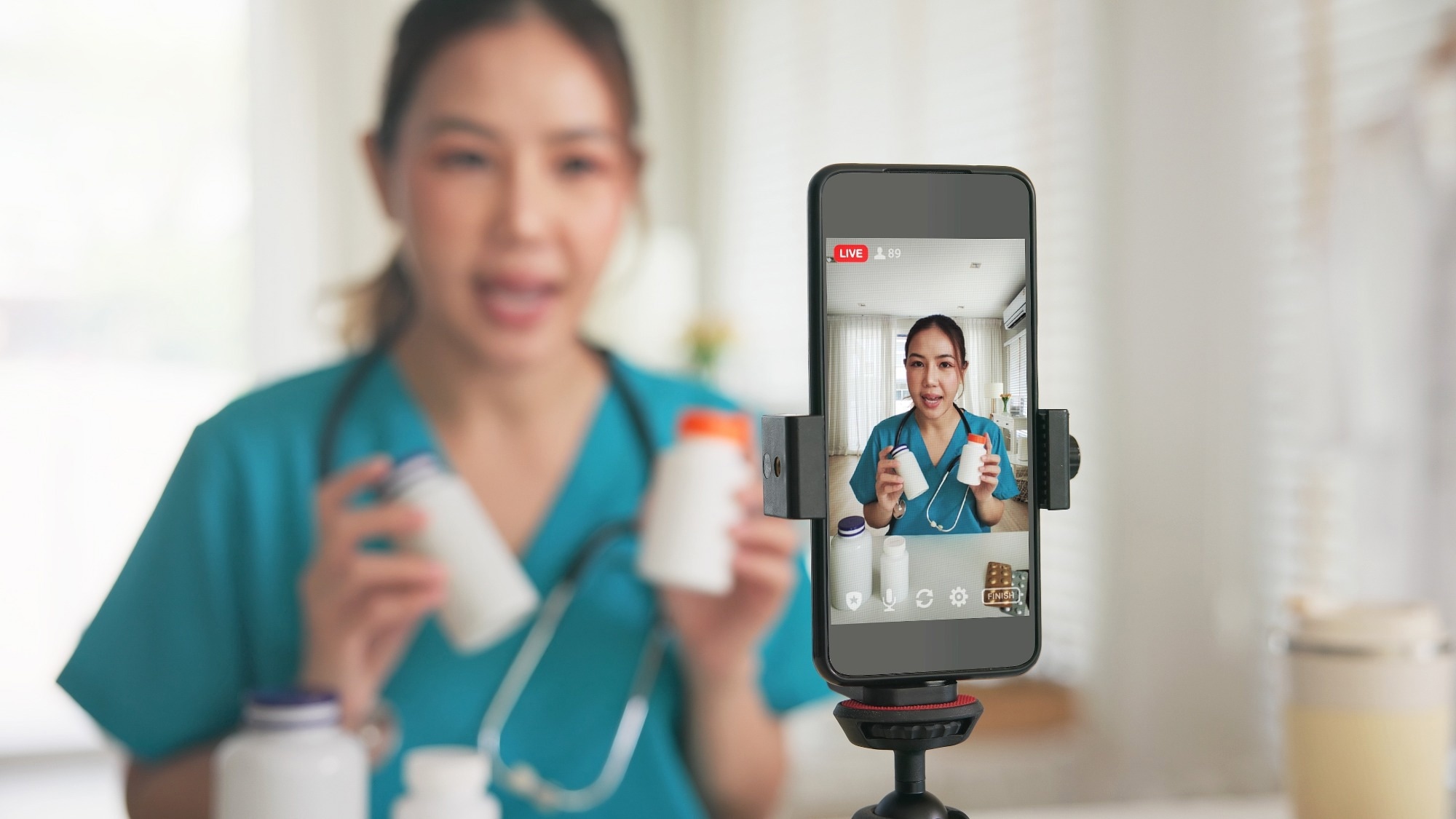 Study: Quality of nutrition information for breast cancer: A mixed-methods analysis of online information. Image Credit: Chay_Tee / Shutterstock.com
In a recent study published in Patient Education and Counseling, researchers evaluated the clinical accuracy and reliability of online dietary advice targeting individuals diagnosed with breast cancer.
Why breast cancer patients turn to the internet for nutrition advice
Breast cancer has long been identified as the most common cancer subtype among women globally, with the World Health Organization (WHO) estimating approximately 2.3 million new cases and 670,000 deaths worldwide in 2022. Improvements in early detection and treatment have contributed to increasing breast cancer survival rates worldwide.
This growing population of breast cancer survivors has increased demand for information about lifestyle strategies, particularly dietary modifications, that can help manage or mitigate the impacts of treatment-related side effects. Patients also frequently explore modifiable behaviors to reduce their risk of cancer recurrence and improve overall well-being.
While oncology dietitians and physicians remain trusted sources of nutritional guidance, many patients also seek information online, where advice is readily accessible and usually free.
Previous investigations have documented the widespread circulation of unsupported health claims and non-expert opinions online. Yet the reliability of post-diagnosis nutrition claims across newer social platforms and conversational AI models remains poorly understood.
About the study
This study examined how closely online breast cancer nutrition advice matched scientific evidence and whether reliability differed by information source. Researchers collected data between January and April 2025 from eight online platforms: Google, Facebook, Instagram, Pinterest, YouTube (standard and short videos), TikTok, X (formerly Twitter), and ChatGPT-4.
The study mirrored patient search behaviors by evaluating results obtained using five non-academic phrases: "breast cancer nutrition", "breast cancer diet", "breast cancer food", "cancer diet", and "cancer nutrition". Researchers examined the top 10 results for each search phrase across social media platforms, Google's first page, and five ChatGPT-4 responses. The study followed the Standards for Reporting Qualitative Research (SRQR) checklist.
The study then categorized the extracted claims into three creator groups: 1) "Health professionals," comprising oncologists and dietitians; 2) "Personal accounts" from influencers and advocates; and 3. "Groups and organizations," which encompassed foundations and commercial websites. ChatGPT responses were excluded from this classification.
Finally, all claims were evaluated by a multidisciplinary human expert review panel using authoritative clinical guidelines, including those from the European Society for Clinical Nutrition and Metabolism (ESPEN), the American Society of Clinical Oncology (ASCO), and the Clinical Oncology Society of Australia (COSA), alongside recent peer-reviewed systematic reviews. Researchers classified each claim as supported, contradicted, or little evidence based on scientific guidelines and published studies.
Most dietary claims lack evidence, with TikTok and X performing worst
The study found that of the 151 post-diagnosis nutrition claims included in the final analysis, only 12.5% were supported by reliable evidence or established scientific facts. Specifically, 8.6% were supported by clinical guidelines or systematic reviews, while another 4% reflected established scientific facts.
The remaining 87.5% had weak or insufficient supporting evidence or were contradicted by established research. About 63% of all claims were classified as having no evidence, while 21% had weak evidence and 4% were contradicted by established literature.
The study's platform-level analyses also found differences in claim reliability, with TikTok (76.3%) and X (72.9%) showing the highest proportions of claims lacking supporting evidence or contradicted by existing research.
Google (33.3%) and ChatGPT (30.0%) returned the highest proportions of scientifically supported information, though the chatbot provided similar, general answers to all five questions. Only five responses from ChatGPT-4 were assessed, limiting conclusions about AI-generated nutrition advice. Recurring topics centered on cruciferous vegetables (e.g., broccoli; cited 17 times), alcohol consumption (15 times), plant-based diets (13 times), and claims that sugar "feeds" cancer (13 times).
Health professionals posted a slightly higher proportion of evidence-supported claims (29.2%) compared to personal accounts (23.5%) and groups or organizations (24.1%). Differences between creator groups were not statistically significant. Health professionals contributed fewer nutrition claims than other creator groups, accounting for about one-third of the non-AI content collected.
Better online guidance could help patients make informed dietary choices
Most nutrition claims identified in selected online search results for people affected by breast cancer lacked strong scientific support. However, claims without supporting evidence are not necessarily false, and the researchers did not assess whether patients followed the advice or experienced harmful outcomes.
The analysis was limited to publicly accessible English-language content collected using five search phrases in early 2025. Search rankings and AI responses may have changed since then, and the researchers also reported difficulty verifying some content creators' credentials.
Moving forward, the authors recommend developing systems to verify qualified health professionals online, improving digital health literacy, and investing in the wider distribution of evidence-based nutrition guidance. Improving access to trustworthy nutrition advice could help people with breast cancer make informed dietary decisions throughout treatment and recovery.
 $13.1 million grant backs bacterial therapies for resistant breast cancer