A multiethnic cohort study separated total, caffeinated, and decaffeinated coffee intake and tracked long-term survival after colorectal cancer diagnosis, revealing a more complex picture than coffee alone.
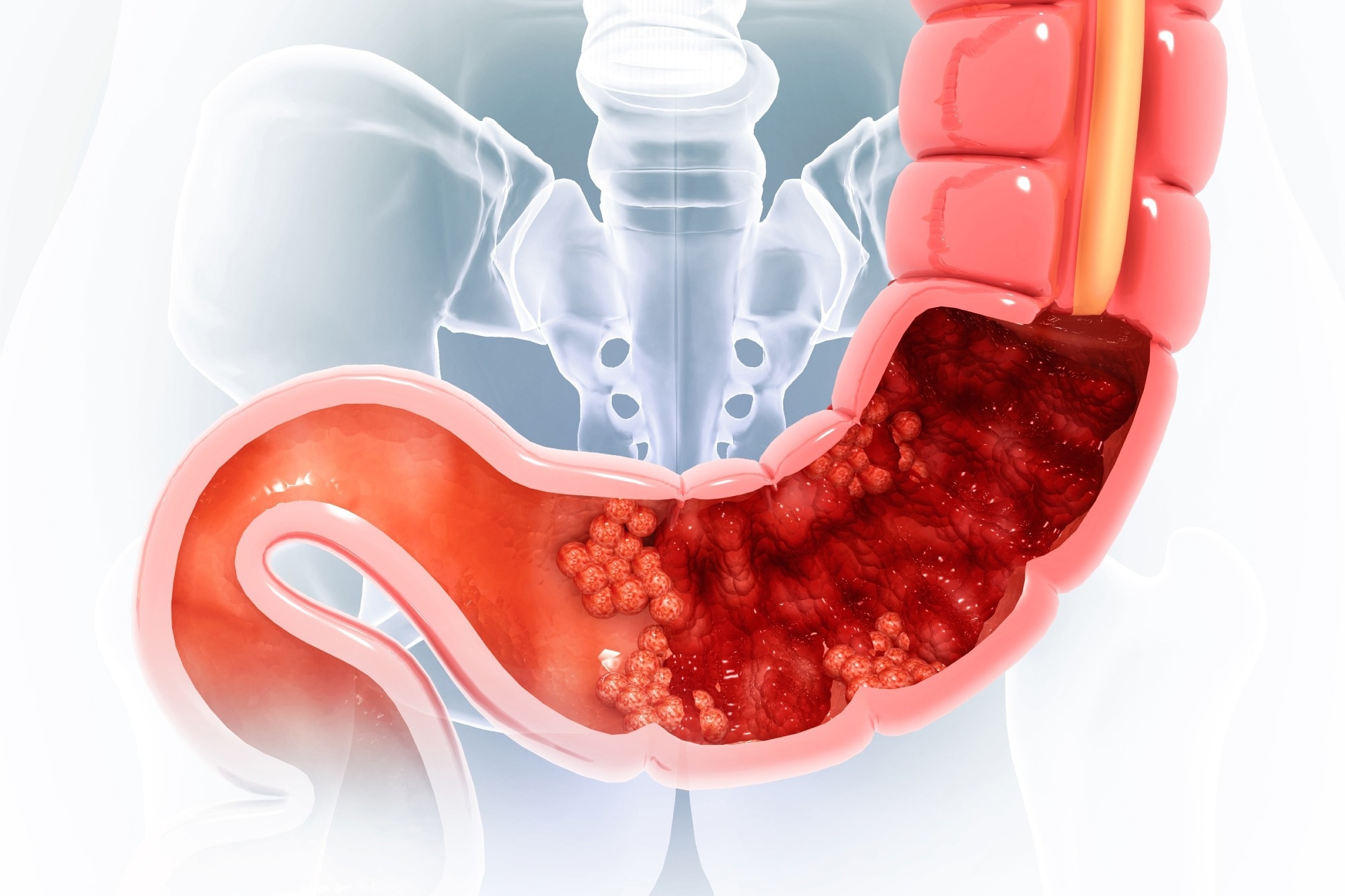
Study: Association of coffee intake with risk of all-cause and colorectal cancer-specific mortality among individuals with colorectal cancer in the Multiethnic Cohort Study. Image Credit: crystal light / Shutterstock
In a recent study published in the journal Cancer Causes & Control, researchers examined associations between coffee consumption and the risks of all-cause mortality (ACM) and colorectal cancer (CRC) mortality among people with CRC.
CRC is the second leading cause of cancer death in the United States. Coffee has been reported as a potential factor influencing outcomes in CRC patients. Studies have shown that coffee has pro-apoptotic, anti-inflammatory, anti-proliferative, and antioxidant effects in vitro and in vivo. A growing body of evidence suggests that coffee consumption is associated with a reduced risk of CRC mortality and ACM. But existing studies have limited ethnic and racial diversity.
About the study
In the present study, researchers investigated associations between coffee intake and CRC mortality and ACM risks in an ethnically and racially diverse sample of people with CRC. They included participants from the Multiethnic Cohort Study who were diagnosed with CRC following enrolment but before the follow-up dietary assessment. Coffee consumption was assessed at enrolment (1993–96) and follow-up (2003–08) using the food frequency questionnaire (FFQ). The follow-up FFQ used for the primary post-diagnosis analyses was completed a median of 4.8 years after diagnosis in men and 4.4 years in women.
The primary exposure was total coffee intake, including both decaffeinated and caffeinated coffees. Decaffeinated and caffeinated coffees were also examined separately. Data on demographics, medical history, comorbidities, smoking history, family CRC history, physical activity, and medication use were captured using a comprehensive survey at enrolment. The primary outcome was ACM, and the secondary outcome was CRC mortality.
Researchers estimated associations between coffee intake and mortality outcomes while accounting for factors including sex, age, body mass index, race and ethnicity, cancer site and stage, education, marital status, comorbidities, physical activity, smoking, alcohol intake, other cancer diagnoses, omega-3 fatty acid intake, and the time from CRC diagnosis to survey completion.
Additional analyses considered decaffeinated and caffeinated coffee together, whether results varied by ethnicity and race, the association between caffeine intake from any source (e.g., black tea, coffee, diet soda, regular soda, and green tea) and outcomes, and changes in coffee intake from before to after CRC diagnosis in relation to outcomes. Various sensitivity analyses were also performed to evaluate potential bias.
Findings
The study included 1,098 people diagnosed with CRC. Over the follow-up, 628 deaths were recorded, including 107 from CRC. Participants were, on average, aged 69 years at CRC diagnosis. Most participants were male (55%) and had colon cancer (73%). The cohort was 42% Japanese American, 21% White, 16% Latino, 14% Black, and 7% Native Hawaiian. Coffee intake varied across racial and ethnic groups.
About 23% of White participants consumed at least two cups of coffee per day, followed by 21% of Native Hawaiians, 19% of Japanese Americans, 19% of Latino participants, and 14% of Black participants. Participants with higher intake, i.e., one to < two cups daily or at least two cups daily, showed higher rates of weekly physical activity, daily caloric intake, and smoking. Total coffee intake or caffeinated coffee intake was not significantly associated with the risk of ACM or CRC mortality.
Yet higher intake of decaffeinated coffee was associated with a lower risk of ACM. This association persisted even after controlling for caffeine intake. Regarding exploratory associations by race and ethnicity, higher caffeinated and total coffee intakes were associated with a lower risk of CRC mortality in White participants. Higher intake of decaffeinated coffee was associated with a lower risk of ACM only among White individuals.
Higher caffeine and total coffee intake were also associated with reduced ACM risk only among Native Hawaiians. However, the analyses did not provide clear evidence that these associations truly differed by race and ethnicity. CRC-specific mortality could not be modeled in Native Hawaiian participants because too few CRC deaths occurred. For caffeine, the top quartile of intake, compared with the lowest quartile, was associated with lower risks of ACM and CRC mortality.
An increase in coffee intake from before to after CRC diagnosis was also associated with a lower risk of ACM when the change in coffee intake was analyzed as a continuous measure, independent of pre-diagnosis coffee intake. The categorical analysis found no significant association with ACM or CRC mortality, and the authors cautioned that the continuous result may have been influenced by outliers. Sensitivity analyses yielded consistent results.
The observational design cannot establish causation. The analysis was also susceptible to survival bias because participants had to survive until the follow-up dietary assessment; 735 people diagnosed with CRC died before completing that questionnaire. Small numbers in some racial and ethnic groups limited subgroup analyses, and few participants reported very high coffee intake.
Conclusions
Overall, the cohort showed no significant associations between total or caffeinated coffee intake and mortality from ACM and CRC. Higher intake of decaffeinated coffee was associated with lower ACM risk. Exploratory analyses found that higher total or caffeinated coffee intake was associated with lower CRC mortality among White participants and lower ACM among Native Hawaiian participants, but the analyses did not provide clear evidence that these associations differed by race and ethnicity. The highest quartile of caffeine intake was associated with lower risks of ACM and CRC mortality. Further research is needed to determine whether these associations can be replicated and to clarify how coffee and caffeine relate to outcomes in CRC.
Journal reference:
- Benson, K.R.K., Tolstykh, I., Chan, J.M. et al. Association of coffee intake with risk of all-cause and colorectal cancer-specific mortality among individuals with colorectal cancer in the Multiethnic Cohort Study. Cancer Causes Control 37, 157 (2026). DOI: 10.1007/s10552-026-02246-w, https://link.springer.com/article/10.1007/s10552-026-02246-w
 Researchers harness cancer cells' carbon monoxide to produce anticancer drug