A controlled feeding experiment in male and female rats investigates whether changes in gut bacteria follow reduced eating or involve other effects of the widely used weight-loss drug.
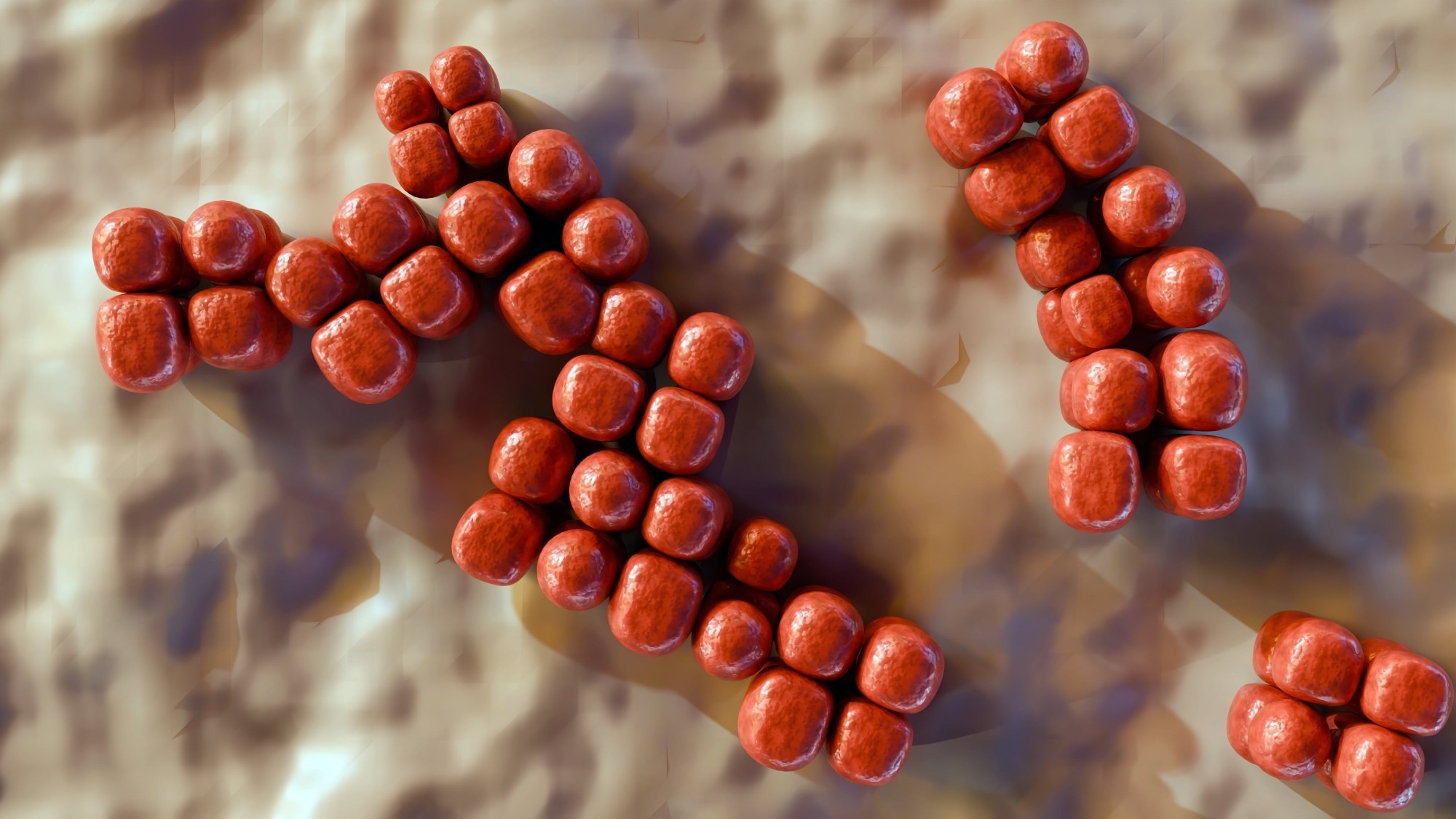
Study: Semaglutide Remodels the Gut Microbiome Beyond Its Appetite-Suppressing Action: Sex-Specific Gut-Brain Axis Implications. Image Credit: Love Employee / Shutterstock
In a recent study published in the journal Comprehensive Physiology, researchers found that semaglutide (SEMA) changed the gut microbiome of male and female rats in ways that matched food restriction did not fully reproduce.
Background
Appetite-suppressing medications may also affect the gut microbiome. The gut microbiome plays an important role in nutrient absorption, energy balance, and communication between the gut, brain, and metabolic organs. SEMA, a glucagon-like peptide-1 (GLP-1) receptor agonist, reduces food intake and body weight, but the interaction with the gut microbiome is not fully understood. Changes in microbial composition during treatment may result from reduced food consumption, altered dietary choices, or drug-specific effects. Biological sex may also influence these interactions. Studies have reported varying microbial responses to GLP-1 receptor agonists, and further research is needed to distinguish medication-related effects from those associated with reduced food intake.
About the study
The researchers used male and female Sprague-Dawley rats to investigate SEMA-associated changes in the gut microbiome. Thirty-six rats of each sex, initially 7 weeks old, were housed individually under controlled temperature and a 12-hour light-dark cycle. After a one-week acclimation period, the animals received a high-fat diet (HFD) providing 60% of calories from fat for 6 weeks before treatment and throughout the experimental period, resulting in 10 weeks of exposure to the obesity-inducing diet.
The rats of each sex were assigned to three groups: control, SEMA-treated, and pair-fed (PF). SEMA was administered subcutaneously using a dose-escalation schedule of 7, 15, 30, and 50 μg/kg, followed by a maintenance dose of 70 μg/kg. PF animals received the same amount and composition of food as their matched SEMA-treated counterparts the previous day. Control and SEMA animals had access to standard chow and HFD, whereas PF animals received restricted quantities of both diets.
After 4 weeks of treatment, fecal samples were collected at a single time point for bacterial profiling using 16S rRNA gene sequencing. The researchers compared microbial diversity and community composition across groups and examined associations with metabolic measures. The researchers used PICRUSt2 to infer potential microbial functions from the sequencing data.
Study results
SEMA reduced food intake and body weight gain in both male and female rats. The reduction in food intake became significant above the lowest dose and persisted during maintenance treatment. The SEMA and PF groups consumed less dietary fiber than the control group, while a greater proportion of their calories came from the HFD. SEMA reduced weight gain more than pair-feeding in males. In females, SEMA also reduced weight gain more than pair-feeding during dose escalation, but the difference during maintenance did not reach statistical significance.
Analyses of microbial richness and evenness revealed changes in the number and distribution of detectable bacterial taxa. In males, SEMA increased microbial richness and reduced Pielou’s evenness compared with controls. In females, microbial richness increased compared with both control and PF groups, while evenness showed a trend toward reduction that did not reach statistical significance. The Shannon diversity index did not differ significantly among treatment groups in either sex. The overall bacterial community composition differed among the three groups in both sexes, including between SEMA and PF rats. This comparison showed that matched food restriction did not reproduce all SEMA-associated changes.
Across all treatment groups, Firmicutes was the dominant phylum in the gut microbiome. In males, the relative abundance of Firmicutes increased in both the SEMA and PF groups, while the relative abundance of Bacteroidota decreased by 76% and 63%, respectively. In females, Bacteroidota decreased by 66% with SEMA and 49% with PF. Verrucomicrobiota showed sex-specific patterns, decreasing in PF males but increasing in female PF and SEMA rats, with the largest increase following SEMA treatment.
At the bacterial family level, the relative abundance of Clostridiaceae increased approximately threefold in SEMA-treated males and fivefold in SEMA-treated females. Female rats also showed increases in Peptostreptococcaceae and Akkermansiaceae. Several taxa, including Clostridium sensu stricto 1, Clostridium perfringens, and Terrisporobacter, were enriched following SEMA treatment in both sexes but not in PF animals. Other changes, including reductions in Bacteroidota-associated taxa, appeared to be associated with reduced food intake. An analysis of bacterial abundance found that SEMA-treated rats were distinguished by several Firmicutes-associated taxa.
Associations between microbial composition and metabolic measures also differed by sex. In males, body weight change correlated negatively with Firmicutes abundance and positively with Bacteroidota abundance. In females, body weight change correlated positively with Bacteroidota and negatively with Verrucomicrobiota. Food intake and HFD consumption were associated with additional microbial differences, particularly among males. At the family level, the relationships varied across sexes, with greater Lachnospiraceae abundance associated with more weight gain and greater Akkermansiaceae abundance associated with less weight gain in females.
Computational analysis predicted differences in microbial metabolic potential among treatment groups. In males, SEMA-associated pathways included amino acid metabolism, lipid metabolism, secondary bile acid biosynthesis, and xenobiotic degradation. Females showed broader predicted functional changes across metabolic, transcriptional, and repair pathways. These estimates were derived from bacterial gene sequences and did not measure actual microbial activity.
Conclusions
The study found that SEMA substantially reshaped the gut microbiome of diet-induced obese male and female rats, with some changes not reproduced in pair-fed animals receiving the same amount and composition of food. The increase in microbial richness, changes in relative taxonomic abundance, and sex-dependent associations between microbiota and metabolic parameters suggest possible gut-brain interactions, but the researchers did not directly test these. Predicted functional profiles also differed across treatment groups, but these estimates require validation through direct functional analyses.
The findings do not establish whether the observed microbial changes are beneficial or harmful to health. Some enriched taxa have pathogenic potential, while others have been linked to favorable metabolic outcomes; the study did not test their effects on health. The single end-of-treatment sample and absence of pretreatment or chow-only microbiome comparisons also limit interpretation. Further research is needed to determine how these changes develop over time and whether they occur in humans receiving SEMA.
Source:
Journal reference:
- Byun, S., Sotzen, M. R., Bento, M. T., Knappenberger, M. A., Asker, M., Wright, J. R., Lamendella, R., Mu, C., & Skibicka, K. P. (2026). Semaglutide remodels the gut microbiome beyond its appetite-suppressing action: Sex-specific gut-brain axis implications. Comprehensive Physiology, 16(5), e70286. DOI: 10.1002/cph4.70286, https://onlinelibrary.wiley.com/doi/epdf/10.1002/cph4.70286
 Gut bacteria may help explain why endometriosis pain varies