Cyclic peptides offer enhanced stability and bioavailability, but precise cyclization strategies and specialized synthetic techniques are required to maintain their biological activity. A recent project undertaken by Concept Life Sciences highlighted some of these key challenges, including:
- Scale and speed – Synthesizing over 200 complex cyclic peptides within tight timelines
- Non-canonical amino acids – Incorporating customized amino acids that needed to be pre-synthesized prior to solid-phase peptide synthesis (SPPS)
- Synthetic complexity – Addressing issues such as stereochemistry control, ring strain, racemization, and diketopiperazine formation
- Purification bottlenecks – Efficiently purifying crude peptides with initial purities below 5% to achieve final purities of 95% or higher
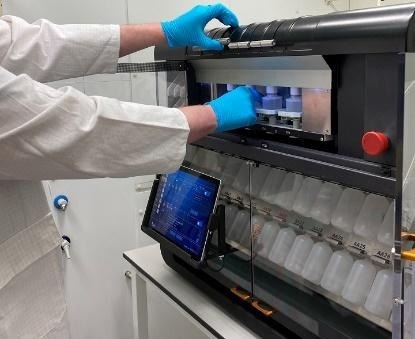
Image Credit: Concept Life Sciences
Concept Life Sciences’ approach
To overcome these challenges, Concept Life Sciences applied a tailored chemistry and purification strategy designed to ensure efficiency at every step. This relied upon:
- Resin selection expertise: Selected optimal resins based on peptide properties to maximize synthetic efficiency
- Optimized cyclization: Chose the most effective cyclization approach (on- or off-resin) to improve yield and purity
- Cross-functional collaboration: Chemists and purification specialists worked closely to streamline workflows and accelerate delivery
Concept Life Sciences’ solution
A comprehensive synthetic and purification workflow was implemented to efficiently produce high-quality cyclic peptides. This included:
- A customized SPPS strategy, including manual methods for challenging sequences and automated methods for routine peptides
- Diverse cyclization techniques, including alkylations, on-resin modifications, and click reactions
- Mitigation of synthetic hurdles, including adaptation of conditions to overcome racemization and ring strain issues
- An integrated purification process, enabling the rapid transition from crude peptides to purify compounds while continuing to adhere to biological testing standards
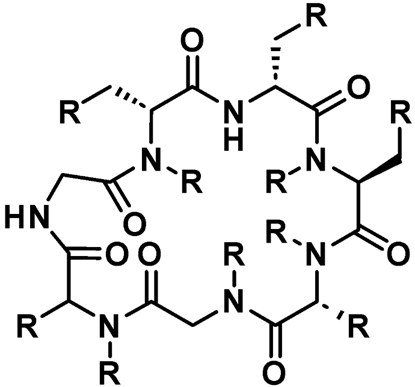
Image Credit: Concept Life Sciences
Project results
Concept Life Sciences successfully delivered more than 200 high-quality cyclic peptides, combining chemistry expertise with process efficiency to accelerate drug discovery efforts. This resulted in:
- On-time delivery: Over 200 peptides synthesized and delivered within 8 months
- High purity: Achieved ≥95 % purity through streamlined purification strategies
- Synthetic success: Effectively incorporated non-canonical amino acids despite complex synthesis requirements
- Rapid turnaround: Optimized workflows and close team collaboration enabled a consistent 1-week turnaround per peptide
About Concept Life Sciences
Concept Life Sciences is a knowledge-based, science-led and customer-focused contract research and manufacturing organization with world-leading expertise in the pharmaceutical, biotech and agrochemical industries.
We are based across 5 sites in the UK delivering discovery research as well as GMP, GLP and GCP-regulated work. Whether it is delivering whole programs of research or bespoke studies we deliver a collaborative client-centered approach. Our services are built on scientist-to-scientist engagement, deep knowledge, flexibility and extensive in-house resources.
Sponsored Content Policy: News-Medical.net publishes articles and related content that may be derived from sources where we have existing commercial relationships, provided such content adds value to the core editorial ethos of News-Medical.Net which is to educate and inform site visitors interested in medical research, science, medical devices and treatments.