Traditionally, quitting smoking is associated with national events such as Stoptober and New Year's resolutions. However, there is no need to wait until then.
As the summer holiday season comes to an end and people return to their daily routines, late summer can be the ideal time to make positive health changes, including quitting smoking.

Image Credit: Shisu_ka/Shutterstock.com
Changing habits at the end of summer
As people return from holidays, festivals, and social events, everyday routines become more structured. This can provide the perfect opportunity to incorporate a quit-smoking attempt into a new routine.
Smoking is frequently linked to daily habits, such as smoking a cigarette with a morning coffee, during a work break, or after a meal. Changes to these routines can make it easier to break smoking triggers and habits while adjusting to the new normal and replacing them with healthier alternatives.
Rather than waiting for New Year’s resolutions, late summer offers a fresh opportunity to make a positive change while already settling into a new routine.
Better weather can support a quit journey
The milder weather and longer days of summer tend to motivate people to stay active. Although cravings can take over when quitting smoking, activities such as walking, cycling, or outdoor hobbies can distract from them.
It is well known that the challenges associated with giving up smoking can cause stress; however, stress levels can be managed in different ways. Exercise can boost mood and help alleviate stress during the quitting process, and spending more time outdoors can offer a healthy alternative to smoking breaks.
Feel the benefits before winter
Winter places additional strain on the lungs, with cold weather and seasonal viruses contributing to increased respiratory illnesses and hospital admissions. Smokers are especially vulnerable, as smoking harms the lungs and is the primary cause of chronic obstructive pulmonary disease (COPD)1, a condition that typically worsens during the winter months. Quitting before winter arrives gives the lungs time to start recovering and minimizes the likelihood of serious respiratory complications.
Quitting in late summer provides several months of smoke-free progress before the arrival of winter. Both circulation and lung function can improve within weeks of giving up smoking,2 with people also reporting improved breathing and increased energy levels, resulting in greater overall wellbeing.
The average smoker in the United Kingdom now spends approximately £250 per month on cigarettes.3 For those who smoke 20 cigarettes a day, that figure could surpass £500 per month. Quitting in late summer can also improve finances, allowing people to save more money for winter festivities.
Support is more accessible than ever
A wide variety of tools and services are available to support people during a quit attempt, such as:
- Smoking cessation services
- Nicotine replacement treatments
- Support groups
- Carbon monoxide (CO) monitoring
People do not have to face a quit attempt alone, and reaching out for support can increase motivation. CO monitoring is an excellent motivational tool that delivers real-time feedback on a person’s smoking status.
Smokerlyzer® CO monitoring range
The Smokerlyzer® range of devices measures CO levels in exhaled breath. CO levels can be tracked in a clinic using the professional range or remotely at home using the iCOquit® home device. CO is a gas inhaled while smoking, and CO levels in exhaled breath can help determine a person’s smoking status.
Used as a motivational aid, the Smokerlyzer® range delivers real-time feedback and helps encourage a quit attempt. Seeing CO levels decrease keeps users engaged and more motivated to maintain their non-smoking status.
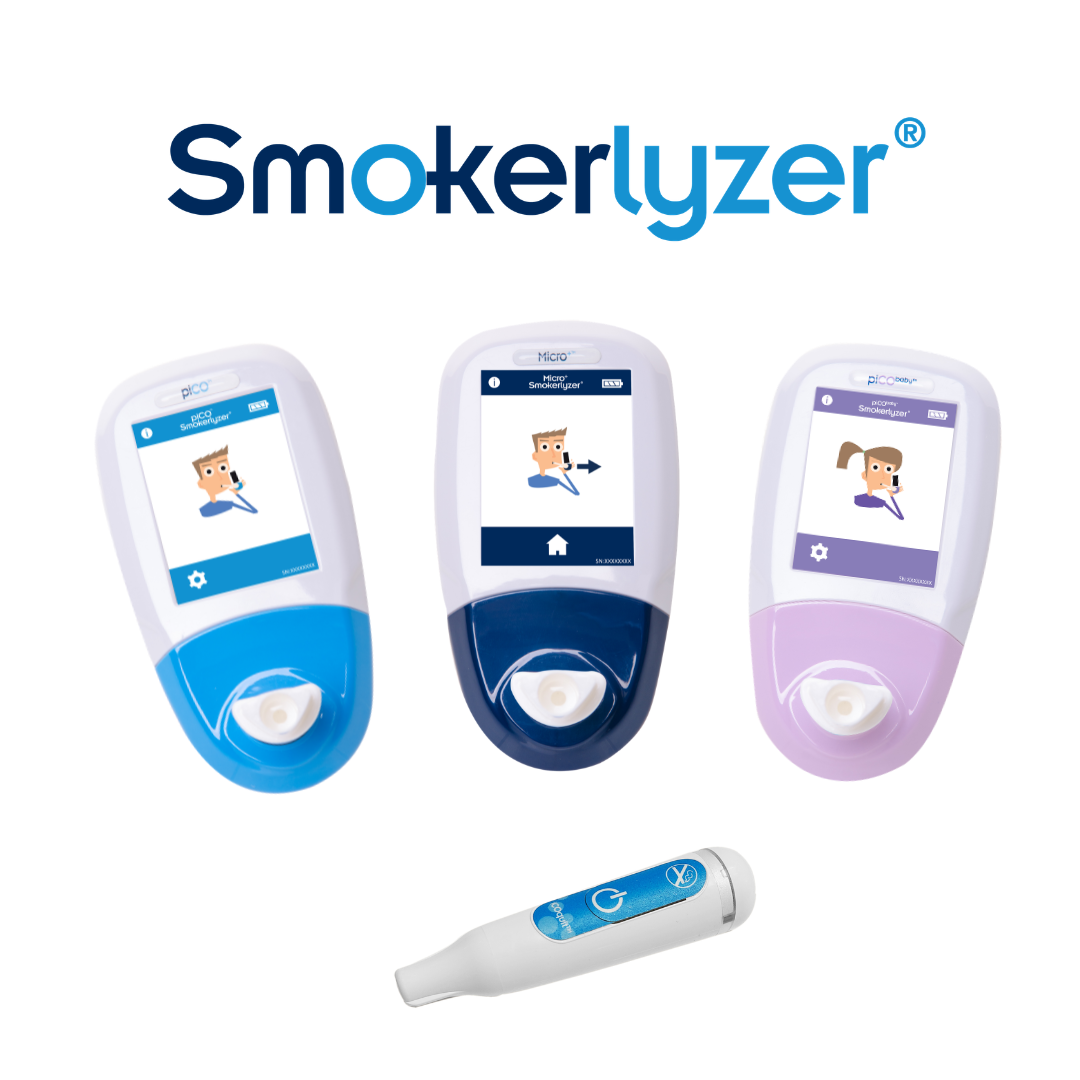
Image Credit: Bedfont® Scientific Ltd
Start today, not January
Quitting smoking is not easy, and there is no perfect date to quit. However, taking advantage of the seasonal shift as routines begin to change can provide the motivation needed to start the journey towards quitting smoking, leading to a healthier, fitter, and smoke-free autumn and winter.
For more information about smoking cessation using CO monitoring tools such as the Smokerlyzer®, visit the website here.
References and further reading
- World Health Organization (2023). Smoking Is the Leading Cause of Chronic Obstructive Pulmonary Disease. WHO. Available at: https://www.who.int/news/item/15-11-2023-smoking-is-the-leading-cause-of-chronic-obstructive-pulmonary-disease.
- NHS (2020). Quit smoking - better health. NHS. NHS. Available at: https://www.nhs.uk/better-health/quit-smoking/.
- Family. Smokefree Sheffield. Available at: https://smokefreesheffield.org/why-quit/family/.
About Bedfont® Scientific Ltd

Bedfont® Scientific has specialized in the design and manufacture of exhaled breath and gas monitoring instruments since 1976.
For medical gas monitoring, their Medi-Gas Check medical pipeline testing range verifies not only the quantity but also quality of gas administered to patients.
Bedfont's breath analyzers include carbon monoxide (CO) monitors such as the Smokerlyzer®, used for smoking cessation, and the ToxCO®, used by emergency services, to diagnose CO poisoning.
The NObreath® FeNO monitor provides accurate analysis of airway inflammation for the control of asthma, and the Gastrolyzer® range aids in the detection of gastrointestinal disorders and food intolerances. Quick and non-invasive, breath analysis is the new blood test.
Sponsored Content Policy: News-Medical.net publishes articles and related content that may be derived from sources where we have existing commercial relationships, provided such content adds value to the core editorial ethos of News-Medical.net, which is to educate and inform site visitors interested in medical research, science, medical devices and treatments.