Introduction
Vitamins, fiber, and bioactive compounds
How golden berries prevent inflammation
Metabolic effects on insulin resistance
How are golden berries consumed?
Conclusions
References
Further reading
Golden berries (Physalis peruviana) are a nutrient-dense fruit rich in steroidal lactones, polyphenols, and fiber with demonstrated anti-inflammatory and metabolic effects in preclinical models. Evidence from cellular and animal studies indicates modulation of NF-κB signaling, reduced cytokine levels, and improved insulin sensitivity and lipid metabolism.
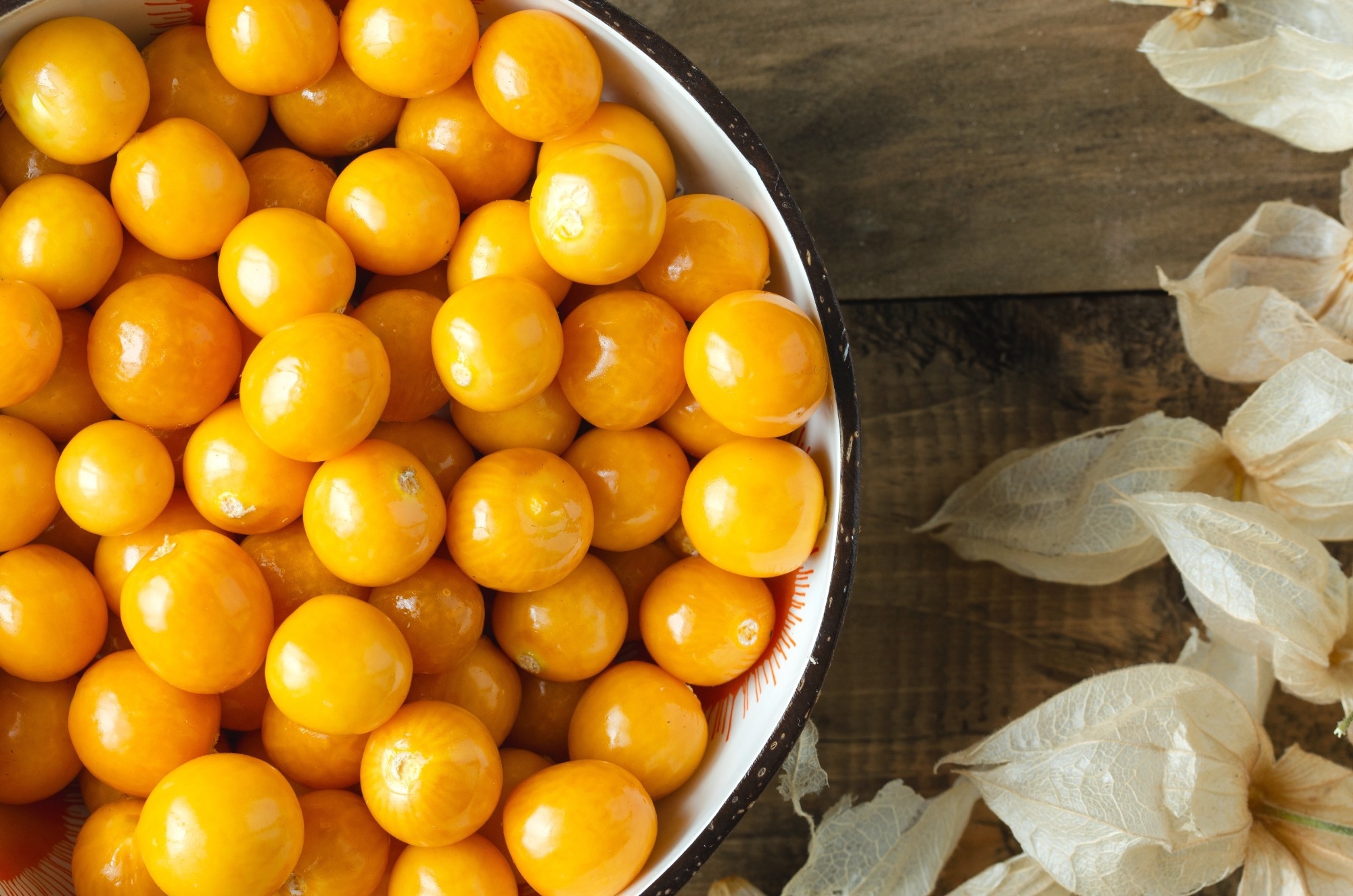 Image Credit: Maria Castellanos / Shutterstock.com
Introduction
Golden berries (Physalis peruviana) are native to the Andean highlands of Peru and Ecuador, with commercial production in Colombia, South Africa, the United States, and New Zealand. Golden berries are rich in polyunsaturated fatty acids, vitamins A, B1, B2, B3, C, K1, and E, phytosterols like campesterol, beta-sitosterol, and stigmasterol, as well as minerals including potassium and phosphorus, antioxidant polyphenols, and dietary fiber.1
Vitamins, fiber, and bioactive compounds
Goldenberry fruit and calyx contain different “signature” bioactives: fruit extracts are notable for steroidal lactones (physalins/physalin derivatives and related withanolides), while calyx extracts are typically richer in phenolic acids and flavonoids. Golden berries concentrate rare steroidal lactones called withanolides and related physalins, which contribute antimicrobial, anti-inflammatory, and antiproliferative activities. In one compositional and bioactivity study, physalin derivatives and a withanolide were tentatively identified in the fruit extract, while calyx extracts showed antioxidant activity in cell-based models and inhibited nitric oxide production and advanced glycation end-products (AGEs) formation in vitro.2
Rather than relying on limited human evidence, current “metabolic” mechanistic support for goldenberry comes primarily from in vitro enzyme/AGE-inhibition assays and animal studies.2 For example, calyx preparations have been evaluated for α-glucosidase inhibition and AGE-formation inhibition in vitro - two targets that are relevant to postprandial glycemia and glycation-associated tissue stress.2
How golden berries prevent inflammation
Golden berries elicit anti-inflammatory effects by limiting nuclear factor kappa-light-chain-enhancer of activated B cells (NF-κB) activation and downstream cytokine production. In lipopolysaccharide (LPS)-stimulated murine macrophages, golden berry extract reduced nitric oxide, IL-6, IL-1β, TNF-α, and PGE2 levels.3
Mechanistically, golden berry extract was reported to reduce NF-κB signaling by preventing IκBα degradation and reducing p65 nuclear translocation in LPS-stimulated macrophages, consistent with lowered production of pro-inflammatory mediators.3
In vivo, dietary supplementation with golden berry extract in a DSS colitis model reduced disease severity, improved colon metrics, and supported tissue restoration. Oxidative stress also declined, as demonstrated by reduced MPO activity, neutrophil infiltration, and ROS levels.3
While observational and intervention studies in humans have linked higher overall fruit intake (as a dietary pattern) to lower levels of common inflammatory biomarkers such as CRP and cytokines, targeted clinical trials that isolate goldenberry-specific effects on these endpoints are still needed.3
In a rat model designed to mimic obesity/insulin-resistance features, goldenberry was incorporated into the diet, and outcomes were assessed at the end of the experiment (post-day 16), including glycemia, lipid profile, organ/adipose weights, and metabolic gene expression. In an obese rat model of metabolic syndrome, a high-fat diet combined with daily golden berry intake reduced fasting blood glucose levels and improved insulin signaling, as demonstrated by higher INSR and PPARγ expression, as well as lower levels of FASN and LPL.4
Liver weight decreased with golden berry supplementation, suggesting lower hepatic fat accumulation, whereas brown adipose tissue mass increased, which is consistent with improved energy expenditure potential. Visceral and subcutaneous fat pads were lighter, with overall weight gain attenuated as compared to control rats consuming a high-fat diet alone.
In addition to glycemia, the same intervention reported improvements in the plasma biochemical profile (including cholesterol, triglycerides, LDL, and HDL), alongside shifts in metabolic genes linked to insulin signaling/adipogenesis.4
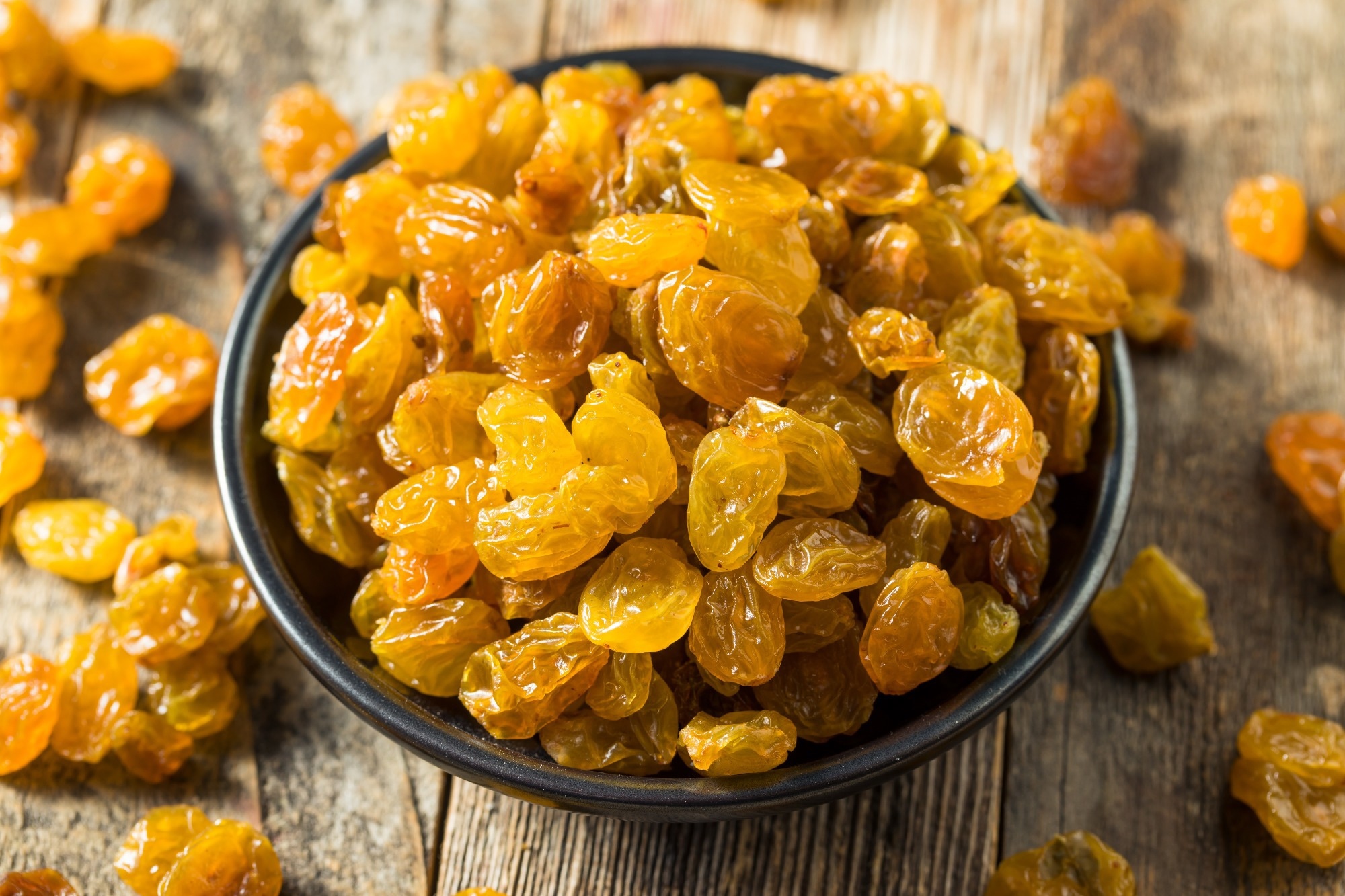 Image Credit: Brent Hofacker / Shutterstock.com
How are golden berries consumed?
Fresh golden berries are tart-sweet and often consumed as a snack, in fruit salads, salsa for fish or poultry, or as a garnish. Although you can keep the husk on until use, it is advised to remove, rinse, and dry the berry immediately before eating.2,5
Dried golden berries are often incorporated into trail mixes, baked goods, and compotes, or rehydrated for sauces. Drying reduces water activity into the microbial-safe range of 0.23-0.52, thereby improving shelf stability at room temperature when stored in airtight packaging away from light.5
Microwave drying under reduced pressure yields lower water activity, higher polyphenol and carotenoid content, and better antioxidant capacity than conventional hot-air drying. Thus, dried golden berry products made with gentle and rapid dehydration retain more bioactive compounds.2,5
Powdered golden mixes can be incorporated into smoothies, yogurt, oatmeal, and baked goods. Golden berry powders should similarly be stored in moisture-proof, opaque containers and refrigerated or frozen after opening to slow vitamin loss.2,5
Golden berries are routinely processed into jams, juices, syrups, and savory or sweet appetizers. Various food industries manufacture products containing golden berries in their beverages, compotes, and pastry products like pies and cakes.2,3,4
Conclusions
Goldenberry contains multiple classes of potentially functional compounds, particularly steroidal lactones (physalin/withanolide-related compounds), phenolics, carotenoids, vitamin C, and fiber, with preclinical evidence supporting anti-inflammatory and metabolic effects. Golden berries contain numerous bioactive compounds, including withanolides, carotenoids, vitamin C, and fiber, that mitigate inflammation, support glucose control, and improve triglyceride handling. Preclinical models suggest that golden berry intake inhibits NF-κB, reduces cytokine levels and oxidative stress, while conferring improvements in insulin pathways, lipids, and hepatic fat.2
While promising, rigorous randomized human trials with standardized preparations and doses are needed to confirm efficacy, define safety for long-term intake, and guide evidence-based recommendations for metabolic and inflammatory health.
References
- Puente, L. A., Pinto-Muñoz, C. A., Castro, E. S., & Cortés, M. (2011). Physalis peruviana Linnaeus, the multiple properties of a highly functional fruit: A review. Food Research International 44(7); 1733-1740. DOI: 10.1016/j.foodres.2010.09.034. https://www.sciencedirect.com/science/article/abs/pii/S0963996910003571
- Añibarro-Ortega, M., Dias, M. I., Petrović, J., et al. (2025). Nutrients, Phytochemicals, and In Vitro Biological Activities of Goldenberry (Physalis peruviana L.) Fruit and Calyx. Plants 14(3). DOI: 10.3390/plants14030327. https://www.mdpi.com/2223-7747/14/3/327
- Castro, J., Lopez-Lluch, G., Rodríguez, J. C., et al. (2025). Golden berry fruit modulates inflammation in LPS-stimulated RAW 264.7 macrophages and the DSS-induced acute colitis model. Journal of Functional Foods 125. DOI: 10.1016/j.jff.2025.106665. https://www.sciencedirect.com/science/article/pii/S1756464625000076
- Ángel-Martín, A., Vaillant, F., & Moreno-Castellanos, N. (2024). Daily Consumption of Golden Berry (Physalis peruviana) Has Been Shown to Halt the Progression of Insulin Resistance and Obesity in Obese Rats with Metabolic Syndrome. Nutrients 16(3). DOI: 10.3390/nu16030365. https://www.mdpi.com/2072-6643/16/3/365
- Nawirska-Olszańska, A., Stępień, B., Biesiada, A., et al. (2017). Rheological, Chemical and Physical Characteristics of Golden Berry (Physalis peruviana L.) after Convective and Microwave Drying. Foods 6(8). DOI: 10.3390/foods6080060. https://www.mdpi.com/2304-8158/6/8/60
Further Reading
Last Updated: Jan 4, 2026