Introduction
What is kokum?
Nutrient profile
Antioxidant and anti-inflammatory properties
HCA and metabolic health
Traditional and cultural uses
Potential role in gut and digestive health
Modern applications
Research limitations and knowledge gaps
References
Further reading
Kokum (Garcinia indica) is a traditionally used Indian fruit increasingly explored in modern nutrition for its bioactive compounds, antioxidant capacity, and role in functional foods. Current evidence is largely preclinical, with limited human data supporting cautious interpretation of its metabolic and digestive health potential.
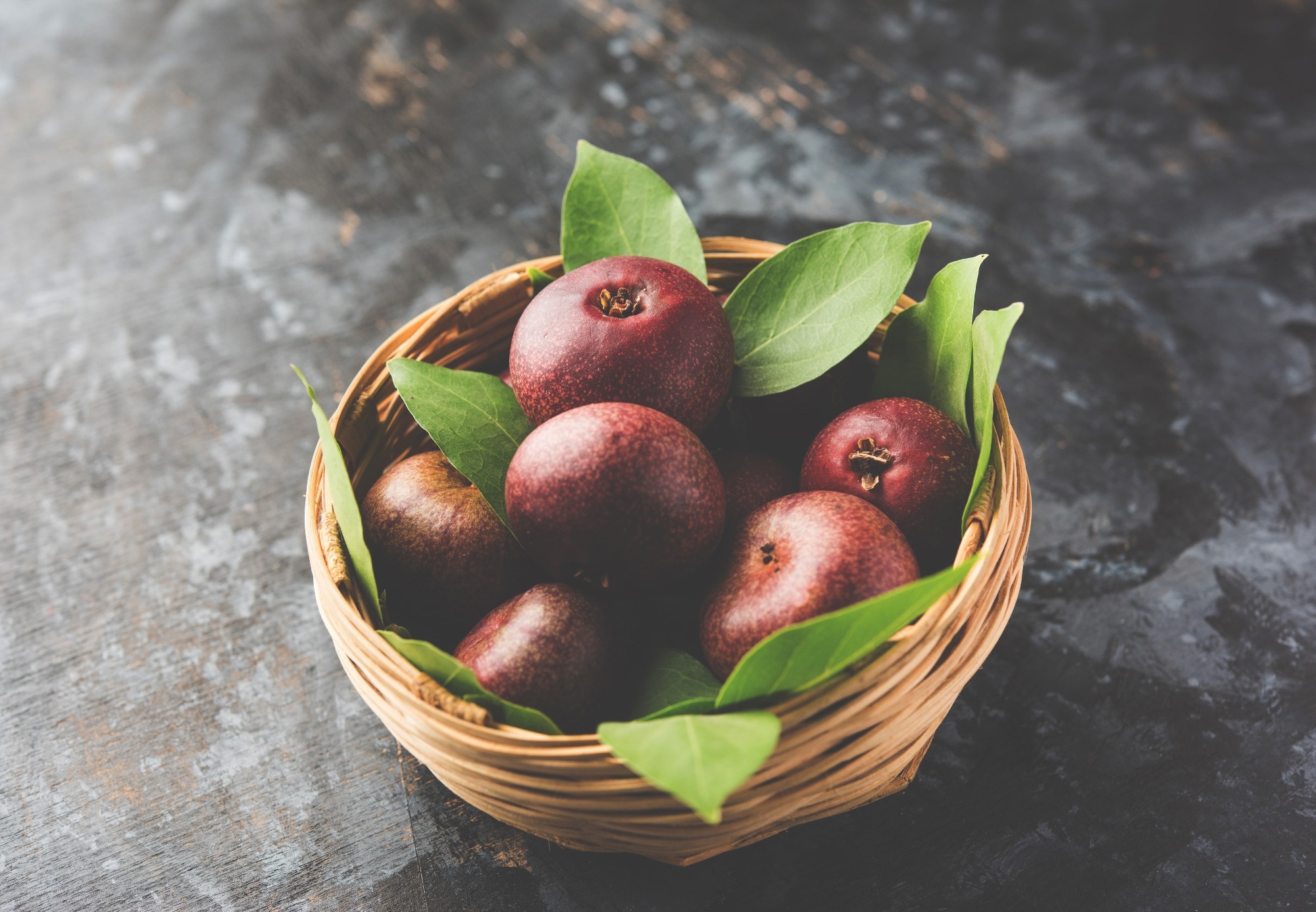 Image Credit: Indian Food Images / Shutterstock.com
Introduction
This article explores kokum in modern nutrition while highlighting its traditional uses, antioxidant compounds like hydroxycitric acid (HCA), potential metabolic benefits, and emerging roles in functional foods and health beverages. Most evidence to date derives from preclinical and limited human studies, requiring cautious interpretation when translating findings into dietary guidance.1
What is kokum?
Kokum (Garcinia indica) is a small, reddish-purple fruit cultivated from a subtropical evergreen tree that primarily grows along the Western coast of India. Kokum is often used to enhance the taste of foods, especially curries and pickles; however, this fruit can also be made into a drink that promotes optimal health.
Kokum is increasingly explored for modern nutrition products, especially health beverages and functional food, while its tart taste keeps beverages refreshing with less sugar.1 Due to the high heat in tropical climates, kokum-based drinks were traditionally consumed for their cooling properties, as well as for replenishing fluids and balancing electrolytes when mixed with water and sugar. These “cooling” and “electrolyte-balancing” descriptions reflect traditional and cultural use rather than clinical validation as an electrolyte replacement.2,4
Kokum seeds can also be processed into a soap-like fat known as kokum butter, which is widely used in food and topical applications; garcinol is abundant in the fruit rind, and HCA is concentrated primarily in the fruit rind rather than the seed fat itself and is also traditionally used for treating digestive and inflammatory conditions.1,2,4
Nutrient profile
Kokum is widely recognized as a functional food due to its unique nutrient profile. In addition to providing an excellent source of antioxidant-rich fruit rinds, such as HCA and garcinol, kokum is also rich in polyphenolic compounds that scavenge free radicals and reduce oxidative stress. Kokum rind is also reported to contain anthocyanins (including cyanidin-3-glucoside and cyanidin-3-sambubioside) and organic acids such as (−)-hydroxycitric acid, hydroxycitric acid lactone, and citric acid.1,4
The organic acids in kokum are responsible for its characteristic sour flavor while also supporting digestion. Kokum is low in calories, making it an excellent choice for refreshing beverages and other food products.1 Available compositional data suggest that kokum contributes more via organic acids and phytochemicals than via macronutrients.4
Antioxidant and anti-inflammatory properties
Kokum extracts and garcinol-rich fractions exhibit strong antioxidant activity by scavenging nitric oxide and hydrogen peroxide radicals, in addition to restoring endogenous defenses such as reduced glutathione, superoxide dismutase, and catalase, while lowering lipid peroxidation markers such as malondialdehyde. These effects have been demonstrated mainly in experimental and animal models.1,4
Garcinol blocks the expression of cyclooxygenase-2, 5-lipoxygenase, and inducible nitric oxide synthase, while simultaneously inhibiting inflammatory cytokines activity. By limiting oxidative stress, these bioactive components may offer protection against the development of chronic cardiometabolic diseases.1 Direct human evidence for these mechanisms from whole-kokum interventions remains limited.1,4
Benefits of Kokum | Kokum juice | Kokum sharbat | Kokum in summer | Kokum health benefits
Hydroxycitric acid (HCA), present in kokum rind and other Garcinia species, has been studied for metabolic effects, including inhibition of ATP-citrate lyase, a mechanism proposed to reduce de novo lipogenesis.3,4 Most HCA extracts from kokum contain bioactive molecules like garcinol and anthocyanins. HCA is frequently cited for its anti-obesity effects, including enhanced fat metabolism and reduced hunger, while supporting overall energy balance. Although HCA has been studied in humans, effects vary by population and study design and are often modest.1,3
In an 8-week randomized clinical trial in women with NAFLD, HCA supplementation alongside a calorie-restricted diet reduced visceral adipose tissue more than diet alone, without significant changes in leptin or adiponectin.3 Although HCA may support weight loss and improve cardiometabolic health, its efficacy is limited and dependent upon the dose and study design, thus emphasizing the need for additional research investigating the effects of HCA on human health.1,3,4
Traditional and cultural uses
Kokum sherbet is a sweet-and-sour drink that can be made with roasted cumin, sugar, and salt. Comparatively, solkadhi is a cool drink made with a mixture of kokum extract and coconut milk, served with meals. The tart qualities of kokum allow this fruit to be used as a souring agent that brightens curries, gravies, pickles, and regional seafood dishes.1,2
Both traditional wellness practices and ancient Ayurvedic books refer to kokum as a cooling agent that aids digestion while restoring fluids and electrolytes lost through heat stress. After consuming cold beverages or desserts made with kokum, a cooling, refreshing sensation is often described. These descriptions reflect long-standing cultural practice and Ayurvedic framing rather than controlled clinical outcomes.2,4
Potential role in gut and digestive health
Coastal regions in India have historically used kokum as a post-meal digestive aid, supported by traditional medicinal practices, to alleviate gastric problems and diarrhea, as well as aid digestion. The sour flavor of kokum is attributed to the presence of various forms of organic acids, particularly HCA, as well as citric acid and HCA lactone, which stimulate salivary and gastric secretions.4
Solkadhi and birinda are typically served with kokum rind, which has historically been regarded as having a digestive function, especially for those suffering from gastric problems associated with its consumption.1,4
Kokum is also rich in antioxidant phytochemicals, including garcinol and anthocyanins like cyanidin glycosides. By reducing oxidative stress and inflammatory signaling in experimental systems, these compounds maintain intestinal barrier integrity during dietary or infectious stress. This evidence is primarily preclinical.1,4
Direct human data on microbiota changes are limited. However, the organic acids and phenolic compounds in this fruit, combined with its reported antimicrobial activity, likely support a balanced gut microbiome.1,4
 Image Credit: StockImageFactory.com / Shutterstock.com
Modern applications
Modern kokum use has evolved beyond its traditional use in sauces, curries, and drinks to include the production of commercial syrup from the rind, as well as health products such as ready-to-dilute health drinks and juice concentrates. Kokum vine is made by many communities and illustrates how traditional food production methods have been adapted into modern beverage formats such as flavorings, functional beverages, and juices.1,4
The seeds of kokum can be used to produce kokum butter, a solid fat that is widely used in the production of candy, cosmetics, and medicines. The structure of kokum butter is similar to that of cocoa butter; therefore, it can replace cocoa butter in chocolates or improve the heat tolerance of cocoa products when combined with them.4
Kokum butter can also be added to soaps and wax candles. With the increasing use of kokum in the culinary and pharmaceutical industries, there is a growing interest in using kokum to support health and wellness.1,4
Research limitations and knowledge gaps
Despite growing interest in kokum, most available literature is from in vitro and in vivo models, with few well-designed studies that have been conducted in humans. Thus, there is an urgent need for adequately powered and well-designed randomized clinical trials to elucidate its potential health benefits.1
It is also critically important to standardize the various extracts being used and report their composition with regard to the active compounds present. Studies must also define effective doses, potential interactions, and long-term outcomes to guide safe, evidence-based use. Observational reports should be complemented by biomarkers, follow-up, and diverse populations.1 Future studies should clearly distinguish between effects of isolated compounds (e.g., HCA or garcinol) and whole-kokum food preparations.1,3,4
References
- Lim, S. H., Lee, H. S., Lee, C. H., & Choi, C.-I. (2021). Pharmacological Activity of Garcinia indica (Kokum): An Updated Review. Pharmaceuticals 14(12). DOI: 10.3390/ph14121338. https://www.mdpi.com/1424-8247/14/12/1338
- Abhyankar, S. (2023). Kokum: India’s naturally cooling fruit juice. BBC Travel. https://www.bbc.com/travel/article/20230802-kokum-indias-naturally-cooling-fruit-juice
- Tutunchi, H., Arefhosseini, S., Nomi-Golzar, S., & Ebrahimi-Mameghani, M. (2023). Effects of Hydroxycitric Acid Supplementation on Body Composition, Obesity Indices, Appetite, Leptin, and Adiponectin of Women with NAFLD on a Calorie‐Restricted Diet. International Journal of Clinical Practice. DOI: 10.1155/2023/6492478. https://onlinelibrary.wiley.com/doi/10.1155/2023/6492478
- Baliga, M. S., Bhat, H. P., Pai, R. J., et al. (2011). The chemistry and medicinal uses of the underutilized Indian fruit tree Garcinia indica Choisy (kokum): a review. Food Research International. 44(7). 1790-1799. DOI: 10.1016/j.foodres.2011.01.064. https://www.sciencedirect.com/science/article/abs/pii/S0963996911000871
Further Reading
Last Updated: Jan 26, 2026
 Research suggests bamboo-based foods could support metabolic health