A large genetic study reveals that how coffee is prepared matters, linking filtered coffee to improved glycaemic control through changes in the gut microbiota, rather than to caffeine alone.
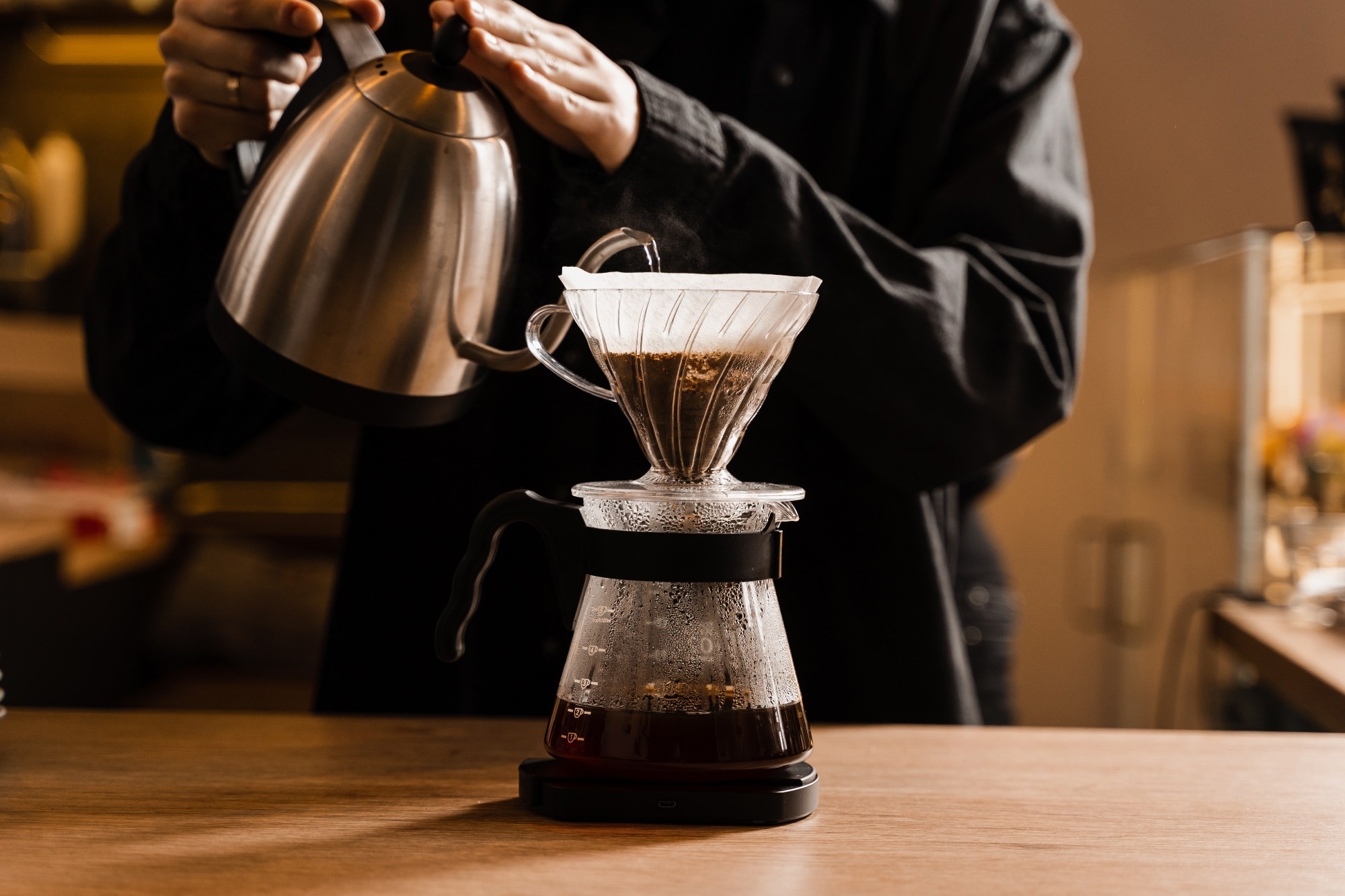
Study: Different coffee consumption patterns affect HbA1c via propionic acid-producing gut microbiota. Image Credit: Rabizo Anatolii / Shutterstock
In a recent study published in the journal npj Science of Food, researchers leveraged Mendelian Randomization (a relatively novel genetic technique) to explore the causal link between specific coffee consumption habits and long-term blood sugar control. The study analyzed genetic datasets from the UK Biobank and the MiBioGen consortium and found that only genetically predicted unsweetened filtered coffee showed a causal association with lower glycated hemoglobin (HbA1c) levels, although the effect size was modest.
Further analyses revealed a crucial biological mechanism underlying this effect: filtered coffee was genetically associated with increased abundance of the gut bacterium Veillonella, which, in turn, was associated with improved glycemic control. These findings suggest that for metabolic health, the method of preparation is just as critical to physiological well-being as the coffee itself, particularly when considering long-term, genetically influenced consumption habits rather than short-term dietary changes.
Unresolved Role of Coffee in Glycemic Control
Type 2 diabetes (T2D) is a global health crisis, with current predictive models estimating patient numbers to exceed 643 million by 2030. Current management interventions rely heavily on monitoring glycated hemoglobin (HbA1c), a stable biomarker that reflects a person's average blood glucose levels over the preceding 8 to 12 weeks.
While diet is a known behaviorally modifiable intervention for controlling HbA1c, the role of coffee - one of the world's most popular beverages - remains scientifically ambiguous. Previous observational studies have suggested an inverse relationship between coffee intake and diabetes risk; however, clinical trials on caffeine and insulin sensitivity have yielded inconsistent and often contradictory results.
Researchers have hypothesized that these discrepancies might stem from the vast differences in how coffee is consumed (e.g., filtered vs. instant, black vs. with milk) and how these consumption variations interact with the gut microbiome. Specifically, recent studies have focused on short-chain fatty acids (SCFAs), such as propionate, produced by gut bacteria, which are known to improve insulin sensitivity and lower blood glucose levels.
Genetic Tools Linking Coffee Habits to HbA1c
The present study bridges the knowledge gap between unresolved hypotheses and microbiome observations by investigating whether specific coffee types influence HbA1c through these propionate-producing bacteria.
The study leveraged Mendelian Randomization (MR), a method that uses genetic variants as instrumental variables to infer causal relationships between an exposure (coffee habits) and an outcome (HbA1c levels), thereby overcoming the limitations of traditional observational studies (e.g., reverse causation).
Study data primarily utilized large-scale Genome-Wide Association Studies (GWAS) from the UK Biobank, an extensive biomedical database containing genetic and health information from approximately 500,000 participants of European descent. Only traits relevant to this analysis - coffee preferences and HbA1c - were included.
Gut microbiota genetic data were sourced from the MiBioGen consortium, which includes over 18,000 participants. The study analyzed six coffee consumption patterns: filtered coffee, caffeinated coffee, coffee with added milk, sugar, or artificial sweeteners, and milk added to instant coffee.
These patterns were evaluated against four genera of propionic acid–producing gut bacteria: Akkermansia, Bifidobacterium, Parabacteroides, and Veillonella. Primary analytical methods included inverse variance weighted (IVW) modeling and mediation analysis.
Filtered Coffee Shows Unique Protective Signal
Among the six coffee habits tested, only filtered coffee demonstrated a statistically significant causal association with reduced HbA1c (Odds Ratio = 0.97, 95% CI: 0.94–0.99, P = 0.04). Coffee with added sugar, artificial sweeteners, milk, or instant preparations showed no protective effect.
Microbiome analyses confirmed that all four propionic acid–producing bacteria (Akkermansia, Bifidobacterium, Parabacteroides, Veillonella) were associated with lower HbA1c (P < 0.05).
Filtered coffee intake was genetically associated with a higher abundance of Veillonella (P < 0.01), which, in turn, was linked to lower HbA1c (P < 0.01). Mediation analysis found that Veillonella accounts for 43.33% of the glycemic benefit of filtered coffee.
Conversely, adding sugar showed a borderline significant negative association with Veillonella (P = 0.05), suggesting that sweetening may negate these metabolic benefits.
Filtration-Dependent Microbial Pathways in Glycemia
The study provides genetic evidence for a “coffee–intestinal microbiota–metabolism” axis, suggesting filtration is critical because it removes diterpenes while retaining chlorogenic acids and polyphenols. These compounds may promote antioxidant conditions favorable to Veillonella, a known propionate producer that enhances insulin sensitivity. These mechanisms, however, remain plausible rather than experimentally confirmed.
The study suggests prioritizing unsweetened filtered coffee as a straightforward dietary measure to improve glycemic control, but its generalizability is limited by the exclusively European dataset.
Journal reference:
- Cao, Z., An, Y., Du, Y., Xu, G., Wang, J., & Lu, Y. (2025). Different coffee consumption patterns affect HbA1c via propionic acid-producing gut microbiota. NPJ Science of Food. DOI – 10.1038/s41538-025-00655-w. https://www.nature.com/articles/s41538-025-00655-w
 Five minutes of coffee aroma was linked to shifts in mood and brain activity