New national data from Australia show that opening self-collected HPV testing to everyone dramatically increases uptake among those least likely to be screened, and preserves the clinical power needed to drive cervical cancer elimination.
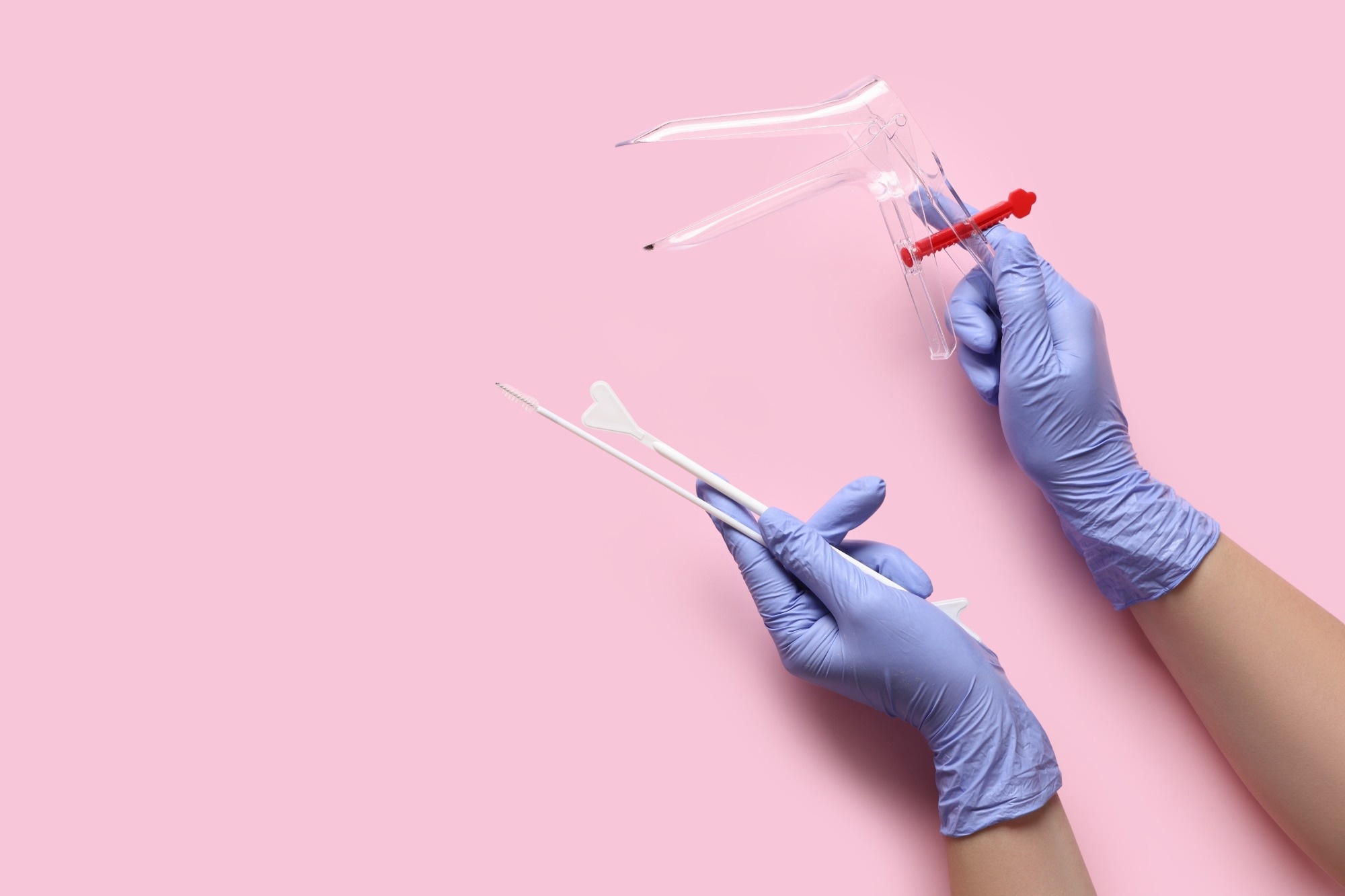 Study: Uptake and performance of self-collection offered through primary care to all eligible participants in a national cervical screening programme in Australia: a retrospective cohort study. Image credit: Pixel-Shot/Shutterstock.com
In a recent study published in The Lancet Public Health, a group of researchers evaluated how universal access to self-collected human papillomavirus (HPV) testing influences uptake of self-collection and clinical detection outcomes within a relatively short post-implementation follow-up period.
Self-collected HPV testing emerges as access solution
Every year, cervical cancer claims hundreds of thousands of lives worldwide, despite being one of the most preventable cancers when detected early. Australia is very close to eliminating cervical cancer, but screening issues remain for older adults, people living in remote areas, and disadvantaged people. A major barrier has been the need for clinician-performed gynecological exams.
HPV testing using self-collected samples is less invasive and has been shown to increase screening access and acceptability without reducing accuracy. However, real-world population-level evidence remains limited, and further research is needed to determine whether expanded self-collection can, over the longer term, equitably increase screening uptake while maintaining clinical effectiveness.
Comparing uptake trends and clinical detection outcomes
A retrospective cohort design was used within Australia’s National Cervical Screening Program, drawing data from the National Cancer Screening Register. The present study included participants aged 25–74 with a cervix who had a valid primary HPV test between December 1, 2017, and December 31, 2023. Tests conducted for symptoms or post-treatment surveillance were excluded.
Self-collection involved vaginal sampling using clinically validated swabs, followed by laboratory processing through manufacturer-validated or laboratory-validated pathways. Clinician-collected samples were obtained through standard cervical sampling procedures. Uptake of self-collection was calculated as the proportion of all valid HPV tests performed each calendar quarter.
To provide clinical performance companion results, a subset of participants with a positive HPV result who were referred for colposcopy between July 1, 2022, and June 30, 2023, were analyzed. Histological outcomes were assessed for high-grade cervical lesions and cancer. Researchers used multivariable logistic regression to compare self-collected with clinician-collected samples, after adjusting for age, income, location, and screening history.
Cancer and precancer detection matches clinician-led screening
Following the expansion of eligibility in mid-2022, uptake of self-collected HPV testing rose sharply. Self-collection samples accounted for just over 1 % of all screening tests in early 2022 but gradually increased to nearly 27 % by the end of 2023. This growth was not evenly distributed; it was strongest among groups historically least likely to participate in screening. Self-collection uptake exceeded 50 % of screening tests in very remote areas, with modestly higher uptake in more socioeconomically disadvantaged areas than in the least disadvantaged areas, and adults aged 70 to 74 years also showed notably high self-collection use.
Across the entire study period, nearly five million individuals underwent valid HPV testing. Self-collected samples had higher positivity rates for HPV than clinician-collected samples because they were mainly used by higher-risk individuals such as older adults, people living in remote locations, and those who were under-screened. This indicates that self-collection was preferentially taken up by populations with higher baseline risk, rather than reflecting reduced test performance.
Participants who tested positive for HPV were required to attend follow-up assessment regardless of whether their initial sample was self-collected or clinician-collected. After accounting for differences in age, location, and screening history, self-collected samples and clinician-collected samples were found to be equally effective in detecting serious cervical lesions. This result was consistent for both high-risk HPV types (16 or 18) and other cancer-causing HPV types that required additional cytology triage.
Cancer detection rates were also similar between the two groups, indicating that self-collection did not delay or miss serious disease. Most high-grade lesions detected in individuals using self-collection were identified at the first colposcopy visit, even when cytology results were not immediately available.
However, follow-up data were more frequently incomplete among those screened using self-collection, particularly younger adults and those living in remote regions. This gap was mainly due to clinical management not fully aligned with national guidelines, such as delays or omissions in collecting liquid-based cytology samples during colposcopy. These findings indicate that while self-collection improves access to testing, strong health system support is required to ensure timely and complete follow-up, especially during the early phases of program scale-up.
Self-collection supports Australia’s cervical cancer elimination goals
Universal access to self-collected HPV testing substantially increased uptake of self-collection within Australia’s cervical screening program, particularly among populations that have long been underserved. Crucially, this expansion did not compromise the detection of high-grade cervical lesions or cancer.
By reducing barriers linked to invasive examinations, self-collection empowers individuals and promotes equity in preventive health care. To maximise its impact, screening programs must ensure guideline-adherent follow-up and appropriate clinical management. Although a longer follow-up will be needed to assess sustained participation and downstream outcomes, these findings suggest that self-collection can support efforts to eliminate cervical cancer by making screening more accessible and inclusive.
Journal reference:
- Sultana, F., Smith, M., Saville, M., Bateson, D., Roder, D., Milch, V., Krstik, D., Hughes, K., Dalton, C., Roeske, L., Newman, J., Brand, A., Hawkes, D., Matheson, M., & Gertig, D. (2026). Uptake and performance of self-collection offered through primary care to all eligible participants in a national cervical screening programme in Australia: a retrospective cohort study. The Lancet Public Health. 11 (2). e101 - e110. DOI: 10.1016/S2468-2667(25)00304-4. https://www.thelancet.com/journals/lanpub/article/PIIS2468-2667%2825%2900304-4/fulltext
 Coffee after colorectal cancer? Decaf and caffeine show different links with mortality