How much protein is too much for your kidneys? Evidence points to who faces the greatest risk.
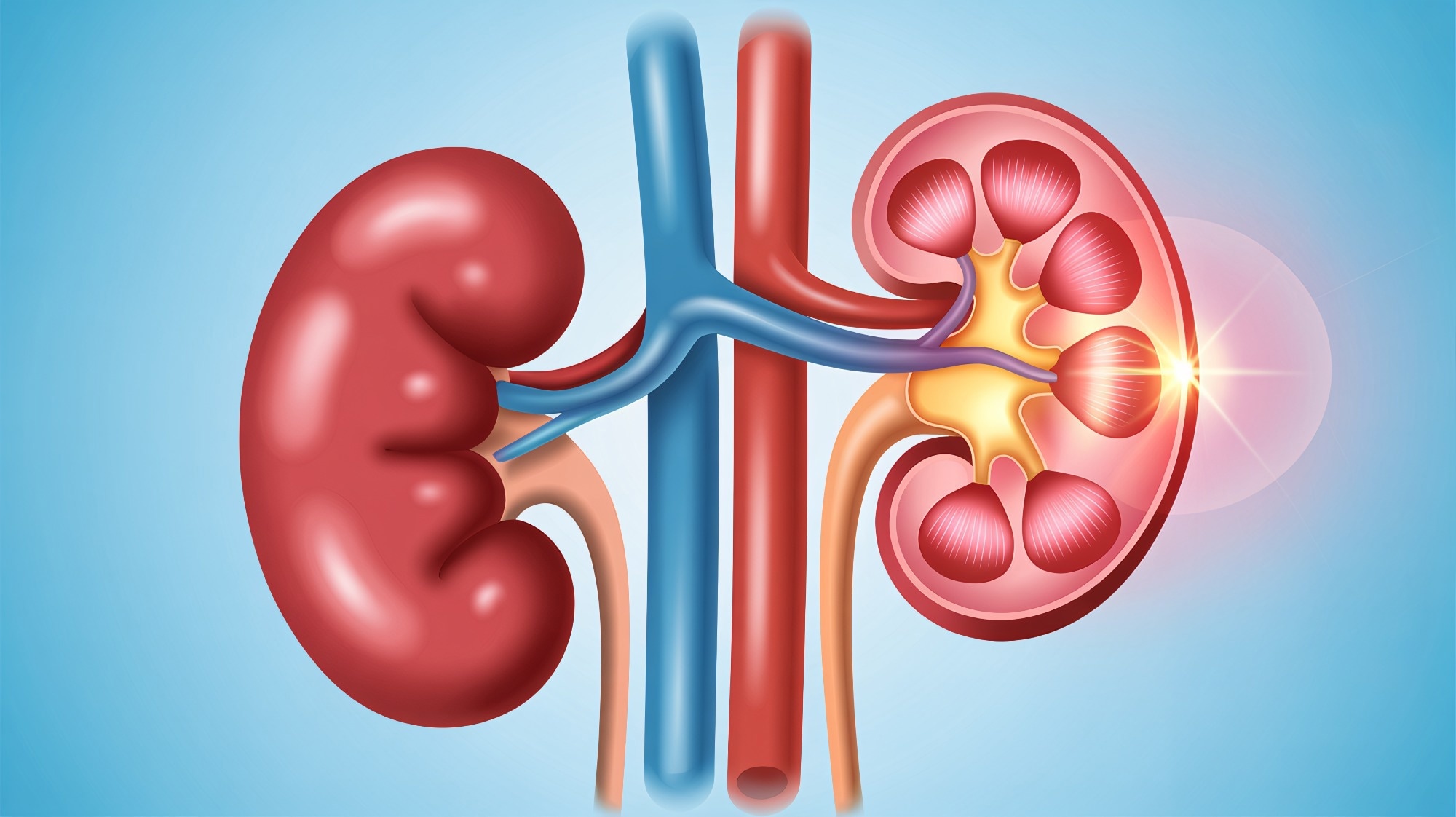 Study: High-Protein Intake Impact on Human and Animal Kidney Function Across the Lifespan: Clinical Evidence and Emerging Concepts. Image Credit: taybba435 / Shutterstock.com
In a recent review published in Nutrients, researchers summarized available evidence on the effects of high-protein consumption on kidney function.
How the kidneys respond to a high-protein diet
High-protein diets have drawn substantial attention in recent years due to their benefits for muscle preservation, metabolic control, and weight reduction. Since protein metabolism is linked to renal function, higher protein intake can alter renal physiology.
The kidneys are crucial for acid-base balance, nitrogen excretion, and regulating glomerular filtration rate (GFR). GFR can transiently rise, even after a single higher-protein meal.
However, the consequences of repeated high-protein intake remain unclear in healthy people. Evidence suggests that individual renal responses to protein intake may vary by microbiome-related and genetic factors. Prior kidney damage is another key determinant of responses to protein consumption.
In the present review, researchers summarized current evidence on the impact of high-protein intake on kidney function.
Animal studies reveal how excess protein can stress the kidneys
In Wistar rats, a 12-week high-protein diet increased kidney weight and mesangial area. In addition, urine was more acidic, and urinary citrate levels declined, suggesting tubular and glomerular stress.
In Sprague-Dawley rats, a long-term high-protein diet led to elevated proteinuria, sustained hyperfiltration, tubulointerstitial fibrosis, glomerulosclerosis, and glomerular hypertrophy, as well as the activation of pro-inflammatory and pro-fibrotic mediators. Moreover, high protein intake in rats with unilateral nephrectomy led to severe proteinuria, amplified hyperfiltration, and reduced survival.
In mice with experimentally induced chronic kidney disease (CKD), a high-protein diet exacerbated tubular and glomerular injury, while control kidneys remained structurally intact over a comparable follow-up period. Developmental models indicate that early-life nutrition may affect susceptibility to later renal injury; intrauterine protein restriction resulted in lower nephron count at birth, rendering kidneys more susceptible to postnatal stressors.
Furthermore, diets with 30-35% of energy from protein significantly increased GFR and renal plasma flow in rats, followed by mesangial expansion and thickening of the glomerular basement membrane. Restoring dietary protein to normal levels partly reversed these effects. Molecular analyses have indicated an upregulation of pro-fibrotic genes, transforming growth factor (TGF)-β and mammalian target of rapamycin (mTOR) pathways, and increased oxidative stress.
The authors cautioned against directly extrapolating these findings to humans because experimental animals are often exposed to substantially higher relative protein loads and differ from humans in metabolism.
Human studies show kidney health shapes the response to protein
Prospective cohorts suggest that protein source influences kidney outcomes. In healthy individuals, higher consumption of certain animal-protein-rich foods was associated with an increased risk of stage 3 CKD. Conversely, higher plant-based protein intake was more favorable or neutral.
A meta-analysis found that higher protein intake correlated with an elevated estimated GFR (eGFR) in adults without CKD, consistent with protein-induced hyperfiltration, but was not associated with a change in kidney function before versus after the intervention.
Further, dietary patterns characterized by greater intake of plant-based foods were associated with better kidney function and reduced inflammatory burden compared with those rich in processed and red meat. These findings reflect overall dietary patterns, rather than protein source alone.
Notably, a pooled multi-cohort analysis indicated that higher protein intake from both plant and animal sources was associated with a lower risk of all-cause mortality in older adults with mild-to-moderate CKD. The mortality risk gradually declined as protein intake increased.
Conversely, systematic reviews and an umbrella review/meta-analysis report that low-protein diets reduce the risk of kidney injury and the rate of eGFR decline, with minimal or no impact on all-cause mortality. Interventional evidence also suggests that protein restriction slows CKD progression in non-dialysis populations. Nevertheless, evidence certainty remains low to moderate.
Protein requirements also vary with age. Older adults need adequate protein to preserve muscle mass and reduce sarcopenia risk, so excessive restriction is a concern.
Evidence on the long-term renal effects of high protein intake in healthy children remains limited. In children with CKD, protein intake must support normal growth and neurodevelopment while avoiding excessive protein loads, with requirements adjusted for age, CKD stage, growth, and dialysis-related losses.
Why the right amount of protein depends on the person
Collectively, dietary protein is essential for metabolic integrity, kidney health, and renal growth. Animal and experimental data indicate that short-term high-protein loads induce adaptive increases in intraglomerular pressure and hyperfiltration without evidence of long-term harm to otherwise healthy kidneys. The effects of prolonged exposure to excessive protein intake on the kidneys are uncertain.
Multiple human studies suggest a preference for plant-based protein over animal sources and emphasize individualized approaches. In CKD, experimental data indicate that prior renal injury may be aggravated by protracted protein overload, accelerating disease progression. Meta-analytic evidence supports that moderate protein restriction can slow CKD progression.
While plant-based protein is increasingly recognized, evidence remains insufficient to justify preferring a specific protein source in CKD populations. Overall, CKD stage-specific and individualized dietary approaches, along with medical treatment and nutritional evaluation, offer a balanced strategy for preserving renal function.
Journal reference:
- Jacuńska, J., Bruciak, A., Wilk, J., et al. (2026). High-Protein Intake Impact on Human and Animal Kidney Function Across the Lifespan: Clinical Evidence and Emerging Concepts. Nutrients 18(19); 3209. DOI: 10.3390/nu18193209. https://www.mdpi.com/2072-6643/18/19/3209
 Menopause leaves a blood protein signature linked to brain aging and Alzheimer’s risk