Maintaining weight loss after medication ends is a difficult transition, prompting researchers to test two practical support options during the first four months.
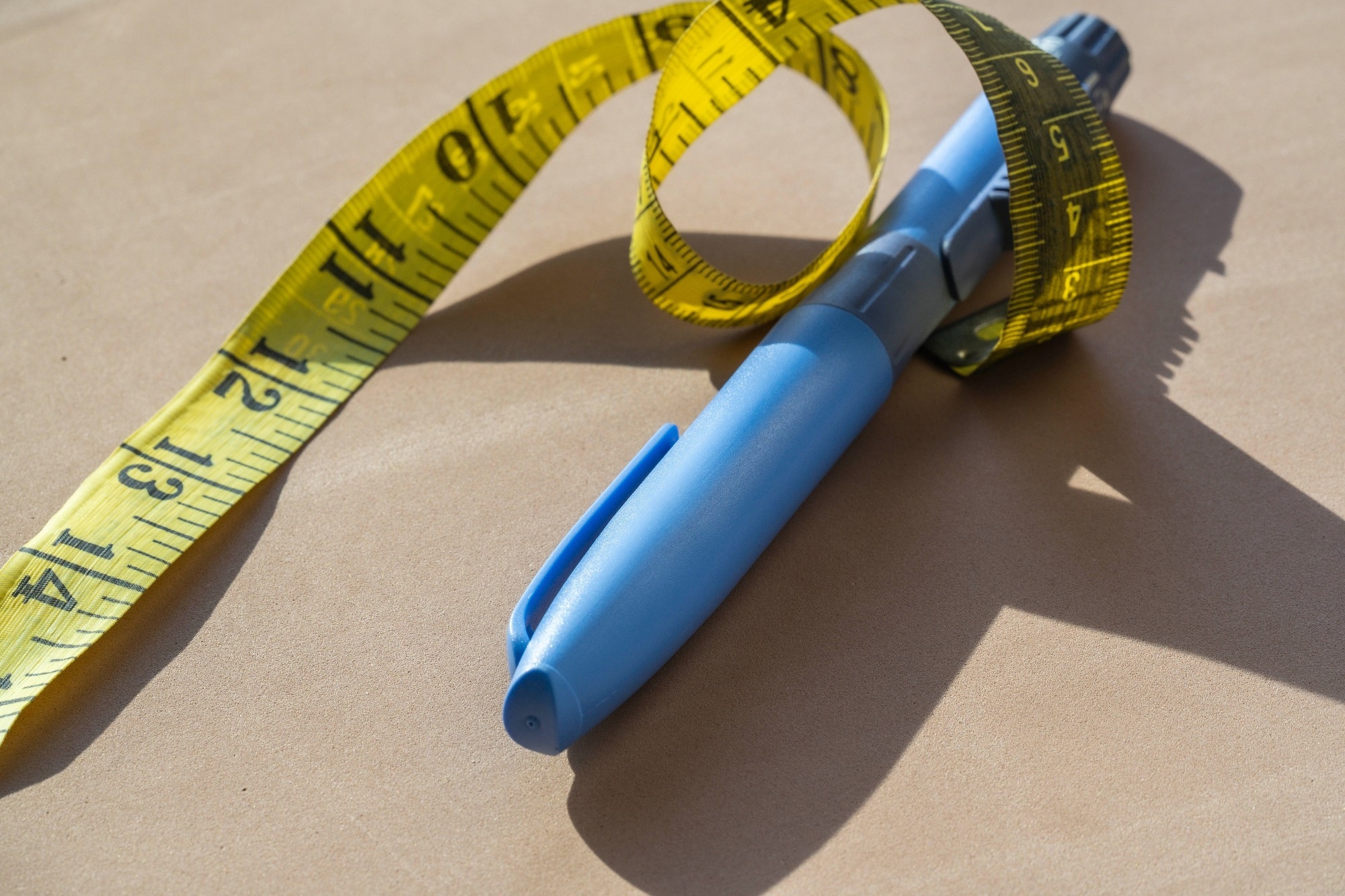
Study: Preventing Weight Regain After Glucagon-Like Peptide‑1 Therapy Discontinuation: A Pilot Randomized Controlled Trial. Image Credit: Celso Pupo / Shutterstock
In a recent pilot study published in the journal Obesity Science & Practice, researchers examined whether medically tailored meals (MTMs) or a digital wellness app could slow early weight regain after discontinuing glucagon-like peptide-1 receptor agonists (GLP-1RAs).
Around three-fourths of adults in the United States (US) are overweight or obese, with more than half of them attempting weight loss each year. GLP-1RAs, originally approved to treat type 2 diabetes (T2D), have also been approved for obesity management. Studies indicate rapid weight regain within three to four months after abrupt GLP-1RA discontinuation, with most patients regaining at least 50% of their lost weight within a year.
GLP-1RAs are effective for long-term weight management, but many patients discontinue treatment because of cost, insurance coverage limitations, adverse effects, and personal preference. These challenges warrant exploring interventions, such as lifestyle behavioral programs and meal replacements, to maintain weight loss after GLP-1RA therapy.
About the study
In the present study, researchers compared adherence to and satisfaction with two weight management strategies after discontinuing GLP-1RA treatment. These were the primary outcomes; weight change was exploratory. This randomized controlled pilot trial was conducted remotely between March 2024 and August 2025. Participant recruitment occurred through obesity clinics in Texas and the StudyFinder platform. Eligible participants were adults aged ≥ 18 years who had lost more than 10% of their body weight during GLP-1RA treatment and had stopped treatment less than 30 days earlier.
Individuals with substance use disorder or major psychiatric illness that could impair participation, or dietary restrictions or medical conditions that prevented them from eating the study meals or losing weight, were excluded. Participants were randomized to receive four months of MTMs, a subscription to a digital wellness application, or usual care. Usual care was at the healthcare provider’s discretion, with no specific study intervention. Participants receiving meals received 10 weight wellness meals per week delivered to their homes.
All MTMs had lower sodium and saturated fat, fewer calories, and lower or comparable sugar content than conventional prepared meals. The app group received Noom, a digital application providing behavioral strategies for weight reduction and maintenance, and was instructed to use it for at least 15 minutes daily. Meals, delivery, and app subscriptions were provided free of charge.
Weight was measured at baseline and during the four-month follow-up using home Bluetooth scales, with monthly weigh-ins requested. Participants completed questionnaires at baseline and at study end, capturing demographic information and Mini-Eat responses. Mini-Eat is a nine-item dietary questionnaire assessing overall diet quality. Participants completed individual items to assess perceived diet quality (PDQ) and perceived health quality (PHQ). Intervention groups also reported their average weekly frequency of MTM consumption or application use.
The researchers measured adherence using a validated questionnaire covering participants’ reported behavior. The researchers adapted a treatment satisfaction questionnaire to measure global satisfaction, convenience, and effectiveness with interventions and usual care. The researchers compared questionnaire scores between groups and modeled changes in body weight over time.
Findings
The study assigned 13 participants to MTMs, 12 to the app, and 14 to usual care, for a total of 39. Thirty-four completed a final weigh-in; four controls were lost to follow-up, and one app participant discontinued. On average, participants were 49.9 years old, had a BMI of 31.4 kg/m², and achieved 18.1% weight loss with GLP-1RA treatment. Most participants were female (82%), White (58%), employed (71%), and had a college education or higher (69%).
Adherence and satisfaction did not differ significantly between the intervention and control arms. No adverse events were reported. Participants in the meal group consumed eight MTMs per week, while those in the app group used the app 2.8 days per week. Over four months, model estimates indicated that controls gained about 11% body weight, while the intervention arms gained about 3.6%, relative to study-baseline weight.
Previous medication-associated weight loss differed between groups, averaging about 21% in controls, 18% in the app group, and 16% in the meal group. The differences in weight regain remained significant after adjustment for previous medication-associated weight loss and baseline weight. Diet quality and perceived health scores did not differ significantly between the intervention and control arms.
Conclusions
In this pilot trial, both MTM and digital wellness application interventions were associated with slower weight regain after GLP-1RA treatment cessation compared to usual care. These findings suggest that structured support shortly after cessation may reduce early regain, but both intervention groups still gained weight. Larger, more diverse trials with longer follow-up are needed to corroborate these results and determine how the interventions work.
Limitations include the small sample, short follow-up, variable usual care, missing weight measurements, and self-reported adherence. Nonsignificant questionnaire findings may reflect limited statistical power. The study therefore cannot establish whether the approaches provide lasting weight-maintenance benefits or improve cardiometabolic health.
Sources:
Journal reference:
- Hollis-Hansen K, Vonderschmidt A, Haskins C, Kane RM, Almandoz JP, Lingvay I (2026). Preventing Weight Regain After Glucagon-Like Peptide‑1 Therapy Discontinuation: A Pilot Randomized Controlled Trial. Obesity Science & Practice, 12(5), e70194. DOI: 10.1002/osp4.70194, https://onlinelibrary.wiley.com/doi/10.1002/osp4.70194
 Researchers link GLP-1 drugs to lower tuberculosis risk in type 2 diabetes