From hormonal disorders and endometriosis to IVF and genetic testing, a new clinical review explores the expanding options for treating female infertility, the factors shaping success, and the complications clinicians must not overlook.
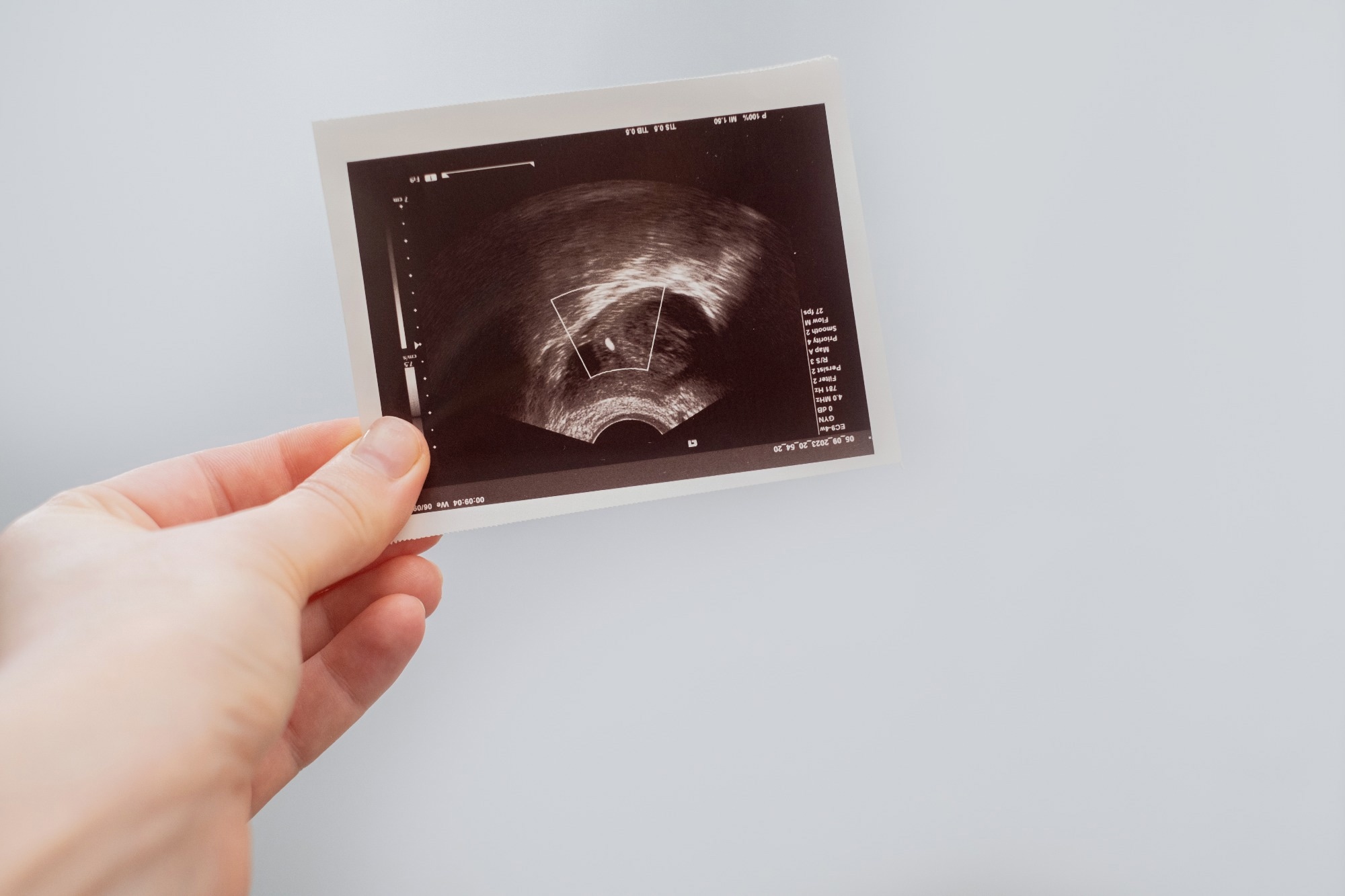 Study: Female infertility in the 21st century. Image credit: Parfenish_579/Shutterstock.com
A CME review article was recently published in the Journal of the American Academy of Physician Associates (JAAPA) for physician associates (PAs). It offers an updated account of female infertility, its common gynecologic causes, available treatments, and the acute complications that can follow assisted reproductive technology (ART). Its stated aim is to equip clinicians to counsel patients on treatment options, recognize complications, and make timely referrals.
Infertility affects millions as demand for fertility care grows
Infertility is defined as the inability to conceive after one or more years of regular, unprotected intercourse, or an impairment in one's ability to reproduce as an individual or with a partner. Earlier evaluation may be advisable in patients older than 35 and in those with conditions known to impair fertility, such as polyendocrine metabolic ovarian syndrome (PMOS), earlier termed polycystic ovary syndrome.
The authors distinguish primary infertility (no prior clinical pregnancy) from secondary infertility (a prior clinical pregnancy). Between 2015 and 2019, 8.5% of married US women aged 15 to 49 experienced infertility, with a higher prevalence among women with no prior births (19.4%) than among those with one or more (6.0%). Over the same period, 12.2% of all US women in this age range received infertility services.
From endometriosis to ovulatory disorders, infertility has many causes
Female infertility can stem from a range of reproductive and hormonal problems, affecting everything from egg release and quality to fertilization and embryo implantation. Problems with the cervix can make conception more difficult. Scarring or narrowing of the cervix following surgical procedures may reduce mucus production, making it harder for sperm to reach the uterus.
Abnormalities within the uterus can also interfere with pregnancy. Fibroids affect up to 70% of women, although their impact on fertility depends on their location. Those growing beneath the uterine lining can distort the uterine cavity and interfere with embryo implantation. Other potential barriers include congenital uterine abnormalities, such as a septate uterus, as well as endometrial polyps and scar tissue.
Damage to the fallopian tubes is another important cause. Sexually transmitted infections, particularly those caused by Chlamydia trachomatis, and pelvic inflammatory disease can leave scarring or blockages that prevent normal egg and sperm transport. Endometriosis and adhesions from previous surgeries can also affect tubal function.
Hormonal disturbances can disrupt ovulation, causing irregular egg release or preventing it altogether, a condition known as anovulation. These problems may arise from disrupted signaling between the brain and ovaries, disorders affecting ovarian function, or primary ovarian insufficiency. Polyendocrine metabolic ovarian syndrome (PMOS), formerly known as polycystic ovary syndrome, is a major contributor. It affects an estimated 5% to 10% of women worldwide and is reported in approximately 70% of women experiencing anovulation. Obesity and disorders of the thyroid, pituitary, and adrenal glands can also interfere with ovulation.
Age-related changes in ovarian function present further challenges. Diminished ovarian reserve (DOR) occurs when a woman has fewer ovarian follicles than expected for her age, while egg quality also declines over time. Although its underlying cause is often unclear, DOR has been associated with previous ovarian surgery, radiation exposure, and a family history of premature menopause.
Endometriosis can affect fertility through several mechanisms. The condition involves tissue resembling the uterine lining growing outside the uterus, potentially blocking fallopian tubes, reducing egg quality when ovarian endometriomas develop, and causing adhesions that distort reproductive organs. Risk factors include early onset of menstruation, never having given birth, short menstrual cycles, heavy periods, and a family history of the condition.
Fertility treatment choices depend on diagnosis and individual circumstances
Treatment is classified as low-tech or high-tech and is guided by the underlying cause. The authors emphasize that treatment decisions must incorporate individual preferences and socioeconomic realities, including cost, limited insurance coverage, transportation, time away from work, and cultural stigma. Previous treatment history and individual clinical circumstances also influence intervention choice.
How ovarian stimulation and IUI improve conception opportunities
Less invasive fertility treatments focus on stimulating the ovaries to release eggs, sometimes combined with intrauterine insemination (IUI) to improve the chances of conception.
For women with irregular menstrual cycles, including those with PMOS, ovulation induction (OI) aims to stimulate the development and release of one or two eggs. Controlled ovarian stimulation (COS), by contrast, encourages the development of more than two eggs and may be used in cases involving mild male-factor infertility, a blocked fallopian tube, endometriosis, or unexplained infertility. Both approaches can be combined with timed intercourse or IUI.
During IUI, specially prepared sperm is placed directly into the uterus to improve the chances of fertilization. The procedure can be performed alongside ovarian stimulation or during a natural menstrual cycle. In natural-cycle IUI, less monitoring is generally needed because insemination is timed to coincide with the body's natural surge in luteinizing hormone (LH), which signals that ovulation is approaching.
IUI may be recommended for patients with cervical mucus abnormalities or low sperm counts, as well as same-sex female couples using donor sperm. The review cites a study reporting a pregnancy rate of approximately 11% per cycle, rising to around 19% over repeated cycles. However, success varies according to individual clinical circumstances, and these figures should not be interpreted as guaranteed outcomes.
To stimulate follicle development, clinicians may prescribe clomiphene citrate, which increases the release of hormones involved in ovulation, or injectable follicle-stimulating hormone (FSH), sometimes combined with LH. Treatment may also involve a combination of clomiphene and FSH.
Throughout stimulation, follicle growth is tracked using transvaginal ultrasound and hormone testing. Follicles typically grow by 1 to 2 mm per day, taking around 14 days to reach a mature size of 18 to 24 mm, although development can take anywhere from seven to more than 20 days. Once the follicles are ready, an injection of human chorionic gonadotropin (hCG) or a gonadotropin-releasing hormone (GnRH) agonist, such as leuprolide, triggers final egg maturation. Clinicians then time intercourse or insemination to maximize the likelihood of fertilization.
How embryo quality and maternal age influence IVF outcomes
For in vitro fertilization (IVF), oocytes and sperm are combined outside the body and the resulting embryos cultured before being transferred to the uterus. It is commonly used for tubal dysfunction, unexplained infertility, and age-related subfertility, and for fertility preservation.
Success varies with maternal age, embryo quality, diagnosis, donor oocyte use, and preimplantation genetic testing. In the United States, reported live birth rates per IVF cycle are approximately 40% to 50% in patients under 35 and fall to less than 5% to 10% in patients older than 42.
The IVF process involves four steps. The first comprises COS, beginning with ovarian suppression (using oral contraceptives, GnRH agonists, or antagonists to prevent premature ovulation), followed by stimulation with FSH to produce roughly 8 to 20 follicles, and finally a trigger injection.
In the second step, egg retrieval occurs about 36 hours post-trigger, using ultrasound-guided transvaginal needle aspiration under anesthesia, followed by progesterone support for the endometrium. Third, fertilization occurs through conventional insemination (adding sperm to the medium containing the eggs) or intracytoplasmic sperm injection (ICSI), the latter primarily for severe male-factor infertility or prior fertilization failure.
In the final step, embryos develop to the blastocyst stage. Embryo transfer into the uterus occurs typically 3 to 5 days after retrieval. Substantial attrition occurs: for example, eight retrieved oocytes might yield only one embryo selected for transfer.
Genetic screening offers reproductive insights alongside important limitations
Preimplantation genetic testing (PGT) may be performed in selected at-risk couples undergoing ART. It involves biopsying early embryo cells, sparing the inner cell mass destined to become the fetus. It may detect aneuploidy (PGT-A), single-gene disorders (PGT-M), or structural rearrangements (PGT-SR). Because false results are possible, confirmatory prenatal diagnostic testing is recommended after transfer of a tested embryo if pregnancy occurs.
How gestational surrogacy differs from traditional surrogate pregnancies
Surrogacy and gestational carriers offer options for those unable or unwilling to carry a pregnancy. Gestational surrogacy, in which the carrier has no genetic link to the fetus, is more common than traditional surrogacy. These arrangements require medical, psychological, and legal evaluation. Regulation at state-level results in varying legal protections.
Recognizing complications early can improve fertility treatment safety
The authors discuss in detail those complications that are most relevant to acute care clinicians. Ovulation induction, with or without IUI, may lead to multiple gestation, ovarian cyst formation, and ectopic pregnancy, among others.
Ovarian hyperstimulation syndrome (OHSS)
According to estimates cited in the review, severe OHSS occurs in approximately 3% to 8% of IVF cycles. It typically follows an hCG trigger, which increases vascular endothelial growth factor and vascular permeability. Early OHSS appears within 3 to 7 days; late OHSS at 10 to 14 days.
OHSS presents with symptoms such as abdominal distension, pelvic pain, nausea, rapid weight gain, ascites, pleural effusions, dyspnea, and oliguria. Chest pain, neurologic symptoms, or syncope warrant evaluation for thromboembolism. Laboratory findings may include hemoconcentration, hyponatremia, and renal impairment.
Management varies with severity: oral hydration and outpatient follow-up for mild cases, admission and careful IV resuscitation for moderate to severe cases, and ICU care for critical disease. Thromboprophylaxis should be considered in severe disease or in patients with prolonged immobility.
Ovarian torsion
This complication is more frequent in ART patients because of stimulation-induced ovarian enlargement, especially with OHSS. It presents with sudden, severe, unilateral pain which may be intermittent, often with vomiting. Symptoms can be wrongly attributed to postprocedural discomfort, delaying diagnosis.
Doppler ultrasonography is the primary imaging tool, though normal Doppler flow does not exclude torsion. It is a surgical emergency, managed laparoscopically.
Ectopic and heterotopic pregnancy
Both these conditions are more common after ART, with heterotopic pregnancy rates reported as high as 1 in 100 pregnancies in the ART context. A heterotopic pregnancy refers to the simultaneous occurrence of an intrauterine pregnancy and an ectopic pregnancy. Because the presence of an intrauterine pregnancy may reduce clinicians' suspicion of a heterotopic pregnancy, its diagnosis is challenging.
The first-line diagnostic tool is transvaginal ultrasound, with color Doppler improving diagnostic sensitivity and specificity. Diagnostic laparoscopy or laparotomy may be indicated when the diagnosis is uncertain and the patient is hemodynamically unstable.
Stable ectopic pregnancies may be managed with methotrexate, while surgery is indicated for instability, hemoperitoneum, or extrauterine cardiac activity. In heterotopic pregnancy, laparoscopy is typically used as methotrexate would harm the viable intrauterine fetus.
Hemoperitoneum
Hemoperitoneum is a rare complication, arising from a ruptured ectopic pregnancy, retrieval-related bleeding (with an incidence of approximately 0.05% attributable specifically to instrumentation during oocyte retrieval), or OHSS. Presentation includes shoulder-tip pain, abdominal tenderness, hypotension, and tachycardia.
Mild cases may be managed conservatively, whereas moderate to severe cases require resuscitation, blood products, and laparoscopic hemostasis, with laparotomy reserved for failed hemostasis.
Personalized infertility care requires informed choices and clinical vigilance
The authors conclude that female infertility is a complex condition, indiating approximately 12% of reproductive-age US women receiving infertility services, and that advances in ART have broadened options considerably. They argue that PAs across all specialties, not only reproductive medicine, should understand common causes, ART procedures, and their complications. This would enable them to educate patients, participate in shared decision-making, and manage those receiving infertility care appropriately.
 Could GLP-1 drugs help women with PCOS beyond weight loss?