A fruit used in traditional Chinese medicine for more than two millennia is attracting scientific interest as researchers examine how its complex carbohydrates interact with the biological pathways involved in brain health, memory, and mood.
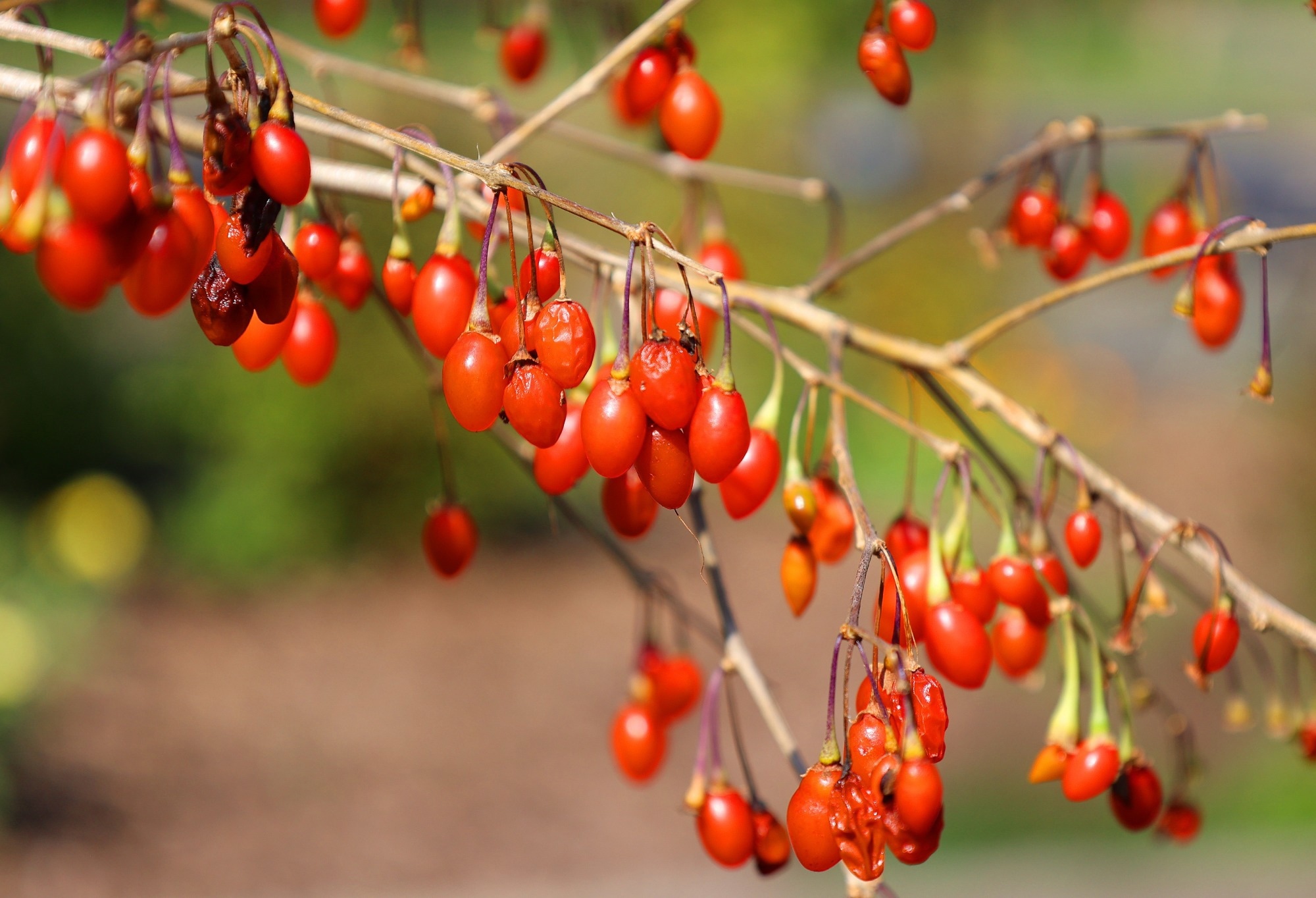
Review: The Red Berry and the Brain: Lycium barbarum Polysaccharides in Neuroprotection. Image Credit: meunierd / Shutterstock
In a recent narrative review published in the journal Cells, researchers at Dali University, Yunnan Province, China, synthesized mechanistic and preclinical evidence on the neuroprotective properties of Lycium barbarum (goji berry) polysaccharides (LBPs) across several neurological and psychiatric disorders.
The review’s findings indicate that LBPs and related glycopeptide preparations exhibit neuroprotective properties in cellular and animal models of Parkinson's disease (PD), Alzheimer's disease (AD), and ischemic stroke, alongside antidepressant-like effects in experimental models of depression. Mechanistic investigations link these effects to changes in oxidative stress, protein aggregation, mitochondrial function, and the gut-brain axis.
Current evidence remains predominantly preclinical. The authors call for standardized extraction and characterization of these compounds and rigorous randomized controlled trials (RCTs) to establish safety, efficacy, and appropriate doses. Eating goji berries has not been shown to prevent or treat these disorders.
Why researchers are investigating goji berries for brain health
Neurological disorders, including Alzheimer's disease, Parkinson’s disease, and ischemic stroke, alongside psychiatric illnesses such as major depressive disorder (MDD), impose a growing global burden of disability and mortality.
Existing pharmacological treatments such as levodopa for PD can relieve symptoms without halting neuronal degeneration, while antidepressants have limitations in efficacy and tolerability for some patients. These limitations have prompted researchers to investigate naturally derived compounds, whose safety and efficacy in humans remain uncertain.
One group of compounds under investigation is LBPs. Derived from Lycium barbarum (goji berry) fruit used in traditional Chinese medicine (TCM) for approximately 2,300 years, LBPs are water-soluble glycoconjugates that account for approximately 5% to 8% of the fruit's composition. They predominantly contain six monosaccharides (galactose, rhamnose, arabinose, glucose, mannose, and xylose), along with varying amounts of peptides, proteins, and other constituents.
Preliminary reports have indicated potential neuroprotective effects, but inconsistent purification standards, uncertain blood-brain barrier (BBB) permeability, and an incomplete understanding of their mechanisms of action have impeded the clinical development of LBPs.
Examining the evidence for goji-derived compounds
The narrative review examined studies identified through a non-systematic PubMed literature search conducted between 2025 and 2026, supplemented with foundational earlier research and manual screening of reference lists.
The authors examined the relationships between molecular mechanisms and experimental outcomes across four domains: Parkinson's disease, Alzheimer's disease, depression, and cerebral ischemia-reperfusion (C-I/R) injury.
The review also examined reported biological activities of crude LBPs and structurally defined derivatives, such as Lycium barbarum glycopeptide (LbGp) and the acidic heteropolysaccharide LFP-1.
How goji polysaccharides may protect the brain
In preclinical models of PD (including chemically induced and transgenic α-synuclein A53T systems), LBPs and LbGp protected dopaminergic neurons. In a silkworm model, LBPs improved dopamine synthesis by regulating tyrosine hydroxylase (TH) and Parkin (PRKN).
Separate mechanistic investigations revealed that LBPs activated nuclear factor erythroid 2-related factor 2/heme oxygenase-1 (Nrf2/HO-1) antioxidant defenses and suppressed nitrosative stress. In one experiment involving chemically injured cells, LBPs substantially reduced programmed cell death.
LBPs also appeared to regulate autophagy, the cellular process that removes damaged proteins and other cellular components, but whether normal cellular clearance was restored remains uncertain.
LbGp also inhibited ferroptosis, an iron-dependent form of cell death, by increasing iron storage and export while reducing cellular iron uptake.
A small randomized pilot trial of dietary goji intake in patients with PD suggested potential clinical benefits associated with changes in the gut microbiome and metabolome. It did not test purified LBPs. Whether these isolated compounds protect dopamine-producing neurons through the gut-brain axis remains unconfirmed.
Reducing amyloid-beta and Tau pathology in Alzheimer's disease
In preclinical AD models, the purified fraction LBP1A1-1 reduced amyloid-beta (Aβ42) production and aggregation. Another fraction, LBP1C-2, reduced amyloidogenic processing by downregulating β-site amyloid precursor protein-cleaving enzyme 1 (BACE1) and upregulating α-secretase ADAM10.
LBP1C-2 also increased insulin-degrading enzyme (IDE) expression, potentially promoting amyloid-beta degradation.
Separate studies demonstrated that LBA, a goji-derived extract, can reduce abnormal phosphorylation and cleavage of the Tau protein, both associated with Alzheimer's disease pathology.
Other LBP preparations reduced markers of neuroinflammation or restored hippocampal neurogenesis and long-term potentiation (LTP), a process involved in strengthening connections between neurons. Several animal studies also reported improvements in learning and memory.
Investigating inflammation and the gut-brain axis in depression
In experimental models of depression, LBPs reduced excessive microglial activation in brain regions involved in mood regulation. Direct evidence of changes in M1/M2 microglial polarization remains limited.
These compounds may also support brain-derived neurotrophic factor/tropomyosin receptor kinase B (BDNF-TrkB) signaling, which contributes to neuronal survival, neurogenesis, and synaptic plasticity. The review calls for more research into mechanisms beyond neuroinflammation.
LBPs can act as colonic prebiotics that increase the microbial production of short-chain fatty acids (SCFAs). Experimental evidence suggests that LBPs may strengthen intestinal barriers by increasing tight junction protein expression, potentially limiting lipopolysaccharide (LPS) translocation and systemic inflammation. This proposed pathway requires clinical validation.
Differences in experimental methods and extract composition prevented reliable comparisons between LbGp and crude LBPs in rodent depression models.
An interim analysis of a six-week randomized placebo-controlled clinical trial in 29 adolescents with subthreshold depression, defined as depressive symptoms that do not meet the full diagnostic criteria for MDD, suggested that 300 mg daily of LBP improved clinician-rated depressive symptoms compared with placebo.
A subsequent analysis of the same trial found that circulating interleukin-17A (IL-17A) concentrations were lower in the LBP group than in the placebo group, but the study did not establish a direct link between these changes and symptom improvement.
Protecting neurons against ischemic brain injury
In experimental models of cerebral ischemia-reperfusion (C-I/R) injury, particularly under hyperglycemic conditions, LBPs reduced neuronal injury.
Pretreatment with LBPs was associated with activation of Wnt/β-catenin signaling, regulation of mitochondrial fusion and fission through increased expression of optic atrophy protein 1 (Opa1) and reduced expression of dynamin-related protein 1 (Drp1), and reduced oxidative stress.
Cell-based experiments also linked improved neuronal survival to changes in NMDA receptor signaling, which regulates neuronal communication and can contribute to cell death when excessively activated. These findings do not establish efficacy in humans when treatment begins after a stroke.
Human clinical evidence remains limited
The present review highlights preclinical evidence suggesting that LBPs may exert multi-target neuroprotection by regulating oxidative stress, protein homeostasis, mitochondrial function, and gut-brain pathways.
The review was limited by its heavy reliance on cellular and animal models, unstandardized extract purity, incomplete bioavailability data, and minimal human clinical testing. Uncertain extract composition also makes it difficult to attribute observed effects to LBPs rather than other constituents.
The non-systematic literature search and potential publication bias may have favored studies reporting positive outcomes. Optimal treatment duration and long-term safety in humans also remain undefined.
Further preclinical research and standardized, carefully designed clinical trials are needed to determine whether LBPs offer safe and effective treatments or complementary therapies for neurological and psychiatric disorders.
Source:
Journal reference:
 Experimental drug corin shows promise against aggressive brain tumors in infants