During Rwanda’s first Marburg virus outbreak, clinical assessments were complicated by patients simultaneously battling malaria. Although the Rwanda Biomedical Centre (RBC) possessed diagnostic kits to confirm infections, investigating the origin of the outbreak required additional genomic sequencing.
For complex cases involving multiple pathogens, metagenomic next-generation sequencing (mNGS) offers a more comprehensive approach. This advanced diagnostic capability is critical for saving time and improving patient outcomes during an outbreak.
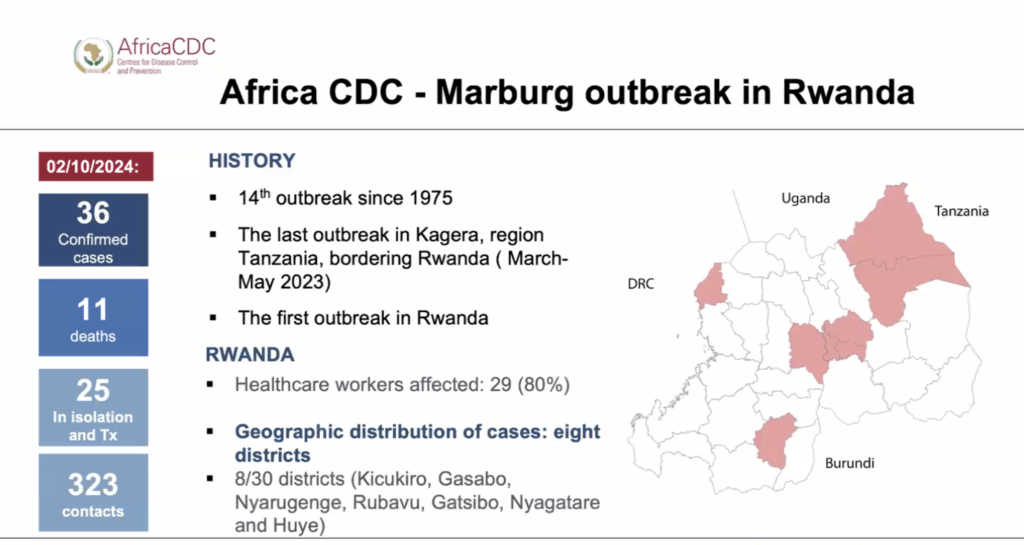
Image Credit: AfricaCDC
The $350 Billion Price of Inaction
In the world of high-threat pathogens, delay is measured in both lives and GDP. WHO states that marburg case fatality rates can soar to 88% when unmanaged, the economic "contagion" is equally viral.
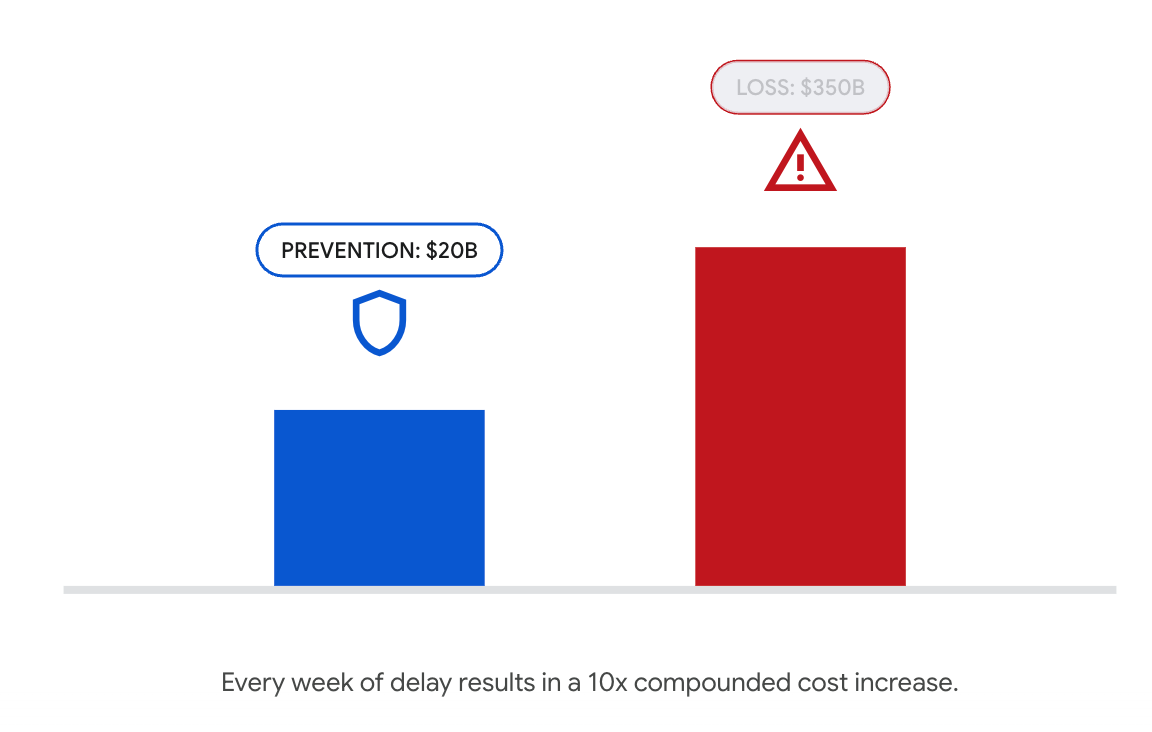
Image Credit: AfricaCDC
A 2022 study suggests a mere one-week delay in epidemic control can multiply economic damage by 10 to 100 times. Zoonotic inaction alone claims 3.3 million lives annually, and a loss valued at over US$350 billion. By contrast, effective global prevention is estimated to cost just US$20 billion per year.
"Genomics based Investigation ignorance is a luxury the global economy can no longer afford," argues Dr. Atsbeha Gebreegziabxier Weldemariam of the Ethiopian Public Health Institute, whose team worked on the frontline of disease control by analyzing bulk samples.
Technical "Blind Spots"
Prof. Claude Mambo Muvunyi, Director General of the Rwanda Biomedical Centre, warns that traditional killers like malaria and TB often overshadow emerging threats. Dengue, for instance, has seen its global incidence surge eight-fold over two decades, yet it often goes undetected.
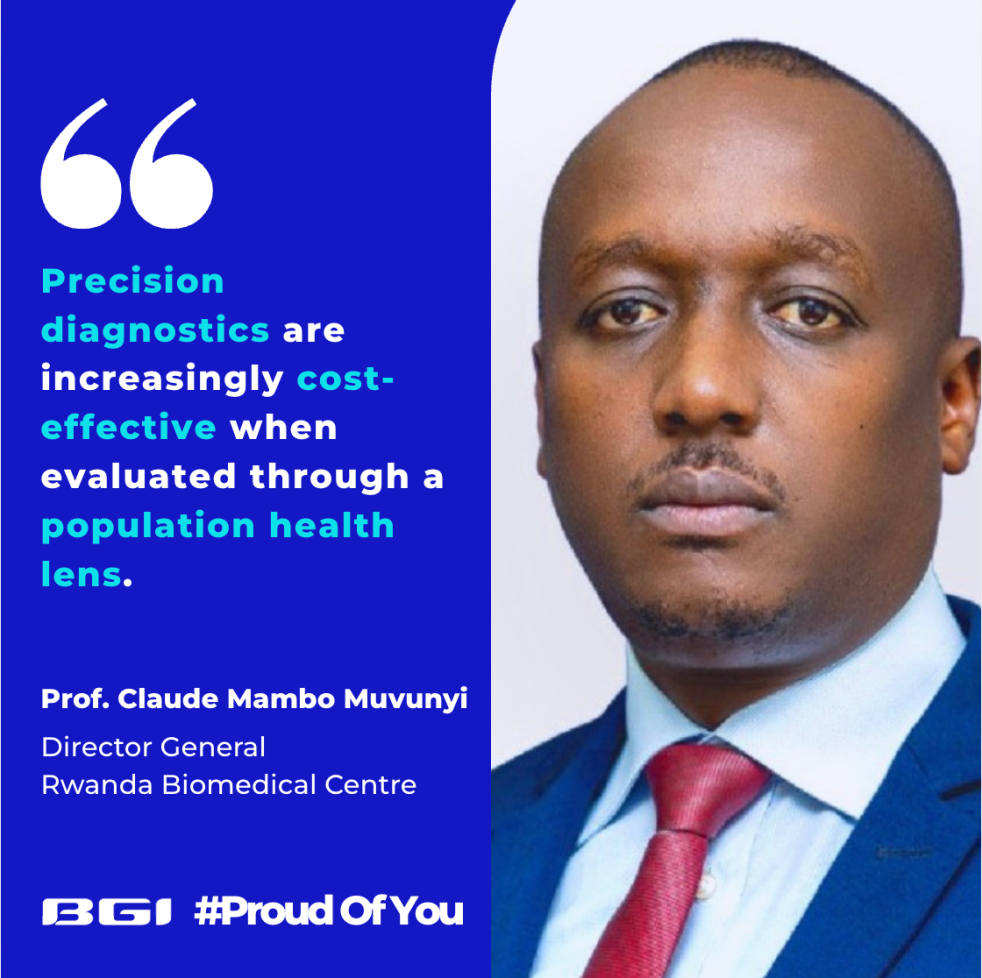
Image Credit: AfricaCDC
To break this cycle, Prof Muvunyi advocates for a paradigm shift toward molecular diagnostics. "Molecular assays can detect pathogens with sensitivities exceeding 95%, often before clinical complications arise," he notes, adding that for high-threat infections like Chikungunya or Nipah virus, early detection is the primary driver of improved outcomes. His advice to the public is clear: engage promptly with validated testing services, noting that “Precision diagnostics are increasingly cost-effective when evaluated through a population health lens. ”
In a 2025 study, Conventional tests miss dengue/typhoid(low sensitivity 25-35%) compared to advanced multiplex diagnostics to distinguish co-circulating pathogens. This fuels "black box" uncertainty and quarantine stigma that drives patients away from hospitals. Clinicians then default to broad-spectrum antibiotics "just in case," a practice that fails to treat viral infections, while actively accelerating antimicrobial resistance (AMR) and worsening the impact of future outbreaks.
BGI Genomics PMseq™, using mNGS technology, supports global efforts in the analysis and investigation of complex infectious cases and tailors effective treatment.
Precision as a Health Pillar
When clinical symptoms alone fail to identify a rare or emerging threat, metagenomic next-generation sequencing (mNGS) offers a decisive advantage through the unbiased, culture-independent detection of all microbial nucleic acids in a single sample.
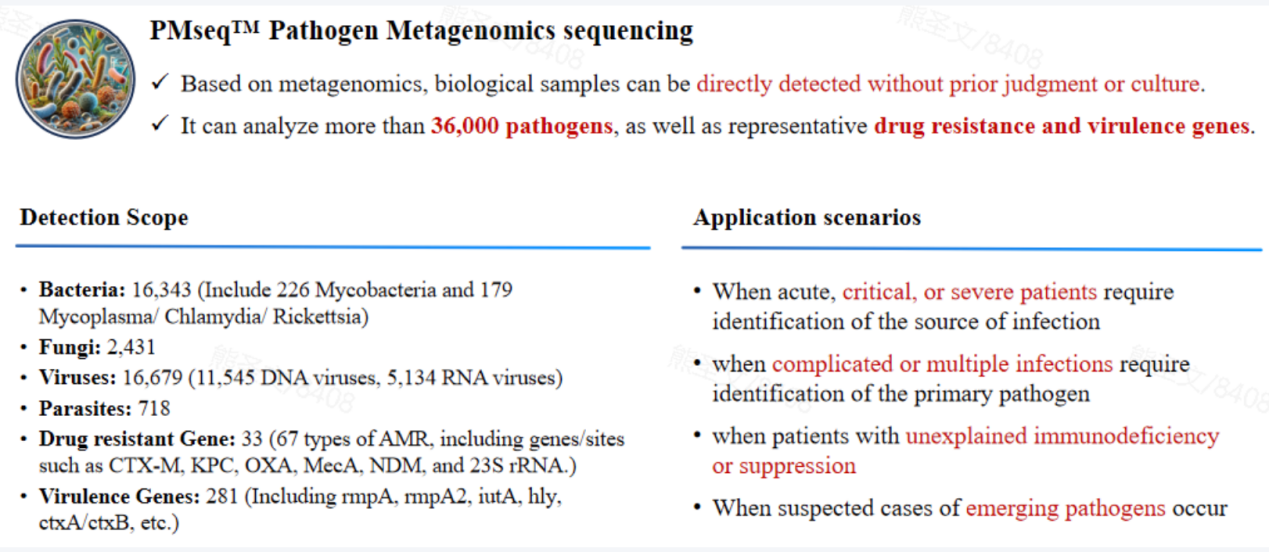
Image Credit: AfricaCDC
BGI Genomics’ PMseq™, a high-sensitivity solution providing comprehensive DNA and RNA pathogen detection based on mNGS, supports both individual clinical diagnosis and large-scale biosurveillance. This early warning system has already demonstrated its real-world impact by playing a central role in the first identification of SARS-CoV-2 and novel bunyaviruses.
By leveraging vast reference databases and advanced bioinformatics, the platform characterizes pathogens in near real-time, often identifying threats before they are even fully recognized by the global health community.
The China-Africa Precision Collaboration
The transition to "Scientific Management" is increasingly defined by localized high-tech precision. A key pillar of this is the evolving advanced health collaboration.
Prof Muvunyi notes that partners like BGI Genomics are transitioning toward a co-development model. "Evidence shows that countries with local genomic capacity respond to outbreaks up to three times faster than those relying on external support," he says. "Co-ownership of innovation is critical."
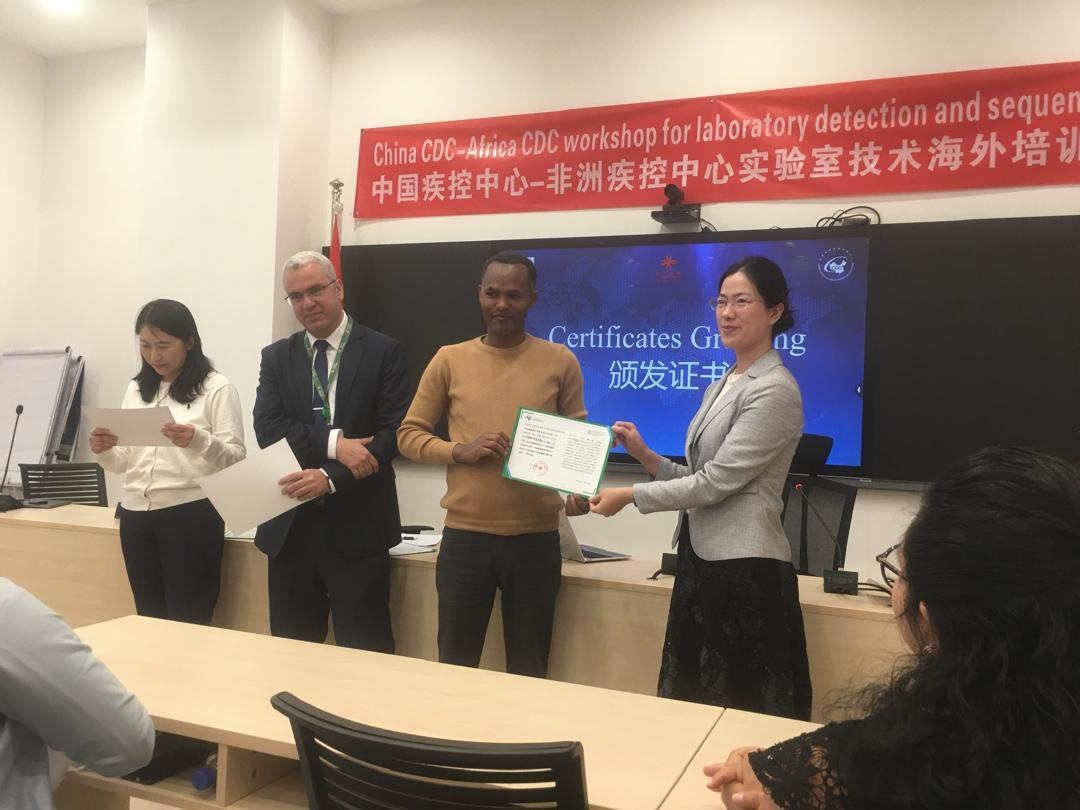
Dr. Atsbeha awarded an accreditation certificate at the China CDC–Africa CDC workshop. Image Credit: AfricaCDC
During a high-level communication in late 2025 at the Africa Centers for Disease Control (CDC), Chinese health experts conducted intensive training on genome sequencing. Dr. Atsbeha witnessed the automated extraction technology introduced by Chinese experts would allow African health experts to isolate bacteriophages in less than 20 minutes, allowing a much faster response during outbreaks.
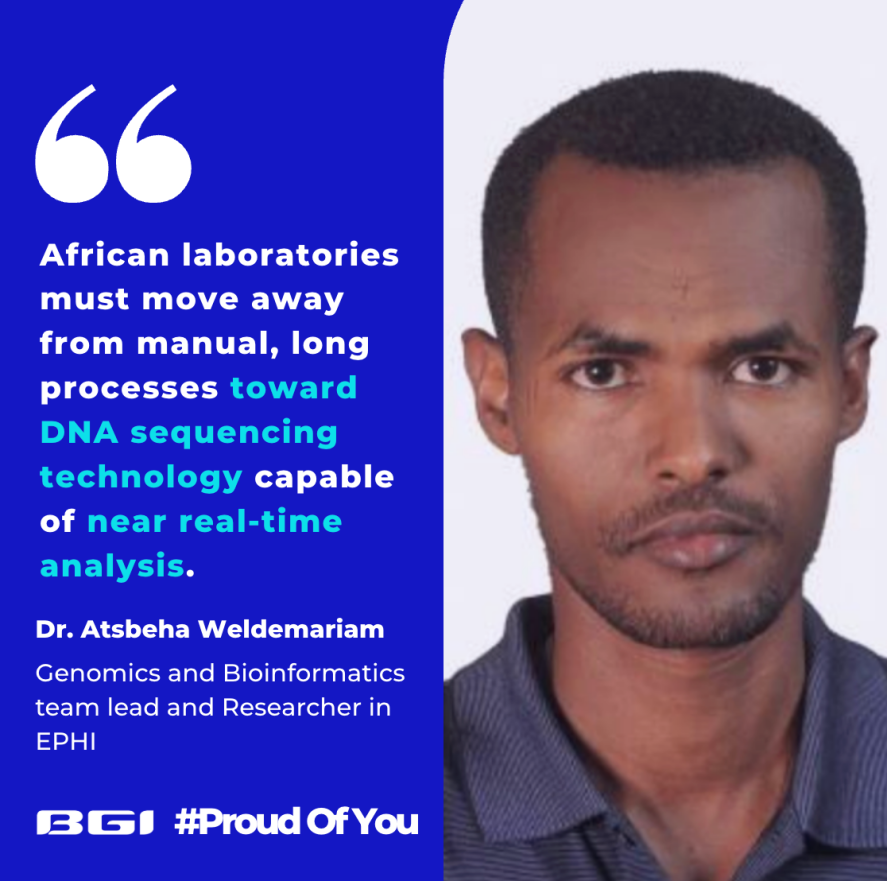
Image Credit: AfricaCDC
“The takeaway from this training is clear. African Genomics facilities must move away from manual, weeks-long processes toward automated Chinese DNA sequencing technology capable of near real-time analysis.” He recalled.
A Balanced Path Forward
True resilience requires more than just hardware. It requires a science-led response that replaces the fear of "black box" quarantines with community-led support.
By combining automated tools with a locally empowered workforce, health systems can ensure that when the next "diagnostic knot" appears, the capacity to untangle it is already held in local hands.
About BGI Genomics
BGI Genomics, headquartered in Shenzhen, China, is the world's leading integrated solutions provider of precision medicine. Our services cover more than 100 countries and regions, involving more than 2,300 medical institutions. In July 2017, as a subsidiary of BGI Group, BGI Genomics (300676.SZ) was officially listed on the Shenzhen Stock Exchange.
 Advancing Precision Medicine in Argentina, Brazil and Chile – BGI Update