With hundreds of illnesses linked to raw milk outbreaks and emerging concerns over bird flu, pediatricians warn that unpasteurized dairy poses preventable health risks without delivering the nutritional benefits its supporters claim.
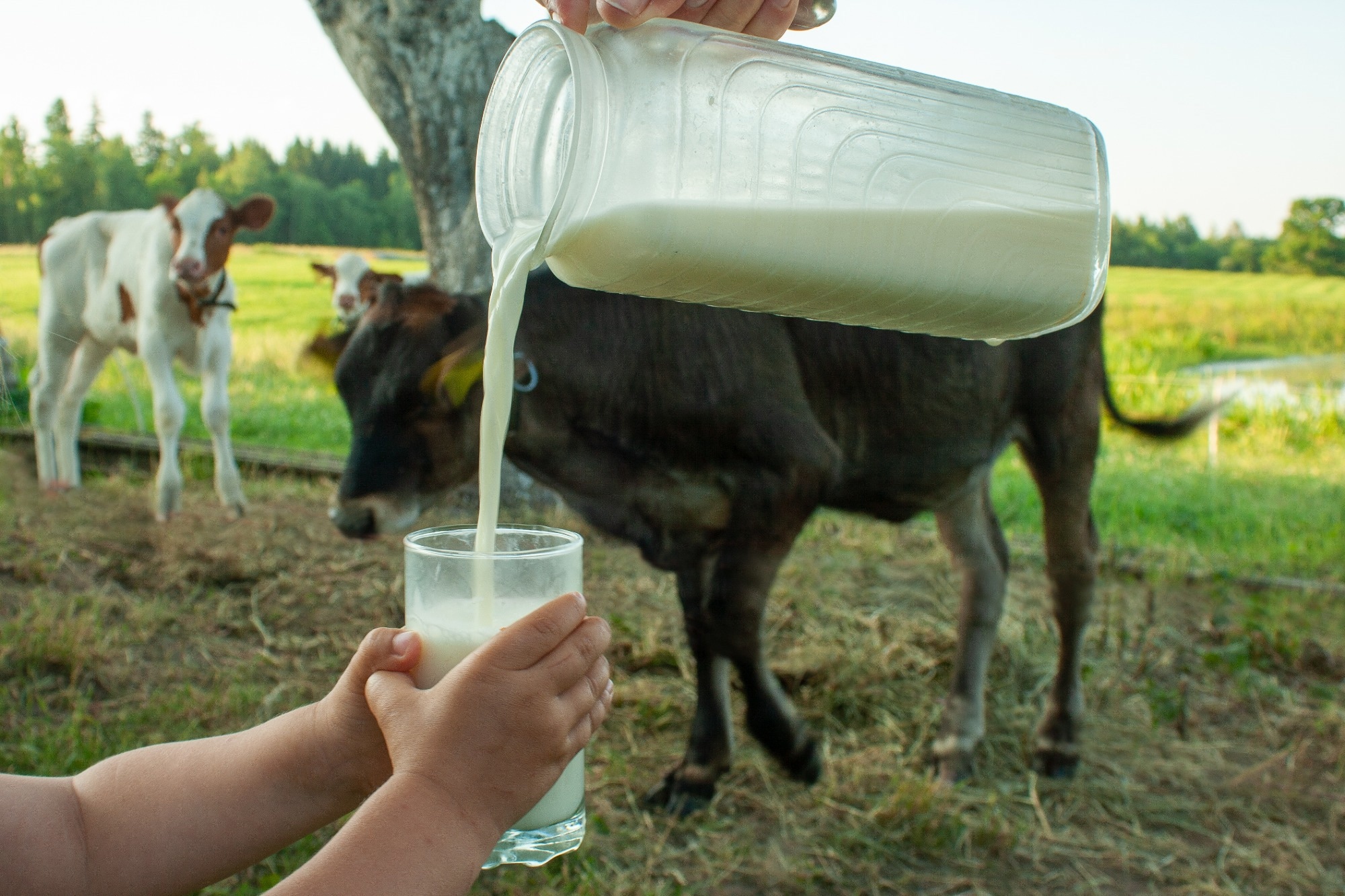 Study: Consumption of Unpasteurized (Raw) Milk and Milk Products by Pregnant People and Children: Policy Statement. Image credit: Romo Lomo/Shutterstock.com
A recent policy statement from the American Academy of Pediatrics (AAP), published in Pediatrics, concluded that raw milk offers no proven health advantages over pasteurized milk that outweigh its increased risk of foodborne illness.
The problem of foodborne illnesses caused by the consumption of raw milk in the United States
In the United States, foodborne illness accounts for substantial morbidity and mortality. Consumption of unpasteurized (raw) milk or milk products is a key source of increased risk for foodborne illness. Contamination can occur in several ways, including clinical or subclinical mastitis, direct contact with bovine fecal matter, and environmental contamination.
Pasteurization involves heating milk under controlled conditions to eliminate disease-causing microorganisms, providing protection that sanitation or filtration alone cannot achieve.
Before milk pasteurization became established in the United States in the 1920s, consumption of unpasteurized (raw) milk or milk products led to outbreaks of diphtheria (Corynebacterium diphtheriae), tuberculosis (Mycobacterium bovis), typhoid fever (Salmonella Typhi and Paratyphi), brucellosis (Brucella species), and group A Streptococcus infections.
Between 2013 and 2018, raw milk consumption was linked to 75 outbreaks in the United States, resulting in 675 illnesses, 98 hospitalizations, and two deaths. Nearly half of the illnesses (48%) occurred in people younger than 20 years, including 14% in children younger than five years.
The risk of severe infection is particularly high among young children, older adults, pregnant individuals, and immunocompromised people. Examples include the added risk of vertical transmission resulting in congenital or neonatal illness by enteric pathogens (such as L. monocytogenes and T. gondii) and severe complications from diarrheal illness in young children, such as hemolytic uremic syndrome (HUS) secondary to E. coli O157.
Pregnant individuals face particularly serious risks, as listeriosis occurs approximately 12 to 14 times more frequently during pregnancy than in the general population and can result in miscarriage, stillbirth, premature delivery, or severe neonatal infection.
In addition to the above-mentioned pathogens, additional pathogenic and opportunistic bacteria, parasites, and viruses have been detected in raw dairy products. The frequency of illness associated with many of these organisms remains uncertain, but outbreaks may become more frequent if the consumption of unpasteurized (raw) milk or milk products increases.
An emerging threat is the highly pathogenic avian influenza (HPAI) virus. Bovine HPAI A(H5N1) infection can lead to a very high concentration of the virus in the mammary gland and the resulting milk. Although infectious H5N1 virus has been detected in raw milk from infected cows, no human cases linked to raw milk consumption had been identified at the time of the policy statement. Pasteurization effectively inactivates the virus.
Nutrients in pasteurized vs raw milk
Most American milk and milk products consumed today are pasteurized; however, surveys conducted in 2016 and 2019 found that 4.4% of US adults consumed raw milk in the prior 12 months. These consumers were more likely to be rural residents and young adults (18 to 35 years old).
Pasteurization does not destroy or neutralize important nutrients in milk. A comparison of lipid profiles between pasteurized and raw milk revealed no differences in either free fatty acids or triglycerides. Another study found unchanged concentrations of linoleic and α-linolenic acids in milk post-pasteurization. However, antioxidant activity decreased.
Pasteurization can denature some milk proteins, particularly heat-sensitive bioactive proteins, but does not alter lactose content. Proteins are also denatured when they are digested in the human stomach. Pasteurization reduces certain bioactive bovine proteins, including lactoferrin and immunoglobulins, but the goal of milk consumption is not to obtain bovine bioactive proteins. Whey and casein, the major allergenic proteins in milk, are preserved post-pasteurization, as are calcium, magnesium, and zinc.
Infants and children with milk allergy should avoid all animal milk and milk products. No evidence supports claims that unpasteurized milk can alleviate other atopic conditions. In 2011, a systematic review and meta-analysis on vitamins in raw and pasteurized milk found that pasteurization decreased only vitamin B2.
Recommendations regarding consumption of raw milk and milk products
Most national and international regulatory and advisory bodies endorse consuming only pasteurized milk, and the AAP strongly supports this position, especially for infants and children, including adolescents and young adults, breastfeeding parents, and pregnant individuals. The recommendation applies to milk and the derived products from many animals, including sheep, goats, and cows.
Although federal regulations prohibit interstate sales of raw milk for human consumption, state laws vary, and raw-milk sales were permitted in 27 states as of 2019. Certain raw-milk cheeses aged at least 60 days are exempt from the federal restriction, despite evidence that harmful bacteria can survive aging.
Obstetricians and pediatricians can raise awareness and counsel families to consume only pasteurized dairy products. In fact, the AAP supports pediatricians in advocating for a ban on the sale of unpasteurized milk and milk products via their state representatives. Beyond clinical counseling, social media and school-based campaigns could also reach a wider audience.
The AAP also endorses a nationwide ban on selling or distributing unpasteurized milk and milk products, including certain raw-milk cheeses, such as fresh, soft, and soft-ripened varieties. This recommendation is based on data showing that pasteurization does not significantly alter milk's overall nutritional value and on the burden of illness from consuming raw milk, especially among pregnant women, infants and young children, and fetuses and neonates.
 Study finds age and body composition may explain gut bacteria differences between milk drinkers