Introduction
Resistance vs. persistence: Key differences
Biological mechanisms underlying persistence
Clinical consequences of persistence
Research advances and therapeutic strategies
References
Further reading
Antibiotic persistence helps a small subpopulation of bacteria survive treatment without becoming genetically resistant, often leading to relapse and prolonged infection. Researchers are uncovering how stress responses, metabolic slowdown, and biofilm-associated survival shape persistence and how these pathways could be targeted to improve therapy.
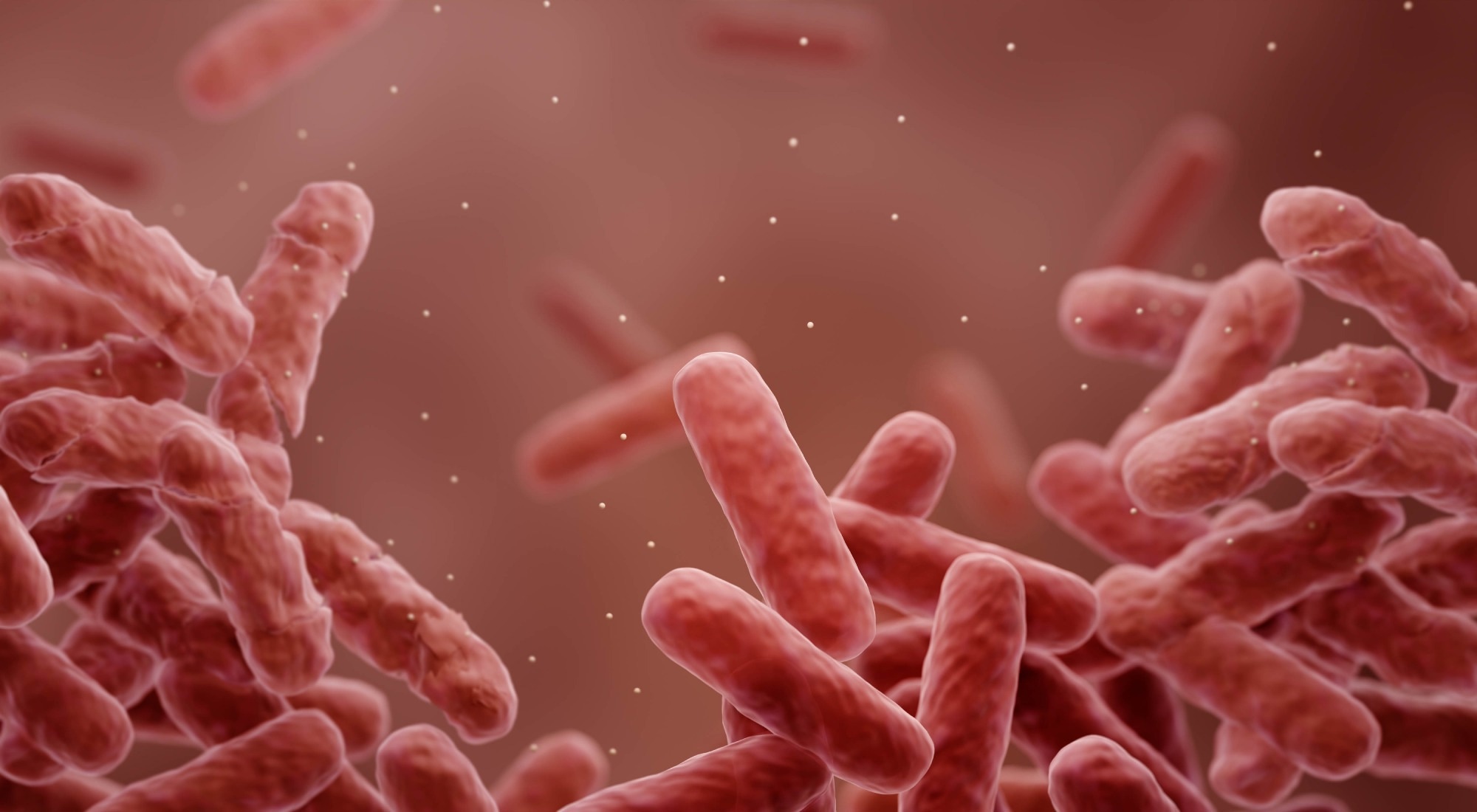 Image Credit: Art_ur / Shutterstock.com
Introduction
Antimicrobial-resistant (AMR) bacteria develop resistance through the acquisition of genetic mutations or horizontally acquired resistance genes that reduce the efficacy of antibiotics, enabling them to continue growing and replicating in the presence of these drugs. In contrast, persister bacteria survive antibiotic exposure by entering a transient, dormant, or otherwise slow-growing, growth-arrested physiological state.1,5,6
Most traditional antibiotics target active cellular processes, rendering them ineffective against dormant bacterial forms. Consequently, even minute bacterial subpopulations that survive antibiotic interventions contribute to infection relapse upon the removal of antibiotic pressure. The clinical importance of antibiotic survival phenotypes sits within a broader AMR crisis that was estimated to be associated with 4.95 million deaths worldwide in 2019, including 1.27 million deaths directly attributable to bacterial AMR.9
Resistance vs. persistence: Key differences
Antibiotic resistance can be inherited through spontaneous genetic mutations in chromosomal genes or the horizontal transfer of resistance genes carried on mobile genetic elements such as plasmids that confer resistance. These genetic alterations may involve reducing permeability of the bacterial cell membrane to prevent antibiotic entry into cells, inactivating the drug by adding a chemical group, or directly modifying an antibiotic target molecule to render it ineffective.1 Notable bacteria species with established antibiotic resistance include Enterococcus faecium, Staphylococcus aureus, Acinetobacter baumannii, Pseudomonas aeruginosa, Klebsiella pneumoniae, and Enterobacter species.
As compared to antibiotic resistance, during which resistant microorganisms can survive and reproduce under antibiotic treatment, antibiotic persistence refers to the ‘persister’ subpopulation of microorganisms that survive high antibiotic concentrations within an otherwise susceptible population, typically without any increase in the minimum inhibitory concentration (MIC) and often producing a biphasic killing curve in killing assays1. Persistence is best viewed as a subpopulation-level form of antibiotic tolerance rather than a synonym for resistance, whereas tolerance more broadly describes reduced killing across an entire bacterial population without an MIC shift.1,2 Environmental conditions ranging from acidic pH and oxidative stress to nutrient deficiencies and antibiotic exposure can induce persistence by reprogramming bacteria to shift from rapid growth to metabolic homeostasis.
Biological mechanisms underlying persistence
Most research on the biological mechanisms underlying antibiotic persistence has been conducted in Gram-negative bacteria such as E. coli, P. aeruginosa, and S. enterica ser. Typhimurium. These studies have led to the identification of the hipA7 allele, which enhances antibiotic persistence in E. coli K-12 by almost 1,000-fold. As one of the best-studied persistence-associated loci, this allele helped show that persister formation can be strongly influenced by specific genetic determinants by promoting phosphorylation-dependent inhibition of glutamyl-tRNA synthetase, activation of the stringent response alarmone (p)ppGpp, and downstream growth arrest.1
Toxin–antitoxin (TA) systems contribute to antibiotic persistence by inhibiting essential bacterial processes like translation, transcription, and DNA replication following exposure to environmental stress; in these systems, the toxin inhibits growth-promoting functions, whereas the antitoxin neutralizes toxin activity under more favorable conditions.1,6 In addition to antibiotic exposure, nutrient restriction, heat, oxidative stress, and acidic pH can also induce antibiotic persistence.
Specifically, these environmental stressors lead to the production and subsequent accumulation of alarmone (p)ppGpp, which can upregulate or activate persistence-associated stress pathways and TA modules.1,6,8 Reduced adenosine triphosphate (ATP) levels similarly downregulate essential cellular functions involved in antibiotic tolerance. Importantly, current evidence describes persistence as arising from phenotypic heterogeneity, stress responses, and metabolic reprogramming, rather than from dormancy alone.1,2,6
Antibiotic persistence has also been implicated in biofilm formation, which is often present in difficult-to-treat infections such as endocarditis and osteomyelitis, as well as infections affecting the skin, airways, and soft tissues. In some infection settings, including recurrent urinary tract infection, persistence is also supported by intracellular bacterial communities and quiescent intracellular reservoirs that shield bacteria from both host defenses and antibiotics.4
The Antibiotic Apocalypse Explained
Clinical consequences of persistence
Whereas numerous assays are available for resistance testing in clinical microbiology labs, antibiotic tolerance can be assessed only in killing assays, which are often time-consuming and associated with high variability. Even if antibiotic persistence can be observed and quantified in vitro, these characteristics may not reflect how the bacteria behave during human infection.
Due to insufficient testing capabilities, antibiotic persistence is often misinterpreted as resistance, leading clinicians to mistakenly assume that an antibiotic regimen has failed because of genetic resistance.2 This diagnostic blind spot can prompt the inappropriate therapeutic escalation to broad-spectrum antibiotics, a phenomenon that severely damages host microbiomes and may even accelerate the development of co-occurring AMRs.2 Persisters are especially relevant in chronic, relapsing, and device-associated infections because they can survive therapy, reseed infection after treatment stops, and provide a reservoir from which genetically resistant mutants may eventually emerge. Thus, treatment failure or relapse does not necessarily indicate genetically encoded resistance, even when bacteria survive antibiotic exposure.1,2,4,5,7
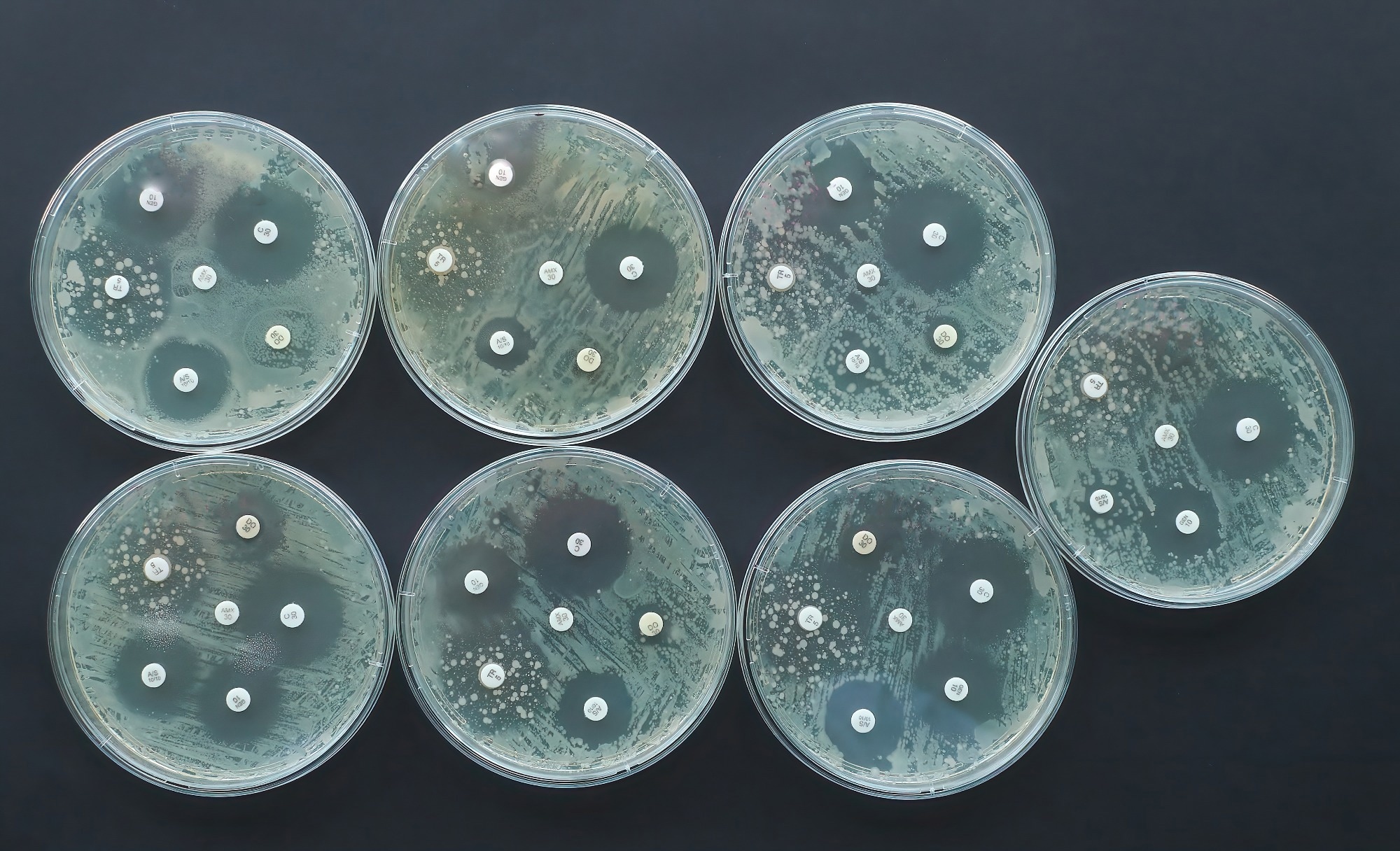 Image Credit: Lusof / Shutterstock.com
Research advances and therapeutic strategies
Although investment in research on new antibiotics remains low worldwide, new approaches to target multidrug-resistant (MDR) bacteria have been investigated. For example, machine learning (ML) technologies facilitated the discovery of halicin, a powerful, broad-spectrum antibiotic that prevents proton exchange across the bacterial cell membrane, thereby inducing cell death.7
Bacteriophages are viruses that infect and lyse bacteria and are increasingly being studied for their clinical potential to treat infections with MDR bacteria. Nevertheless, bacteriophage therapy is associated with significant limitations, including species variability that may affect their killing efficiency, potential interactions with the host immune system, and practical difficulties in identifying or formulating the appropriate phage combinations for treatment.1
‘Persister’ cells are characterized by slow growth or dormancy that prevents antibiotics from reaching and effectively neutralizing these bacteria. Investigative substances like phage-derived endolysins, which have attracted interest as a more targeted alternative to whole-phage therapy, along with membrane-active compounds and anti-persister adjuvants such as diosgenin, have been studied for their potential to kill both growing and non-growing bacteria or suppress persister formation.1,7,8
Preventing persister formation by targeting the stringent and SOS responses, for example, can reduce bacteria's long-term survival potential; however, these interventions would be considered prophylactic and require co-administration with another agent or vaccination. Other antibiotics or combinations of drugs have also been shown to work synergistically with other cellular factors to sensitize persisters by disrupting cell membrane integrity, thereby increasing antibiotic uptake. Other strategies that reduce bacterial tolerance to antibiotics may involve promoting the production of reactive oxygen species (ROS) to increase cell stress and death responses or increasing proton motive force (PMF) to further enhance antibiotic accumulation.7,8
Overall, understanding how antimicrobial resistance and persistence interact in real-world infections and developing diagnostics that can distinguish between these types of pathogens will be crucial for developing more effective therapies.
References
- Huemer, M., Mairpady Shambat, S., Brugger, S. D., & Zinkernagel, A. S. (2020). Antibiotic resistance and persistence - Implications for human health and treatment perspectives. EMBO Reports 21(12). DOI: 10.15252/embr.202051034. https://link.springer.com/article/10.15252/embr.202051034
- Lalitha, S. J., Sujitha, R. K., & Srinivas, K. (2025). Antibiotic Persistence Unveiled: Mechanisms of Dormancy and Resilience. Journal of Mycology and Infection 18-24. DOI: 10.17966/jmi.2025.30.1.18. https://e-jmi.org/archive/detail/164?is_paper=y
- Gangar, T., & Patra, S. (2023). Antibiotic persistence and its impact on the environment. 3 Biotech 13(12). DOI – 10.1007/s13205-023-03806-6. https://pmc.ncbi.nlm.nih.gov/articles/PMC10654327/
- Choi, C., Kim, D. DS., Choi, J. B., et al. (2026). Mechanisms and clinical implications of bacterial persistence in recurrent urinary tract infections. Investigative and Clinical Urology 67(2); 123-130. DOI: 10.4111/icu.20250656. https://icurology.org/DOIx.php?id=10.4111/icu.20250656
- Eisenreich, W., Rudel, T., Heesemann, J., & Goebel, W. (2022). Link Between Antibiotic Persistence and Antibiotic Resistance in Bacterial Pathogens. Frontiers in Cellular and Infection Microbiology 12. DOI: 10.3389/fcimb.2022.900848. https://www.frontiersin.org/journals/cellular-and-infection-microbiology/articles/10.3389/fcimb.2022.900848/full
- Pan, X., Liu, W., Du, Q., et al. (2023). Recent Advances in Bacterial Persistence Mechanisms. International Journal of Molecular Sciences 24(18); 14311. DOI: 10.3390/ijms241814311. https://www.mdpi.com/1422-0067/24/18/14311
- Hashemi, M. J., Dhaouadi Khattab, Y., & Ren, D. (2025). Mini review: Persister cell control strategies. Frontiers in Pharmacology 16. DOI: 10.3389/fphar.2025.1706115. https://www.frontiersin.org/journals/pharmacology/articles/10.3389/fphar.2025.1706115/full
- Seo, Y., Kim, M., & Kim, T. (2025). Inhibition of (p)ppGpp Synthesis and Membrane Fluidity Modulation by Diosgenin: A Strategy to Suppress Staphylococcus aureus Persister Cells. International Journal of Molecular Sciences 26(13); 6335. DOI: 10.3390/ijms26136335. https://www.mdpi.com/1422-0067/26/13/6335
- Antimicrobial Resistance Collaborators. (2022). Global burden of bacterial antimicrobial resistance in 2019: a systematic analysis. The Lancet 399(10325); 629-655. DOI: 10.1016/s0140-6736(21)02724-0. https://www.thelancet.com/retrieve/pii/S0140673621027240
Further Reading
Last Updated: Mar 24, 2026
 Plant-based diets could curb climate change and infectious diseases, experts say