Introduction
What are food dyes?
Metabolism and absorption in children
Potential health impacts
Regulatory landscape
Dye-free alternatives
Practical guidance for parents
Conclusions
References
Further reading
Synthetic food dyes are widely used in packaged foods and can disproportionately affect children due to higher relative intake and developmental vulnerability. Evidence from clinical trials, animal studies, and regulatory reviews links certain dyes to behavioral changes, allergic reactions, and emerging concerns involving the gut–brain axis.
 Image Credit: Larysa Shcherbyna / Shutterstock.com
Introduction
This article reviews common food dyes in packaged foods, their potential associations with attention-deficit/hyperactivity disorder (ADHD), allergic and respiratory reactions, and gut microbiome interactions in children, as well as regulatory differences between the United States and European Union, and practical dye-free alternatives for families.
What are food dyes?
Artificial color additives are frequently incorporated into processed foods and drinks for their vivid, stable hues and consistent appearance. The most common certified dyes include Red No. 40 (Allura Red), Yellow No. 5 (Tartrazine), Yellow No. 6 (Sunset Yellow), and Blue No. 1 (Brilliant Blue).
Red No. 40 appears in sports drinks, candy, condiments, and cereals, whereas Yellow No. 5 is used in candy, soft drinks, chips, popcorn, and cereals. Yellow No. 6 is often found in candy, sauces, baked goods, and preserved fruits, while Blue No. 1 is present in ice creams, canned peas, packaged soups, popsicles, and icings. These dyes are approved for use by major regulatory agencies, although their permitted applications and labeling requirements vary by jurisdiction.1
Children experience higher weight-normalized exposure to synthetic colorants compared with adults due to lower body mass and greater consumption of dye-rich foods. Developmental immaturity of hepatic enzymes and intestinal transport systems can alter biotransformation and elimination, potentially increasing systemic exposure to dye metabolites.2
In children with autism spectrum disorder (ASD), restrictive eating patterns may increase the risk of micronutrient deficiencies, including zinc deficiency, which can impair metallothionein-mediated antioxidant defenses. Variability in cytochrome P450 (CYP) activity and phase II conjugation pathways during development contributes to interindividual differences in dye clearance and sensitivity.2
Histamine-metabolizing genetic variants have been proposed as modifiers of neurobehavioral sensitivity to color additives. Consumption of high–dye-density products such as syrups, gummies, and brightly colored beverages can bring intake near or above acceptable daily intake (ADI) thresholds in some children. Collectively, higher relative intake and evolving detoxification capacity make children more susceptible than adults to FD&C dyes.2
Potential health impacts
ADHD and behavior
Dopamine signaling and immune-mediated histamine release have been implicated as potential mechanisms by which food dyes may influence arousal and behavior in susceptible children. Erythrosine (Red No. 3) has been studied for its effects on thyroid signaling and neurobehavioral outcomes.
The California Office of Environmental Health Hazard Assessment (OEHHA) conducted a systematic review of 27 pediatric clinical trials, finding that 16 reported evidence of an association between exposure to synthetic dyes and adverse behavioral outcomes, with 13 showing statistically significant effects.3 Animal toxicology studies provided converging support for these findings, reinforcing biological plausibility.3
Allergic reactions
Azo dyes such as tartrazine can be reduced in vivo to aromatic amines, which may act as sensitizers. Clinical reports describe urticaria, pruritus, and asthma-like symptoms following exposure in sensitive individuals.
Pediatric reviews consistently report allergic and pseudoallergic reactions associated with synthetic dye consumption, particularly among children with underlying atopic conditions.2,3
Gut microbiome interactions
Azo dyes can be cleaved by gut microbial azoreductases prior to absorption. OEHHA has highlighted that these microbially derived metabolites warrant further toxicological evaluation due to their potential to influence the gut–brain axis.3
Rodent studies demonstrate microbiome disruption, intestinal inflammation, and oxidative stress following chronic exposure to certain synthetic dyes, suggesting plausible upstream mechanisms for systemic and neurobehavioral effects.2,3
Carcinogenicity
Some dyes, including erythrosine and amaranth, have demonstrated genotoxic or tumor-promoting effects in animal models at high doses. Current ADIs were largely established using older toxicology studies that did not assess neurobehavioral or microbiome-related endpoints, prompting calls for reassessment using modern methods.3
Regulatory landscape
In the United States, color additives are regulated under Title 21 of the Code of Federal Regulations (CFR). The U.S. Food and Drug Administration (FDA) is responsible for safety evaluation, certification, and labeling requirements.
Certified colors must be declared by name on ingredient lists, while exempt colors may be listed generically. Carmine (cochineal) and Yellow No. 5 require an explicit declaration due to their allergenic potential.4
In contrast, the European Union requires a mandatory warning label (“may have an adverse effect on activity and attention in children”) on foods containing certain synthetic dyes, reflecting a more precautionary risk communication approach.4
Dye-free alternatives
Beetroot red (Betanin, E162) produces pink-to-red hues and is suitable for dairy products, confections, and cereals. Although rare allergic reactions have been reported, no ADI has been established, and absorption is low with rapid urinary excretion.5
Turmeric extract (Curcumin, E100) provides a yellow-to-orange-yellow coloration and exhibits low toxicity, with an established ADI of 15.75 mg/kg body weight.5
Paprika extract (Capsanthin/Capsorubin, E160c) imparts yellow-to-red shades and has an ADI of 24 mg/kg body weight.5
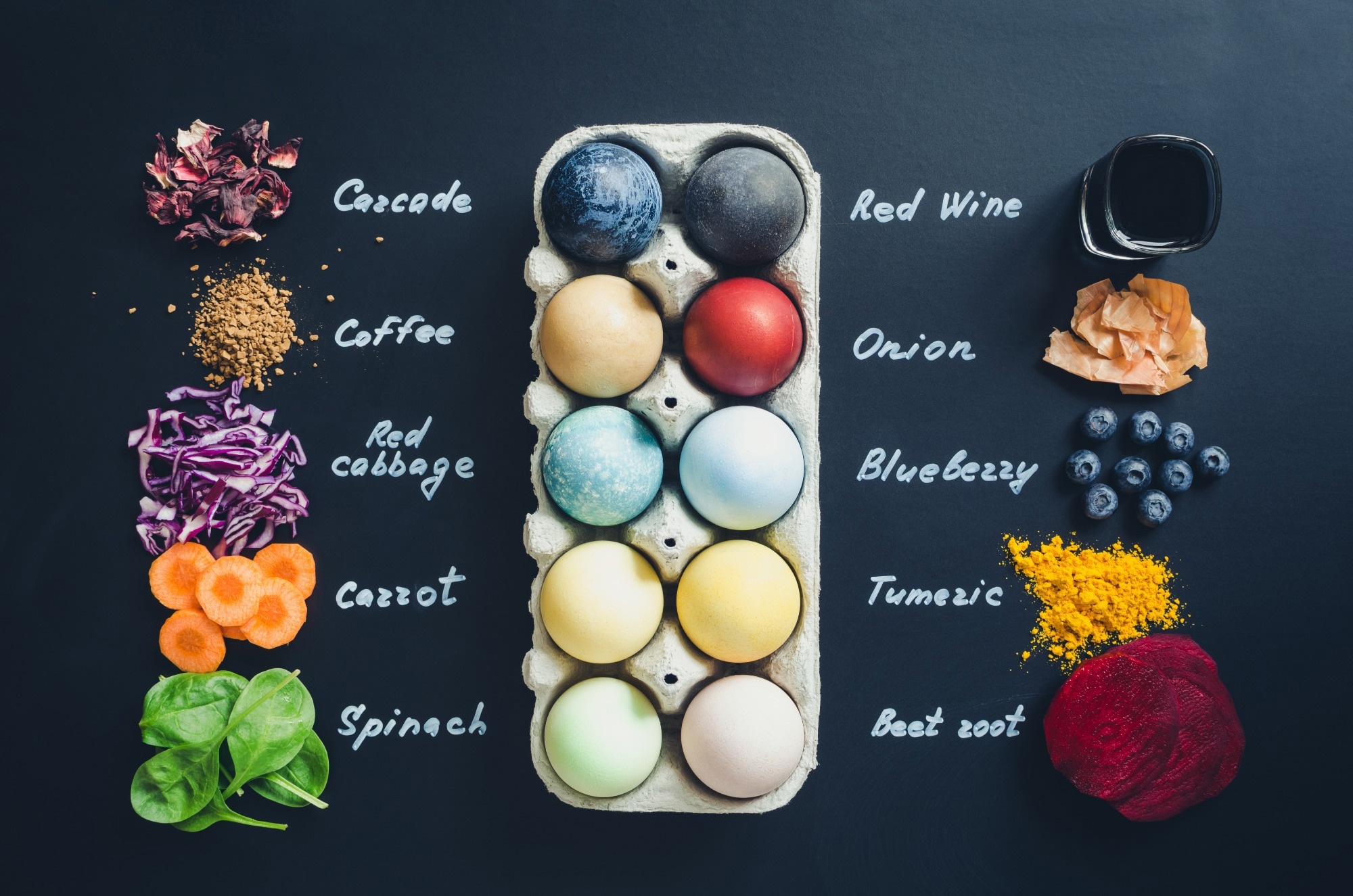 Image Credit: Nelli Kovalchuk / Shutterstock.com
Practical guidance for parents
Parents can reduce dye exposure by reading ingredient lists for FD&C color names such as Red No. 40, Yellow No. 5, Yellow No. 6, Blue No. 1, and Blue No. 2.
Dye-free formulations of medications and supplements should be chosen when available. Exposure assessments indicate that a single serving of some beverages can contribute a meaningful fraction of the ADI for Red No. 40 in children, underscoring the importance of cumulative intake.2
Conclusions
Evidence from pediatric clinical trials, animal studies, and exposure assessments indicates that synthetic food dyes can adversely affect behavior and sensitivity in some children, particularly those with heightened vulnerability. Current regulatory limits may not fully account for neurobehavioral outcomes, supporting calls for updated risk assessments and clearer consumer guidance.3
References
- Dey, S., & Nagababu, B. H. (2022). Applications of food color and bio-preservatives in the food and its effect on the human health. Food Chemistry Advances 1. DOI: 10.1016/j.focha.2022.100019. https://www.sciencedirect.com/science/article/pii/S2772753X2200003X
- de Oliveira, Z. B., Silva da Costa, D. V., da Silva dos Santos, A. C., et al. (2024). Synthetic Colors in Food: A Warning for Children’s Health. International Journal of Environmental Research and Public Health 21(6). DOI: 10.3390/ijerph21060682. https://www.mdpi.com/1660-4601/21/6/682
- Miller, M. D., Steinmaus, C., Golub, M. S., et al. (2022). Potential impacts of synthetic food dyes on activity and attention in children: a review of the human and animal evidence. Environmental Health 21(1). DOI: 10.1186/s12940-022-00849-9. https://ehjournal.biomedcentral.com/articles/10.1186/s12940-022-00849-9.
- Lehto, S., Buchweitz, M., Klimm, A., et al. (2017). Comparison of food colour regulations in the EU and the US: a review of current provisions. Food Additives & Contaminants: Part A 34(3); 335-355. DOI: 10.1080/19440049.2016.1274431. https://www.tandfonline.com/doi/full/10.1080/19440049.2016.1274431#abstract.
- Silva, M. M., Reboredo, F. H., & Lidon, F. C. (2022). Food Colour Additives: A Synoptical Overview on Their Chemical Properties, Applications in Food Products, and Health Side Effects. Foods 11(3). DOI: 10.3390/foods11030379. https://www.mdpi.com/2304-8158/11/3/379
- Arraztio-Cordoba, A., Araque-Padilla, R. A., Montero-Simo, M. J., & Olarte-Sanchez, C. M. (2022). The effect of food packaging elements on children’s food choices and intake: A systematic review. Frontiers in Nutrition 9. DOI: 10.3389/fnut.2022.998285. https://www.frontiersin.org/journals/nutrition/articles/10.3389/fnut.2022.998285/full
Further Reading
Last Updated: Dec 15, 2025
 Maternal diets high in UPFs may influence children’s health years later