Introduction
Dietary fiber: Definitions and sources
Mechanisms of action
Fiber types and health outcomes
Practical dietary messages
Research gaps
References
Further reading
Dietary fiber influences metabolic health through viscosity-driven glycemic control and microbiome-mediated fermentation, with effects that vary by fiber type, metabolic phenotype, and gut microbial composition. evidence from mechanistic studies and large clinical trials shows that fiber’s benefits are real but heterogeneous, supporting a more personalized approach to dietary guidance.
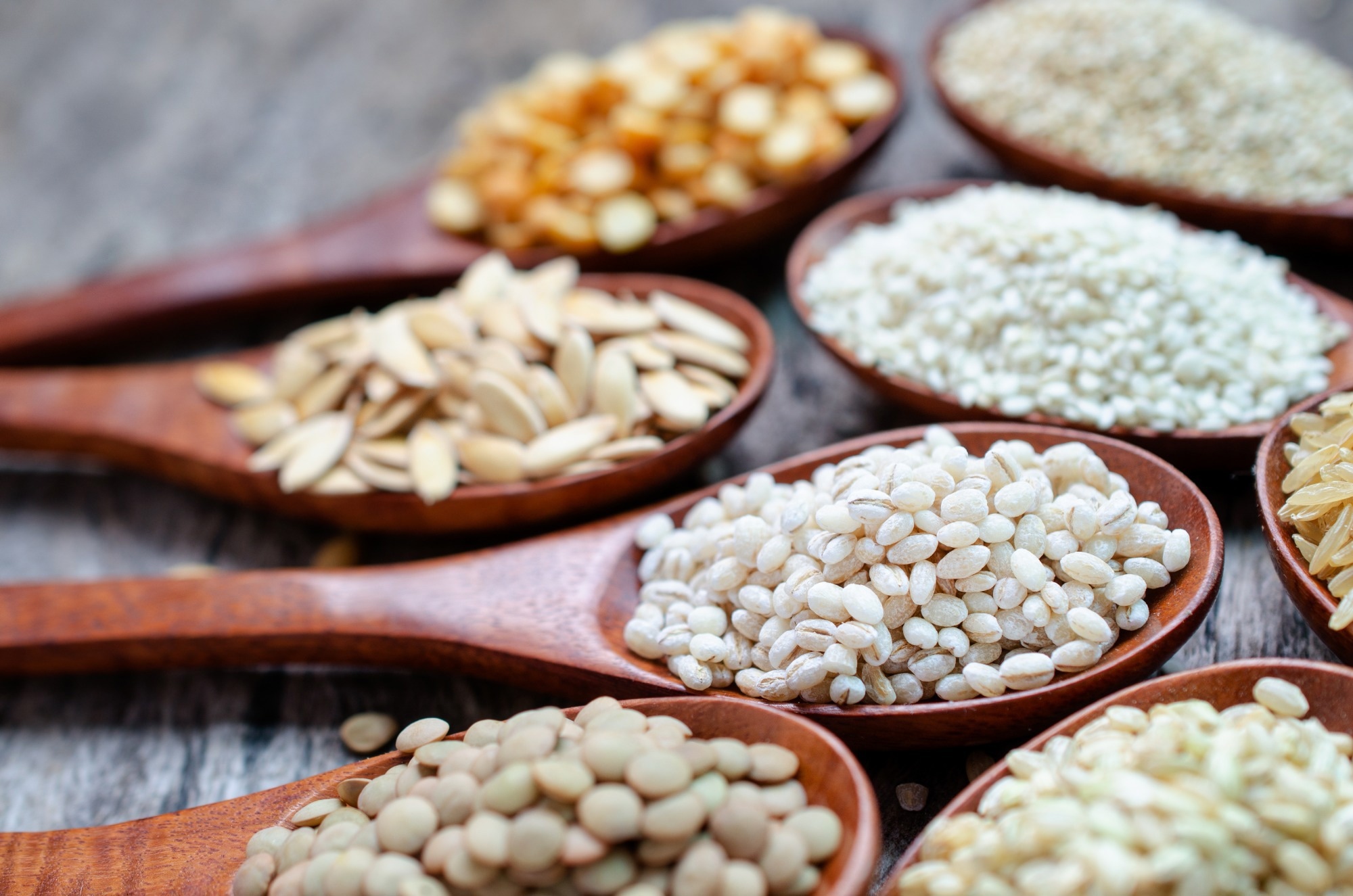 Image Credit: Nopparat Promtha / Shutterstock.com
Introduction
Dietary fiber intake is essential for maintaining optimal metabolic health by influencing viscosity, microbial fermentation, and short-chain fatty acid (SCFA) production. In fact, higher fiber intake is frequently associated with improved glucose regulation, favorable lipid profiles, reduced obesity risk, and lower incidence of cardiometabolic diseases.2 However, the magnitude and durability of these benefits vary by fiber type, dose, and individual metabolic status. Large prospective analyses link higher habitual fiber intake with reduced risk of type 2 diabetes, cardiovascular disease, metabolic syndrome, and all-cause mortality.1,2
Dietary fiber: Definitions and sources
Dietary fiber, like cellulose, hemicellulose, pectins, gums, and resistant starches, consists of non-digestible plant-derived carbohydrates that resist digestion in the small intestine and may be partially or fully fermented in the colon. Modern definitions include carbohydrate polymers (generally ≥3 monomeric units) that are not hydrolyzed by endogenous enzymes in the small intestine and that demonstrate physiological benefit.1,7 These fibers are broadly classified into soluble, insoluble, and fermentable subclasses, each of which has distinct physicochemical and physiological properties.1 Importantly, fiber functionality depends more on viscosity and fermentability than on solubility classification alone.7
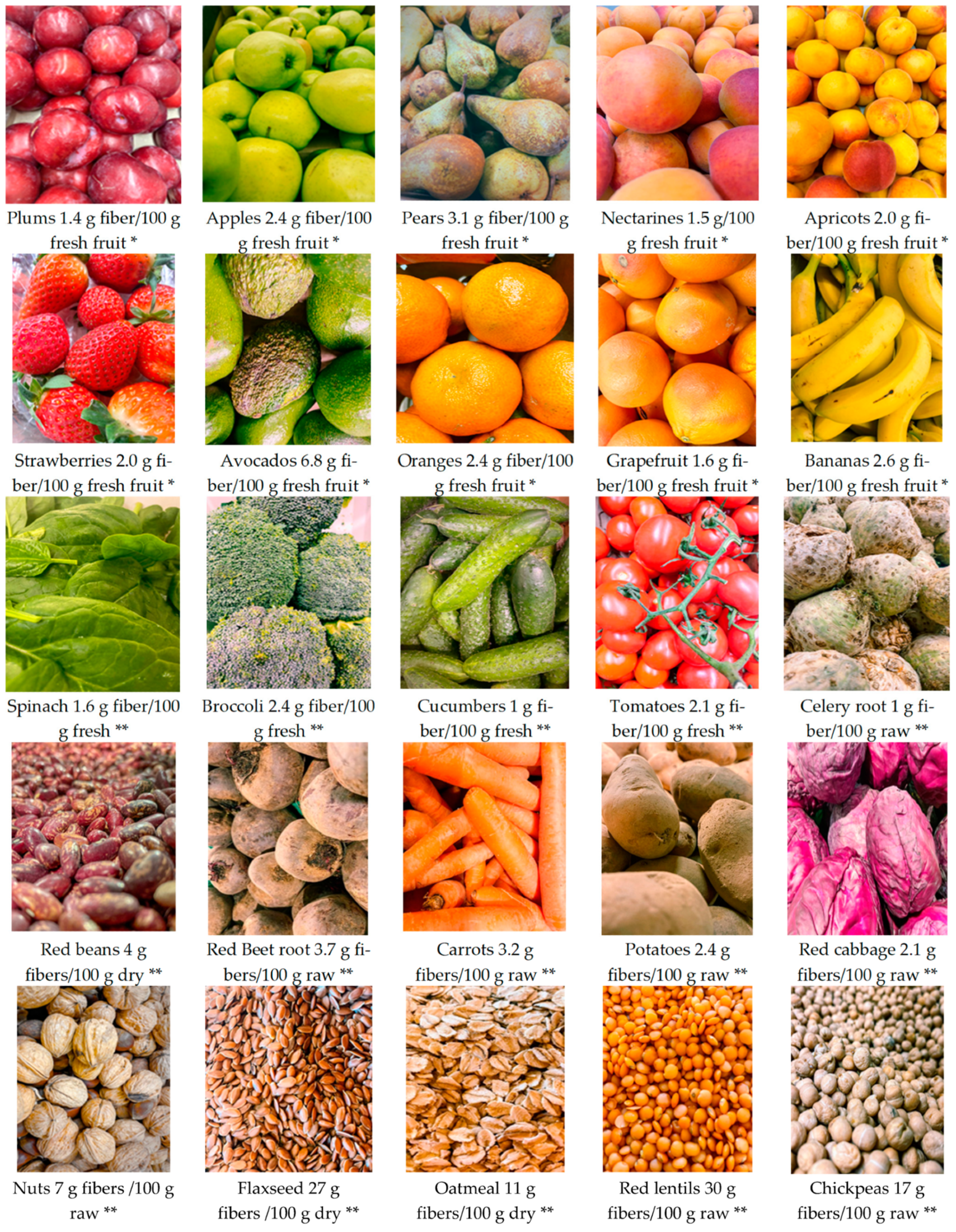
The estimated fiber content of certain vegetable products.1
Soluble fibers dissolve in water to form colloidal or gel-like solutions with viscosities ranging from low-viscosity oligosaccharides to highly viscous fibers like β-glucans, guar gum, and psyllium. Microorganisms within the gastrointestinal tract readily ferment many soluble fibers; however, the extent and rate of fermentation depend on their chemical structure and degree of polymerization.1,3
Comparatively, insoluble fibers like cellulose, hemicellulose, chitin, and lignin do not dissolve in water, are generally non-viscous, and tend to be poorly fermentable or fermented slowly in the colon.1 Most plant foods contain mixtures of soluble and insoluble fibers rather than a single isolated fraction.1,7
Dietary fiber is widely distributed across plant-based foods, with most sources providing a mixture of fiber types. Legumes like lentils, chickpeas, and beans, as well as whole grains such as barley, oats, rye, and whole wheat, provide diverse soluble and insoluble fiber fractions. Psyllium, which is isolated from the husks of Plantago seeds, is a concentrated, highly viscous soluble fiber commonly used in supplements and functional foods. Inulin-type fructans, which are naturally present in onions, garlic, leeks, bananas, asparagus, and Jerusalem artichokes, are other notable fermentable fibers.3
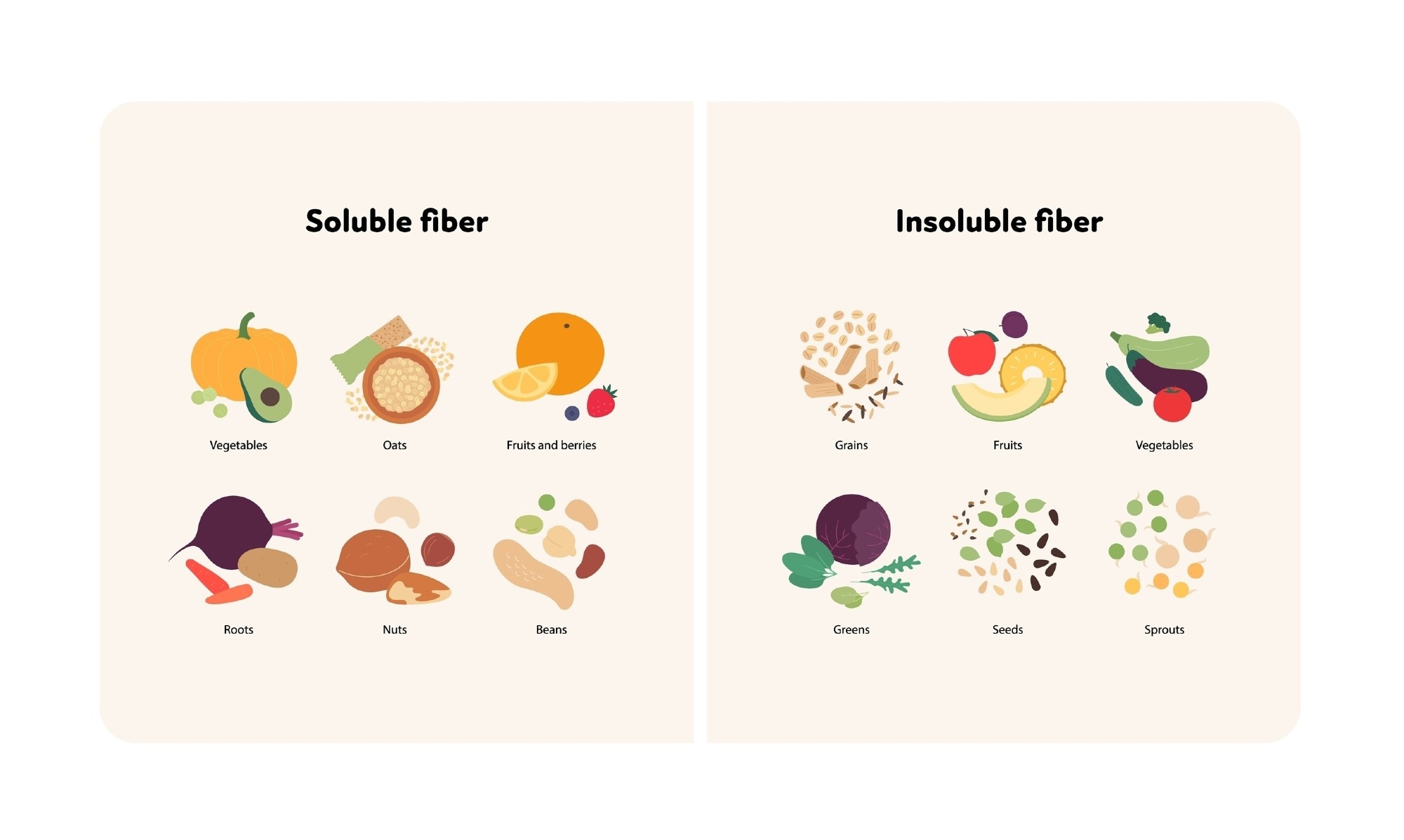 Image Credit: Anastasiia Usenko / Shutterstock.com
Mechanisms of action
Gut microbiota fermentation
Within the colon, soluble fibers selectively enrich saccharolytic bacteria such as Bifidobacterium, Roseburia, Eubacterium, Blautia, and Faecalibacterium.4 These microorganisms convert fiber into SCFAs, primarily acetate, propionate, and butyrate, typically produced in an approximate molar ratio of 3:1:1, which act as metabolic substrates and signaling molecules.
SCFAs also activate G-protein-coupled receptors 41 and 43 (GPR41/43) on enteroendocrine cells to stimulate the release of glucagon-like peptide-1 (GLP-1) and peptide YY (PYY). These hormones enhance glucose-dependent insulin secretion, improve insulin sensitivity, slow gastric emptying, and suppress appetite. Butyrate serves as the primary energy source for colonocytes and promotes tight junction expression, mucin production, and intestinal barrier integrity.4,6 Cross-feeding interactions, such as acetate production by Bifidobacterium supporting butyrate synthesis by Faecalibacterium, further shape metabolic output.4
Human intervention studies consistently demonstrate that high-fiber diets increase SCFA production and may improve glycemic markers; however, changes in overall microbial diversity and taxonomic composition are inconsistent across trials.6 In a large randomized controlled trial of 802 adults with prediabetes, dietary fiber supplementation did not significantly improve the primary endpoint (HbA1c) in the overall cohort, although predefined metabolic subgroups demonstrated glycemic benefit.5 Conversely, impaired SCFA signaling is associated with insulin resistance in both animal and human models.2
Glycemic regulation
Highly viscous soluble fibers form gel-like matrices that slow gastric emptying and reduce glucose diffusion and absorption. In fact, the incorporation of viscous fibers into carbohydrate-rich meals reduces postprandial glucose and insulin levels and lowers the dietary glycemic index. These acute effects are primarily driven by viscosity rather than fermentation. Longer-term improvements in insulin sensitivity appear more closely related to fermentable fiber intake and downstream SCFA signaling.6 Clinical responses vary substantially depending on baseline insulin resistance and microbiome configuration.5,6
Lipid modulation
Soluble fibers bind bile acids in the small intestine, thereby increasing their fecal excretion while promoting hepatic conversion of cholesterol into new bile acids. Concurrently, SCFAs, particularly propionate, may modestly suppress hepatic cholesterol synthesis. Meta-analyses and randomized controlled trials consistently associate higher fiber intake with reductions in total and low-density lipoprotein (LDL) cholesterol and improvements in overall cardiometabolic risk profiles. Whole-grain–derived insoluble fibers are strongly associated with long-term cardiometabolic protection in observational cohorts, although direct lipid-lowering mechanisms are less pronounced.1,2
Fiber types and health outcomes
Viscous soluble fibers have been widely studied for their metabolic benefits. Psyllium, for example, is highly soluble, forms a strong gel with high water-holding capacity, and is minimally fermented.1
This viscosity allows psyllium to trap bile acids, cholesterol, and glucose in the intestinal lumen, reducing their absorption and improving serum LDL cholesterol and postprandial glycemic responses. Other viscous fibers, such as β-glucans and certain pectins, similarly reduce the rate of nutrient diffusion and gastric emptying; however, their fermentability varies.1 Not all soluble fibers are viscous, and not all fermentable fibers exert significant effects on postprandial glycemia.7
Insoluble fibers like cellulose, hemicellulose, and lignin are non-viscous and weakly fermented. Thus, the metabolic effects of insoluble fibers are mechanical, as they increase stool bulk through water retention and accelerated intestinal transit.1 Although direct glycemic or lipid effects are limited, habitual intake of cereal-derived insoluble fiber is consistently linked to lower cardiometabolic risk in population studies.1,2
Prebiotic fibers such as inulin, fructo-oligosaccharides, galacto-oligosaccharides, and resistant starch are selectively metabolized by gut microorganisms, leading to the production of SCFAs and other bioactive metabolites. The consumption of these fermentable fibers has been associated with improvements in glycemic control, inflammation, and gut barrier function, though findings remain heterogeneous and are influenced by baseline metabolic phenotype.5,6
 Image Credit: Tatjana Baibkova / Shutterstock.com
Practical dietary messages
Most public health authorities, including the World Health Organization (WHO), the Food and Agriculture Organization (FAO), and the European Food Safety Authority (EFSA), recommend that adults consume 25-30 grams of fiber per day.1,7 Vegetables, fruits, legumes, whole grains, nuts, and seeds provide a wide range of soluble and insoluble fibers with varying viscosity and fermentability, along with vitamins, minerals, and bioactive polyphenols that collectively support gut and metabolic health.
Dietary fiber is often better tolerated when increased gradually and distributed across meals.7 Nevertheless, fiber supplements may be indicated when dietary intake is inadequate, particularly for older adults, individuals with low energy intake, or those on restricted diets.1,7 Excessive or rapid increases in fiber intake may cause bloating, flatulence, diarrhea, or, in rare cases, intestinal obstruction, particularly without adequate fluid intake.1
Fiber tolerance varies widely and should be personalized to each individual’s gastrointestinal function and clinical context. For example, patients with inflammatory bowel disease should monitor their daily fiber intake based on their disease activity.1
For constipation, gradually increasing fiber intake while maintaining sufficient fluid intake is essential.1 In diarrhea-predominant conditions, individuals may benefit from viscous and low-fermentability fibers that normalize stool consistency.1
Research gaps
Inter-individual variability in gut microbiome composition appears to strongly influence metabolic responses to fiber. Baseline metabolic phenotype, insulin resistance, and microbial configuration can predict responsiveness to dietary fiber interventions.5 Although fiber fermentation and SCFA production are well established, the mechanisms by which identical fibers produce divergent metabolic outcomes across individuals remain poorly understood.
To date, most intervention trials have been short-term, whereas high-fiber diets are challenging to maintain due to gastrointestinal intolerance.6 It remains unclear whether early improvements in glycemic control or lipid metabolism lead to durable responses and how chronic low-fiber intake may alter microbial adaptability over time.
Taken together, these limitations underscore the need for standardized, longitudinal studies that integrate dietary patterns, microbiome dynamics, metabolic phenotyping, and clinical outcomes.
References
- Ioniță-Mîndrican, C., Ziani, K., Mititelu, M., et al. (2022). Therapeutic Benefits and Dietary Restrictions of Fiber Intake: A State of the Art Review. Nutrients 14; 2641. DOI: 10.3390/nu14132641. https://www.mdpi.com/2072-6643/14/13/2641
- Bulsiewicz, W. J. (2023). The Importance of Dietary Fiber for Metabolic Health. American Journal of Lifestyle Medicine 17(5); 639. DOI: 10.1177/15598276231167778. https://journals.sagepub.com/doi/10.1177/15598276231167778
- Khalid, W., Arshad, M. S., Jabeen, A., et al. (2022). Fiber‐enriched botanicals: A therapeutic tool against certain metabolic ailments. Food Science & Nutrition 10(10); 3203. DOI: 10.1002/fsn3.2920. https://onlinelibrary.wiley.com/doi/10.1002/fsn3.2920
- Meiners, F., Ortega-Matienzo, A., Fuellen, G., & Barrantes, I. (2025). Gut microbiome-mediated health effects of fiber and polyphenol-rich dietary interventions. Frontiers in Nutrition 12. DOI: 10.3389/fnut.2025.1647740. https://www.frontiersin.org/journals/nutrition/articles/10.3389/fnut.2025.1647740/full
- Song, D., Feng, G., Ma, Y., et al. (2025). Gut microbiome predicts personalized responses to dietary fiber in prediabetes: A randomized, open-label trial. Nature Communications 16(1); 11506. DOI: 10.1038/s41467-025-66498-x. https://www.nature.com/articles/s41467-025-66498-x
- Pugh, J. E. & Chambers, E. S. (2025). Dietary fibre and the gut microbiome: implications for glucose homeostasis. Current Opinion in Clinical Nutrition and Metabolic Care 28(6); 483-488. DOI: 10.1097/MCO.0000000000001160. https://journals.lww.com/co-clinicalnutrition/fulltext/2025/11000/dietary_fibre_and_the_gut_microbiome__implications.9.aspx
- McKeown, N. M. & Slavin, J. (2022). Fibre intake for optimal health: How can healthcare professionals support people to reach dietary recommendations? The BMJ 378. DOI: 10.1136/bmj-2020-054370. https://www.bmj.com/content/378/bmj-2020-054370
Further Reading
Last Updated: Feb 23, 2026
 Could eating whey protein before meals help reduce blood sugar spikes?