A new review finds that while the carnivore diet may deliver short-term improvements, weak evidence and emerging risks make long-term adherence a gamble for health.
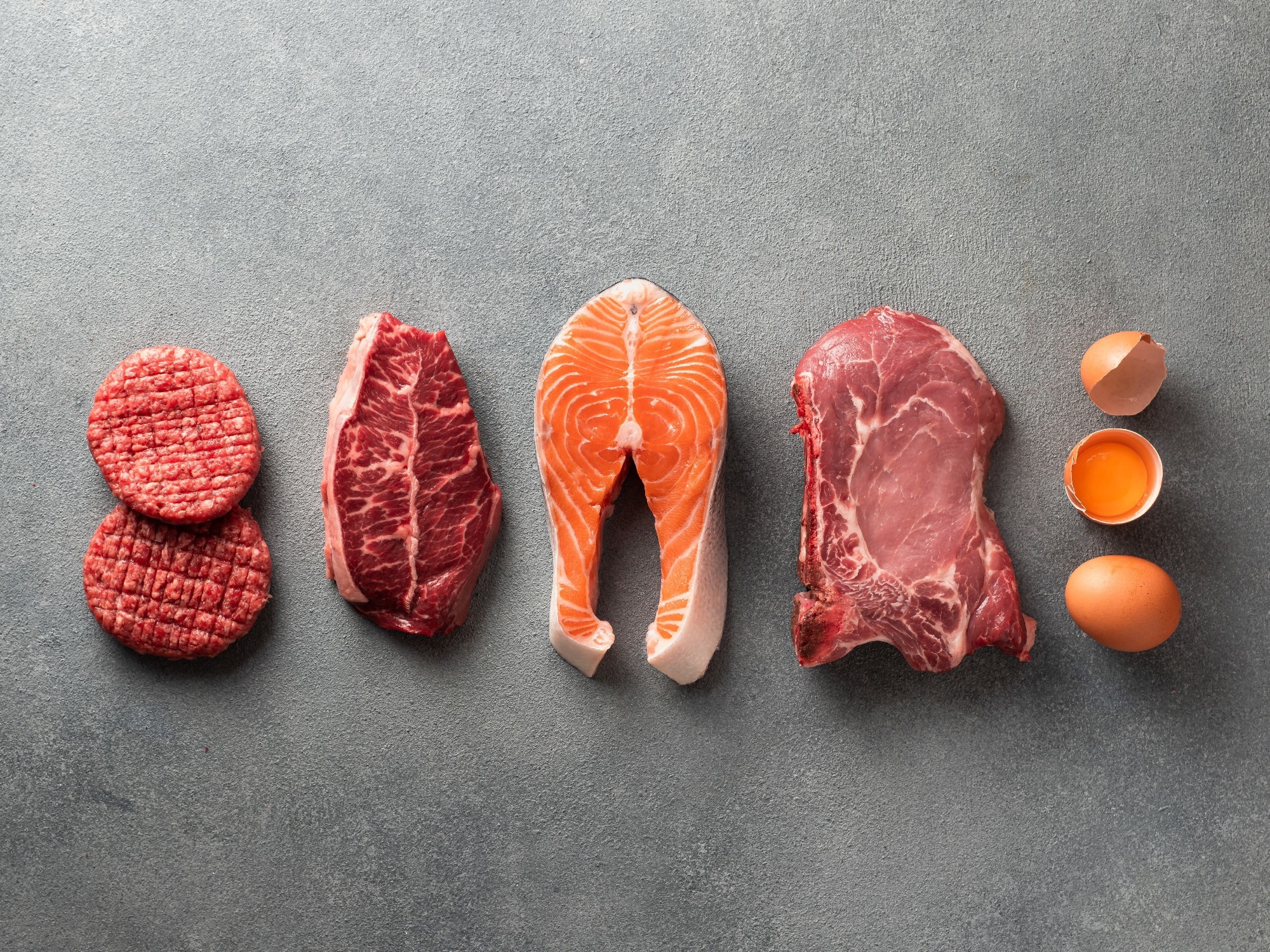 Study: Carnivore Diet: A Scoping Review of the Current Evidence, Potential Benefits and Risks. Image Credit: Fascinadora / Shutterstock.com
In a recent review published in Nutrients, researchers determined the nutritional adequacy and health effects of the carnivore diet (CD).
What is the CD?
The CD is characterized by minimally processed animal-based foods like fish, meat, eggs, seafood, animal fats, and full-fat dairy products, and, as a result, can also be considered a low-carbohydrate/high-fat dietary pattern. The CD has been claimed to be associated with numerous health benefits, including weight reduction, self-reported improvements in physical and cognitive performance, and a reported reduction in the risk of developing chronic diseases such as diabetes, dyslipidemia, hypertension, and gastrointestinal disorders.
These purported benefits are attributed to the lack of exposure to antinutritional compounds (ANs) found in plant-based foods, including enzyme inhibitors, lectins, phytic acid, oxalic acid, tannins, goitrogens, and saponins, which are secondary plant metabolites that may interfere with nutrient absorption.
Importantly, the lack of plant-based foods in the CD also prevents intake of important phytochemicals, dietary fiber, and essential micronutrients. Furthermore, the high intake of animal-based foods, particularly red and processed meat, is consistently associated, in broader epidemiological studies, with a greater risk of cardiovascular diseases, certain cancers, and mortality.
About the review
The researchers of the current study reviewed available literature to determine the nutritional adequacy and health effects of following a CD. Studies reporting 10 % or more of energy intake from plant-based foods, in vitro studies, preprints, animal studies, reviews, conference papers, book chapters, and unpublished studies were excluded from the analysis. Search results were deduplicated, and titles/abstracts were screened to exclude non-relevant records.
Full texts of the remaining studies were analyzed, and relevant data were extracted and synthesized. Overall, nine eligible studies published between 2021 and 2025 were analyzed, of which included five case studies, two surveys, one comparative modeling study, and one exploratory study. Five studies were conducted in Europe and four in the United States, with the definition of CD varying across studies.
Nutritional adequacy and cardiometabolic effects of the CD
All but three studies completely excluded plant-based foods. Four studies explicitly focused on red meat, two of which emphasized high-fat meat intake, and one on lean meat intake.
In one study, CD was used as an elimination diet but was subsequently transitioned to a ketogenic meat-centered pattern. Similarly, another study evaluated a ketogenic CD variant. In one survey, respondents followed a zero-carbohydrate diet that primarily involved meat, including organ meats.
Three studies examined health status, dietary behaviors, and sociodemographic and anthropometric features using questionnaires. Two studies developed and assessed theoretical dietary plans based on nutrient intake, rather than the healthy eating index or dietary reference values (DRVs).
Furthermore, three studies evaluated the effects of CD on urological, gynecological, and gastrointestinal conditions. One study compared the functionality and diversity of the gut microbiome between an omnivorous diet and CD.
In two studies, multiple nutrients were categorized as insufficient compared to DRVs. More specifically, reported intakes were below the DRVs for thiamin, magnesium, iron, calcium, potassium, iodine, folate, and vitamins C and D.
Whereas dietary fiber intake was lower than recommended levels, vitamin A intake exceeded recommended levels, particularly in diets high in liver-derived retinol. Four studies reported self-reported or clinically observed positive effects on disease course, allowing for discontinuation or reduction of medication in some cases. In one study, several laboratory parameters, including the triglyceride-to-high-density lipoprotein cholesterol ratio, C-reactive protein, and γ-glutamyl transferase, improved during CD.
Another study reported improvements in iron status and reductions in fecal calprotectin in individuals with inflammatory bowel disease. However, both studies also observed increases in total cholesterol (TC), platelet counts, and low-density lipoprotein cholesterol (LDL-C) levels. Triglycerides and glycated hemoglobin improved in individuals with metabolic disorders who initiated CD, although LDL-C and TC were significantly elevated.
One case report observed deterioration of the patient’s health while following the CD, with an unfavorable 24-hour urine profile. One year after CD cessation, this patient no longer experienced kidney stones.
One study found no significant differences in gut microbiome diversity and functionality between an omnivorous diet and CD. Motivations for adopting a CD included perceived health benefits, and to a lesser extent, ethical considerations, and perceptions of naturalness.
Many people reported improvements in overall health while emphasizing the simplicity of the diet and positive sensory experience associated with consuming animal-based foods. Notably, one study found that people following a zero-carbohydrate/CD lifestyle often had social conflict outside the CD community, including challenges interacting with healthcare professionals and tensions within friendship and family networks.
Conclusions
Following the CD may provide short-term health improvements, with these effects likely attributed to placebo responses, subjective perceptions, and ketosis-related metabolic adaptations. However, the CD may increase the risk of cardiovascular and renal complications, as well as micronutrient deficiencies, low fiber intake, and adverse lipid profile changes.
Due to limitations in the existing scientific evidence on CD, including the lack of control groups, short intervention durations, and small sample sizes, it is not possible to assess the long-term safety of CD. Thus, long-term adherence cannot be recommended.
Download your PDF copy now!
Journal reference:
- Lietz, A., Dapprich, J., & Fischer, T. (2026). Carnivore Diet: A Scoping Review of the Current Evidence, Potential Benefits and Risks. Nutrients 18(2); 348. DOI: 10.3390/nu18020348. https://www.mdpi.com/2072-6643/18/2/348
 Scientists studied diet and lung cancer in 95,612 adults. One eating pattern stood out