Introduction
Beyond Taste: Why Food Texture Matters
What Is Food Texture?
Chewing, Eating Rate, and Appetite Regulation
Food Texture, Digestion, and Metabolism
The Brain-Gut Connection
Food Texture, Ultra-Processed Foods, and Modern Eating Patterns
Can Food Texture Be Used to Improve Health?
Conclusions: Looking Beyond Nutrients
References
Further reading
Two meals can contain the same nutrients yet differ in their physical structure. What happens between the first bite and digestion may help explain why their effects vary.
 Image Credit: New Africa / Shutterstock.com
Introduction
Two meals with identical nutrients can produce different appetite responses when their physical forms and chewing requirements differ. A growing body of research suggests that how food is chewed, how quickly it passes through the mouth, and how it breaks apart may influence intake and digestion alongside its nutrient composition.1,3
Beyond Taste: Why Food Texture Matters
Nutrition research has traditionally centered on nutrient composition and energy density when assessing dietary effects on health, with less attention to food's physical structure.1
Texture influences how food is handled in the mouth, how long it takes to eat, and the properties of the swallowed bolus, the chewed food mixed with saliva. Properties such as hardness, thickness, and lubrication influence oral processing time, chewing effort, and eating pace, while the underlying food matrix can affect energy and nutrient absorption.1
Studies identify physical structure as a contributor to appetite regulation and metabolic response that can operate independently of differences in calorie or nutrient content. Research suggests that two foods made from identical ingredients can behave differently once consumed if they differ in their textures, since oral processing, as well as how food changes and empties from the stomach, depend on both structure and composition. These findings support further investigation of texture and matrix effects in weight management and glycemic control.1
What Is Food Texture?
Food texture refers to the combination of mechanical, geometric, and surface qualities perceived through touch, sight, sound, and oral processing. Food scientists use traits such as hardness, chewiness, crunch, viscosity, creaminess, and particle size to characterize texture.1,2 These properties are measured through instrumental methods such as compression and puncture testing, while trained sensory panels are employed to describe perceived attributes such as firm, smooth, or sticky, including how textures change during oral processing.2
Processing can alter food structure without necessarily changing its overall macronutrient composition. Grinding, pureeing, and heating can disrupt cell walls or change structural resistance, affecting how readily digestive enzymes reach nutrients. These effects vary by food and treatment, as heating can also alter heat-sensitive nutrients.1
This distinction between nutrient content and physical form is central to the food matrix concept, which describes how nutrients are embedded within a food's cellular and structural architecture and interact with surrounding components. Texture describes perceived physical properties, while the matrix describes how the food's components are organized. The two are related, but mouthfeel alone does not fully describe how a food behaves during digestion.1
Elasticity and texture of food
Chewing, Eating Rate, and Appetite Regulation
Harder foods and foods with greater structural resistance generally require more chewing and a slower eating pace. A systematic review of 29 studies found that solid foods produced lower hunger ratings than liquid foods, but its meta-analysis found no overall difference in fullness by food form. Higher-viscosity foods also increased fullness relative to thinner counterparts, suggesting that, beyond food hardness, resistance to flow also influences satiety.3
These effects involve both satiation, the processes that end a meal, and satiety, the suppression of hunger between meals. Slower eating lengthens the time taste and texture signals reach the brain. This extended exposure to taste and texture in the mouth, also known as oro-sensory exposure, can reduce intake within a meal. Rapid consumption and shorter oral exposure may contribute to the weaker appetite suppression often observed after energy-containing liquids compared with solid foods.1,3
The meta-analysis found no statistically clear overall reduction in subsequent freely chosen food intake for solid and semi-solid versus liquid foods, or for higher- versus lower-viscosity foods. The solid-versus-liquid subgroup showed a borderline reduction in intake, warranting cautious interpretation. Individual studies differed, partly reflecting differences in food composition and the interval before the next meal. These observations suggest that changes in hunger or fullness do not necessarily translate into eating less afterward.3
 Image Credit: jkcDesign / Shutterstock.com
Food Texture, Digestion, and Metabolism
Once food leaves the mouth, its physical form continues to shape how quickly nutrients reach the bloodstream. Gastric emptying, influenced by energy content, composition, particle size, and structural changes during digestion, determines how quickly nutrients enter the small intestine for absorption. Milk is a good example of this matrix-driven control, as its low glycemic index reflects several interacting factors, including lactose properties, gastric handling of milk proteins and fat, and the insulin-stimulating effects of proteins.4
Viscosity can also influence digestion across carbohydrate-containing foods and beverages. Greater viscosity may slow gastric emptying or nutrient transport; however, these effects depend on the formulation and whether viscosity persists during digestion.1,3
Plant-based dairy alternatives vary widely in carbohydrate type, protein content, and glycemic properties. Rice drinks often have higher glycemic index values than milk, while some soy drinks have similarly low values.
The glycemic index describes the blood glucose response to a standardized amount of available carbohydrate, whereas glycemic load accounts for the amount of carbohydrate in a serving. Several comparisons use laboratory estimates, rather than human measurements, and a lower carbohydrate content can reduce glycemic load per serving even when glycemic index is higher.4
Whole apples, apple puree, and apple juice can also produce different glucose and insulin responses because processing changes cellular structure, particle size, and carbohydrate accessibility. Together, these findings suggest that metabolic response reflects interactions between nutrient composition and food structure.4
The Brain-Gut Connection
Oral processing provides sensory input that may influence appetite and anticipatory digestive responses. Gut peptides including glucagon-like peptide-1 (GLP-1), peptide YY, ghrelin, and cholecystokinin all participate in appetite regulation, rising or falling in response to food intake and helping determine when hunger subsides.3,5
These post-meal responses should be distinguished from cephalic phase responses, which occur before nutrient absorption. A systematic review of food-cue studies examined anticipatory insulin and pancreatic polypeptide release and found little evidence that these responses consistently influence satiation or glucose regulation in humans.6
A separate systematic review of 71 studies found that certainty of evidence linking chewing function to swallowing and gastrointestinal outcomes ranged from low to very low by GRADE criteria, a standardized system for rating certainty of evidence. In this review, only two of eight studies measuring gut peptides detected a texture effect. Those findings did not consistently favor solid or thicker foods: some hormone responses were greater after liquid or lower-viscosity versions.3
These mixed findings show why changes in perceived fullness cannot automatically be attributed to increased secretion of appetite-suppressing hormones. Oral exposure, gastric distension, nutrient delivery, and expectations about food may all contribute, but their relative roles remain incompletely resolved.1,3,5,6
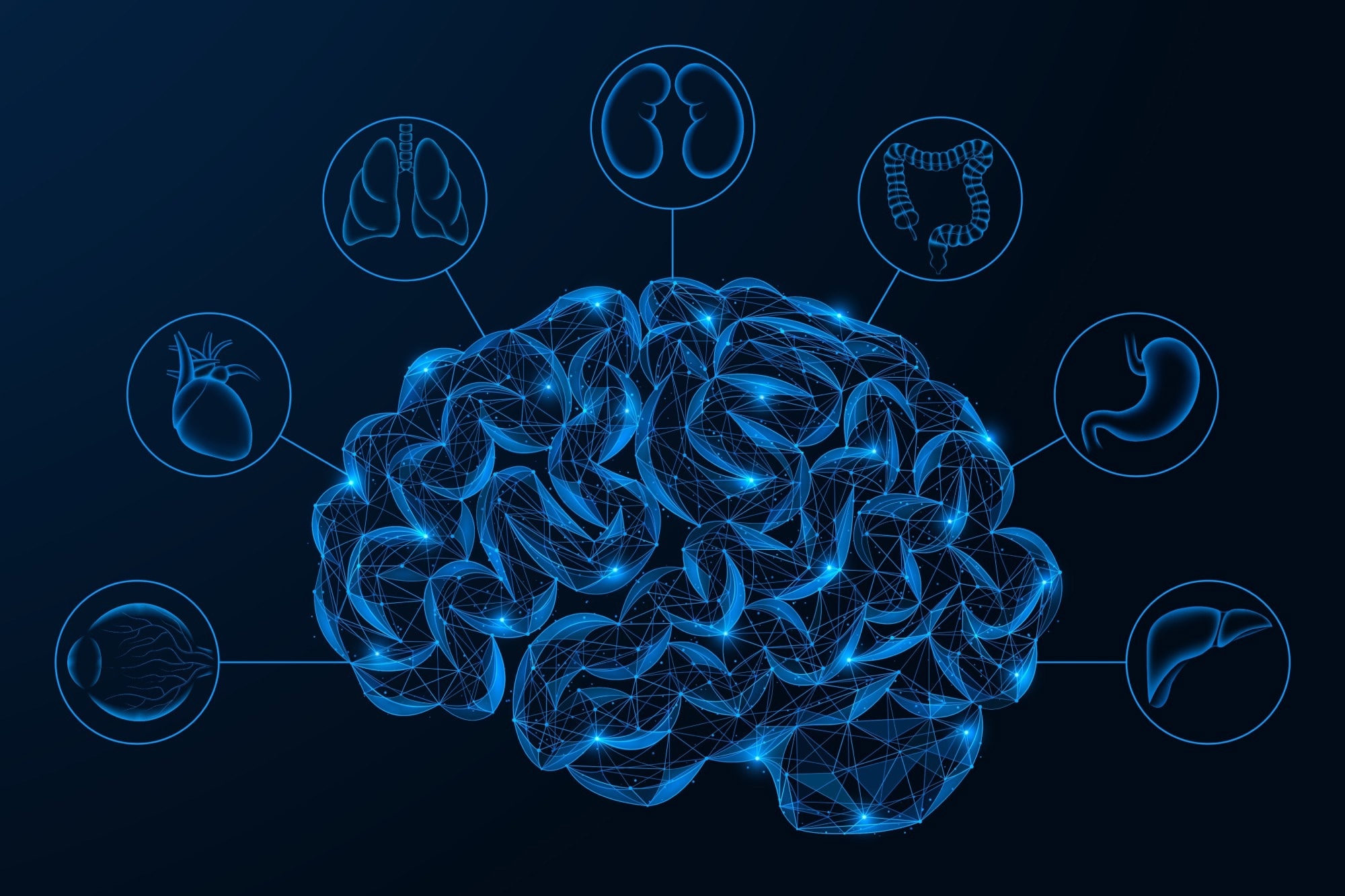 Image Credit: Ilya Lukichev/ Shutterstock.com
Food Texture, Ultra-Processed Foods, and Modern Eating Patterns
Food processing can change texture, composition, and matrix structure simultaneously, making it difficult to isolate their individual contributions.1,8 Industrial ultra-processing can break down a food's internal matrix, leaving products softer and quicker to eat than minimally processed alternatives, with faster eating rates promoting greater energy intake, particularly for energy-dense foods.1,8
In controlled feeding studies, the energy intake rate, measured in calories per minute, averaged nearly twice as high for ultra-processed as for minimally processed foods. A crossover trial comparing hard- and soft-textured meals found greater energy intake with ultra-processed meals at both texture levels than with minimally processed meals with comparable textures. Higher energy density also contributed, preventing attribution of the difference to texture alone.8
Texture is not the only distinguishing property. In some comparisons, ultra-processed foods also have lower water content than minimally processed or processed foods, which extends shelf life but increases energy density.8
An umbrella review associated higher ultra-processed food consumption with obesity and type 2 diabetes, though its observational evidence cannot establish that texture or matrix disruption causes these outcomes.7 Loss of food structure, palatability, and convenience are proposed contributors to intake, with their individual effects difficult to separate.1,7,8
In this sense, texture may be one of several overlapping features, alongside energy density and food matrix disruption, that help explain differences between foods across processing categories. Texture varies within each category, and processing can also improve nutrient accessibility or produce structures that slow consumption.1,8
A transformative new way of classifying foods 🍔🍕🍟 BBC
Can Food Texture Be Used to Improve Health?
Texture can influence eating pace, appetite responses, and nutrient release, making it a potential target for dietary intervention across diverse populations and age groups. In clinical nutrition, texture modification is already used for managing dysphagia, an impairment of swallowing that can compromise food intake and nutritional status. Here, modification aims to support safe swallowing and adequate intake, often through softer foods or appropriately thickened liquids selected according to an individual's swallowing assessment.2
The International Dysphagia Diet Standardization Initiative provides standardized descriptions across eight levels, from 0 to 7, covering liquid thickness and food texture. This allows clinicians to prescribe textures suited to a patient's swallowing capacity; however, the classification does not establish nutritional adequacy; nutrient content and actual consumption require separate assessment.2
Food engineers are also examining texture as a tool for healthy aging, obesity treatment, and improved dietary adherence. Some short-term trials of gel-based foods have altered hunger ratings or reduced subsequent intake without adding calories. These findings establish experimental possibilities rather than proven long-term treatments.3
Reformulating everyday foods to increase chewing time may help reduce intake within a meal while maintaining palatability. The challenge lies in balancing the changes, since large increases in hardness can reduce sensory appeal. Smaller adjustments, such as adding solid particles to semi-solid foods, have slowed eating in experimental studies. For product development, the practical question is whether these effects persist during repeated consumption while foods remain acceptable to consumers.1,3
Conclusions: Looking Beyond Nutrients
Food texture is a measurable food dimension that contributes to eating behavior. The evidence from oral processing studies, satiety trials, and glycemic response studies shows that food form, perceived texture, and underlying matrix structure can affect different stages of intake and digestion. These properties act alongside composition, with the clearest experimental evidence concerning short-term eating behavior.1,3,4,8
While evidence certainty varies considerably across these mechanisms, and many documented associations rely on modest sample sizes or short-term interventions, the findings support assessing physical food properties alongside nutrient content.1,3,5 Longer studies are needed to establish whether texture-based changes produce sustained improvements in energy intake, body weight, or metabolic health.1,8
References
- Forde, C. G., & Bolhuis, D. (2022). Interrelations Between Food Form, Texture, and Matrix Influence Energy Intake and Metabolic Responses. Current Nutrition Reports 11(2), 124–132. DOI: 10.1007/s13668-022-00413-4. https://link.springer.com/article/10.1007/s13668-022-00413-4
- Raheem, D., Carrascosa, C., Ramos, F., et al. (2021). Texture-Modified Food for Dysphagic Patients: A Comprehensive Review. International Journal of Environmental Research and Public Health 18(10), 5125. DOI: 10.3390/ijerph18105125. https://www.mdpi.com/1660-4601/18/10/5125
- Stribiţcaia, E., Evans, C. E. L., Gibbons, C., et al. (2020). Food texture influences on satiety: systematic review and meta-analysis. Scientific Reports 10(1), 12929. DOI: 10.1038/s41598-020-69504-y. https://www.nature.com/articles/s41598-020-69504-y
- Shkembi, B., & Huppertz, T. (2023). Glycemic Responses of Milk and Plant-Based Drinks: Food Matrix Effects. Foods, 12(3), 453. DOI: 10.3390/foods12030453. https://www.mdpi.com/2304-8158/12/3/453
- Kumar, A., Almotairy, N., Merzo, J. J., et al. (2023). Chewing and its influence on swallowing, gastrointestinal and nutrition-related factors: a systematic review. Critical Reviews in Food Science and Nutrition 63(33), 11987–12017. DOI: 10.1080/10408398.2022.2098245. https://www.tandfonline.com/doi/full/10.1080/10408398.2022.2098245
- Lasschuijt, M. P., Mars, M., de Graaf, C., & Smeets, P. A. M. (2020). Endocrine Cephalic Phase Responses to Food Cues: A Systematic Review. Advances in Nutrition (Bethesda, Md.) 11(5), 1364–1383. DOI: 10.1093/advances/nmaa059. https://www.sciencedirect.com/science/article/pii/S2161831322000606?via%3Dihub
- Lv, J. L., Wei, Y. F., Sun, J. N., et al. (2024). Ultra-processed food consumption and metabolic disease risk: an umbrella review of systematic reviews with meta-analyses of observational studies. Frontiers in Nutrition 11, 1306310. DOI: 10.3389/fnut.2024.1306310. https://www.frontiersin.org/journals/nutrition/articles/10.3389/fnut.2024.1306310/full
- Dicken, S. J., & Batterham, R. L. (2024). Ultra-processed Food and Obesity: What Is the Evidence?. Current Nutrition Reports 13(1), 23–38. DOI: 10.1007/s13668-024-00517-z. https://link.springer.com/article/10.1007/s13668-024-00517-z
Further Reading
Last Updated: Nov 4, 2026