Researchers examined the diets and kidney health of more than 27,000 Chinese adults, uncovering intriguing differences between whole beans, processed soy foods, and the associations observed in women and men.
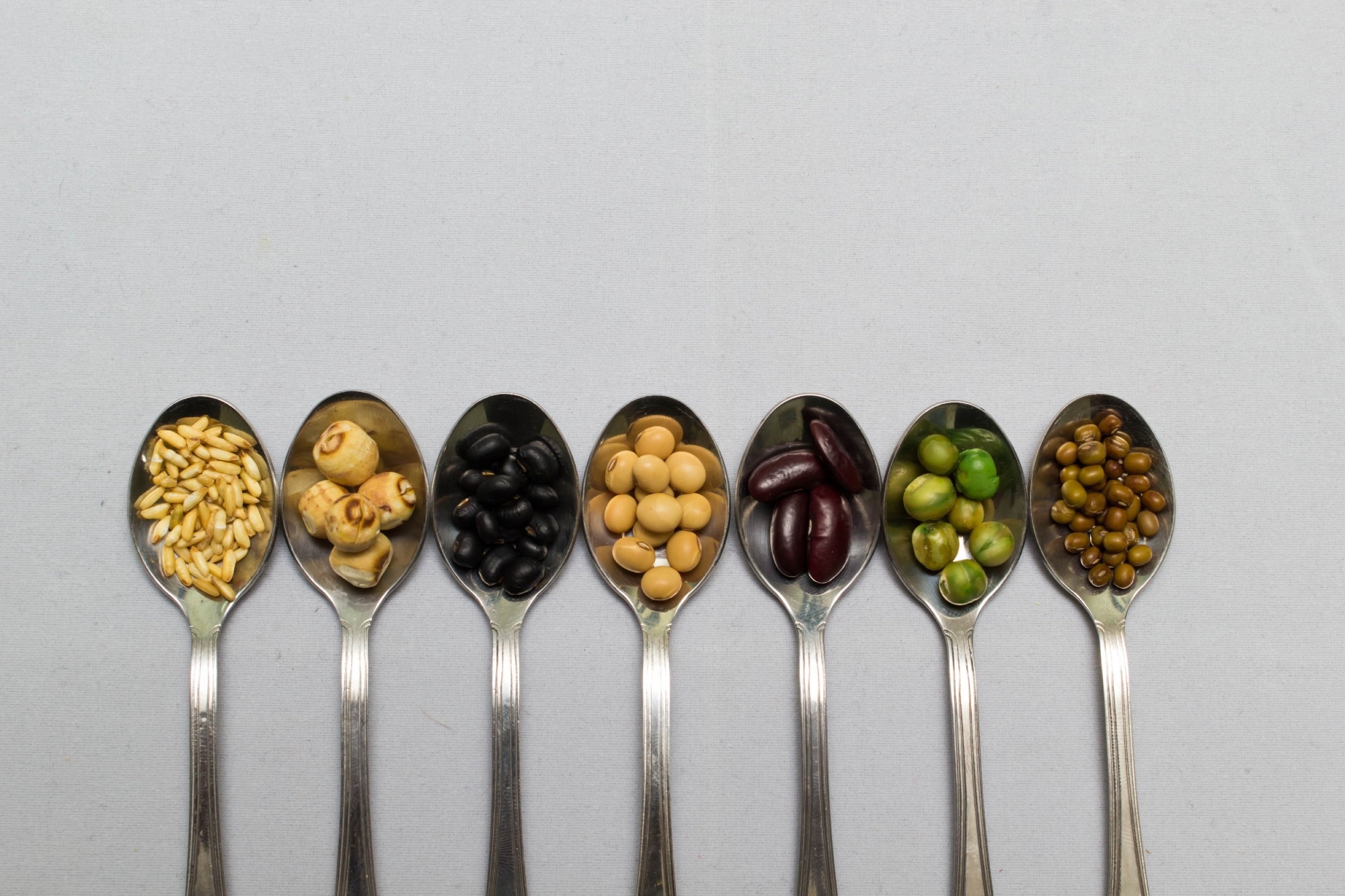
Study: Associations of beans, bean products, and soy isoflavone intake with chronic kidney disease: a cross-sectional study. Image Credit: Norwood Audrey Jared / Shutterstock
A recent study published in Nutrition Journal found that higher consumption of soy isoflavones and bean products was associated with lower odds of having chronic kidney disease (CKD). Each standard deviation increase in bean product intake was associated with 15% lower odds of CKD. Those with the highest soy isoflavone intake had 30% lower odds than those with the lowest intake. Plain bean intake showed no significant association. The findings may help guide future research into dietary approaches to kidney health.
Laboratory research has identified compounds in beans and soy that may help limit inflammation and oxidative damage in the kidneys. Whether eating these foods offers similar benefits in humans is still an open question, as evidence from large population studies remains limited. Earlier epidemiological research focused mainly on rural Chinese populations, and large studies examining soy isoflavones separately have been scarce.
About the study
In the present cross-sectional study, the researchers examined whether consumption of beans, bean products, and soy isoflavones was related to CKD prevalence among adults enrolled in the Northeast China Biobank (NEC-Biobank) study.
The NEC-Biobank originally recruited 36,376 adults between July 2018 and December 2019 from Heilongjiang, Jilin, Liaoning, and Inner Mongolia. After excluding participants with missing data, cancer, implausible calorie intake, extreme values, or self-reported CKD, 27,003 adults remained for analysis. Participants completed a validated 110-item Food Frequency Questionnaire (FFQ) to provide dietary information for the previous year. The researchers adjusted dietary estimates for total calorie intake using information from the sixth edition of China's food composition database.
Beans included mung beans, soybeans, snap beans, and bean sprouts. Bean products, including dried tofu, soy milk, and tofu pudding, were also assessed. The team divided the participants into four groups based on their combined bean and bean product intake. They applied the same approach to soy isoflavones, using energy-adjusted estimates to compare participants with lower and higher consumption. These categories were designed for statistical analysis rather than as dietary targets.
Participants with eGFR below 60 mL/min/1.73 m² or protein in urine (proteinuria) were classified as having CKD in the analysis. The eGFR value was calculated using the 2021 Chronic Kidney Disease Epidemiology Collaboration (CKD-EPI) creatinine equation. Blood samples were used to measure glucose and serum creatinine, while urine samples were collected to detect protein, red blood cells (RBCs), and occult blood.
The team identified common dietary patterns and used statistical models to examine associations between soy isoflavone, bean, and bean product intake and CKD prevalence, including whether these relationships changed at different consumption levels. They considered variables such as age, sex, ethnicity, body mass index (BMI), comorbidities, smoking habits, alcohol intake, education, income, physical activity, calorie intake, and dietary patterns for analysis.
In sensitivity analyses, the researchers excluded participants younger than 40 years and those with recent dietary changes, and also adjusted for red meat, protein, and sodium intake and hyperuricemia diagnosis. The National Kidney Foundation's Kidney Disease Outcomes Quality Initiative (KDOQI) guidelines were applied in a separate sensitivity analysis to assess the findings under alternative diagnostic criteria. Researchers also examined proteinuria and reduced eGFR separately.
Results and discussion
Out of 27,003 individuals, 900 (3.3%) were identified as having CKD, nearly 65% were women, and most were aged above 50 years. Those who consumed more soy isoflavones tended to be older women with lower incomes, less formal education, and a greater prevalence of hypertension and diabetes, but had lower rates of drinking and smoking. They reported lower carbohydrate and total calorie intake, with higher protein and fat intake overall. Fasting blood glucose levels were higher, whereas serum uric acid levels were lower.
After accounting for demographic, clinical, and dietary factors, participants in the Q4 group for combined bean and bean product intake had 33% lower odds of having CKD than those in the Q1 group; for bean products alone, the figure was 37%. Plain bean intake was not significantly associated with CKD. The highest soy isoflavone intake group also had 30% lower odds of CKD than the lowest-intake group.
Daidzein, glycitein, and genistein were each associated with lower odds of CKD. The inverse associations for bean products, daidzein, and glycitein were steepest at lower intakes before leveling off. Combined bean and bean product intake and total soy isoflavone intake showed approximately linear patterns. Estimates at extremely high intakes were less certain.
Sensitivity analyses yielded similar results. Subgroup analyses showed broadly consistent inverse associations for total bean and bean product intake, but these did not reach statistical significance among participants younger than 50 years, those of Han ethnicity, or those with BMI below 24 kg/m². For soy isoflavones, the inverse association was stronger in women than in men, with a statistically significant difference between the sexes.
Earlier experimental studies suggest that soy isoflavones such as genistein and daidzein may influence kidney inflammation, tissue scarring, and protein loss in urine. Genistein has also been studied for effects on nuclear factor kappa B (NF-κB) and extracellular signal-regulated kinase (ERK) signaling. These mechanisms were not tested in the NEC-Biobank participants.
The findings suggest that people with higher bean product and soy isoflavone intakes were less likely to have CKD at the time of assessment, but the study cannot establish that these foods prevent the disease. The reliance on self-reported diets and a single kidney assessment raises concerns about recall error and CKD misclassification, since a diagnosis requires persistent abnormalities for at least three months. Missing data, unmeasured factors, and the study’s regional population also limit interpretation.
Looking ahead, researchers should conduct larger prospective studies to determine whether the observed associations could translate into meaningful benefits for kidney health in adults. Studies involving people with diabetes or hypertension could be particularly informative because both conditions increase the risk of kidney disease.
Source:
Journal reference:
- Zhang, S., Ji, C., Xia, Y. et al. (2026). Associations of beans, bean products, and soy isoflavone intake with chronic kidney disease: a cross-sectional study. Nutrition Journal, 25, 119. DOI: 10.1186/s12937-026-01380-0, https://link.springer.com/article/10.1186/s12937-026-01380-0
 Nephrologist shortages linked to higher kidney disease mortality along US-Mexico borde