Introduction
Limitations of Traditional Malaria Models
Advances in Liver Stage and Multi-Stage In Vitro Models
Stem Cell-Derived and Engineered Host Systems
High-Throughput Screening Compatible Platforms
Challenges and Knowledge Gaps
Toward an Integrated Malaria Model Ecosystem
References
Further Reading
Advanced in vitro systems such as organoids, microphysiological platforms, and iPSC-derived tissues are transforming malaria research by overcoming the limitations of traditional models. These innovations enable more accurate study of parasite biology, particularly liver-stage infection and dormancy, accelerating drug discovery and therapeutic development.
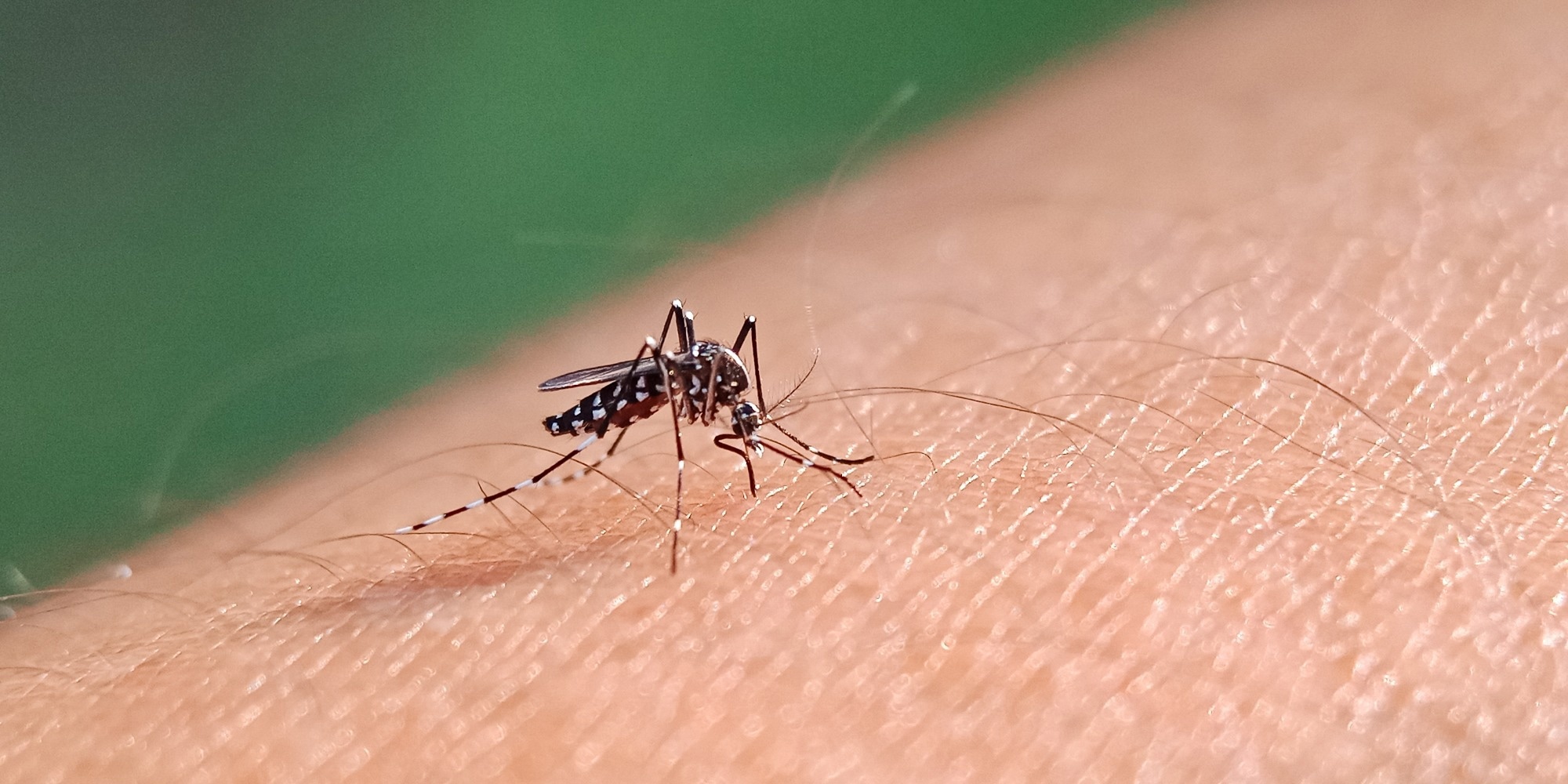 Image credit: Niny2405/Shutterstock.com
Despite decades of global control measures and extensive research on the causative agent, Plasmodium, malaria continues to infect millions each year. It remains a major threat to public health in many parts of the world. Recent estimates indicate that over 200 million cases and hundreds of thousands of deaths still occur annually, with progress in reducing incidence having plateaued in recent years. This persistence of the disease in many regions of the world highlights the urgent need for improved research models and therapeutic strategies to combat malaria.2
Introduction
Malaria remains a challenge to global public health, affecting millions of people worldwide, and remains endemic in many regions despite control measures. The etiological agent, the Plasmodium parasite, has a complex lifecycle that involves mosquito vectors and human hosts at distinct developmental stages. These stages include an asymptomatic liver phase followed by symptomatic intraerythrocytic cycles responsible for clinical disease manifestations.1,2
Although there has been significant progress in reducing the morbidity and mortality associated with malaria, the emergence of drug resistance and the lack of an effective vaccine have emphasized the need for novel therapeutic interventions. Historically, the biology of Plasmodium and the evaluation of antimalarial drug candidates have been conducted using traditional cell cultures and animal models. However, these systems often fail to capture the physiological intricacies of the human infection stage of the Plasmodium lifecycle, particularly during the critical liver stage, in hepatocytes. Conventional 2D cultures lack multicellular interactions, biomechanical cues, and long-term stability, which can alter cell identity and reduce physiological relevance.1-3
This article explores the transition from conventional parasite models to advanced in vitro models, including microphysiological systems and stem cell-derived tissues. These innovations are offering new opportunities for drug discovery and bringing hope for the effective management of chronic parasitic diseases.4
Limitations of Traditional Malaria Models
The primary roadblock in the development of new anti-malarial drugs has been the lack of appropriate culture or model systems that can accurately predict the clinical efficacy of candidate drugs. This limitation is a major contributor to the failure to translate preclinical findings into successful clinical outcomes.2,3
While standard Plasmodium falciparum blood-stage cultures have been instrumental in studying the parasite, they do not accurately represent the systemic impact the parasite has across multiple organs in the human body. These blood-stage cultures are two-dimensional monolayers that lack the complex cellular architecture and mechanical cues found in the human body, leading to potential failures in assessing drug safety and effectiveness.5,6
Additionally, animal models, while useful for studying pathogenesis and immune responses, present challenges associated with species differences and ethical considerations. Key mechanisms of human malaria, such as vascular sequestration and host-specific receptor interactions, are not fully replicated in rodent models. Moreover, while rodent malaria species, such as P. berghei, have served as surrogates, they do not always replicate the specific biological interactions seen in human malaria.2,6
Modeling the liver stage of the infection also presents additional challenges. Plasmodium parasites reside and multiply asymptomatically in the liver before entering the bloodstream. Upon infection, sporozoites develop in the liver, where they multiply inside the hepatocytes as liver schizonts. This phase is asymptomatic and causes no clinical manifestations for approximately one week, further delaying detection. This intrahepatic phase represents a key bottleneck for infection and a major target for prophylactic intervention.1,3
The transition to symptomatic malaria occurs once these schizonts rupture, releasing merozoites into the blood, which then begin the intraerythrocytic life cycle, progressing through trophozoites and erythrocytic schizonts. The characteristic fever associated with malaria occurs with the subsequent release of merozoites from red blood cells.3
Furthermore, P. vivax and P. ovale infections complicate disease modeling: these strains also go through a non-proliferative, metabolically inactive stage known as hypnozoites. These dormant parasites can remain inside liver reservoirs for months or years before reactivation, serving as the primary cause of clinical relapse.
Researchers have noted that the majority of P. vivax cases are hypothetically attributed to these liver-dwelling hypnozoites. These latent forms are difficult to detect and study experimentally, contributing to major gaps in understanding relapse biology. Studying this phenomenon has been difficult with traditional models, as these models often struggle to maintain hepatocyte function long enough to study latent stages or facilitate sporozoite infection.3
Consequently, the liver stage remains a critical yet complex target for prophylactic regimens. Drugs such as atovaquone and proguanil target liver-stage schizonts to block disease progression, but only primaquine and tafenoquine possess the specific anti-hypnozoite activity required to prevent relapse. However, these drugs can cause hemolysis in glucose-6-phosphate dehydrogenase (G6PD)-deficient individuals, limiting their widespread use.2,3
Advances in Liver Stage and Multi-Stage In Vitro Models
To address these limitations, researchers are developing multidimensional hepatic models that better mimic native tissue morphology. Three-dimensional (3D) systems and co-culture platforms integrate different cell types. This enables researchers to replicate the physiological aspects of the liver microenvironment more accurately. These include organoids and micropatterned co-culture systems that extend hepatocyte viability and support full parasite development, including hypnozoite formation. These systems help study sporozoite invasion and the development of dormant hypnozoites, which is essential for identifying prophylactic drugs against malaria.1,5
Microphysiological systems (MPS), or organ-on-a-chip technologies, represent another significant advancement in replicating the dynamic interactions that occur between cells and fluids. These devices use microfluidics to provide mechanical stimuli, such as shear stress, which influences cellular behavior and barrier integrity.4,6
MPS can simulate the microarchitecture of liver lobules, providing a more accurate platform for examining parasite tropism and life cycle transitions. They also maintain cell viability and function over longer periods, allowing continuous monitoring of host-parasite interactions. These systems can also model tissue-specific environments such as the blood–brain barrier, enabling investigation of severe complications, including cerebral malaria. MPS, such as 3D microvessels, can also help study interactions between P. falciparum and brain endothelium receptors, which are restricted to great apes and humans, and cannot be studied using rodent models.4,6
Stem Cell-Derived and Engineered Host Systems
The emergence of induced pluripotent stem cells (iPSCs) has revolutionized disease modeling by providing an indefinite supply of human cell types. These stem cells can differentiate into hepatocytes or erythrocytes, offering many advantages, such as donor control and genome editing. These cells can also be engineered into complex 3D tissue models that closely resemble human tissue. Importantly, iPSCs retain donor-specific genetic and epigenetic characteristics, enabling the study of host-specific responses to infection.1,3,5
Models derived from iPSCs improve the reproducibility and scalability parameters in malaria research. Moreover, these models are particularly valuable for personalized medicine, as they can represent specific host genetic factors that influence drug responses. Host factors are the major cause of variation in therapeutic efficacy. Engineered systems involving iPSCs allow researchers to investigate these variations in a controlled environment, potentially accelerating the development of safer antimalarials.3,5,6
Induced Pluripotent Stem Cells: Cellular Shape Shifters
Video credit: CharlesRiverLabs/Youtube.com
Modern in vitro systems are increasingly being adapted for high-throughput screening (HTS) to support drug discovery pipelines. Imaging-based assays and automated platforms enable the rapid evaluation of thousands of compounds for anti-plasmodial activity. Additionally, integrating biosensors with organ-on-a-chip devices provides real-time data on cell viability and morphology, without interfering with cellular processes or damaging the cells. Such integrated systems allow continuous, non-invasive monitoring of cellular responses and drug toxicity.3,5,6
Phenotypic screening with such advanced models also helps effectively identify novel therapeutic targets and combination therapies. Researchers are now combining microfluidics with imaging and analytical tools to gain deeper biological insights into how parasites respond to different stimuli. These platforms are HTS-compatible and vital for streamlining the preclinical phase of drug discovery and selecting candidates with the highest potential for clinical success.3,4,6
Challenges and Knowledge Gaps
Despite these advancements, several challenges persist in implementing new in vitro systems. The technical complexity and high cost of maintaining 3D cultures and microfluidic devices can limit their accessibility. There is also a lack of standardization across different laboratories, which makes it difficult to compare results and validate findings.1,4
Modeling the full life cycle of Plasmodium in a single integrated system also remains challenging. While individual stages can be modeled effectively, the transition between hepatic and blood stages in vitro is technically complicated. Furthermore, the research on P. vivax continues to be hindered by the difficulty in maintaining long-term cultures of dormant hypnozoites and the requirement for specific host cell types. Preserving hepatocyte functionality over extended periods remains a major bottleneck in these systems.1,4,5
Toward an Integrated Malaria Model Ecosystem
The current evidence indicates that the future of malaria research lies in an approach that combines organoid technology, microfluidics, and genomics. Refining these systems and recreating specific tissue microenvironments by integrating host multicellular will allow researchers to investigate parasite interactions in an ecosystem that more accurately reflects human physiology than traditional models. Improved in vitro models also reduce the reliance of the research community on animal models and provide more predictive data for clinical trials.1,2,4,5
Platforms that replicate human tissue and aspects of parasite biology will also provide more accurate assessments of candidate drugs before clinical testing. This may shorten development timelines and help prioritize therapeutic strategies targeting both active infection and latent reservoirs.4,6
The development of next-generation liver models and iPSC-based platforms is already providing invaluable resources for studying parasite-tissue interactions. Making these technologies more standardized and scalable will contribute significantly to the global effort to eradicate malaria.1–5
References
- Nitaramorn, N., Kulkeaw, K., & Imwong, M. (2025). Experimental models of liver-stage malaria: Progress, gaps, and challenges. PLoS Pathogens, 21(12).
DOI:10.1371/journal.ppat.1013796, https://journals.plos.org/plospathogens/article?id=10.1371/journal.ppat.1013796
- Simwela, N. V., & Waters, A. P. (2022). Current status of experimental models for the study of malaria. Parasitology, 149(6), 729-750. DOI:10.1017/S0031182021002134, https://www.cambridge.org/core/journals/parasitology/article/10.1017/S0031182021002134
- Kulkeaw, K. (2021). Next-Generation Human Liver Models for Antimalarial Drug Assays. Antibiotics, 10(6), 642.
DOI:10.3390/antibiotics10060642, https://www.mdpi.com/2079-6382/10/6/642
- Zorrinho-Almeida, M., de-Carvalho, J., Bernabeu, M., & Silva Pereira, S. (2025). Leveraging microphysiological systems to expedite understanding of host-parasite interactions. PLoS Pathogens, 21(4), e1013088. DOI:10.1371/journal.ppat.1013088, https://journals.plos.org/plospathogens/article?id=10.1371/journal.ppat.1013088
- Korbmacher, F., & Bernabeu, M. (2023). Induced pluripotent stem cell-based tissue models to study malaria: a new player in the research game. Current Opinion in Microbiology, 74, 102324.
DOI:10.1016/j.mib.2023.102324, https://www.sciencedirect.com/science/article/pii/S1369527423000572
- Kulkeaw, K., & Pengsart, W. (2021). Progress and Challenges in the Use of a Liver-on-a-Chip for Hepatotropic Infectious Diseases. Micromachines, 12(7), 842. DOI:10.3390/mi12070842, https://www.mdpi.com/2072-666X/12/7/842
Further Reading
Last Updated: May 1, 2026