Introduction
Biological Barriers Limiting CNS Delivery of Oligonucleotide Therapeutics
Peptide-Based Strategies for Targeted CNS Delivery
Commercial Landscape
Progress Toward Clinical Translation
Remaining Technical and Safety Challenges
Conclusions
References
Further Reading
Delivering oligonucleotide therapies to the brain requires overcoming multiple systemic and cellular barriers, including degradation, immune recognition, and limited intracellular trafficking. Advances in peptide conjugation and targeted delivery platforms are improving brain uptake and specificity, but challenges in safety, distribution, and long-term efficacy remain critical for clinical translation.
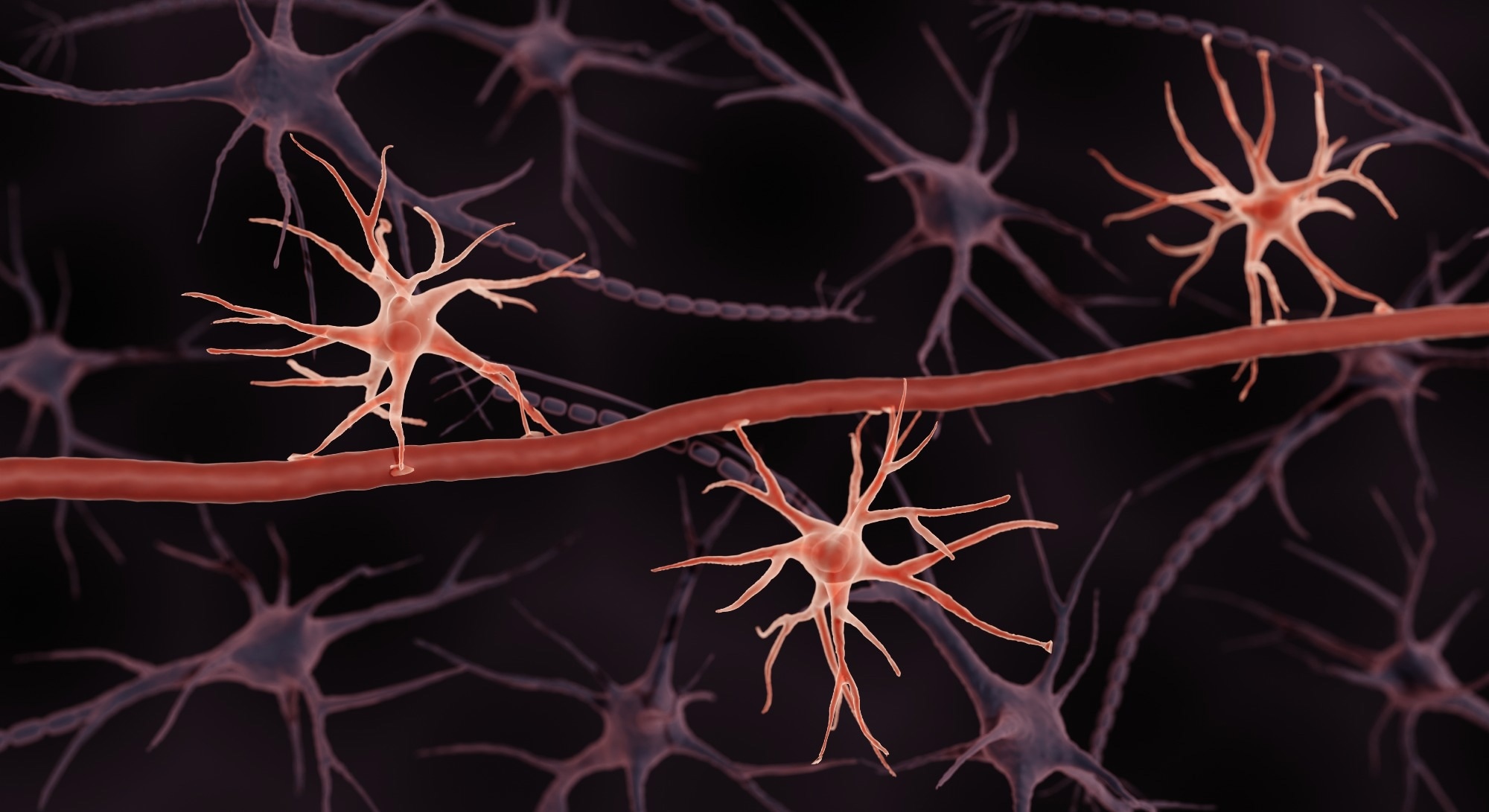 Image credit: ART-ur/Shutterstock.com
Introduction
Oligonucleotide therapeutics, including antisense oligonucleotides and small interfering ribonucleic acid (RNA), have emerged as powerful tools for regulating gene expression and treating neurological diseases. These molecules enable sequence-specific modulation of RNA via mechanisms such as RNase H-mediated degradation or RNA interference.1
Unfortunately, delivering nucleic acid-based therapy into the central nervous system (CNS) remains the biggest challenge. The blood-brain barrier (BBB) is a highly specialized CNS interface that has tightly connected endothelial cells, thereby limiting the entry of many macromolecules into the brain and acting as a protective barrier for neural tissue from toxins present in the bloodstream. The BBB is part of a multicellular neurovascular unit composed of endothelial cells, pericytes, astrocytes, and basement membrane components that collectively regulate molecular transport and CNS homeostasis2. Because of this, most drugs do not reach the brain in active amounts.
To overcome these limitations, researchers are developing targeted delivery approaches, including ligand- and peptide-based systems that facilitate transport across the BBB and enhance brain-specific uptake.1,4 This article examines the biological barriers to CNS delivery, peptide-enabled targeting strategies, clinical progress, and remaining challenges.
Biological Barriers Limiting CNS Delivery of Oligonucleotide Therapeutics
The delivery of oligonucleotide therapeutics to the CNS is restricted by several biological barriers, the most prominent being the BBB. The BBB is composed of endothelial cells and additional structures, such as pericytes and astrocytic end-feet, which help maintain both the structural integrity and the regulatory functions of the BBB. This architecture creates a physical and functional barrier that limits the movement of many molecules from the bloodstream into brain tissue.2,4
The BBB allows the passive diffusion of only small lipophilic molecules, while most macromolecules, such as peptides, proteins, antibodies, and oligonucleotides, are largely excluded due to its structure. Typically, only molecules smaller than ~400 Da with favorable lipophilicity can efficiently diffuse across the BBB. Instead, the BBB uses selective carrier-mediated systems to regulate the entry of nutrients and metabolites required for brain function. Efflux transporters, such as P-glycoprotein and multidrug resistance-associated proteins, further limit the accumulation of foreign molecules by actively pumping them back into the bloodstream.2,4
Role of Blood-Brain Barrier and Denali TransportVehicle Platform
Video credit: denalitherapeutics/Youtube.com
Beyond the BBB itself, additional challenges arise from the CNS's complex cellular organization. The neurons, astrocytes, oligodendrocytes, and microglia cells of the brain have their own unique receptors, uptake pathways, and metabolic activity, making it very difficult to achieve uniform therapeutic delivery to all cells. Additionally, when oligonucleotide-based drugs reach their target cells, they frequently enter cells via endocytosis, a process that typically occurs within intracellular vesicles or other endosomal compartments.
Efficient therapeutic activity, therefore, depends on successful intracellular trafficking and endosomal escape. Endosomal escape is a major rate-limiting step, as many internalized oligonucleotides are degraded in lysosomal compartments before reaching their intracellular targets. Different RNA modalities, such as antisense oligonucleotides and small interfering RNA, also require distinct intracellular localization, further complicating the design of effective CNS delivery systems.1,2,4
What to find out more about endosomal escape. Read our article 'Overcoming Endosomal Escape in Oligonucleotide Drug Delivery' by clicking here.
Peptide-Based Strategies for Targeted CNS Delivery
Peptide-based delivery strategies have emerged as promising approaches for transporting therapeutic agents across the BBB and improving drug distribution within the CNS. Receptor-mediated transcytosis involves receptors on the surfaces of brain endothelial cells that absorb substances from the blood and then deliver them to the brain tissue. In this mechanism, peptide ligands bind to specific receptors (such as transferrin or LDL receptors), triggering vesicular transport across endothelial cells. Endocytosis begins when targeting peptides bind to their associated receptors, allowing the transport of peptide-cargo complexes across the BBB into the brain. This strategy allows therapeutic molecules, including nanoparticles or nucleic acids, to enter the brain following systemic administration.1,3,4
Another important class of delivery systems involves cell-penetrating peptides, short cationic or amphipathic sequences that can cross biological membranes. These peptides bind to the membranes of brain blood vessels and can cross the BBB via adsorptive-mediated transcytosis. This process is driven by electrostatic interactions between positively charged peptides and negatively charged endothelial membranes. Once inside the brain, they act as cargo transporters, delivering drugs and imaging agents into brain cells. The ability of cell-penetrating peptides to promote both BBB penetration and cellular internalization makes them particularly attractive for targeting intracellular pathways in neurological diseases.3,4
The design of peptide-oligonucleotide conjugates requires careful consideration of stability, specificity, and pharmacokinetic properties. Peptides are easier to synthesize and modify, and as a result, researchers can add chemical linkers or structural modifications to make them enzyme-resistant and extend their circulation time. Such conjugates typically comprise a targeting peptide, a linker, and a therapeutic cargo, thereby forming peptide–drug conjugates that enhance BBB penetration and biodistribution. By combining receptor-targeting peptides with cell-penetrating motifs, delivery systems can simultaneously enhance BBB transport, promote cellular uptake, and increase the effective concentration of therapeutic molecules within neural tissues.3,4
Progress Toward Clinical Translation
Recent advances in drug delivery technologies have accelerated the translation of oligonucleotide therapeutics for CNS disorders. Nanocarrier-based systems, including lipid nanoparticles and polymeric nanoparticles, have been developed to improve stability, prolong circulation, and enhance BBB transport. Recent preclinical trials indicate that the latest delivery methods, such as nanocarriers and ligand-targeted delivery platforms, enhance the drug's penetration of the BBB. These systems improve the drug's circulation time and facilitate efficient drug accumulation in brain tissue. In animal models of neurological diseases, targeted delivery strategies have shown improved biodistribution and therapeutic potential by facilitating transport through BBB-associated receptors and cellular uptake pathways.1,4
Several oligonucleotide-based therapies targeting neurological disorders are currently in clinical development or have reached early-stage clinical evaluation. The antisense oligonucleotide and small interfering RNA types of RNA-based therapeutics are under investigation for treating neurodegenerative diseases, with the ability to selectively silence or regulate disease-related genes. However, systemic delivery remains challenging due to rapid nuclease degradation, renal clearance, and reticuloendothelial system uptake. Their clinical translation depends heavily on the development of efficient delivery systems capable of overcoming systemic barriers, such as rapid degradation in circulation, poor cellular uptake, and restricted transport across the BBB.1,4
Currently, many CNS-targeted oligonucleotide therapies rely on intrathecal administration, where the drug is delivered directly into the cerebrospinal fluid to bypass the BBB. Even though this method can enhance CNS exposure, it is invasive and may reduce dosing frequency. As a result, significant research focuses on systemic delivery strategies that can safely deliver therapeutic nucleic acids into the brain. Lessons from ongoing clinical and preclinical studies highlight the importance of optimizing delivery platforms, improving target engagement, and carefully evaluating biodistribution and safety profiles to support the successful translation of oligonucleotide therapies for neurological diseases.1,4
Remaining Technical and Safety Challenges
Despite significant progress in delivery technologies, several technical and safety challenges continue to limit the widespread clinical use of oligonucleotide therapeutics for CNS disorders. Tolerability and immunogenicity are the biggest concerns, and in the case of nucleic acid therapeutics, activation of innate immune mechanisms may occur when they are recognized by cellular sensors or circulating immune components. Moreover, serum interactions or degradation products can activate inflammatory pathways, potentially impacting safety and treatment tolerability. Chemical modifications are often incorporated into antisense oligonucleotides and small interfering RNA molecules to improve stability and reduce immune activation; however, careful optimization is still required to balance therapeutic efficacy with safety.1,4
Another challenge relates to off-target distribution and receptor variability. Many receptors used for BBB transport, such as transferrin and low-density lipoprotein receptors, are not exclusively expressed in brain endothelial cells and are also found in peripheral tissues. This lack of tissue specificity can result in competition with endogenous ligands and reduced delivery efficiency to the CNS. This widespread expression may lead to unintended drug accumulation in organs outside the CNS, reducing targeting efficiency and increasing the potential for systemic side effects.1,4
Finally, issues related to manufacturing, long-term dosing, and durability of therapeutic effects remain important considerations. Oligonucleotide therapeutics must usually be administered repeatedly to sustain gene silencing, especially in chronic neurological diseases. Ensuring consistent production quality, optimizing dosing schedules, and minimizing toxicity during long-term treatment will therefore be critical factors in advancing these therapies toward broader clinical use.1,4
Conclusions
Oligonucleotide therapeutics have emerged as promising tools for treating neurological disorders by enabling precise regulation of gene expression. However, effective delivery to the CNS remains a major challenge because the BBB restricts the entry of most macromolecules and limits drug accumulation in neural tissue. Peptide-based targeting strategies offer a promising approach by facilitating transport across the BBB and enhancing cellular uptake in the brain. Receptor-mediated transcytosis and cell-penetrating peptides are two new methods that show promise in improving oligonucleotide delivery in the body and their clinical efficacy.
The safety issues, immune responses, unintended delivery to other parts of the body, and the scaling-up of the manufacturing process should be addressed to achieve successful clinical translation. Better delivery technologies and a deeper understanding of CNS biology and BBB transport mechanisms are essential to make oligonucleotide-based treatments fully effective for neurological diseases.
References
- Mendonca, M. C., Kont, A., Aburto, M. R., Cryan, J. F., & O’Driscoll, C. M. (2021). Advances in the design of (nano) formulations for delivery of antisense oligonucleotides and small interfering RNA: Focus on the central nervous system. Molecular Pharmaceutics. 18(4). 1491-1506. DOI:10.1021/acs.molpharmaceut.0c01238, https://pubs.acs.org/doi/10.1021/acs.molpharmaceut.0c01238
- Archie, S. R., Al Shoyaib, A., & Cucullo, L. (2021). Blood-Brain Barrier Dysfunction in CNS Disorders and Putative Therapeutic Targets: An Overview. Pharmaceutics. 13(11). DOI:10.3390/pharmaceutics13111779, https://www.mdpi.com/1999-4923/13/11/1779
- Blades, R., Ittner, L. M., & Tietz, O. (2023). Peptides for trans‐blood–brain barrier delivery. Journal of Labelled Compounds and Radiopharmaceuticals. 66(9). 237-248. DOI:10.1002/jlcr.4023, https://analyticalsciencejournals.onlinelibrary.wiley.com/doi/10.1002/jlcr.4023
- Sethi, B., Kumar, V., Mahato, K., Coulter, D. W., & Mahato, R. I. (2022). Recent advances in drug delivery and targeting to the brain. Journal of Controlled Release. 350. 668-687. DOI:10.1016/j.jconrel.2022.08.051, https://www.sciencedirect.com/science/article/abs/pii/S0168365922005740?via%3Dihub
Further Reading
Last Updated: Mar 20, 2026